Key Takeaways
- Glutathione's primary function is neutralizing harmful molecules called reactive oxygen species through antioxidant defense, supporting detoxification pathways, and maintaining cellular redox balance—not serving as a broad-spectrum body cleanser.
- Your body naturally produces glutathione from three amino acids (glutamate, cysteine, and glycine), with production depending on adequate protein intake, so diet quality directly affects your cells' defense capacity.
- Evidence for oral glutathione supplements remains mixed with only small studies showing modest increases in blood markers, while proof of meaningful health improvements for healthy individuals is currently lacking.
- Lifestyle factors like adequate protein intake, regular physical activity, quality sleep, avoiding tobacco, and managing chronic conditions provide more consistent evidence for supporting glutathione function than supplementation.
- Intravenous glutathione marketed for wellness or skin lightening lacks sufficient clinical evidence and carries serious safety concerns, requiring medical oversight if considered rather than self-directed use.
- Low glutathione levels typically reflect underlying issues like inflammation or nutritional deficiency rather than being a standalone diagnosis, so addressing root causes through clinician evaluation is more effective than isolated supplementation.
You may have heard glutathione called the body's "master antioxidant." It sounds impressive, but what does it actually do inside your body? If you are researching supplements, IV drips, or simply trying to understand your own biology, you deserve clear answers instead of marketing hype. This guide explains glutathione function in plain language, backed by current research, so you can make informed decisions about your health.
At InCare, we believe wellness choices should be grounded in evidence, not trends. Whether you are a busy parent managing your family's health, a young professional exploring preventive care, or someone curious about DNA gene testing and other advanced wellness tools, understanding glutathione helps you separate fact from fiction. Let's break down what this molecule really does, what the science says, and when it makes sense to talk with a clinician.
What Is Glutathione and Why Does It Matter?
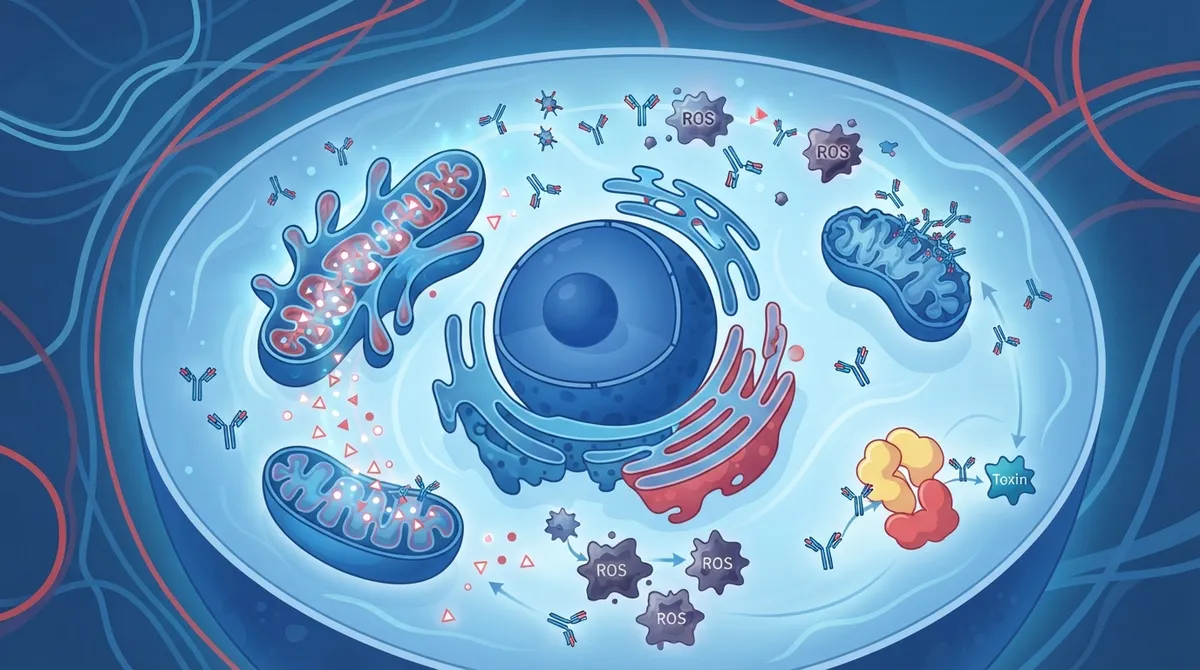
Glutathione is a small molecule made naturally inside your cells. It is built from three amino acids: glutamate, cysteine, and glycine. Your liver produces most of the glutathione that circulates through your body, though nearly every cell can make its own supply.
Scientists call it a tripeptide because it links three amino acids together. This structure lets glutathione perform a very specific job: protecting your cells from damage. Intracellular glutathione levels are surprisingly high, often reaching concentrations near 5 millimolar inside many cells, according to pharmacology reviews. That makes it one of the most abundant defense molecules your body produces.
How Your Body Makes Glutathione
Glutathione synthesis happens in two main steps, both requiring energy from your cells. Two enzymes drive this process: glutamate-cysteine ligase and glutathione synthetase. Think of these enzymes as assembly-line workers that snap the three amino acids together in the right order.
This process depends on having enough raw materials, especially cysteine. Your diet and overall nutrition status directly affect how much glutathione your body can produce. This is why healthcare providers often look at diet quality when discussing cellular health.
The Core Functions of Glutathione in Your Body
Understanding glutathione function means looking at several distinct jobs this molecule performs. Here are the primary roles glutathione plays in your health:
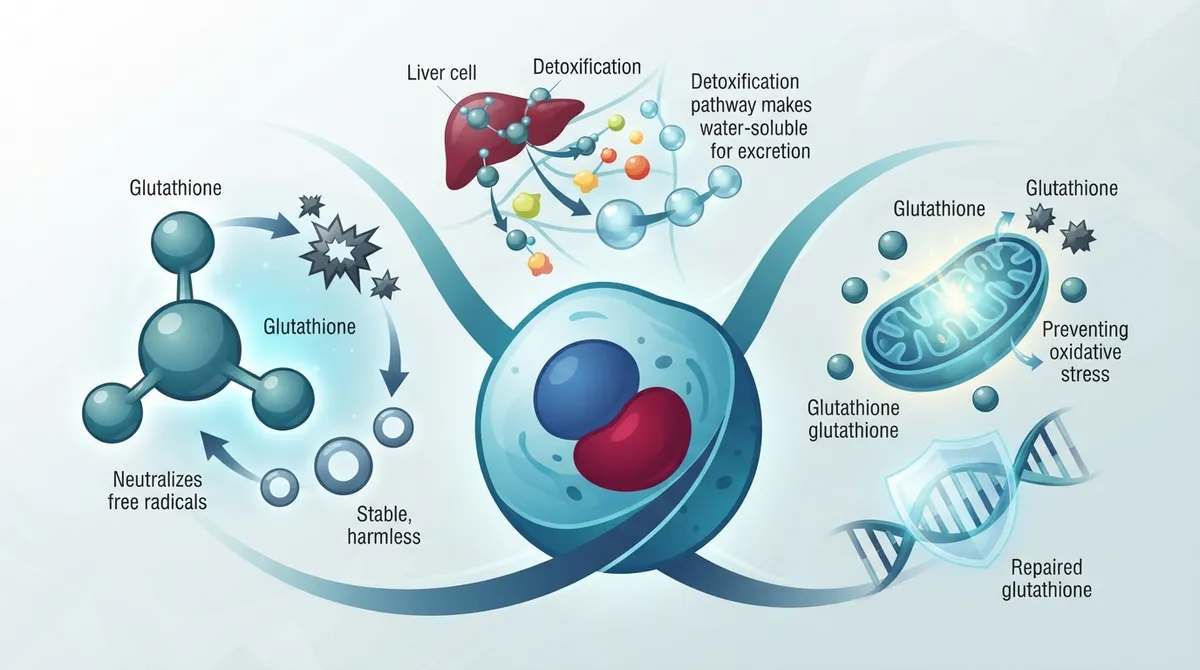
- Antioxidant defense: Glutathione neutralizes harmful molecules called reactive oxygen species before they damage your cells.
- Redox balance: It helps maintain the proper chemical balance inside cells, switching between reduced (GSH) and oxidized (GSSG) forms.
- Detoxification support: Glutathione binds to certain drugs and pollutants, making them easier for your body to remove.
- Protein and DNA protection: It shields proteins, cell membranes, and genetic material from oxidative stress.
- Mitochondrial support: Glutathione helps protect the energy-producing parts of your cells.
- Immune regulation: Adequate glutathione levels support normal immune cell function and inflammatory responses.
- Antioxidant recycling: It helps regenerate other antioxidants, including vitamin C and vitamin E.
Each of these functions works together as part of a larger system. No single role operates in isolation, which is why glutathione is often called a central player in cellular defense.
The Redox Balance: GSH vs GSSG
Glutathione exists in two forms. Reduced glutathione, known as GSH, is the active form that donates electrons to neutralize harmful molecules. Once it does this job, it becomes oxidized glutathione, or GSSG.
Your body then uses an enzyme called glutathione reductase to convert GSSG back into GSH. This cycle requires a molecule called NADPH for energy. Researchers often measure the ratio of GSH to GSSG as an indicator of cellular stress. A healthy ratio suggests your antioxidant system is working well.
Detoxification: Separating Fact From Marketing Claims
The word "detox" gets used loosely in wellness marketing. In real biochemistry, glutathione's detox role is specific. It participates in what scientists call phase II detoxification, where it attaches to certain drugs and environmental chemicals.
This process, called conjugation, makes these substances more water-soluble. That allows your kidneys and liver to remove them more easily. However, this does not mean glutathione supplements will "cleanse" your body of toxins or reverse the effects of poor lifestyle choices. Your liver, kidneys, and other organs handle detoxification through complex, interconnected systems.
If you have concerns about liver health or toxin exposure, a conversation with a primary care provider is the right first step. Our primary care team can evaluate your overall health and recommend appropriate testing.
What Affects Your Glutathione Levels?
Several factors can influence how much glutathione your body produces and maintains. Understanding these factors helps explain why glutathione levels vary between individuals.
- Age-related decline in production capacity
- Chronic inflammation or ongoing illness
- Liver disease or impaired liver function
- Metabolic disorders, including diabetes
- Poor nutrition or inadequate protein intake
- Smoking and tobacco use
- Excessive alcohol consumption
- Chronic oxidative stress from environmental exposures
A low glutathione level by itself is not a diagnosis. Instead, it often reflects an underlying issue such as inflammation or nutritional deficiency. This is an important distinction, since some wellness marketing suggests low glutathione is a standalone problem requiring immediate supplementation.
Common Questions About Glutathione Testing
Many patients ask whether they should get their glutathione levels tested. Currently, glutathione testing is not a routine part of standard primary care visits. It is more commonly used in research settings or for specific clinical situations, such as evaluating certain genetic conditions or severe oxidative stress.
If you are curious about your overall cellular health, tools like body composition analysis and metabolic breath analysis can provide meaningful, evidence-based insights into your metabolic function.
Lifestyle Approaches That Support Glutathione Biology
Rather than relying solely on supplements, several everyday habits support your body's natural glutathione production. These approaches are backed by more consistent evidence than most supplement claims.
|
Lifestyle Factor |
How It Supports Glutathione Function |
|---|---|
|
Adequate protein intake |
Provides cysteine and glycine, the building blocks for synthesis |
|
Regular physical activity |
May help regulate oxidative stress and support cellular health |
|
Quality sleep |
Supports overall cellular repair processes |
|
Avoiding tobacco |
Reduces a major source of oxidative stress |
|
Moderating alcohol intake |
Reduces liver burden and oxidative damage |
|
Managing chronic conditions |
Lowers ongoing inflammatory and oxidative load |
Cruciferous vegetables, such as broccoli and Brussels sprouts, contain compounds that may support your body's antioxidant systems. However, no single food has been shown to produce a dramatic, clinically meaningful increase in glutathione levels on its own.
Do Glutathione Supplements Actually Work?
This is one of the most common questions patients ask. The honest answer is that evidence remains mixed. Some small clinical trials have shown modest increases in blood or cellular glutathione markers after oral supplementation. However, larger studies confirming meaningful health outcomes, such as improved immunity or longevity, are still lacking.
A 2024 review of glutathione's biosynthesis and physiological roles noted that its functions span antioxidant defense, detoxification, protein protection, and immune regulation. But having an important biological role does not automatically mean supplementation improves health in people who are not deficient.
N-Acetylcysteine and Glycine as Precursors
N-acetylcysteine, commonly known as NAC, and glycine are both precursors your body can use to build glutathione. Some clinical settings have studied these compounds for specific purposes. However, they are not universal wellness solutions.
Dosing, potential drug interactions, and underlying health conditions all matter. Conditions like asthma, pregnancy, and certain liver diseases require careful clinician review before starting any glutathione precursor. This is exactly the kind of decision that benefits from a conversation with a qualified provider rather than self-directed supplementation.
Is Intravenous Glutathione Safe for Wellness or Skin Lightening?
Intravenous glutathione has become popular in some wellness circles, often marketed for skin lightening or general antioxidant support. It is important to understand that IV glutathione is not a routine treatment offered in standard primary care for these purposes.
Evidence supporting its effectiveness for these uses remains insufficient. More concerning, some reports have linked injectable glutathione products to serious adverse events. Any injectable glutathione product should only be considered under appropriate medical oversight, using lawful and quality-controlled sources.
If you are interested in IV hydration and vitamin drip therapy, our clinical team can walk you through options that are grounded in established science and administered safely.
Glutathione and Common Health Concerns
Patients often ask whether glutathione can help with specific conditions. Here is a straightforward look at what current evidence suggests:
- Liver health: Glutathione plays a natural role in liver detoxification pathways, but supplementation as a treatment for liver disease requires clinical evaluation and is not a substitute for medical care.
- Inflammation: Adequate glutathione supports normal inflammatory regulation, though it is not a proven anti-inflammatory treatment on its own.
- Oxidative stress: This is glutathione's core function, but managing oxidative stress usually requires addressing root causes like diet, sleep, and chronic disease.
- Immune function: Glutathione supports immune cell activity at the cellular level, but this does not mean supplements will prevent infections in healthy individuals.
- Skin health: Claims about skin lightening or anti-aging benefits are not supported by strong clinical evidence, particularly for injectable forms.
These distinctions matter because unsupported claims can lead people away from evidence-based care. A thorough cancer screening program or routine wellness visit remains a far more reliable path to catching health issues early.
When Should You Talk to a Clinician About Glutathione?
Certain situations call for professional guidance before considering any glutathione-related product. Consider reaching out to a healthcare provider if any of these apply to you:
- You are pregnant or breastfeeding
- You have existing liver disease or a chronic illness
- You take prescription medications that could interact with supplements
- You have asthma or another respiratory condition
- You are considering NAC, glycine, or IV glutathione products
- You want personalized guidance based on your health history
Our providers, including Dr. Pramjeet Ahluwalia and Dr. Naveen Paddu, take a whole-body approach to wellness, helping patients across Tampa and Riverview separate proven strategies from unproven trends.
A Simple Framework for Evaluating Wellness Claims
When you encounter a bold claim about glutathione or any supplement, ask yourself these questions:
- Is this claim based on large, well-designed clinical trials or small preliminary studies?
- Does the source have a financial interest in selling the product?
- Are there known risks or side effects mentioned alongside the benefits?
- Would a licensed clinician recommend this approach for my specific situation?
This kind of critical thinking protects you from wasting money and, more importantly, protects your health.
Why Choose InCare for Your Wellness Journey
Understanding glutathione function is just one piece of a much larger picture. Real wellness comes from personalized, evidence-based care that looks at your whole body. At InCare, we combine advanced technology with medical expertise to help patients in Tampa and Riverview make informed choices.
From medically supervised weight loss programs to comprehensive urgent care services, our team is committed to prevention and whole-body optimization. We never push unproven treatments. Instead, we focus on what the science actually supports, tailored to your unique needs.
Curious what other patients say about their experience? You can visit us on Google — InCare to read real reviews from people in your community. You can also follow our updates and wellness tips on Facebook, Instagram, and TikTok for accessible, science-based health content.
Take the Next Step Toward Informed Wellness
Glutathione plays a genuinely important role in protecting your cells, supporting detoxification pathways, and maintaining redox balance. But important does not always mean that more supplementation equals better health. The most reliable path forward involves understanding your unique biology, addressing lifestyle factors, and consulting a clinician before adding any new supplement or IV therapy to your routine.
If you have questions about your cellular health, want to explore DNA gene testing for personalized insights, or simply want a trusted primary care partner in Tampa or Riverview, our team is here to help. Book your appointment today and start your wellness journey with guidance you can trust.
FAQs
Q: What is glutathione and what does it do in the body?
A: Glutathione is a small molecule made from three amino acids: glutamate, cysteine, and glycine. It supports antioxidant defense, helps regulate cellular redox balance, participates in detoxification pathways, and protects proteins, membranes, and DNA from oxidative damage.
Q: Is glutathione an antioxidant or a detox supplement?
A: Glutathione is primarily an antioxidant that neutralizes harmful molecules inside your cells. It does participate in phase II detoxification by binding certain drugs and chemicals, but this is a specific biochemical process, not a broad body cleanse.
Q: Do oral glutathione supplements work, and how long do they take?
A: Evidence on oral glutathione supplements remains mixed. Some small studies show modest increases in blood markers, but proof of meaningful health improvements is limited, and no established timeline for results currently exists.
Q: Is intravenous glutathione safe for wellness or skin lightening?
A: IV glutathione is not a routine primary care treatment for general wellness or skin lightening. Evidence for its effectiveness and long-term safety is insufficient, and it should only be used under proper medical oversight.
Q: Should I take NAC or glycine to support glutathione production?
A: NAC and glycine are glutathione precursors studied in certain clinical contexts, but they are not universally appropriate for everyone. Speak with a clinician before starting either, especially if you are pregnant, have asthma, or take other medications.