
Key Takeaways
- Cruciferous vegetables (broccoli, cauliflower, Brussels sprouts, kale) and allium vegetables (garlic, onions) contain sulfur compounds that directly support your body's natural glutathione production.
- Protein sources like eggs, fish, poultry, and legumes provide cysteine and glycine amino acids your liver needs to synthesize glutathione; include protein at every meal for optimal production.
- Whole foods should form the foundation of glutathione support since they provide multiple nutrients and fiber; supplements and IV therapy can complement diet but shouldn't replace it.
- Most people notice improved energy and fewer sick days within a few weeks of consistently eating glutathione-supportive foods, making dietary changes a practical, affordable wellness strategy.
Your body makes a powerful antioxidant called glutathione every single day. It fights cell damage, supports your liver, and helps your immune system stay strong. But many people wonder if food or supplements work better to raise glutathione levels. This question matters more than ever in 2026, as more patients look for natural ways to support their health before turning to pills or IV treatments.
At InCare, we see patients every week who want to boost their antioxidant defenses the right way. Whether you are a busy parent in Riverview or a young professional in Tampa, understanding which foods increase glutathione can help you make smarter choices at the grocery store. This guide breaks down the science, compares food versus supplements, and shows you exactly what to eat for better results.
What Is Glutathione and Why Does It Matter?
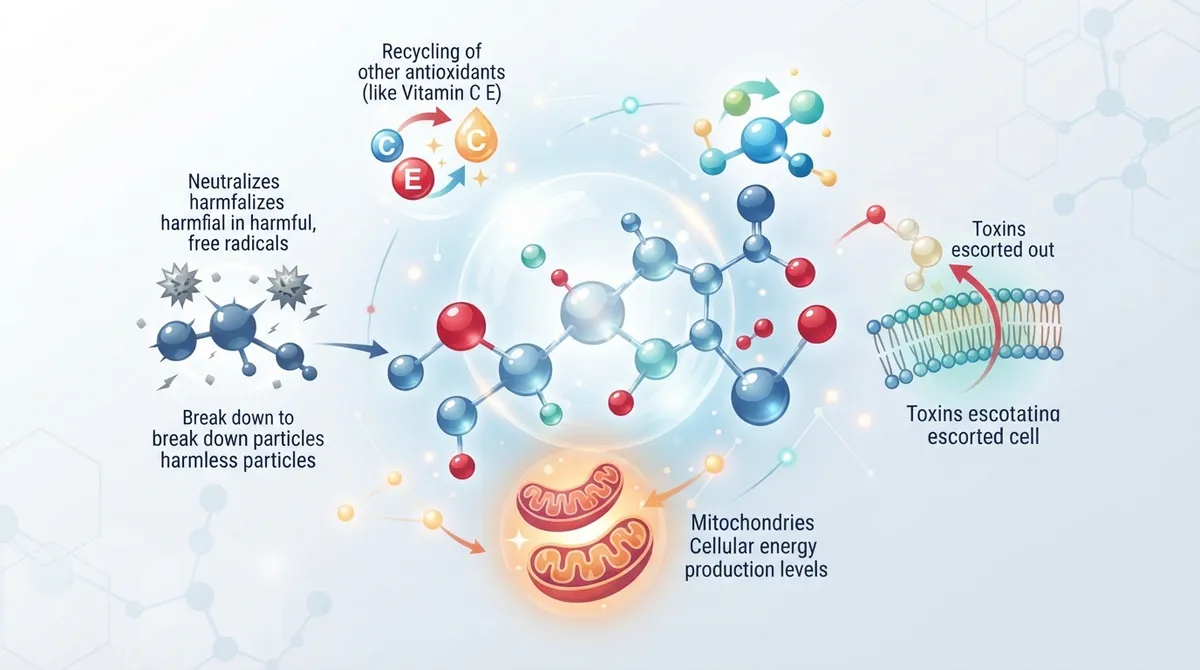
Glutathione is often called the body's "master antioxidant." Your liver makes it using three amino acids: cysteine, glutamine, and glycine. This antioxidant helps protect your cells from damage caused by toxins, stress, and aging.
Low glutathione levels have been linked to fatigue, weaker immunity, and slower recovery from illness. That is why many wellness-focused patients ask their primary care doctor about ways to support natural glutathione production through diet.
How Your Body Uses Glutathione
Your body relies on glutathione for several important jobs. Here is what it does inside your cells:
- Neutralizes harmful free radicals before they damage healthy cells
- Supports liver detox pathways to remove toxins from your bloodstream
- Helps recycle other antioxidants like vitamin C and vitamin E
- Strengthens immune cell function and response to illness
- Reduces oxidative stress linked to chronic disease
Top Foods That Increase Glutathione Naturally
Research shows certain foods can help your body produce more glutathione or provide the raw materials it needs. A 2023 NIH-published review found that fruits and vegetables containing natural glutathione or its building blocks may support antioxidant status over time.
1. Sulfur-Rich Vegetables
Cruciferous vegetables are some of the best foods for supporting glutathione levels. Sulfur compounds in these vegetables help fuel your body's natural antioxidant production.
- Broccoli
- Cauliflower
- Brussels sprouts
- Cabbage
- Kale
- Bok choy
Healthline reports that sulfur-rich vegetables may help reduce oxidative stress by supporting higher glutathione levels in the body. Eating these foods a few times each week is a simple, low-cost way to support wellness goals.
2. Allium Vegetables
Garlic, onions, leeks, and shallots contain sulfur compounds similar to those found in cruciferous vegetables. These kitchen staples are easy to add to almost any meal.
3. Protein-Rich Foods
Your body needs amino acids to build glutathione, and protein is the best source. Foods high in cysteine and glycine give your liver the tools it needs.
- Eggs
- Poultry such as chicken and turkey
- Fish including salmon and tuna
- Greek yogurt
- Tofu and other soy products
- Legumes like lentils and chickpeas
- Whey protein powder
4. Glutathione-Containing Fruits and Vegetables
Some foods actually contain small amounts of glutathione itself, along with nutrients that help your body use it more effectively.
- Avocado
- Asparagus
- Spinach
- Cucumber
- Green beans
A 2019 review published in PMC noted that a glutathione-supportive diet often includes daily servings of these green, nutrient-dense foods.
Nutrients That Help Your Body Produce More Glutathione
Beyond direct food sources, certain vitamins and minerals help your body make and recycle glutathione more efficiently.
|
Nutrient |
Food Sources |
Role in Glutathione Support |
|---|---|---|
|
Selenium |
Brazil nuts, seafood, eggs, poultry |
Supports glutathione peroxidase enzyme activity |
|
Vitamin C |
Citrus fruits, kiwi, strawberries, bell peppers |
Helps recycle used glutathione back into active form |
|
Cysteine |
Eggs, garlic, onions, broccoli |
Provides a key amino acid building block |
|
Glycine |
Bone broth, meat, legumes |
Second amino acid needed for synthesis |
Food vs. Supplements: Which Approach Works Better?
Many patients ask whether they should rely on food alone or add a supplement. Both approaches have pros and cons worth understanding before making a decision.
|
Approach |
Pros |
Cons |
|---|---|---|
|
Whole Foods |
Affordable, sustainable, provides other nutrients too |
Takes time to see results, requires consistent habits |
|
Oral Supplements |
Convenient, measured doses |
Absorption can be limited; evidence is still developing |
|
IV Therapy |
Bypasses digestion, fast delivery |
Requires clinic visit, higher cost per session |
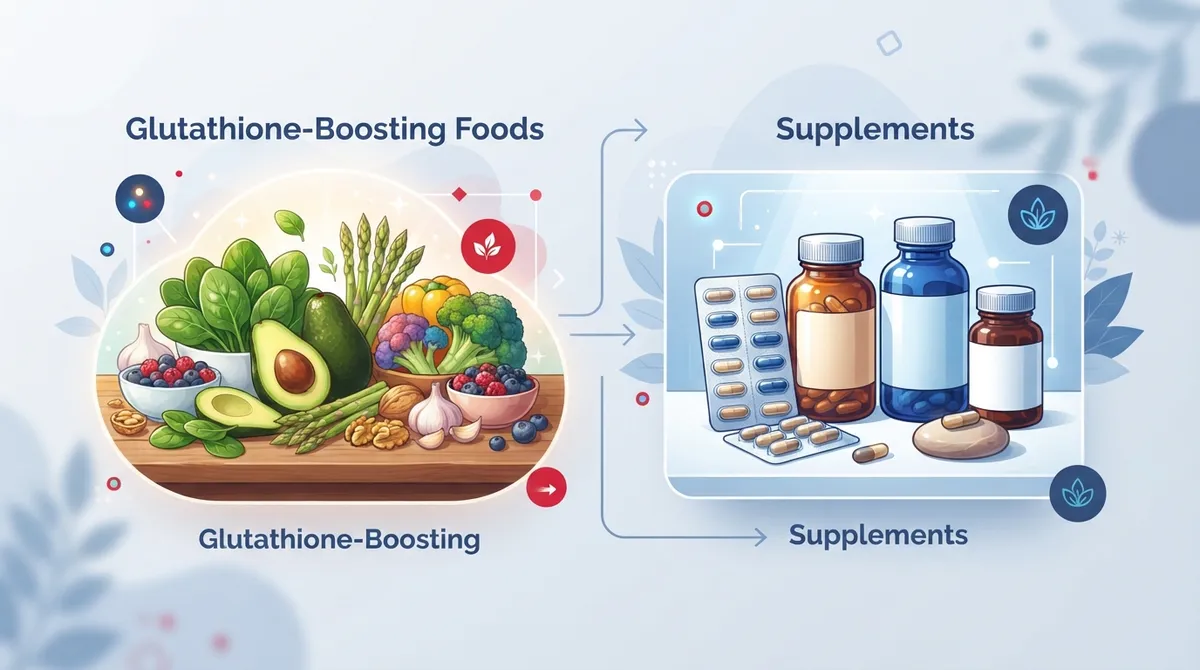
Clinical and wellness experts generally agree that food-based strategies should form the foundation of any antioxidant support plan. Supplements and IV options can complement a healthy diet but should not replace it. If you want a personalized plan, our IV hydration and vitamin drip services can be combined with dietary guidance from your provider.
How to Build a Glutathione-Supportive Meal Plan
Creating a diet that supports antioxidant health does not need to be complicated. Follow these steps to get started.
- Add one serving of cruciferous vegetables to your lunch or dinner each day
- Include a lean protein source like eggs, fish, or poultry at every meal
- Snack on fresh fruit high in vitamin C, such as oranges or strawberries
- Cook with garlic and onions instead of processed seasoning blends
- Add spinach or avocado to smoothies, salads, or sandwiches
- Limit processed foods and added sugar, which increase oxidative stress
- Stay hydrated to support liver function and toxin removal
Small, steady changes tend to work better than drastic diet overhauls. Most patients notice improved energy and fewer sick days within a few weeks of consistent habits.
Who Should Pay Extra Attention to Glutathione Support?
Certain groups may benefit more from focusing on glutathione-rich foods and habits.
- Adults over 40, since natural glutathione production slows with age
- People with chronic health conditions like diabetes or autoimmune disorders
- Individuals under high stress or exposed to environmental toxins
- Patients recovering from illness or surgery
- Those pursuing proactive wellness through DNA gene testing to understand their unique health risks
If you fall into one of these categories, talk with your primary care provider about a personalized nutrition and wellness plan. Our team at InCare's primary care services can help you build a plan that fits your lifestyle and health history.
Common Mistakes That Lower Glutathione Levels
Certain habits can work against your antioxidant goals, even if you eat well most of the time.
- Consuming too much alcohol, which depletes liver antioxidant stores
- Chronic lack of sleep, which raises oxidative stress
- Skipping protein at meals, limiting amino acid availability
- Relying on processed foods instead of whole, fresh produce
- Ignoring underlying health conditions that increase inflammation
Why a Personalized Wellness Plan Matters
Every person's nutritional needs are different. Age, activity level, existing health conditions, and even genetics play a role in how well your body produces glutathione. This is where working with a trusted healthcare provider makes a real difference.
At InCare, our providers combine primary care expertise with advanced wellness tools like body composition analysis and metabolic breath analysis to create truly personalized health plans. We serve patients across Tampa and Riverview who want more than a quick fix. You can see how our approach has helped real patients by checking Visit us on Google — InCare and reading recent reviews.
Our clinic also stays active on social media, sharing wellness tips and patient education. Follow us on Facebook, Instagram, or TikTok for more nutrition guidance and wellness updates.
Quick Reference: Best Foods for Glutathione Support
Here is a simple list you can save and reference at the grocery store.
- Broccoli, cauliflower, Brussels sprouts, kale, and cabbage for sulfur compounds
- Garlic, onions, and leeks for additional sulfur support
- Eggs, poultry, fish, and legumes for amino acid building blocks
- Avocado, asparagus, and spinach for direct glutathione content
- Citrus fruits and bell peppers for vitamin C recycling support
- Brazil nuts and seafood for selenium
Moving Forward With Confidence
Understanding which foods increase glutathione gives you a practical tool for better health. Small changes to your diet can support your immune system, protect your cells, and help you feel more energetic day to day. But food alone is not always enough, especially if you have underlying health concerns or specific wellness goals.
Our team at InCare is ready to help you build a complete plan that fits your body's unique needs. Whether you need a cancer screening, a weight loss program, or simply want expert nutrition guidance, we combine medical expertise with advanced technology to help you thrive. Book your wellness visit today and take the next step toward whole-body health.
FAQs
Q: What foods naturally increase glutathione levels?
A: Sulfur-rich vegetables like broccoli, cauliflower, and Brussels sprouts are top choices. Protein sources such as eggs, fish, and legumes provide the amino acids your body needs to produce glutathione naturally.
Q: Which fruits and vegetables are highest in glutathione?
A: Avocado, asparagus, and spinach contain measurable amounts of glutathione. These foods also supply antioxidants and nutrients that support your body's natural production process.
Q: Do cruciferous vegetables really raise glutathione?
A: Yes, studies show sulfur compounds in cruciferous vegetables may help reduce oxidative stress by supporting glutathione activity. Eating them regularly as part of a balanced diet offers measurable benefits.
Q: Should I take glutathione supplements or eat glutathione-rich foods?
A: Whole foods should form the foundation of your antioxidant strategy, since they provide additional nutrients and fiber. Supplements or IV therapy can complement your diet but work best under professional guidance.
Q: How long does it take to raise glutathione through diet?
A: Most patients notice gradual improvements in energy and immune function within a few weeks of consistent dietary changes. Results vary based on age, health status, and overall lifestyle habits.