Key Takeaways
- Glutathione supplementation lacks strong clinical evidence for reducing inflammation in healthy adults, though the biological mechanism is plausible—most evidence comes from lab studies and animal models rather than large human trials.
- Low glutathione levels create a bidirectional cycle with inflammation: oxidative stress depletes glutathione, which then increases vulnerability to inflammatory pathways like NF-κB and AP-1, making lifestyle modifications critical.
- Oral glutathione supplements have poor bioavailability due to digestive breakdown, while IV delivery bypasses digestion but requires medical supervision and lacks established standard dosing for inflammation reduction.
- Lifestyle factors like eating sulfur-rich vegetables, quality sleep, regular exercise, and managing chronic diseases may be more evidence-based for supporting natural glutathione production than relying on unproven supplements.
Inflammation shows up everywhere in modern health talk. From tired joints to sluggish energy, many people wonder if a root cause is hiding beneath the surface. One molecule keeps coming up in these conversations: glutathione. Understanding the real link between glutathione inflammation pathways can help you make smarter choices about your health, rather than chasing trends without evidence behind them.
At InCare, we believe patients deserve clear, honest answers grounded in science. This guide breaks down what glutathione actually does in your body, how it connects to inflammation, and what the research does and does not support. Whether you are a busy parent, a wellness-focused professional, or simply curious about antioxidant health, this article will help you separate fact from marketing hype.

What Is Glutathione and Why Does It Matter?
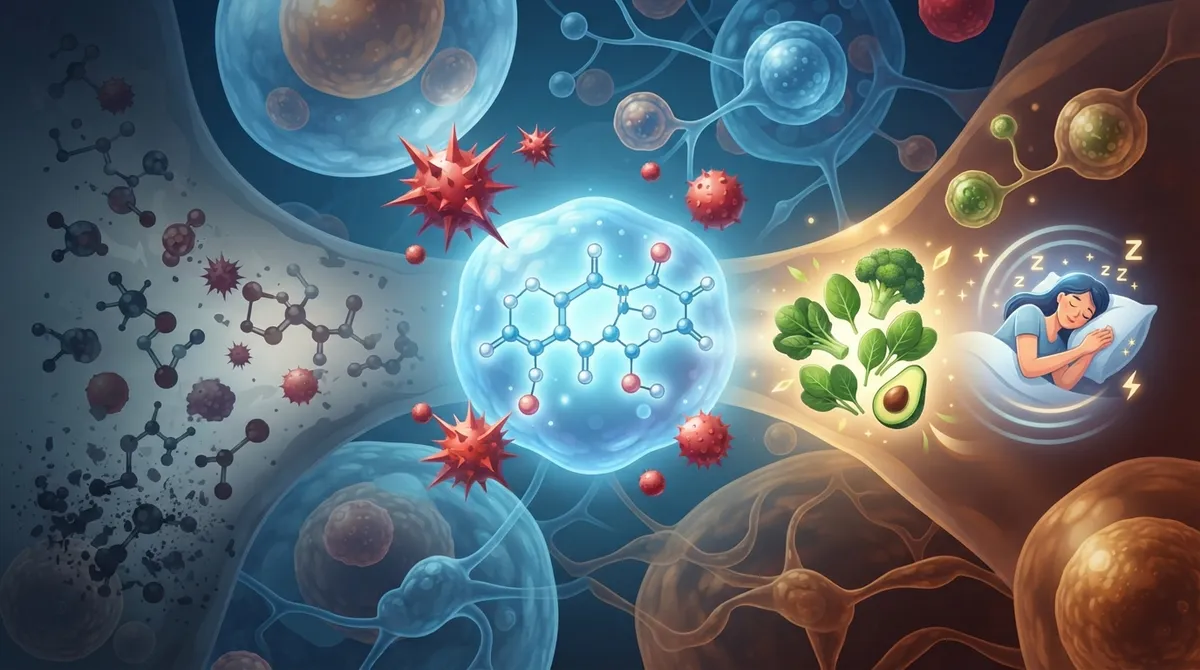
Glutathione (GSH) is a small molecule made of three building blocks: glutamate, cysteine, and glycine. Your body makes it naturally inside almost every cell. It is often called the body's "master antioxidant" because of its central role in protecting cells from damage.
Cells contain glutathione in surprisingly high amounts. A 2022 review in Frontiers in Nutrition reported intracellular concentrations in the range of 1 to 10 millimolar, which is far higher than most other antioxidants found in the body. This high concentration allows glutathione to act as a first line of defense against harmful molecules.
Key Functions of Glutathione in the Body
- Neutralizes reactive oxygen species (ROS) before they damage cells
- Helps maintain a healthy balance between oxidized and reduced states inside cells
- Protects proteins, fats, and cell membranes from oxidative damage
- Supports healthy immune signaling and cytokine responses
- Assists the liver in processing and clearing certain toxins
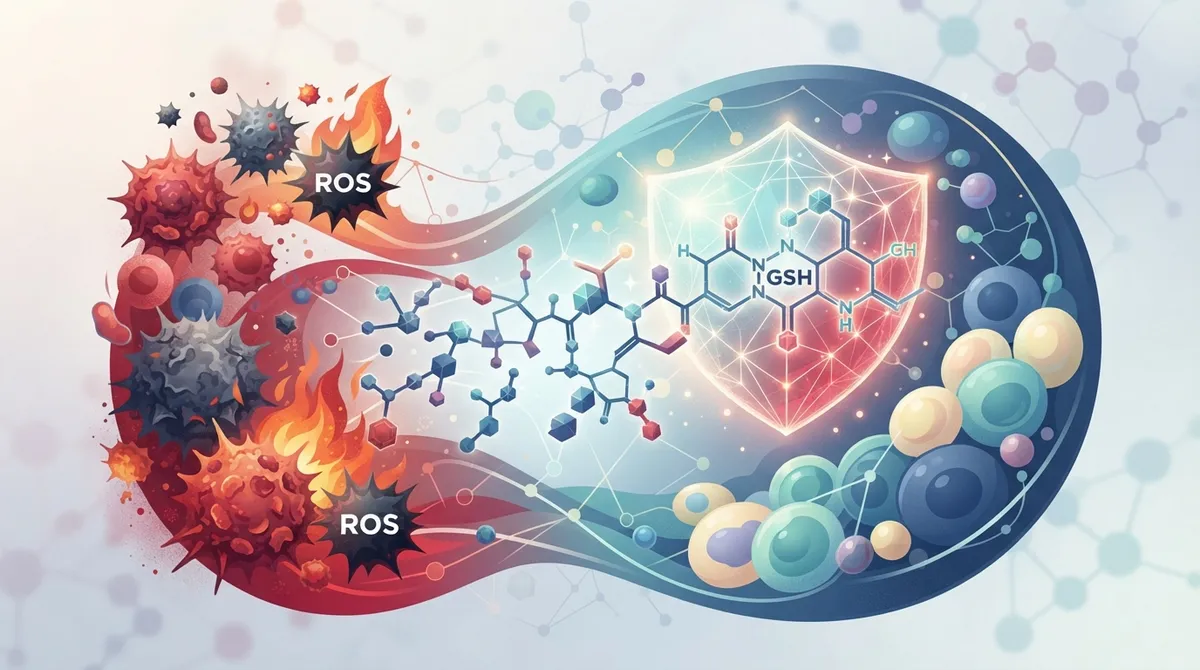
When reactive oxygen species build up faster than the body can clear them, a condition called oxidative stress develops. This stress can trigger inflammatory pathways, including two well-studied signaling systems known as NF-κB and AP-1. These pathways can turn on genes that produce inflammatory proteins throughout the body.
The Real Connection Between Glutathione and Inflammation
The relationship between glutathione and inflammation runs in both directions. Low glutathione levels can make cells more vulnerable to oxidative damage, which may fuel ongoing inflammation. At the same time, inflammation itself can deplete glutathione stores, creating a cycle that is hard to break without addressing the underlying cause.
Researchers have found that an altered ratio of reduced glutathione (GSH) to its oxidized form (GSSG) may signal increased cellular stress. This imbalance has been observed in several inflammatory and oxidative-stress-related conditions, though it does not always mean supplementation will fix the problem.
Conditions Linked to Glutathione Imbalance
- Asthma and other airway inflammation disorders
- Chronic obstructive pulmonary disease (COPD)
- Acute respiratory distress syndrome (ARDS)
- Idiopathic pulmonary fibrosis
- Type 2 diabetes and metabolic disease
- Cardiovascular disease and atherosclerosis
- Certain autoimmune disorders
A 2024 review published in Biomedicines reported that glutathione levels are often reduced in people with type 2 diabetes. The review also discussed how glutathione insufficiency may relate to oxidative stress and elevated inflammatory markers like interleukin-6. This does not prove that raising glutathione levels will reverse diabetes, but it does highlight why researchers continue studying the connection closely.
|
Condition |
Glutathione Finding |
Research Status |
|---|---|---|
|
Type 2 Diabetes |
Often reduced GSH levels |
Associational, not yet proven as treatment target |
|
COPD / Asthma |
Altered glutathione metabolism |
Well documented association |
|
Cardiovascular Disease |
Overlaps with oxidative stress markers |
Investigational |
|
HIV-Tuberculosis Co-infection |
Possible favorable effect on markers |
Small studies, needs larger trials |
Can Glutathione Supplements Reduce Inflammation?
This is where many wellness claims outpace the actual science. While the biological plausibility is strong, most evidence for glutathione supplementation reducing inflammation comes from laboratory studies, animal models, or small human trials. It has not been proven as a reliable treatment for chronic inflammatory disease in generally healthy adults.
A 2022 Frontiers in Nutrition review identified glutathione depletion and inflammation as overlapping features across several conditions, including COPD, atherosclerotic cardiovascular disease, stroke, cancer, and COVID-19. The authors described glutathione-boosting therapies as promising but stated clearly that further clinical validation is still needed.
Oral vs. Intravenous Glutathione: What You Should Know
Not all glutathione delivery methods work the same way. Oral glutathione faces significant challenges with absorption because digestive enzymes can break it down before it reaches the bloodstream. Intravenous (IV) glutathione bypasses digestion entirely, delivering the compound directly into circulation.
- Oral supplements may have limited bioavailability compared to IV delivery
- IV glutathione requires medical supervision to ensure safe administration
- Neither method has an established standard dose for reducing inflammation
- Product quality and formulation vary widely between brands and providers
- Individual response depends on underlying health conditions and goals
If you are considering glutathione support as part of a broader wellness plan, it is worth discussing your goals with a qualified provider first. InCare offers IV hydration and vitamin drips as part of a personalized approach to wellness, always guided by clinical evaluation rather than one-size-fits-all protocols.
Glutathione vs. NAC: What Is the Difference?
N-acetylcysteine, or NAC, is a precursor that helps the body make its own glutathione. It has been studied more extensively than glutathione itself, particularly in respiratory health and toxicology settings. However, NAC and glutathione are not interchangeable.
|
Factor |
Glutathione |
NAC |
|---|---|---|
|
Role |
Direct antioxidant |
Precursor to glutathione synthesis |
|
Research depth |
Growing but limited in humans |
More extensively studied |
|
Common use |
Wellness, skin, IV therapy |
Respiratory support, toxicology |
|
Absorption |
Variable, especially oral form |
Generally better oral absorption |
Because NAC and glutathione work differently in the body, using one should not be assumed to replace the other for a medical condition. Any decision to use either should involve clinical guidance, especially if you are managing a chronic illness.
Lifestyle Factors That Influence Glutathione Levels
Several everyday habits and health factors affect how much glutathione your body can produce and maintain. Addressing these factors is often more evidence-based than relying solely on supplements.
Factors That May Lower Glutathione Status
- Aging, which naturally reduces cellular antioxidant capacity
- Chronic illness or ongoing oxidative stress
- Smoking and regular alcohol exposure
- Poor nutrition lacking sulfur-rich foods
- Uncontrolled metabolic disease, such as diabetes
Ways to Support Healthy Glutathione Production
- Eat sulfur-rich vegetables like broccoli, garlic, and onions
- Prioritize consistent, quality sleep each night
- Engage in regular physical activity
- Avoid smoking and limit alcohol intake
- Manage chronic conditions with proper medical care
These lifestyle strategies support your body's natural antioxidant systems without relying on unproven supplement claims. For patients managing ongoing health conditions, InCare's primary care team can help build a plan that addresses root causes of inflammation, not just symptoms.
Important Considerations Before Trying Glutathione Therapy
Glutathione biology is complex, and increasing antioxidant capacity is not automatically beneficial in every situation. Some research suggests that high glutathione levels may help certain tumor cells resist oxidative stress, which is one reason cancer patients should always consult their oncology team before starting any glutathione-related therapy.
There is also no universally accepted blood test threshold that defines glutathione deficiency. This makes it difficult to know if supplementation is truly necessary for any individual person. Quality, dosing, and delivery method all vary significantly between products and providers, which is why working with a knowledgeable clinical team matters.
Questions to Ask Before Starting Any Glutathione Protocol
- What specific health goal am I trying to address?
- Has my provider evaluated the underlying cause of my symptoms?
- Am I managing a condition that requires specialist input, such as cancer?
- What does the current research say about my specific situation?
- Is there a safer, more established treatment option available first?
These questions help ensure that any decision about glutathione is grounded in your actual health needs rather than general wellness trends.
How InCare Approaches Inflammation and Wellness
At InCare, our providers focus on evidence-based care that addresses the root causes of inflammation rather than relying on trends without solid research behind them. This means combining thorough evaluation with modern tools like DNA gene testing, body composition analysis, and metabolic breath analysis to understand what is really happening inside your body.
Our team also manages chronic conditions linked to inflammation, including diabetes and cardiovascular risk factors, through comprehensive primary care services. If oxidative stress or inflammation is affecting your quality of life, a proper evaluation is always the right first step before considering any supplement or IV therapy.
Patients across Tampa and Riverview trust InCare for honest, science-based guidance. You can visit us on Google — InCare to read what our patients say about their experience with our providers and staff.
Staying Informed on Wellness Trends
Antioxidant therapies, including glutathione, continue to attract attention in wellness circles. Staying informed means looking past marketing claims and focusing on what peer-reviewed research actually shows. Following trusted sources and asking your care team direct questions is the best way to protect your health while exploring new options.
You can also follow InCare's ongoing wellness education through our Facebook page, Instagram account, and TikTok channel for accessible updates on primary care and wellness topics relevant to Tampa Bay residents.
Final Thoughts on Glutathione and Inflammation
Glutathione plays a genuine and important role in how your body manages oxidative stress and inflammation. However, the science does not yet support glutathione supplementation as a proven cure for chronic inflammatory disease. The strongest evidence-based approach remains addressing underlying health conditions, improving lifestyle habits, and working with a knowledgeable primary care team.
If you are curious about your inflammation markers, metabolic health, or whether IV therapy fits your wellness goals, our providers at InCare are ready to help you make informed decisions. Book your appointment today and take the next step toward a personalized, evidence-based wellness plan built around your unique health needs.
FAQs
Q: Can glutathione reduce inflammation in the body?
A: Glutathione plays a biological role in controlling oxidative stress, which can influence inflammatory pathways. However, strong clinical evidence proving that supplementation reliably reduces inflammation in healthy adults is still limited.
Q: What is the connection between glutathione and oxidative stress?
A: Glutathione neutralizes reactive oxygen species that cause oxidative stress. When glutathione levels drop, oxidative stress can rise, potentially triggering inflammatory signaling pathways like NF-κB.
Q: Are oral glutathione supplements effective for inflammation?
A: Oral glutathione supplements often face absorption challenges due to digestive breakdown. Research on their effectiveness for reducing inflammation remains preliminary and inconsistent.
Q: Is intravenous glutathione safe for wellness purposes?
A: IV glutathione can be administered safely under proper medical supervision. It should always be discussed with a qualified provider who can evaluate your specific health goals and history.
Q: What is the difference between glutathione and NAC for inflammation?
A: NAC is a precursor that helps your body produce glutathione, while glutathione itself is the active antioxidant. They are not interchangeable and serve different roles depending on the health goal.