Key Takeaways
- GHK-Cu shows promise for minor skin repair with studies reporting 70% improved collagen production and 98.5% wound closure in diabetic ulcers, but it is not FDA-approved and should complement, not replace, standard wound care.
- Topical GHK-Cu is generally safe for adults after patch testing, but injectable forms are less studied; always verify third-party testing and consult a provider before use, especially if pregnant or have copper sensitivities.
- GHK-Cu works by stimulating collagen production, reducing inflammation, and supporting blood vessel growth, making it most suitable for cosmetic goals and minor skin concerns rather than serious or chronic wounds.
- Major clinical wound-care guidelines do not yet recommend GHK-Cu as standard therapy due to limited large-scale human research; anyone with non-healing wounds or infections should seek immediate medical evaluation.
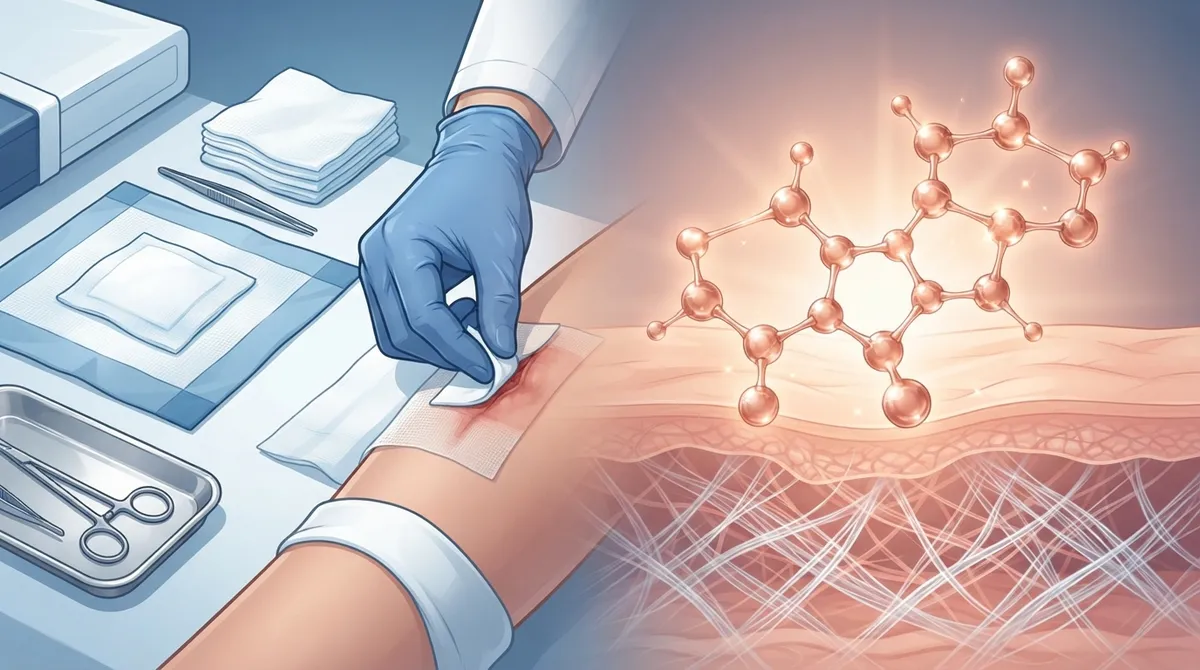
Wound healing matters more than most people realize. A slow-healing cut or stubborn scar can affect your confidence and daily life. Many wellness seekers now ask about GHK-Cu healing acceleration as an option alongside standard wound care. But does this copper peptide really speed up recovery, or is it just another wellness trend?
This article breaks down what GHK-Cu is, how it compares to standard wound care, and what the research actually shows. Whether you are a busy parent dealing with a child's scrape, a fitness-focused millennial recovering from a minor injury, or someone exploring advanced skin repair options, understanding the science behind GHK-Cu healing acceleration can help you make smarter health decisions. At InCare, our team stays current on emerging wellness treatments so patients in Tampa and Riverview get accurate, honest guidance.
What Is GHK-Cu and Why Does It Matter for Healing?
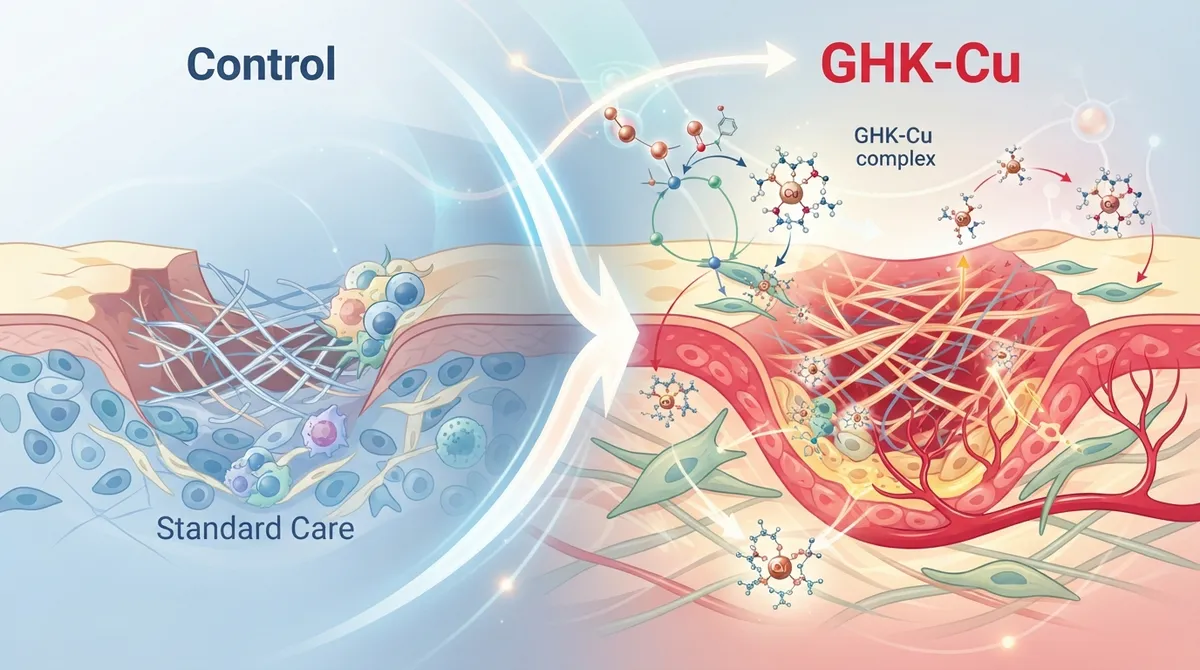
GHK-Cu stands for glycyl-L-histidyl-L-lysine copper. It is a small peptide that binds to copper. Your body actually makes this peptide naturally. It exists in your blood plasma, saliva, and urine.
As you age, GHK-Cu levels drop. Researchers believe this decline may be linked to slower healing and less collagen production over time. This is why some wellness clinics and skincare brands have started using GHK-Cu in topical treatments aimed at skin repair and rejuvenation.
The peptide's main claim to fame in wellness circles is its potential to support:
- Collagen production in skin tissue
- Faster wound closure in lab and animal studies
- Reduced inflammation during the healing process
- New blood vessel growth (angiogenesis) near injury sites
- Skin renewal and smoother texture over time
GHK-Cu vs. Standard Wound Care: A Direct Comparison
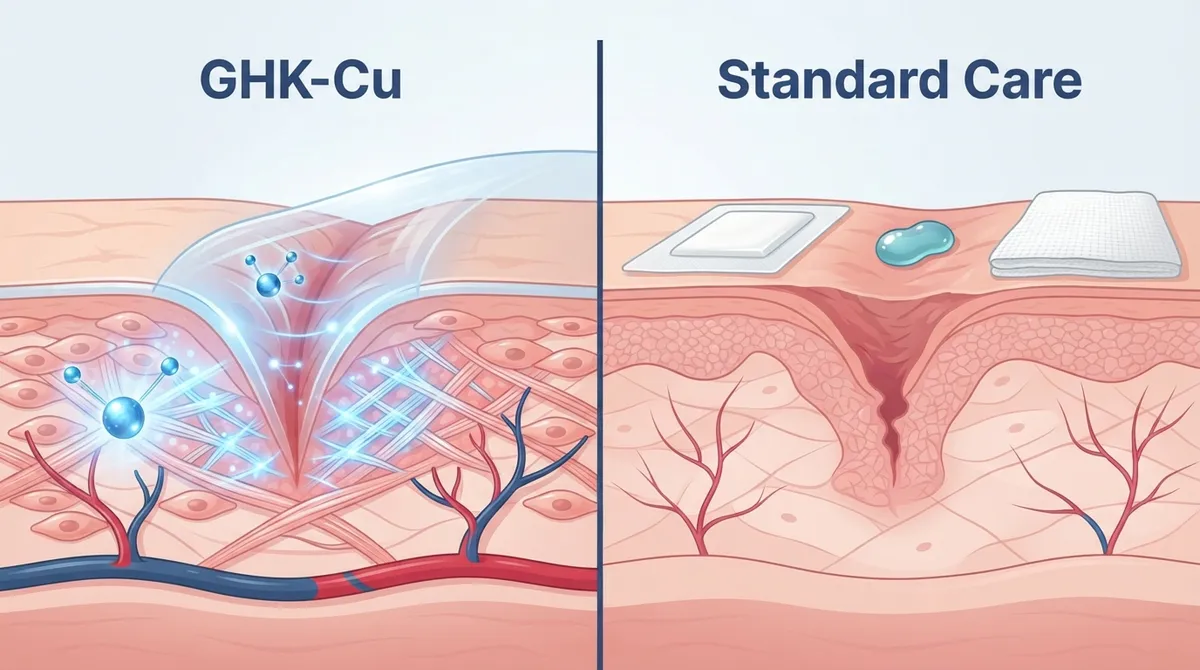
Standard wound care includes cleaning, dressing changes, and sometimes prescription treatments. It has decades of clinical backing. GHK-Cu, on the other hand, is newer to mainstream wellness use. Here is how they stack up.
|
Factor |
Standard Wound Care |
GHK-Cu Topical Treatment |
|---|---|---|
|
Clinical Guidelines |
Recommended by major wound-care standards |
Not listed as standard therapy |
|
Evidence Base |
Extensive, decades of data |
Growing, but still limited in humans |
|
Typical Use |
Cleaning, dressings, antibiotics if needed |
Topical gels, serums, or creams |
|
Collagen Support |
Indirect, through healing process |
Reported direct stimulation in studies |
|
Regulatory Status |
FDA-cleared products widely available |
Not FDA-approved for wound healing |
|
Best Use Case |
Moderate to severe wounds, infections |
Minor skin repair, cosmetic support |
This comparison shows that GHK-Cu is not meant to replace standard care. Instead, it may work as a complementary option for minor skin concerns. Anyone with a serious wound should always seek proper urgent care or primary care evaluation first.
What Does the Research Actually Show?
Let's look at real numbers from published studies. This helps separate hype from fact.
- A 2018 review found that 70% of women using topical GHK-Cu saw improved collagen production over 12 weeks. This compared to 50% for vitamin C cream and 40% for retinoic acid.
- A human trial on diabetic ulcers reported 98.5% wound closure with GHK-Cu, compared to 60.8% with a vehicle control. That is roughly three times faster healing.
- Standardized dermal injury models found wound closure rates improved by 30% to 41% compared to controls.
- A 2026 clinical study is currently testing whether topical GHK-Cu gel can safely speed healing of small, standardized skin wounds in healthy adults.
These numbers sound promising. But it is worth noting that the 2018 review is now more than seven years old. Much of the human evidence base remains limited. Researchers agree that more large-scale studies are needed before GHK-Cu becomes a mainstream medical recommendation.
How GHK-Cu Works Inside the Body
GHK-Cu appears to act on several biological pathways at once. This is part of why researchers find it interesting.
Collagen and Tissue Remodeling
Collagen is the protein that gives skin its structure. GHK-Cu may help stimulate the cells that produce collagen, called fibroblasts. This could explain why some studies show improved skin texture and wound closure.
Reducing Inflammation
Chronic inflammation can slow healing. Some research suggests GHK-Cu helps modulate inflammatory responses. This may allow the body to move into the repair phase more efficiently.
Supporting Blood Vessel Growth
New blood vessels bring oxygen and nutrients to healing tissue. Studies suggest GHK-Cu may support this process, known as angiogenesis, which is critical for wound recovery.
Who Might Consider GHK-Cu Skin Treatments?
GHK-Cu products are most commonly used topically for cosmetic and minor skin repair purposes. Here are groups who often ask about it:
- Adults interested in proactive skin aging prevention
- People recovering from minor cosmetic procedures
- Individuals looking to improve the appearance of old scars
- Wellness-focused patients exploring advanced skincare options
- Those already using other peptide therapy treatments as part of a broader wellness plan
It is important to understand that GHK-Cu is not a cure for chronic wounds or serious skin conditions. Anyone with an open wound, infection, or non-healing sore should see a licensed provider promptly.
Safety Considerations You Should Know
Topical GHK-Cu is generally considered safe for most adults when used as directed. However, injectable or compounded versions are less studied and more controversial. Here is what to keep in mind before trying any GHK-Cu product.
- Always patch test new skincare products, including those with GHK-Cu, on a small area first.
- Avoid using GHK-Cu on open wounds without medical guidance.
- Pregnant or breastfeeding individuals should consult a doctor before use.
- People with copper sensitivities or metal allergies should proceed carefully.
- Injectable GHK-Cu is not FDA-approved and carries more uncertainty than topical forms.
- Always buy from reputable sources to avoid contaminated or mislabeled products.
Major clinical wound-care guidelines do not currently list GHK-Cu as a standard recommended therapy. This does not mean it has no value. It simply means the evidence is still developing, and it should not replace proven medical treatments for serious wounds.
GHK-Cu vs. Other Common Skin Repair Ingredients
Many patients want to know how GHK-Cu stacks up against ingredients they already use, like vitamin C or retinoids. Here is a quick side-by-side look based on the cited 2018 study data.
|
Ingredient |
Collagen Improvement Rate |
Common Use |
|---|---|---|
|
GHK-Cu |
70% of participants improved |
Skin repair, anti-aging, wound support |
|
Vitamin C Cream |
50% of participants improved |
Brightening, antioxidant support |
|
Retinoic Acid |
40% of participants improved |
Wrinkle reduction, cell turnover |
While these numbers favor GHK-Cu, remember this data comes from a single study population. Individual results vary based on skin type, age, and overall health. A personalized approach, guided by a qualified provider, is always the safest path forward.
How InCare Approaches Advanced Wellness and Skin Health
At InCare, we believe in combining proven medical care with emerging wellness science. Our providers, including those featured on our providers page, take time to discuss realistic expectations for treatments like GHK-Cu. We never overpromise results that research cannot yet support.
Patients interested in whole-body optimization often pair skin and wound-healing discussions with other services, such as DNA gene testing to understand personal health predispositions, or IV hydration and vitamin drips to support overall recovery and energy. Our cancer screening services also help patients stay proactive about long-term skin and health monitoring.
For families managing everyday cuts, scrapes, or minor injuries, our primary care team is available in both Tampa and Riverview. We also offer urgent care for injuries that need immediate attention rather than a wellness-focused approach.
Questions to Ask Before Trying GHK-Cu Products
Before adding any new peptide product to your routine, consider asking these questions:
- Is this product third-party tested for purity?
- What concentration of GHK-Cu does it contain?
- Has my provider reviewed my skin history and current medications?
- Am I using this for cosmetic support or actual wound treatment?
- What realistic timeline should I expect for visible results?
Bringing these questions to a trusted provider ensures you get honest, evidence-based advice rather than marketing claims.
The Bottom Line on GHK-Cu Healing Acceleration
GHK-Cu shows real promise in early and preclinical research. Numbers like 98.5% wound closure in diabetic ulcer studies and improved collagen production are encouraging. But GHK-Cu is not a replacement for standard wound care, especially for serious injuries or chronic wounds.
For most people, GHK-Cu works best as a complementary topical option for minor skin repair and cosmetic goals. Anyone dealing with a wound that will not heal, shows signs of infection, or affects daily function should seek proper medical evaluation right away.
Our team stays connected with patients through Facebook, Instagram, and Tik Tok, sharing wellness updates and answering common questions from our community in Tampa and Riverview.
Ready to Talk About Your Skin and Wound Care Options?
Whether you are curious about GHK-Cu, need help managing a slow-healing wound, or simply want a comprehensive wellness checkup, InCare is here to help. Our locations in Tampa and Riverview offer personalized care backed by real science, not just trends.
You can also visit us on Google — InCare to read reviews from patients who trust our team with their primary care and wellness needs. Many patients specifically mention our office manager and providers for their attentive, honest approach to care.
Ready to get answers tailored to your health? Schedule your appointment today and start your path toward better skin health and whole-body wellness.
FAQs
Q: What is GHK-Cu used for in wound healing?
A: GHK-Cu is a copper peptide studied for its potential to support collagen production, reduce inflammation, and speed tissue repair. It is most often used topically for minor skin repair and cosmetic rejuvenation rather than serious wound treatment.
Q: Does GHK-Cu really accelerate healing?
A: Some studies show promising results, including faster wound closure rates in lab and small clinical settings. However, most major wound-care guidelines do not yet list GHK-Cu as a standard recommended therapy, so more research is needed.
Q: Is GHK-Cu safe for topical use?
A: Topical GHK-Cu is generally considered safe for most adults when used as directed and after a patch test. Injectable or compounded forms are less studied and carry more uncertainty, so medical guidance is recommended before use.
Q: Can GHK-Cu help with scars or skin repair?
A: Research suggests GHK-Cu may support collagen synthesis and skin renewal, which could improve the appearance of certain scars over time. Results vary by individual, and realistic expectations should be discussed with a provider.
Q: Is GHK-Cu approved by the FDA for wound healing?
A: No, GHK-Cu is not currently FDA-approved as a standard wound-healing treatment. It remains an area of ongoing research, and patients should treat it as a complementary option rather than a replacement for proven medical care.