Key Takeaways
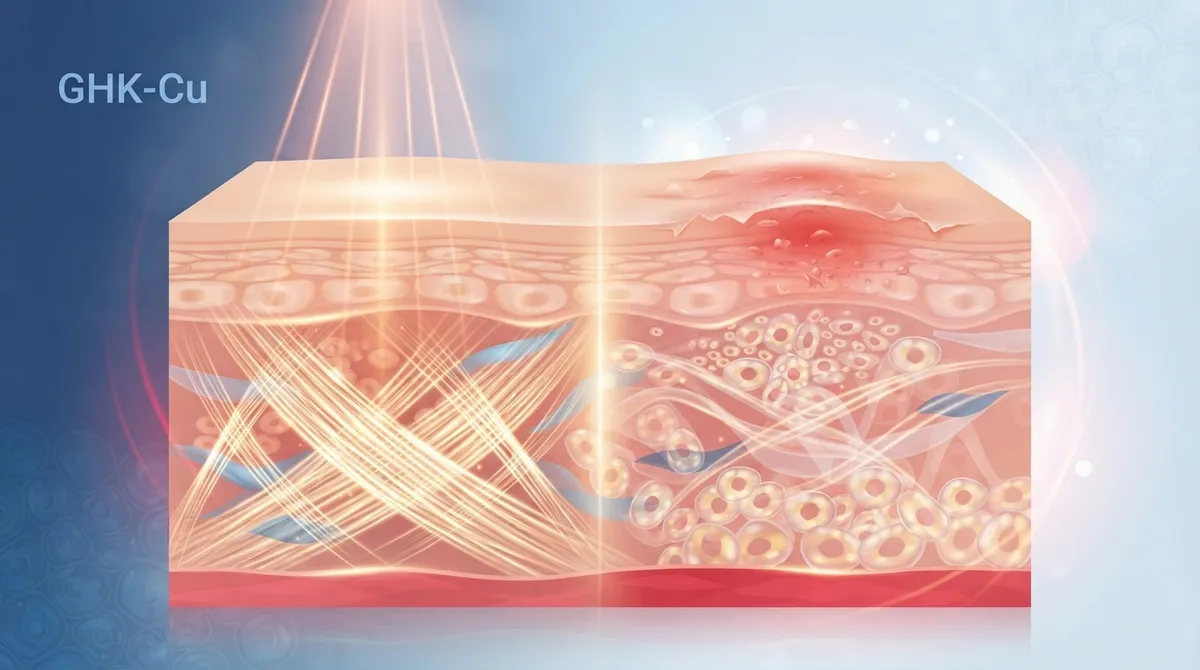
- GHK-Cu is a copper-binding peptide that naturally declines with age and works by stimulating fibroblasts to produce collagen, elastin, and moisture-retaining compounds at a deeper cellular level rather than just exfoliating the surface.
- In a 12-week clinical comparison, 70% of women using GHK-Cu cream showed improved collagen production versus 50% for vitamin C and 40% for retinoic acid, suggesting it may deliver better results with gentler effects.
- GHK-Cu is generally well-tolerated topically with minimal side effects, making it a superior option for sensitive skin compared to retinol, which commonly causes redness, peeling, and dryness in early use.
- Choose GHK-Cu for firmness and collagen support at 3-5% concentration, or retinol for acne and texture concerns—they work differently and are not interchangeable despite similar claims about skin improvement.
- Most GHK-Cu research comes from smaller cosmetic studies published between 2005-2015; large-scale long-term trials remain limited, so it is best viewed as a cosmetic skin-support ingredient rather than a proven medical treatment.
- Pair topical GHK-Cu with broader wellness practices like hydration, nutrition optimization, and genetic testing to address skin aging holistically, since dermal health depends on overall body wellness, not skincare products alone.
Skin aging worries almost everyone at some point. Fine lines show up. Skin loses its bounce. Many people turn to skincare aisles looking for answers. Two ingredients keep coming up in conversations about dermal health: GHK-Cu and retinol. Both claim to support collagen and smooth skin texture, but they work in very different ways. If you are trying to decide which one fits your wellness routine, understanding the science behind each option matters.
At InCare, we look at skin health as part of whole-body wellness, not just a cosmetic concern. Patients in Tampa and Riverview often ask about copper peptides during visits focused on hair restoration or general wellness optimization. This guide breaks down what GHK-Cu is, how it compares to retinol, and what the current research actually supports for dermal health.
What Is GHK-Cu and Why Does It Matter for Skin?
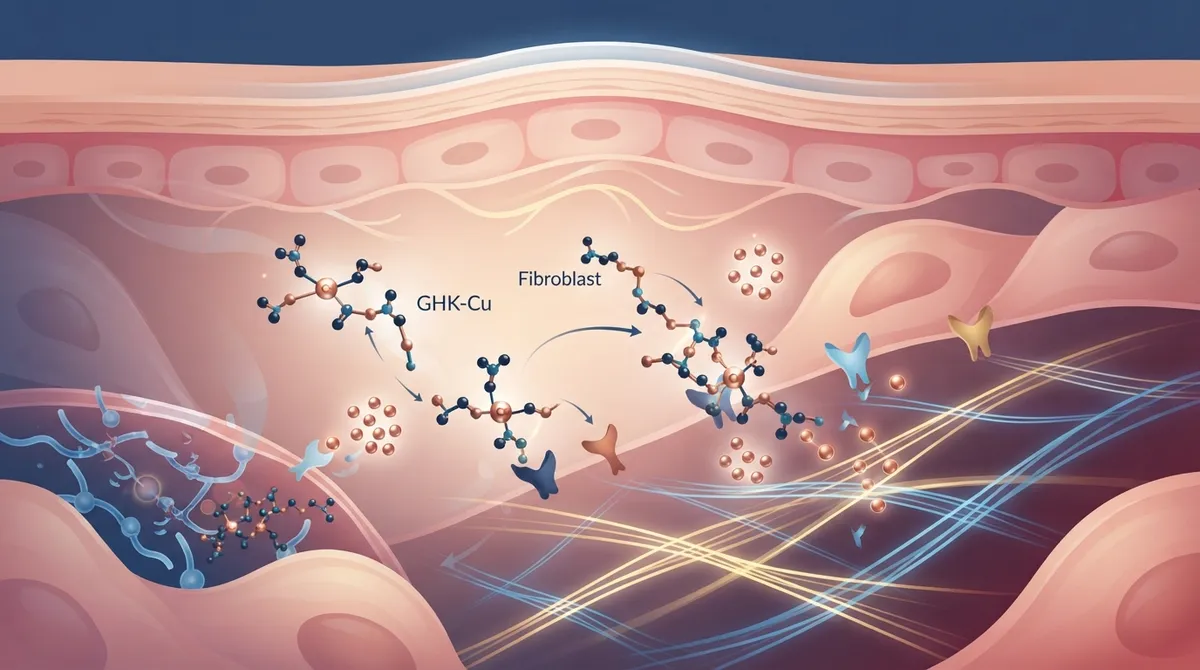
GHK-Cu stands for glycyl-L-histidyl-L-lysine copper. It is a small peptide that binds to copper. Scientists first found it naturally in human blood plasma decades ago. Since then, researchers have studied it closely for its role in skin repair and tissue support.
As people age, natural GHK-Cu levels in the body drop. This decline lines up with slower wound healing and thinner skin. That connection is part of why cosmetic scientists became interested in adding GHK-Cu to topical products. The goal is to support the skin's own repair systems rather than mask problems on the surface.
How GHK-Cu Works on a Cellular Level
Research published in peer-reviewed journals describes GHK-Cu as a peptide that supports dermal fibroblasts. Fibroblasts are cells that produce collagen, elastin, and glycosaminoglycans. These three components give skin its structure, firmness, and ability to retain moisture.
When fibroblast activity increases, skin often looks firmer and smoother over time. This is different from ingredients that simply exfoliate the top skin layer. GHK-Cu is thought to work at a deeper level, encouraging the skin to rebuild its own support structure.
GHK-Cu vs. Retinol: A Direct Comparison
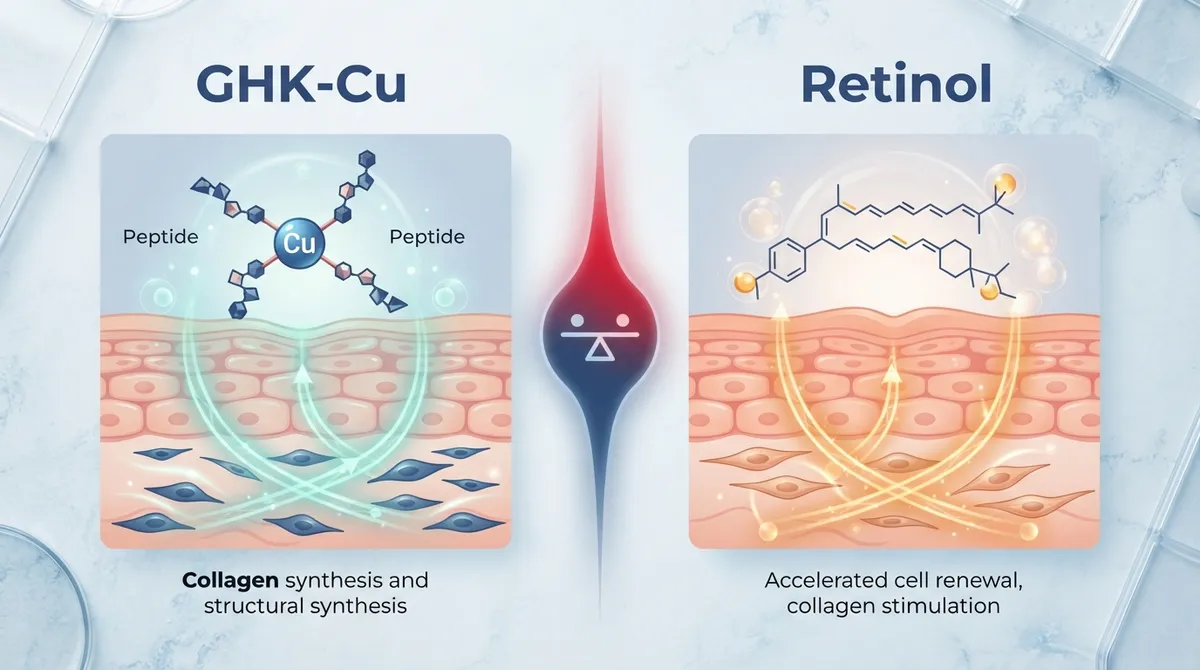
Retinol has a longer track record in dermatology and is backed by decades of clinical data. GHK-Cu is newer to mainstream skincare but has its own body of supporting research. Here is how the two compare across key factors.
|
Factor |
GHK-Cu |
Retinol |
|---|---|---|
|
Primary Mechanism |
Supports fibroblast activity and collagen synthesis |
Speeds cell turnover, unclogs pores |
|
Common Concentration |
Approximately 3%-5% in topical formulas |
0.01% to 1% depending on strength |
|
Skin Irritation Risk |
Generally low in cosmetic-dose studies |
Can cause redness, peeling, dryness |
|
Typical Study Duration |
12 weeks in several published trials |
Often 12 to 24 weeks |
|
Best For |
Firmness, clarity, gentle collagen support |
Fine lines, texture, acne-related concerns |
One frequently cited 12-week study compared GHK-Cu cream against vitamin C cream and retinoic acid cream. Collagen production improved in 70% of women using the GHK-Cu formula. The vitamin C group showed improvement in 50% of participants, while the retinoic acid group came in at 40%. These numbers suggest GHK-Cu may offer a gentler path to similar or better results, though more large-scale trials are needed to confirm this pattern.
Key Benefits Associated With GHK-Cu for Dermal Health
Topical GHK-Cu has been studied mainly for cosmetic and skin-repair purposes. Based on published research, several benefits are commonly reported.
- Collagen and elastin support: GHK-Cu encourages fibroblasts to produce more of these structural proteins.
- Improved skin firmness: Users in clinical studies often report tighter, more elastic skin after consistent use.
- Reduced appearance of fine lines: Some photoaging studies note smoother texture after 12 weeks of use.
- Better skin clarity: Reports describe more even tone and reduced visible imperfections.
- Increased skin density: Higher density is linked to a more youthful, resilient look.
- Support for wound healing: Early research points to a possible role in tissue repair, though this area needs more human trials.
It is important to note that most of this evidence comes from smaller cosmetic studies rather than large, randomized clinical trials. A 2025 secondary-source summary referenced a meta-analysis covering 7 randomized controlled trials and about 456 participants, but this scope should be verified before it is used in formal medical guidance.
Is GHK-Cu Safe for Topical Use?
Available research summaries suggest that topical GHK-Cu is generally well tolerated. Most cosmetic-dose studies report no major safety concerns. This makes it an appealing option for people who find retinol too harsh on sensitive skin.
However, safety data becomes less clear once you move beyond topical cosmetic use. Systemic or injectable applications of GHK-Cu have far less established research behind them. Anyone considering these routes should talk with a licensed provider first, rather than relying on unregulated products.
Common Side Effects to Watch For
While cosmetic-dose GHK-Cu is considered low-risk, some people may still experience mild reactions. Being aware of these signs helps you use any new product safely.
- Mild redness at the application site
- Slight itching or tingling during initial use
- Rare allergic sensitivity to copper compounds
- Dryness if paired with other active ingredients
- Temporary discoloration in very sensitive skin types
If any of these symptoms persist or worsen, stop use and consult a healthcare provider. A quick conversation with your primary care team can help rule out unrelated skin conditions.
How to Choose Between GHK-Cu and Retinol for Your Skin Goals
The right choice depends on your skin type, tolerance, and specific goals. Follow these steps to make a more informed decision.
- Identify your main concern: firmness and collagen support point toward GHK-Cu, while texture and acne point toward retinol.
- Consider your skin sensitivity: retinol can cause more irritation, especially in the first few weeks.
- Check product concentration: GHK-Cu formulas often sit around 3%-5%, while retinol strength varies widely.
- Review your current routine: avoid stacking too many active ingredients at once.
- Set realistic expectations: most studies track results over 12 weeks, not days.
- Talk to a wellness provider: a quick consult can help you avoid product conflicts or unnecessary spending.
GHK-Cu Within a Whole-Body Wellness Plan
Skin health rarely exists in isolation. Nutrition, hormone balance, hydration, and even genetics all play a role in how skin ages. This is why many patients pair topical skin support with broader wellness services rather than treating skin as a separate issue.
At InCare, patients exploring dermal health often start with a wider look at their health picture. Services like DNA gene testing can reveal genetic factors tied to collagen production and skin aging. IV hydration and vitamin drips support skin from the inside by replenishing nutrients that topical products cannot reach. For patients also focused on weight loss or metabolic health, skin elasticity is often part of the larger conversation about body composition changes.
Why Prevention-Focused Care Matters
Waiting until skin damage is visible often means starting from a harder place. Preventive checkups, cancer screening, and routine wellness visits help catch changes early. A provider who understands your full health history can offer better guidance on what skincare ingredients might actually help you, rather than just following trends.
This is especially true for patients managing chronic conditions or taking medications that affect skin healing. A coordinated approach between primary care and wellness services tends to produce better long-term outcomes than treating skin concerns alone. Learn more about how coordinated care compares to fragmented care when it comes to lasting results.
What the Research Still Cannot Confirm
Despite promising results, GHK-Cu research has real limits. Most published human trials on topical use come from a specific window between 2005 and 2015. Newer studies exist, but large-scale, long-term randomized trials remain limited compared to ingredients like retinol.
For this reason, GHK-Cu is best understood as a cosmetic or adjunctive skin-support ingredient. It is not currently positioned as a proven medical treatment for any skin disease. Anyone with a diagnosed skin condition should still see a qualified provider rather than relying on skincare products alone.
Questions to Ask Before Trying GHK-Cu Products
Before adding any new peptide-based product to your routine, a few questions can help guide a smarter decision.
- What concentration of GHK-Cu is used in this product?
- Has the formula been tested in a published clinical study?
- Are there other active ingredients that might interact poorly?
- How long should I expect to use it before seeing results?
- Does my skin type or medical history make this a poor fit?
A short conversation with a wellness provider can answer most of these questions quickly, saving you time and money on products that may not suit your skin.
Making an Informed Choice for Long-Term Dermal Health
Both GHK-Cu and retinol have a place in modern skincare, but they are not interchangeable. GHK-Cu tends to be gentler and better suited for people focused on firmness and collagen support. Retinol remains a strong option for texture and acne-related concerns, though it carries a higher chance of irritation.
Choosing between them does not have to be a guessing game. Providers who understand both dermal science and whole-body health can help match the right approach to your specific needs. Many patients find that a combined strategy, using each ingredient at different times, works better than picking just one.
InCare patients in Tampa and Riverview have shared their experiences on Facebook and Instagram, and you can also follow wellness tips on TikTok. For a closer look at how other patients rate their experience, you can also visit us on Google — InCare to read recent reviews before your first visit.
Bringing GHK-Cu Questions to a Trusted Provider
Skincare decisions work best when they are part of a bigger health conversation. A provider who knows your history can tell you whether GHK-Cu, retinol, or another approach fits your goals and your budget. This is especially useful if you are also managing weight, hormone changes, or genetic risk factors that affect skin health.
InCare's team in Tampa and Riverview combines dermal health guidance with services like body composition analysis and metabolic breath analysis to give patients a fuller picture of their wellness. Rather than guessing which product works, you get guidance based on your actual health data.
If you are ready to talk through your skin and wellness goals with a knowledgeable team, you can get in touch with our team today, or go ahead and schedule your visit now to start building a plan that fits your skin and your overall health.
FAQs
Q: What is GHK-Cu used for in skincare?
A: GHK-Cu is a copper-binding peptide used in topical products to support collagen, elastin, and glycosaminoglycan production. It is commonly included in serums and creams aimed at improving skin firmness and clarity.
Q: Does GHK-Cu help with wrinkles and fine lines?
A: Several published studies report reduced fine lines and improved skin texture after consistent topical use, often over a 12-week period. Results vary by individual and formula strength.
Q: How does GHK-Cu compare with retinol or vitamin C?
A: A 12-week study found 70% of women using GHK-Cu cream saw improved collagen production, compared with 50% for vitamin C and 40% for retinoic acid. GHK-Cu is also generally associated with less irritation than retinol.
Q: Is GHK-Cu safe for topical use?
A: Cosmetic-dose studies report GHK-Cu as generally well tolerated with no major safety concerns. Systemic or injectable use has far less research behind it, so topical application remains the better-supported option.
Q: What concentration of GHK-Cu is used in skin products?
A: Many topical formulas use concentrations in the approximate 3% to 5% range, though this is not a fixed industry standard. Checking product labels and consulting a provider can help confirm the right strength for your skin.