
Key Takeaways
- Stop using GHK-Cu products as soon as you confirm pregnancy and schedule a visit with your OB-GYN to discuss safer alternatives for your specific skin concerns during this critical period.
- Zero published human pregnancy trials and zero formal animal reproductive studies exist for GHK-Cu, making it impossible for providers to confirm safety regardless of topical application method.
- Start discontinuing GHK-Cu once you begin trying to conceive rather than waiting for a positive pregnancy test, since no established washout period exists and early cessation removes unnecessary risk during implantation.
- GHK-Cu lacks the reassuring safety track record of ingredients like hyaluronic acid and vitamin C, placing it in an unclear middle zone that requires direct clinician consultation before use.
- Copper's essentiality as a prenatal nutrient does not prove GHK-Cu products are safe; dietary copper and synthetic copper-peptide cosmetics have different absorption patterns and risk profiles.
- Avoid GHK-Cu during breastfeeding as well, since topical chest applications could theoretically transfer to nursing infants through direct contact or breast milk without published lactation safety data.
Copper peptide serums fill skincare shelves and wellness clinics with big promises. Anti-aging results. Faster healing. Smoother skin. But if you are pregnant, trying to conceive, or breastfeeding, the question changes. It is no longer about results. It is about safety. This article compares what we know about GHK-Cu against what pregnancy demands, so you can make an informed choice with your healthcare provider.
GHK-Cu, also called copper tripeptide-1, is a small peptide naturally found in the body. It shows up in skincare creams, wound-care products, and some wellness treatments. It is popular because it may support skin repair and collagen production. But popularity is not the same as proven safety, especially during pregnancy. At InCare, our providers in Tampa and Riverview often field questions about peptides, skincare actives, and what is safe during major life stages like pregnancy. This guide breaks down the current evidence so you can weigh GHK-Cu against pregnancy safety with clear eyes.
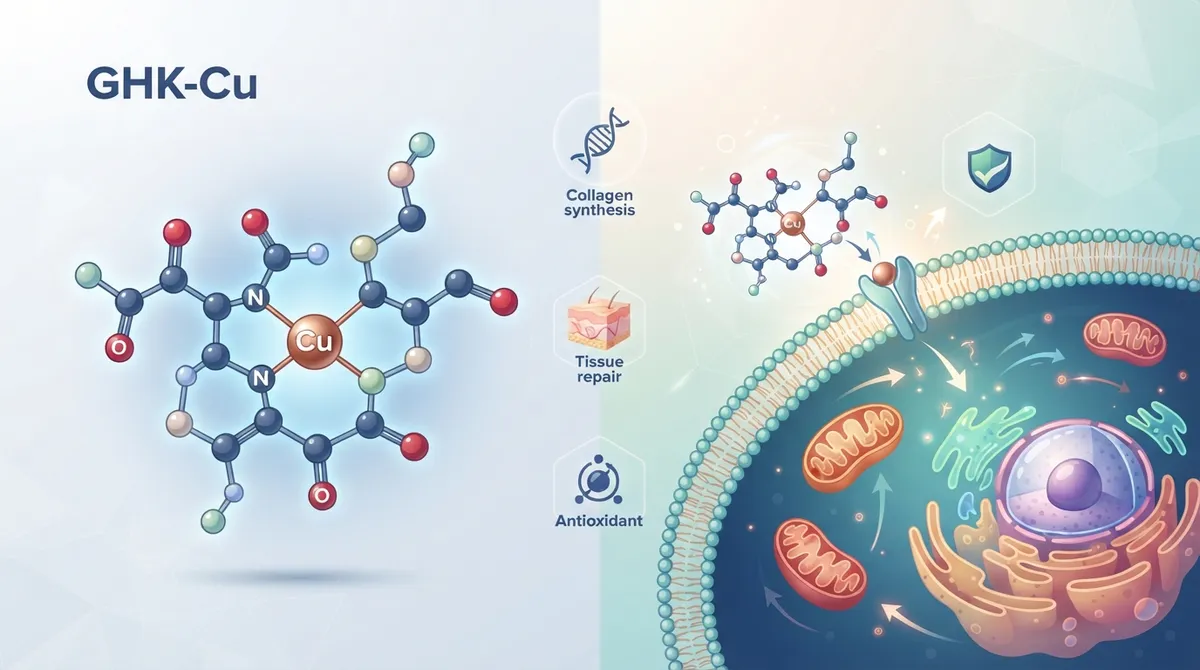
What Is GHK-Cu and Why Is It Popular in Wellness?
GHK-Cu is a copper-binding peptide made of three amino acids: glycine, histidine, and lysine. It occurs naturally in human plasma, saliva, and urine. Levels tend to drop as we age, which is part of why researchers became interested in it for skin health.
In wellness and skincare settings, GHK-Cu is used for:
- Supporting skin repair after minor injury or irritation
- Reducing the look of fine lines and wrinkles
- Promoting a firmer, more even skin texture
- Supporting wound-healing routines under professional guidance
- General anti-aging skincare regimens
These uses are common in cosmetic and topical wellness products. But none of these studies were designed to test pregnancy safety. That distinction matters a lot once you are expecting or nursing.
GHK-Cu vs. Pregnancy: What the Evidence Actually Shows
This is the core comparison. On one side, you have a peptide ingredient with interesting skin benefits. On the other, you have the unique safety demands of pregnancy. Here is how they stack up.
|
Factor |
GHK-Cu Evidence |
Pregnancy Safety Standard |
|---|---|---|
|
Human pregnancy trials |
Zero published trials identified in 2026 evidence review |
Requires documented safety data before recommending use |
|
Animal reproductive studies |
Zero formal studies identified |
Typically required to rule out fetal risk |
|
Topical absorption data |
Not well established for pregnant skin |
Systemic exposure risk must be understood |
|
Regulatory opinion |
2021 SCCS noted no specific risk at concentrations ≤1%, but stressed absence of evidence is not evidence of absence |
Precaution is favored when data is incomplete |
|
Clinical guidance |
Generally advises stopping use during pregnancy and breastfeeding |
Matches standard precautionary approach for active ingredients |
The takeaway is simple. GHK-Cu has decent cosmetic research behind it. It does not have pregnancy research behind it. Those are two very different things, and the gap between them is exactly why caution is the current standard.
Why Zero Human Studies Matters More Than You Think
A 2026 literature review found zero peer-reviewed human studies on topical copper peptide use during pregnancy or lactation. That is not a small gap. It means no researcher has followed pregnant women using GHK-Cu to track outcomes for the baby or the mother.
Without that data, providers cannot say GHK-Cu is safe. They also cannot say it is dangerous. This uncertainty is the reason most primary care and wellness guidance leans toward avoiding non-essential use during pregnancy. It is not a warning based on proven harm. It is a warning based on proven silence in the research.
Topical Use vs. Systemic Exposure: Does It Change the Comparison?
Many patients ask if a topical cream is safer than an injectable or oral form. In general, topical products absorb less into the bloodstream than injections. This is true for many skincare ingredients.
But for GHK-Cu specifically, pregnancy-related systemic absorption data is not well established. We do not have solid numbers showing exactly how much crosses into the bloodstream during pregnancy, when skin and circulation change. This makes it hard to say topical use is automatically low-risk. The honest answer is that we simply do not know enough yet.
Copper Is Essential in Pregnancy. Does That Make GHK-Cu Safe?
This is a common point of confusion. Copper is an essential mineral during pregnancy. It supports fetal development, connective tissue, and enzyme function. Prenatal vitamins often include it in small, controlled amounts.
However, dietary copper and a synthetic copper-peptide skincare product are not the same thing. One is a nutrient consumed in food or a regulated supplement. The other is an active cosmetic or wellness ingredient with different absorption patterns and no pregnancy-specific safety trials. Needing copper as a nutrient does not prove that GHK-Cu products are proven safe for pregnant people.
Step-by-Step: What To Do If You Are Using GHK-Cu and Become Pregnant
- Stop using the product as soon as you confirm pregnancy, unless your doctor advises otherwise.
- Write down the exact product name and concentration for your medical records.
- Schedule a visit with your OB-GYN or primary care provider to discuss your skincare and wellness routine.
- Ask about safer alternatives for your specific skin concern during pregnancy.
- Review all other active ingredients you use, including retinoids, acids, and peptides.
- Set a reminder to revisit the topic after delivery if you plan to breastfeed.
- Keep your provider updated on any new products you consider adding later.
Following these steps helps you make a clear-headed decision instead of guessing. A short pause in your routine is a small trade-off for peace of mind.
GHK-Cu vs. Other Skincare Actives: A Pregnancy Safety Snapshot
It helps to see GHK-Cu next to other common active ingredients people ask about during pregnancy.
|
Ingredient |
Pregnancy Status |
Typical Guidance |
|---|---|---|
|
Retinoids (retinol, tretinoin) |
Linked to birth defect concerns in high doses |
Avoid during pregnancy |
|
GHK-Cu (copper peptide) |
No pregnancy trials, no known washout period |
Avoid non-essential use; consult your provider |
|
Hyaluronic acid |
Generally considered low concern |
Often allowed with provider approval |
|
Salicylic acid (topical, low dose) |
Low-dose topical often considered lower risk |
Discuss concentration with your provider |
|
Vitamin C (topical) |
Generally considered low concern |
Often allowed with provider approval |
Notice that GHK-Cu sits in an unclear middle zone. It is not flagged as dangerous like high-dose retinoids. But it also lacks the reassuring track record of ingredients like hyaluronic acid. That uncertain zone is exactly why a conversation with a clinician matters more than a quick online search.
Is Copper Peptide Better Than Retinol During Pregnancy?
Some patients ask if switching from retinol to a copper peptide serum is a safer swap during pregnancy. The honest comparison looks like this:
- Retinol has documented concerns tied to high systemic doses affecting fetal development.
- GHK-Cu has no documented pregnancy harm, but also no documented pregnancy safety.
- Neither ingredient currently has a research-backed "green light" for pregnancy use.
- Both are typically recommended to be paused during pregnancy as a precaution.
So while GHK-Cu may seem like the gentler option, "less studied" is not the same as "proven safer." The best move is choosing pregnancy-friendly alternatives your provider has already reviewed, rather than assuming one unproven ingredient beats another.
Fertility and Preconception: Should You Stop GHK-Cu Early?
If you are actively trying to conceive, timing matters. Current sources report there is no established evidence-based washout period for GHK-Cu before pregnancy. That means no one has proven exactly how many days or weeks you should stop before trying to conceive.
Given this gap, many clinicians recommend stopping GHK-Cu once you begin trying to conceive rather than waiting for a positive test. This approach removes the ingredient from your system well before implantation and early fetal development begin. It is a simple precaution that avoids unnecessary risk during a critical window.
Breastfeeding and GHK-Cu: A Separate but Related Concern
Breastfeeding introduces its own safety questions. Topical products applied to the chest or nearby skin could theoretically transfer to a nursing infant through direct contact or, in smaller amounts, through breast milk.
Because there is no published research on GHK-Cu during lactation, the same precautionary guidance applies here too. Most sources recommend avoiding GHK-Cu while breastfeeding until more data becomes available. If you already stopped during pregnancy, it is reasonable to continue that pause through your breastfeeding period as well.
Common Skincare Ingredients To Avoid While Pregnant
GHK-Cu is just one ingredient on a longer list patients should review with their provider. Common ones flagged for caution include:
- High-dose retinoids and retinol products
- Hydroquinone for skin lightening
- High-concentration salicylic acid, especially oral or chemical peel strength
- Certain essential oils in concentrated form
- Unregulated peptide blends without clear ingredient disclosure
- GHK-Cu and other copper peptide products, pending more research
This list is not exhaustive. Every pregnancy is different, and some patients have skin conditions that require ongoing treatment. That is exactly why a personalized conversation beats a generic online list.
Do Doctors Recommend GHK-Cu for Pregnant Patients?
In most cases, no. Clinicians generally do not recommend starting or continuing GHK-Cu for pregnant patients, because the evidence gap is too wide to support a confident yes. This does not mean the ingredient is proven harmful. It means providers prefer to wait for real data before giving it a green light.
If you have a specific medical reason for using a copper peptide product, such as post-surgical wound care, that conversation should happen directly with your OB-GYN and treating physician together. Decisions like this should never be made from a product label alone.
How InCare Approaches Peptides and Pregnancy Safety
At InCare, our providers in Tampa and Riverview take a whole-person approach to wellness, including peptide therapy and skincare guidance. We believe every patient deserves clear, evidence-based answers, not marketing claims. When it comes to pregnancy, our team prioritizes proven safety over trends.
If you are pregnant, trying to conceive, or breastfeeding and want to review your current skincare or wellness routine, our providers can walk through every product with you. This is also a good time to schedule a wellness visit to cover broader preconception or prenatal health topics beyond skincare. Many patients also use this visit to ask about DNA gene testing or general primary care needs during this life stage.
Questions To Ask Your Provider Before Using GHK-Cu Again
- Has new pregnancy or lactation research on GHK-Cu been published since my last visit?
- Is my specific skin concern urgent enough to consider any topical treatment now?
- Are there pregnancy-safe alternatives that address the same concern?
- Should I wait until after breastfeeding ends to restart GHK-Cu?
- Do I have any other health conditions that change this recommendation?
Bringing this list to your appointment helps you get direct answers instead of vague reassurances. It also shows your provider you are thinking carefully about your care, which supports a more detailed conversation.
Why Caution Beats Convenience Here
It is tempting to think a small amount of a trendy peptide cream cannot cause harm. But pregnancy is a time when the standard shifts from "probably fine" to "proven safe." With zero human pregnancy trials and zero formal animal reproductive studies on GHK-Cu, providers simply do not have the data to support routine use.
This is not about fear. It is about following the same careful standard used for any active ingredient during pregnancy. When in doubt, pause the product and ask a professional. That single step protects you and your baby without much sacrifice.
Bringing It All Together
GHK-Cu offers real benefits for skin health outside of pregnancy. But when compared directly against the safety demands of pregnancy, the evidence simply is not there yet. Zero human trials. Zero animal reproductive studies. No agreed-upon washout period. That combination points clearly toward caution, not convenience.
If you are pregnant, trying to conceive, or breastfeeding, treat GHK-Cu the same way you would treat any unproven active ingredient. Pause it, and let your care team guide your next step. For personalized guidance on peptides, skincare actives, or your broader wellness plan, our team welcomes your questions. You can also follow along with wellness tips on Facebook, Instagram, and TikTok for more evidence-based health content.
Ready to talk through your pregnancy skincare questions with a real provider? Reach out to our team today, or go ahead and book your appointment now at our Tampa or Riverview location. You can also visit us on Google — InCare to see what our patients say about their experience with our team.
FAQs
Q: Is GHK-Cu safe during pregnancy?
A: Current evidence does not confirm GHK-Cu is safe during pregnancy. No published human pregnancy trials exist, so most clinicians recommend avoiding non-essential use unless your provider says otherwise.
Q: Should I stop GHK-Cu when trying to conceive?
A: Yes, most guidance recommends stopping GHK-Cu once you start trying to conceive. There is no established washout period, so early discontinuation is the safer choice.
Q: Is GHK-Cu safe while breastfeeding?
A: There is no published research on GHK-Cu use during lactation. Because of this gap, most providers recommend avoiding it while breastfeeding as a precaution.
Q: Does GHK-Cu get absorbed through the skin?
A: Topical use may lead to lower systemic absorption than injections, but pregnancy-specific absorption data for GHK-Cu is not well established. This uncertainty supports a cautious approach.
Q: Is copper peptide better than retinol during pregnancy?
A: Neither ingredient has proven pregnancy safety. Retinol has documented concerns at high doses, while GHK-Cu simply lacks research. Both are typically avoided during pregnancy as a precaution.