
Key Takeaways
- Topical GHK-Cu has a favorable safety profile with only 5-10% of users experiencing mild reactions like redness or itching that resolve within days, making it the safer entry point compared to injectable forms.
- Injectable GHK-Cu carries moderate risk with 10-20% experiencing injection-site reactions and should only be used under medical supervision due to less established safety data compared to topical applications.
- True allergic reactions to GHK-Cu are uncommon, but hives, significant swelling, or breathing difficulty require immediate medical attention and warrant stopping use right away.
- Using non-standardized products, applying higher concentrations than recommended, and skipping patch tests significantly increase risk of adverse reactions; always choose medical-grade formulations from trusted providers.
- The blue-green skin tint from GHK-Cu is cosmetic rather than medical and results from copper content; it typically fades within days once use is reduced or discontinued.
- Pregnant or breastfeeding individuals, those with known copper sensitivities, and people on medications that interact with copper compounds should avoid GHK-Cu without prior healthcare provider consultation.
GHK-Cu has become one of the most talked-about copper peptides in skin and wellness clinics across Tampa and Riverview. Many patients ask about it after seeing it in serums, hearing about it from friends, or reading about it online. Before trying any product with this ingredient, it helps to understand what GHK-Cu side effects actually look like, how often they happen, and when they signal a bigger problem. This guide breaks down the real risks in plain language, backed by available research and clinical experience.
Whether you are considering a topical cream or discussing injectable options with a provider, safety should come first. At InCare, our providers help patients understand peptide therapies within a broader primary care and wellness plan, so decisions are based on facts, not trends. This article covers the most common reactions, rare risks, and questions patients bring to their appointments.
What Is GHK-Cu and Why Does It Matter for Wellness?
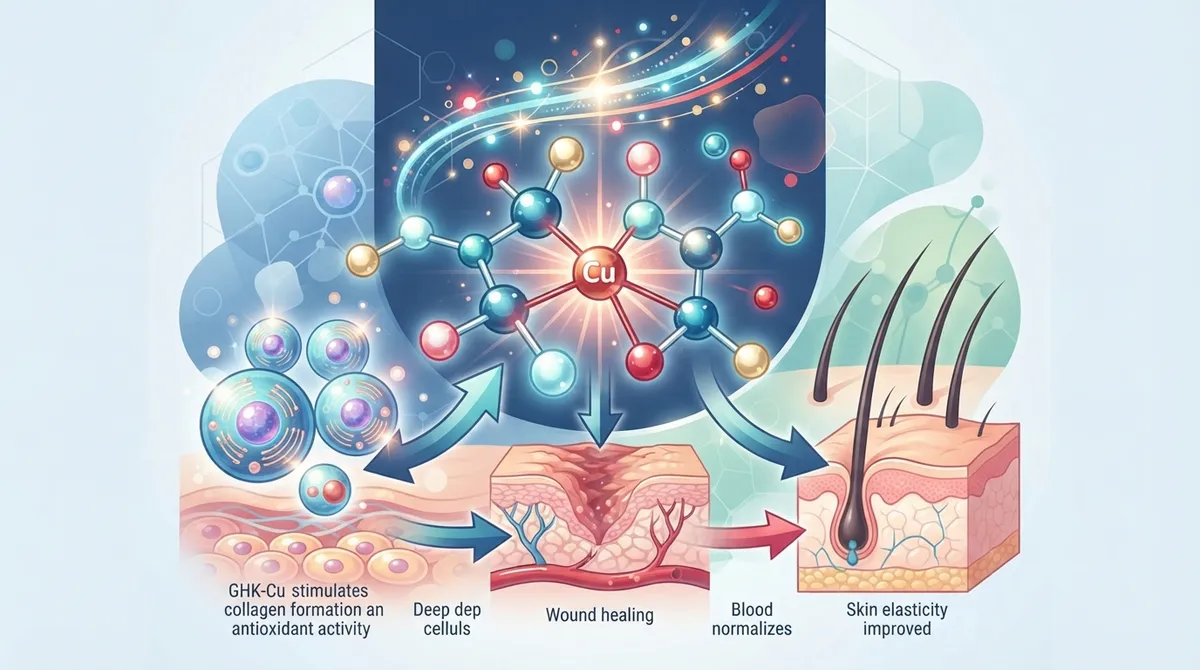
GHK-Cu is a naturally occurring copper peptide found in the human body. Levels of it drop as we age, which is part of why it shows up in skin creams, hair treatments, and some wellness protocols. It is studied for its role in skin repair, collagen support, and tissue healing.
Because it appears in so many product types, from lotions to injections, the side effect profile can look different depending on how it is used. Understanding the route of use is the first step to understanding the risk.
Common Forms of GHK-Cu Used Today
- Topical serums and creams applied directly to skin
- Hair growth solutions applied to the scalp
- Subcutaneous injections used in some wellness settings
- Nasal sprays, though less common and less studied
- Oral supplements, with limited absorption data
Most Common GHK-Cu Side Effects
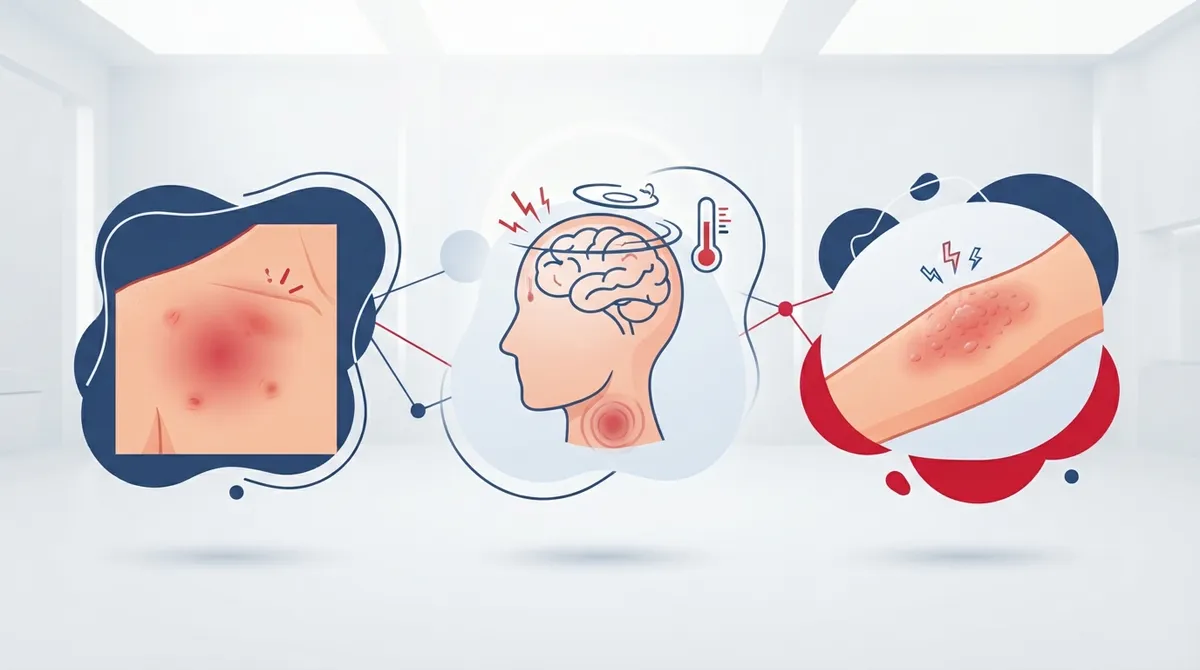
The good news is that most people who use GHK-Cu, especially in topical form, experience mild and short-lived reactions. Still, it helps to know what to expect so you are not caught off guard.
Topical Reactions
Topical GHK-Cu is generally described as low risk. Systemic toxicity is considered negligible when used on the skin as directed. That said, local skin reactions do happen for some users.
- Mild redness or stinging right after application
- Itching at the treated area
- Dryness or mild flaking in sensitive skin types
- Rare contact dermatitis with prolonged use
- Temporary blue-green skin tint with high concentrations
Published topical-formulation studies described local reactions in about 5 to 10 percent of participants, usually mild erythema or short-term itching. One source reported mild erythema in 5 to 8 percent of users and contact dermatitis in 3 to 5 percent of users, with formulations in the 0.5 to 2 mg/mL range. These numbers are helpful context, but they also show that most users do not experience any noticeable reaction at all.
Injectable and Subcutaneous Reactions
Injectable GHK-Cu is used less often and has a less robust safety record compared to topical products. When it is used, injection-site reactions are the most reported concern.
|
Side Effect |
Reported Frequency |
Typical Duration |
|---|---|---|
|
Redness at injection site |
10-20% of users |
1-3 days |
|
Swelling or tenderness |
10-20% of users |
1-2 days |
|
Mild pain at site |
2-8% of users |
Hours to 1 day |
|
Headache |
5-10% of users |
Several hours |
|
Lightheadedness |
3-8% of users |
Under 1 hour |
A compiled safety summary reported injection-site reactions in roughly 10 to 20 percent of users, typically mild and temporary. Another source described adverse events in 2 to 8 percent of users for pharmaceutical-grade GHK-Cu, with most events staying localized and short-lived. These figures suggest that while reactions are possible, severe outcomes remain uncommon.
Why Does GHK-Cu Cause a Blue-Green Skin Tint?
One question patients bring up often is the strange blue-green tint that can appear on skin. This happens because GHK-Cu contains copper, and copper has a natural color. Excessive topical use or poorly made formulations can leave this tint behind, especially at higher concentrations.
This effect is usually temporary and fades once use stops or the amount applied is reduced. It is more of a cosmetic concern than a medical one, but it is still a good reason to stick with properly formulated products and to follow dosing guidance from a licensed provider rather than guessing on your own.
Is GHK-Cu Safe for Regular Use?
Based on current research, topical GHK-Cu carries a favorable safety profile for most people. However, there is not a strong standardized clinical safety dataset for every GHK-Cu product on the market. This means formulation quality and how the product is used matter a great deal in real-world wellness settings.
A safety review described local skin reactions as approximately 5 to 10 percent of participants in topical research, and these usually resolve without needing to stop the product. This is reassuring for most users, but it also highlights why working with a trusted clinic matters. Choosing verified, medical-grade products reduces the chance of unexpected reactions.
Factors That Increase Risk of Side Effects
- Using non-standardized or poorly sourced products
- Applying higher concentrations than recommended
- Combining GHK-Cu with other active ingredients without guidance
- Using injectable forms without medical supervision
- Having a known sensitivity to copper-based compounds
- Skipping a patch test before full application
Allergic Reactions: What to Watch For
True allergic reactions to GHK-Cu appear uncommon. Most side effects are mild, localized, and temporary. However, some symptoms should never be ignored. If you notice hives, significant swelling, or breathing difficulty, this requires prompt medical attention right away.
These signs suggest a more serious immune response rather than a typical mild skin reaction. If you experience any of these symptoms after using a GHK-Cu product, stop use immediately and seek care. A same-day evaluation at a primary care or urgent care clinic can help rule out a more serious allergic response.
Who Should Avoid GHK-Cu?
Not everyone is a good candidate for GHK-Cu products, especially injectable versions. Some groups should approach this peptide with extra caution or avoid it altogether until they speak with a healthcare provider.
- People with known copper sensitivities or allergies
- Pregnant or breastfeeding individuals, due to limited safety data
- Anyone with an active skin infection at the application site
- Patients on medications that may interact with copper compounds
- Individuals seeking injectable use without medical guidance
If you fall into any of these categories, discuss your health history with a provider before starting any GHK-Cu regimen. A thorough annual wellness visit is a good opportunity to bring up peptide use alongside your other health goals.
How Long Do GHK-Cu Side Effects Last?
Most mild reactions, like redness, itching, or minor swelling, resolve within a few hours to a few days. The blue-green skin tint, when it occurs, typically fades once use is reduced or stopped. Headache and lightheadedness after injectable use tend to pass within a day.
If symptoms persist beyond a week or worsen instead of improving, it is worth checking in with a provider. Persistent symptoms can sometimes point to an underlying issue unrelated to the peptide itself, and a proper evaluation helps rule out other causes.
How InCare Approaches Peptide and Wellness Safety
At InCare, we believe wellness treatments should be paired with careful medical oversight. Our team reviews your health history, current medications, and goals before recommending any peptide-based therapy. This approach applies across our full range of services, from weight loss programs to DNA gene testing and hair restoration treatments.
We also offer IV hydration and vitamin drips, body composition analysis, and cancer screenings as part of a whole-body prevention strategy. If you are curious whether GHK-Cu fits into your personal wellness plan, our providers can walk you through the options during a consultation at one of our Tampa or Riverview locations.
Steps to Reduce Your Risk Before Trying GHK-Cu
- Talk with a licensed provider about your health history
- Ask about product sourcing and formulation quality
- Start with a patch test for topical products
- Follow dosing instructions exactly as given
- Monitor your skin or injection site for changes over the first week
- Report any unusual or worsening symptoms right away
Comparing Topical vs. Injectable GHK-Cu Risks
|
Factor |
Topical GHK-Cu |
Injectable GHK-Cu |
|---|---|---|
|
Overall Risk Level |
Low |
Moderate, depends on formulation |
|
Common Side Effects |
Redness, itching, mild dryness |
Site swelling, headache, tenderness |
|
Systemic Toxicity Risk |
Considered negligible |
Less established, requires caution |
|
Medical Supervision Needed |
Usually not required |
Strongly recommended |
|
Safety Data Available |
More published research |
Limited standardized data |
This comparison shows why topical use is generally viewed as the safer entry point for most wellness patients. Injectable forms may offer certain benefits, but they come with less established safety data and should only be considered under professional guidance.
When to See a Doctor About GHK-Cu Side Effects
Most GHK-Cu reactions do not require medical care. But certain signs mean it is time to book an appointment rather than wait it out at home.
- Redness or swelling that spreads beyond the treated area
- Symptoms that last longer than one week
- Any sign of hives, facial swelling, or trouble breathing
- Persistent headache or dizziness after injectable use
- Skin discoloration that does not fade over time
If you experience any of these, contact a healthcare provider promptly. Our team is ready to help you evaluate symptoms and adjust your wellness plan as needed. You can also see how our patients describe their experience by visiting our reviews on Facebook or following our wellness updates on Instagram and TikTok.
Final Thoughts on GHK-Cu Safety
GHK-Cu offers real benefits for skin, hair, and tissue support, but like any wellness ingredient, it carries some risk of side effects. Most reactions are mild, temporary, and manageable with proper guidance. Understanding the difference between topical and injectable use, knowing the warning signs of allergy, and working with a trusted provider are the best ways to use this peptide safely.
At InCare, our Tampa and Riverview locations offer personalized wellness consultations to help you make informed decisions about peptide therapies and other advanced treatments. Our patients consistently rate us highly, and you can read what they have to say when you visit us on Google — InCare. If you have questions about GHK-Cu or want to explore a personalized wellness plan, reach out to our care team today, or go ahead and book your appointment now to get started on a safer path to whole-body wellness.
FAQs
Q: What are the most common side effects of GHK-Cu?
A: The most common side effects are mild skin irritation, redness, itching, or stinging at the application site. These reactions are usually temporary and resolve without treatment. Injection-site swelling and tenderness are also commonly reported when GHK-Cu is used subcutaneously.
Q: Is GHK-Cu safe for topical use?
A: Yes, topical GHK-Cu is generally described as low risk, with systemic toxicity considered negligible in cosmetic applications. Most users experience no reaction, though a small percentage report mild erythema or itching. Choosing a properly formulated, medical-grade product reduces the chance of irritation.
Q: Can GHK-Cu cause an allergic reaction?
A: True allergic reactions to GHK-Cu appear uncommon, but they are possible. Signs such as hives, significant swelling, or breathing difficulty require prompt medical attention. If you notice these symptoms, stop use immediately and seek care right away.
Q: Why does GHK-Cu sometimes turn skin blue-green?
A: The blue-green tint comes from the copper content in GHK-Cu. This effect can occur with high concentrations or excessive topical application, particularly with poorly formulated products. It is usually temporary and fades once use is reduced or stopped.
Q: How long do GHK-Cu side effects typically last?
A: Most mild side effects, like redness or itching, resolve within a few hours to a few days. Injection-related symptoms such as headache or lightheadedness usually pass within a day. If symptoms last longer than a week or worsen, it is best to consult a healthcare provider.