Key Takeaways
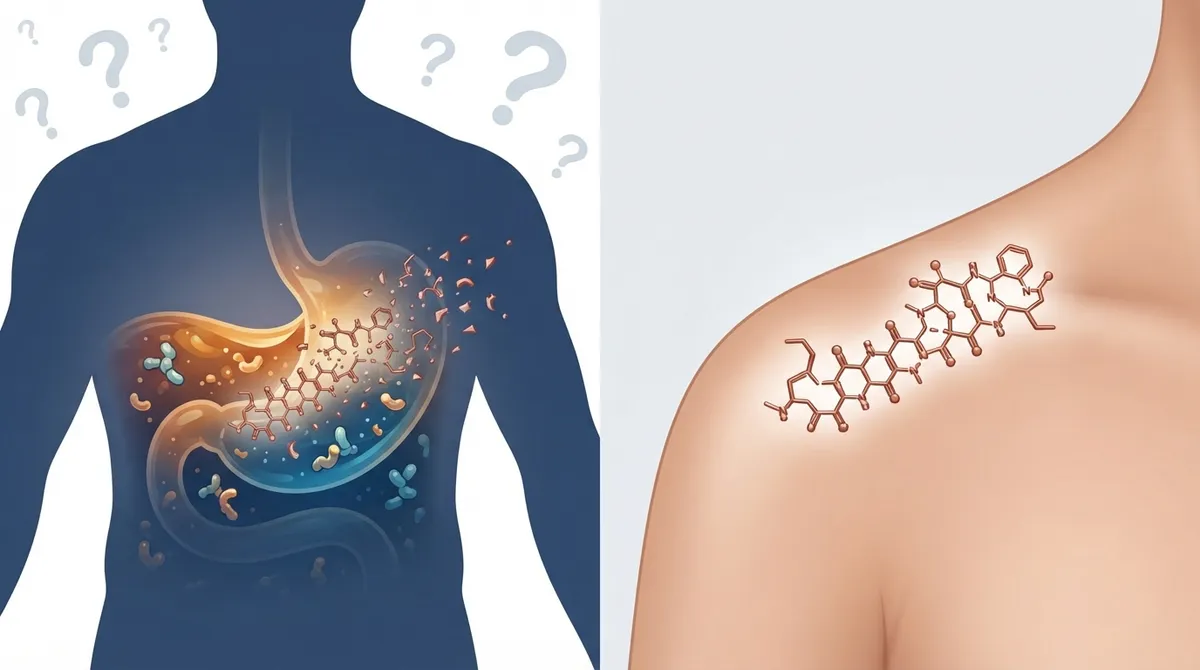
- Oral GHK-Cu has less than 2% bioavailability because stomach acid and digestive enzymes destroy the fragile peptide before it reaches your bloodstream, making it far less effective than topical application.
- Oral GHK-Cu products are not FDA approved and lack human safety data; taking them means participating in an uncontrolled experiment on your own body with unknown long-term effects.
- A typical 5 mg oral GHK-Cu dose contains 0.6 mg of copper; repeated daily use combined with copper from diet and supplements could accumulate toward the 10 mg daily upper limit, especially for those with liver issues.
- Topical GHK-Cu has decades of cosmetic use with strong safety documentation, while oral forms remain unproven for skin, hair, and anti-aging benefits despite heavy marketing claims.
- Before trying oral GHK-Cu, consult your doctor if you have Wilson's disease, liver conditions, take copper supplements, or are pregnant, as copper metabolism disorders increase toxicity risk.
- Quality control varies widely among oral GHK-Cu brands due to lack of FDA oversight; products may contain less active ingredient than advertised or batch-to-batch inconsistencies.
Copper peptides are everywhere in wellness circles right now, and GHK-Cu is one of the most talked-about names. Many people search for a GHK-Cu oral form hoping to get the same skin, hair, and healing benefits linked to topical use. But before you buy a capsule or powder, it helps to understand what science actually supports. This guide breaks down what oral GHK-Cu is, how it compares to other forms, and what questions to ask your doctor before trying it.
At InCare, our providers in Tampa and Riverview regularly field questions about peptides, supplements, and anti-aging trends. We believe patients deserve clear, honest information rather than marketing hype. This article walks through the facts, the gaps in research, and safer paths toward your wellness goals.
What Is GHK-Cu and Why Does It Matter?
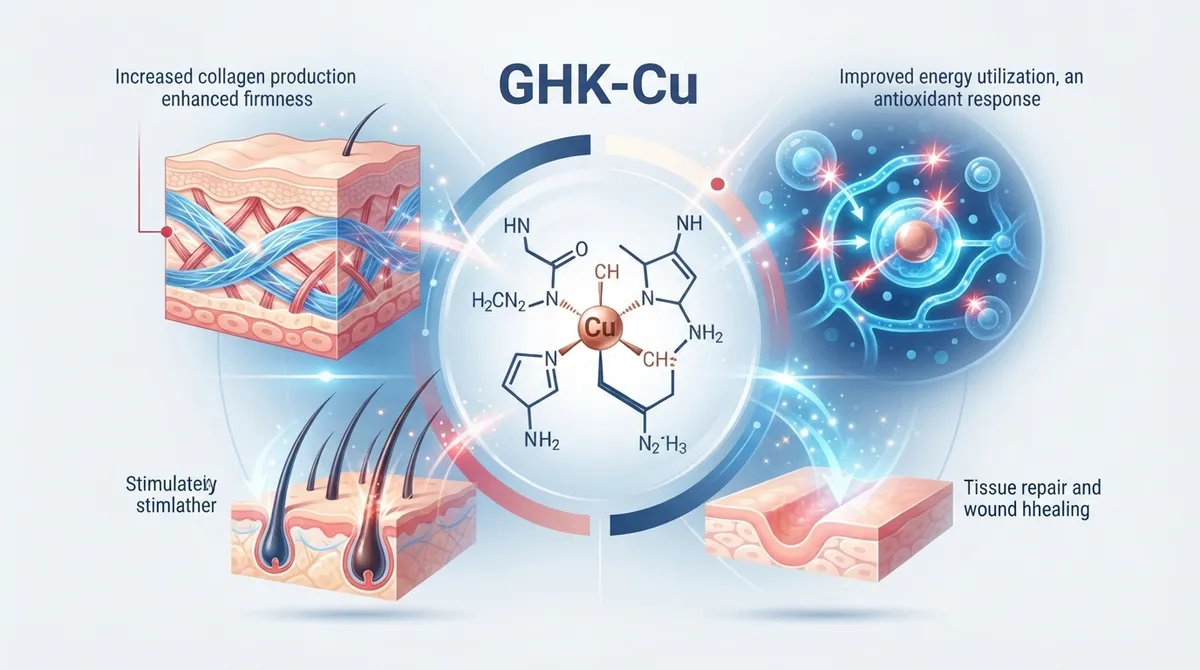
GHK-Cu stands for glycyl-L-histidyl-L-lysine copper. It is a small copper-binding peptide that occurs naturally in your blood, saliva, and urine. Levels of this peptide tend to drop as you age, which is part of why researchers link it to skin repair and tissue renewal.
Most of the research on GHK-Cu comes from topical and wound-healing studies, not oral use. A widely cited 2018 review found that GHK-Cu has been used in human anti-aging and cosmetic products for decades without major adverse effects. However, this finding applies mainly to creams and serums applied to the skin, not pills or capsules swallowed for internal effects.
How GHK-Cu Works in the Body
Published research describes GHK-Cu as active at very low nanomolar concentrations in tissue studies. This means small amounts can trigger biological responses when applied directly to skin or wounds. The peptide appears to support collagen production, reduce inflammation, and encourage tissue repair at the cellular level.
The challenge with an oral form is getting the peptide into your system intact. Swallowed peptides face a tough journey through your digestive tract before they ever reach your bloodstream.
Why Oral GHK-Cu Faces Absorption Problems
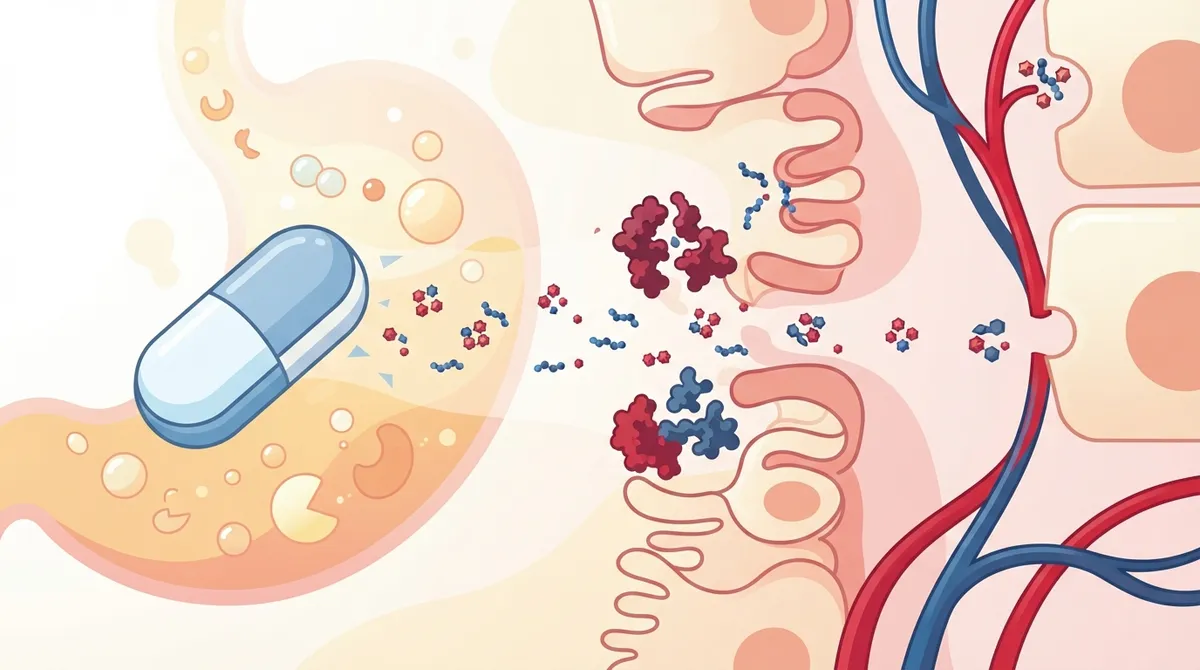
Peptides like GHK-Cu are fragile molecules. Your stomach acid and digestive enzymes are designed to break down proteins and peptides into smaller pieces. This process, while great for digesting food, destroys most of the peptide before it can do anything useful.
Wellness sources report that oral GHK-Cu has less than 2% bioavailability in peptide pharmacokinetic discussions. In simple terms, less than 2 out of every 100 units you swallow may reach your bloodstream in usable form. That is a steep drop-off compared to topical or injectable delivery methods.
Comparing Delivery Methods
Here is a side-by-side look at how different GHK-Cu delivery methods stack up based on current wellness and research literature:
|
Delivery Method |
Absorption Level |
Research Support |
Common Use Case |
|---|---|---|---|
|
Topical (creams, serums) |
Localized, well-documented |
Strongest track record |
Skin renewal, anti-aging |
|
Oral (capsules, powders) |
Under 2% bioavailability |
Very limited human data |
Marketed for skin and hair, unproven |
|
Injectable |
Higher systemic exposure |
Investigational |
Research settings, not routine care |
This table shows why topical use remains the gold standard while oral and injectable forms stay firmly in the research category. If you are curious about how peptide science applies to broader wellness goals, our team discusses options during primary care visits.
Copper Exposure: A Real Safety Concern
One issue that often gets overlooked is copper exposure from oral GHK-Cu products. Since the peptide contains bound copper, taking it orally adds to your total copper intake.
According to one wellness safety guide, a typical 5 mg oral dose contains about 0.6 mg of copper. The adult tolerable upper intake level for copper is 10 mg per day. While a single dose seems far below that limit, repeated daily use combined with copper from diet, multivitamins, or drinking water could add up over time.
Who Should Be Extra Careful
Certain groups face higher risk from added copper intake. Consider these factors before trying any oral GHK-Cu product:
- People with Wilson's disease or other copper-metabolism disorders
- Individuals already taking copper supplements or multivitamins with copper
- Patients with liver conditions, since the liver processes excess copper
- Pregnant or breastfeeding women, due to limited safety data
- Anyone with a known copper allergy or sensitivity
- Patients on medications that interact with mineral absorption
If you fall into any of these categories, talk with a primary care provider before adding any copper peptide supplement to your routine. A quick conversation during a wellness visit can help you avoid unnecessary risk.
Is Oral GHK-Cu FDA Approved?
No oral GHK-Cu product currently holds FDA approval as a dietary supplement for therapeutic use. Many products are sold with disclaimers stating they are intended "for research purposes only." This label is a signal that the manufacturer has not gone through the clinical testing needed for medical claims.
Recent medical commentary notes that there are not good human studies on oral GHK-Cu, and long-term effects remain unknown. This gap in research means anyone using these products is essentially participating in an uncontrolled experiment on their own body.
What This Means for Consumers
When a product lacks FDA oversight, quality control can vary widely between brands. Some products may contain less active ingredient than advertised, contaminants, or inconsistent dosing from batch to batch. This is one more reason to discuss any peptide product with a licensed provider before use.
Steps to Take Before Trying Oral GHK-Cu
If you are considering an oral GHK-Cu product, follow these steps to protect your health and make an informed choice:
- Schedule a conversation with your primary care provider to review your current health history.
- Ask about your baseline copper levels, especially if you take other supplements.
- Review any liver or kidney conditions that could affect how your body processes copper.
- Request lab testing if you plan to use the product long-term.
- Compare topical alternatives, which have stronger safety and efficacy data.
- Set a timeline to reassess results and side effects after a few weeks.
- Report any unusual symptoms, such as nausea, stomach pain, or skin changes, right away.
Following this sequence helps you avoid jumping into a supplement trend without proper guidance. Our providers offer DNA gene testing and other advanced diagnostics that can give you a clearer picture of your baseline health before starting any new regimen.
Topical vs Oral: Which Should You Choose?
Topical GHK-Cu remains the more established option for skin health goals. It has years of cosmetic use behind it and a much clearer safety profile for external application. Oral forms, on the other hand, sit in a gray area with limited human trials and unclear dosing guidelines.
If your goal is smoother skin, reduced fine lines, or support for wound healing, a topical serum applied directly to the area may offer more reliable results. If you are chasing broader anti-aging or wellness benefits, it is worth exploring options with stronger evidence behind them, such as medically supervised programs.
Alternatives Worth Discussing With Your Doctor
Instead of relying on an unproven oral peptide, consider these evidence-based wellness services that support similar goals:
- IV hydration and vitamin drips for nutrient support and energy
- Hair restoration treatments backed by clinical protocols
- Body composition analysis to track real progress over time
- Metabolic breath analysis for a science-based view of your metabolism
- Cancer screenings to stay ahead of preventable health issues
- Personalized weight management plans supervised by licensed providers
These services offer measurable, tracked results rather than relying on a supplement with weak human data. Our team can walk you through which options fit your specific goals during a visit at either our Tampa or Riverview location.
What to Watch for With Oral GHK-Cu Side Effects
Since human studies are limited, reported side effects mostly come from anecdotal sources rather than controlled trials. People have mentioned mild digestive upset, headaches, or a metallic taste after taking oral copper peptide products. These reports are not confirmed by rigorous clinical research, so treat them as possibilities rather than established facts.
If you experience any symptoms after starting an oral GHK-Cu product, stop use and contact your doctor. It is always smarter to pause and ask questions than to push through unclear symptoms.
How InCare Approaches Peptide and Supplement Questions
Our providers, including Dr. Naveen Paddu, Dr. Pramjeet Ahluwalia, and Dr. Teshy John, believe in giving patients honest, evidence-based guidance. We do not push trendy supplements without discussing the research gaps first. Instead, we focus on comprehensive wellness visits that look at your whole health picture.
Whether you are curious about copper peptides, weight loss support, or preventive screenings, our providers are ready to answer your questions with clarity and care. You can also see what patients say about their experience by visiting our Visit us on Google — InCare profile, where we maintain a strong reputation for honest, patient-first care.
Staying Connected With InCare
For ongoing wellness tips and updates on emerging treatments, follow our team on Facebook and Instagram. You can also catch quick health tips on Tik Tok, where we break down complex topics like peptide therapy into simple, useful information.
Common Questions Patients Ask About GHK-Cu Oral Form
Many patients want quick answers before their appointment. Here are a few key facts to keep in mind:
- Oral GHK-Cu has poor absorption due to digestive breakdown of peptides.
- Topical GHK-Cu has decades of cosmetic use with a stronger safety record.
- No oral GHK-Cu product is FDA approved as a therapeutic supplement.
- Copper exposure from oral products is a real, though usually small, concern.
- Long-term human safety data for oral GHK-Cu simply does not exist yet.
These points highlight why a conversation with a licensed provider matters more than trusting marketing claims online.
Making an Informed Decision About GHK-Cu
Wellness trends move fast, and peptides like GHK-Cu are a great example. The science behind topical use is solid, but oral forms still lack strong human evidence. Before spending money on a product with uncertain absorption and unclear long-term safety, it makes sense to talk with a trusted provider first.
Our team at InCare serves patients across Tampa and Riverview with a focus on prevention, transparency, and whole-body wellness. If you have questions about GHK-Cu, copper peptides, or any other supplement trend, our providers are here to help you sort fact from hype. You can review our full range of services, including weight loss programs and locations near you, to find the right fit for your goals.
Ready to get personalized answers about peptides, supplements, or your overall wellness plan? Book Now to schedule a visit with our experienced team today.
FAQs
Q: What is GHK-Cu oral form used for?
A: GHK-Cu oral form is marketed for skin, hair, and anti-aging wellness goals, similar to topical versions. However, human evidence for oral use is limited, and its actual effectiveness for these purposes remains uncertain.
Q: Is oral GHK-Cu safe to take?
A: Safety data for oral GHK-Cu is limited, with most safety research focused on topical use. Copper exposure and unknown long-term effects mean you should consult a primary care provider before trying it.
Q: Does GHK-Cu work better topically or orally?
A: Topical GHK-Cu has a stronger track record supported by decades of cosmetic use. Oral GHK-Cu faces major absorption challenges, with less than 2% bioavailability reported in peptide research.
Q: Can oral GHK-Cu cause copper toxicity?
A: A typical 5 mg oral dose contains about 0.6 mg of copper, which is below the 10 mg daily upper limit. However, repeated use combined with other copper sources could raise your total intake over time.
Q: Is GHK-Cu FDA approved as a supplement?
A: No oral GHK-Cu product is currently FDA approved as a therapeutic dietary supplement. Many are labeled for research purposes only, which means they have not completed formal safety and efficacy testing.