Key Takeaways
- GHK-Cu face masks have a favorable safety profile with only 4.2% reporting mild redness and 2.8% reporting mild itching; patch test first and start with once-weekly use before increasing frequency.
- GHK-Cu is a cosmetic ingredient, not an FDA-approved drug, so avoid products making medical claims; it works best as part of a broader wellness plan including hydration, nutrition, and sleep rather than as a standalone anti-aging solution.
- Avoid combining GHK-Cu with vitamin C on the same day due to potential peptide instability, and introduce retinol combinations slowly; alternating products on different days is the simpler, lower-risk approach.
- People with copper sensitivities, very reactive skin, multiple active ingredients in use, or pregnant/breastfeeding individuals should consult a healthcare provider before using GHK-Cu products.
Skin health is one of the most visible signs of overall wellness, and more patients are asking their primary care and wellness providers about copper peptide skincare. The GHK-Cu face mask has become a popular topic among people who want science-backed options for healthier-looking skin. But how does this ingredient actually work, and is it safe to add to your routine? This guide breaks down what GHK-Cu is, what the research says, and how to use it wisely as part of a broader wellness plan.
At InCare, our team in Tampa and Riverview looks at skin health as part of whole-body wellness, not an isolated concern. Understanding ingredients like GHK-Cu helps patients make informed choices instead of chasing trends. This article walks through the facts, the safety data, and practical tips so you can decide if a GHK-Cu face mask fits your goals.
What Is GHK-Cu and Why Is It in Face Masks?
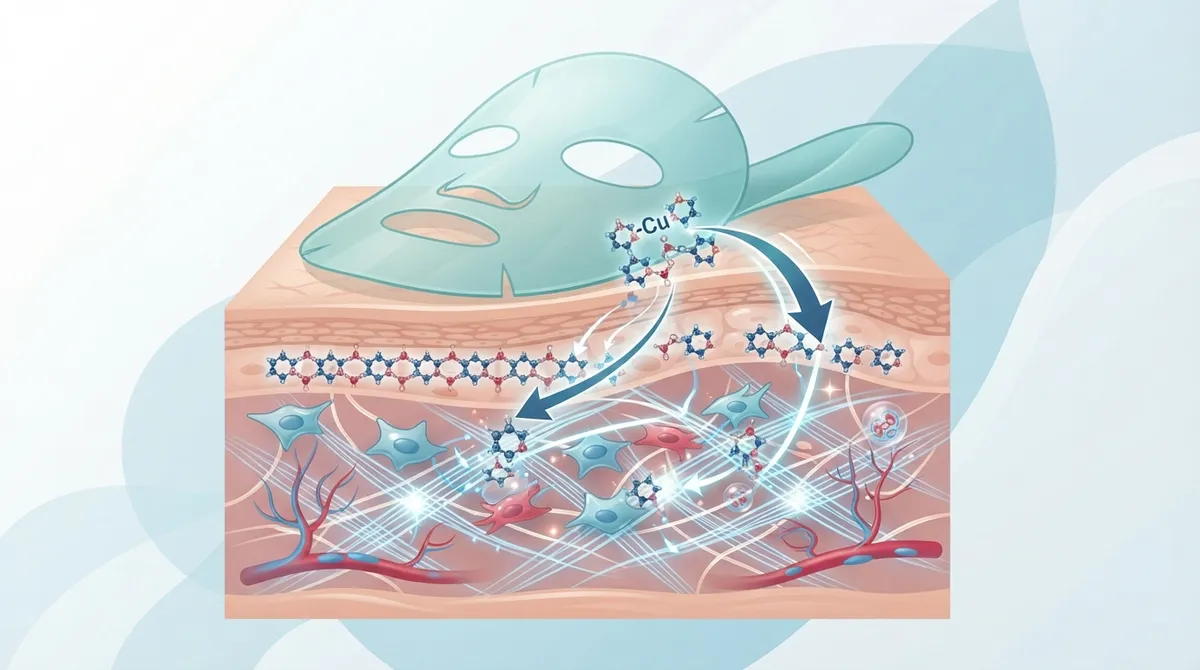
GHK-Cu stands for glycyl-L-histidyl-L-lysine copper. It is a small copper-binding peptide found naturally in the human body. Levels of this peptide tend to decline with age, which is one reason researchers became interested in its role in skin repair.
In skincare products, GHK-Cu is added to masks, serums, and creams because of its potential to support the skin's natural renewal process. It is considered a cosmetic wellness ingredient rather than a medical drug treatment. That distinction matters, especially when comparing marketing claims to what the science actually supports.
Common Reasons People Try GHK-Cu Skincare
- Supporting the look of firmer, smoother skin
- Addressing signs of environmental or age-related skin stress
- Complementing an existing skincare or wellness routine
- Exploring copper peptide options after researching skin health trends
- Pairing with other wellness services like IV hydration and vitamin drips for a whole-body approach
How GHK-Cu Face Masks Are Believed to Work
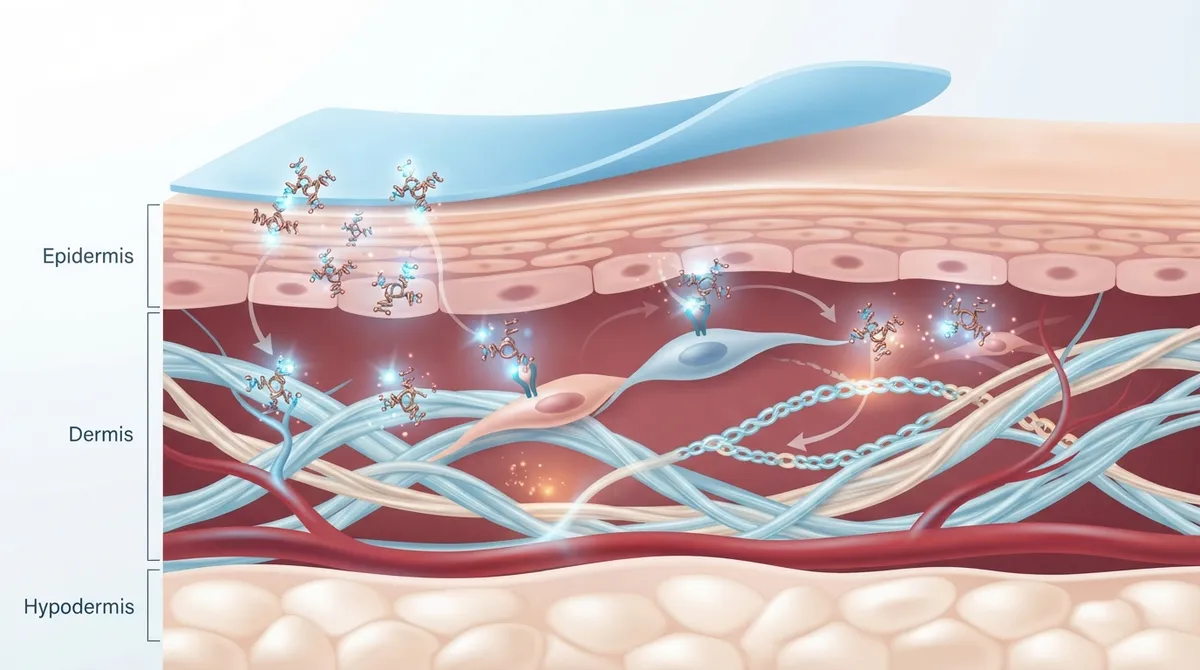
Copper peptides like GHK-Cu are thought to interact with skin cells in ways that may support collagen-related processes. Collagen is the protein that keeps skin looking plump and resilient. As natural GHK-Cu levels drop over time, some researchers believe this contributes to visible skin aging.
It is important to set realistic expectations. While early research is promising, robust large-scale human studies remain limited. The topic is best approached from an evidence-based skincare angle rather than as a guaranteed anti-aging fix.
What the Research Currently Shows
- A 2023 safety review covered 12 clinical studies with 512 total participants.
- Transient redness was reported in about 4.2% of users in that review.
- Mild itching occurred in roughly 2.8% of participants.
- A separate 12-week double-blind trial with 200 participants reported no adverse events at standard cosmetic concentrations.
- Long-term use summaries covering 12 to 24 months found no signs of cumulative toxicity in topical use.
These numbers suggest a generally favorable safety profile for topical cosmetic use, though quality control and formulation still matter a great deal.
Safety Profile: What Patients Should Know
Topical GHK-Cu is generally well tolerated by most people. The most frequently reported side effects are mild and temporary.
|
Reported Effect |
Approximate Frequency |
Severity |
|---|---|---|
|
Transient redness |
4.2% |
Mild |
|
Mild itching |
2.8% |
Mild |
|
Dryness or tingling |
Less common |
Mild |
|
Serious adverse events |
Rare in cosmetic use |
Uncommon |
People with sensitive skin or known copper-related sensitivities may be more prone to irritation. Anyone with a history of skin allergies should patch test any new product before applying it to the full face.
Typical Cosmetic Concentration Ranges
Most topical GHK-Cu products use concentrations between 0.001% and 0.5%. Some long-term use summaries describe low-dose concentrations in the 1% to 3% range as well tolerated across studies lasting 12 to 24 months. Higher concentrations are not automatically better, and product quality plays a major role in both safety and results.
How to Use a GHK-Cu Face Mask Safely
If you are considering adding a GHK-Cu mask to your routine, a cautious and informed approach works best.
- Choose a reputable product with clearly labeled concentration levels.
- Patch test on a small area of skin, such as the inner forearm, for 24 to 48 hours.
- Start with limited use, such as once or twice a week, before increasing frequency.
- Watch for redness, itching, or unusual irritation after each application.
- Avoid layering with strong actives like retinol or vitamin C on the same day unless a provider confirms it is appropriate.
- Discontinue use if irritation persists beyond a day or two.
Because skin reacts differently for everyone, discussing new skincare additions during a wellness visit can help you avoid unnecessary irritation. Our providers can help you think through how a new product fits your broader health picture.
Can GHK-Cu Be Combined With Other Skincare Ingredients?
Some people ask whether GHK-Cu can be used alongside retinol or vitamin C. In general, copper peptides and vitamin C are sometimes recommended for separate use times, since vitamin C's acidity can potentially reduce peptide stability. Retinol combinations are commonly discussed but should be introduced slowly and monitored for irritation. When in doubt, alternating products on different days is a simpler, lower-risk approach.
Why Skin Health Fits Into a Whole-Body Wellness Plan
Skin is often called the body's largest organ, and its condition can reflect hydration, nutrition, hormone balance, and stress levels. That is why skin concerns rarely exist in isolation. A person dealing with fatigue, poor sleep, or nutritional gaps may also notice changes in skin appearance.
This is where a coordinated wellness approach becomes valuable. Instead of only treating the skin's surface, addressing hydration through IV hydration therapy, tracking progress with body composition analysis, or exploring personalized insights through DNA gene testing can support skin and overall health together.
Lifestyle Factors That Influence Skin Appearance
- Daily water intake and hydration status
- Sleep quality and consistency
- Nutrient intake, including protein and antioxidants
- Sun exposure and protective habits
- Stress levels and hormone balance
- Underlying health conditions managed through regular primary care visits
GHK-Cu vs. Other Common Skincare Ingredients
Patients often want to know how GHK-Cu compares to more familiar options like retinol or vitamin C serums. Each ingredient works through a different mechanism, and none is universally "better" for every skin type.
|
Ingredient |
Primary Role |
Common Side Effects |
Best For |
|---|---|---|---|
|
GHK-Cu |
Supports skin repair processes |
Mild redness, itching, dryness |
Those seeking gentler copper peptide options |
|
Retinol |
Cell turnover support |
Peeling, dryness, sun sensitivity |
Individuals comfortable with stronger actives |
|
Vitamin C |
Antioxidant support |
Stinging, irritation in sensitive skin |
Brightening and antioxidant protection |
Choosing between these options often comes down to skin sensitivity, goals, and how your skin has responded to similar products in the past.
Important Facts About FDA Status and Claims
GHK-Cu is not FDA approved as a drug. It is used and sold as a cosmetic ingredient, which means manufacturers cannot legally claim it treats or cures medical skin conditions. Responsible skincare brands and wellness clinics frame GHK-Cu benefits around cosmetic appearance support, not disease treatment. Patients should be cautious of products or sellers making exaggerated medical claims.
For general skin and health education, resources like the National Institutes of Health and the U.S. Food and Drug Administration provide useful background on how cosmetic ingredients are regulated differently from prescription treatments.
Who Should Be Cautious With GHK-Cu Products?
- People with known copper allergies or sensitivities
- Those with very reactive or compromised skin barriers
- Individuals currently using multiple strong active ingredients
- Pregnant or breastfeeding individuals, who should check with a provider first
- Anyone with a history of unexplained skin reactions to new products
If you fall into any of these categories, a conversation with a healthcare provider before starting a new skincare product is a smart precaution.
Bringing It All Together: A Smarter Approach to Skin Wellness
A GHK-Cu face mask can be a reasonable addition to a skincare routine for many people, especially when used at appropriate concentrations and introduced carefully. The current evidence supports a generally good safety profile, with mild and temporary side effects being the most common concern. Still, this ingredient works best as one part of a bigger wellness picture that includes hydration, nutrition, sleep, and regular preventive care.
Patients in Tampa and Riverview who want a more complete view of their health often start with a wellness visit that looks beyond skincare alone. Our team can help you understand how factors like hormone balance, nutrition, and hydration connect to how your skin looks and feels. You can also see what real patients say by visiting our InCare location on Google, where reviews highlight our attentive, patient-first approach.
Follow us on Facebook and Instagram for more wellness tips, or check out our latest updates on TikTok for quick, practical health guidance.
If you are ready to talk with a provider about your skin health, hydration needs, or a broader wellness plan, reach out to our team today or schedule your appointment now to get started on a personalized approach to whole-body wellness.
FAQs
Q: What is a GHK-Cu face mask used for?
A: A GHK-Cu face mask is a cosmetic product formulated with copper peptides to support the skin's appearance and repair processes. It is commonly used for addressing signs of aging or stressed skin rather than as a medical treatment.
Q: Is GHK-Cu safe for sensitive skin?
A: GHK-Cu is generally well tolerated, but people with sensitive skin or copper sensitivities may experience mild redness or itching. Patch testing before full use is recommended for anyone with reactive skin.
Q: Does GHK-Cu actually help with wrinkles or collagen support?
A: Some research suggests GHK-Cu may support collagen-related processes in skin, but evidence for dramatic anti-wrinkle results remains limited. It is best viewed as a supportive ingredient rather than a guaranteed solution.
Q: Can GHK-Cu face masks be used with retinol or vitamin C?
A: GHK-Cu can sometimes be combined with other actives, but it is often recommended to alternate use with vitamin C or retinol on different days. This helps reduce the risk of irritation and preserves ingredient stability.
Q: Is GHK-Cu FDA approved?
A: No, GHK-Cu is not FDA approved as a drug. It is regulated and sold as a cosmetic ingredient, meaning it cannot legally be marketed as a treatment for medical skin conditions.