Key Takeaways
- GHK-Cu shows promise in reducing inflammatory markers like TNF-alpha, IL-6, and IL-1beta in preclinical studies, but human clinical trials remain limited, so results in people are not yet fully confirmed.
- Topical GHK-Cu is generally safe with mild side effects (temporary redness, irritation), making it suitable for post-procedure skin recovery when used with a patch test and healthcare provider guidance.
- GHK-Cu works by reducing inflammatory signaling, supporting antioxidant defenses, and promoting collagen production, but it should complement—not replace—medical treatment for diagnosed inflammatory conditions like arthritis.
- Current research is strongest in cell and animal models; GHK-Cu is best viewed as a supportive wellness tool for skin repair and anti-aging rather than a standalone treatment for chronic inflammation.
If you have spent time researching skin recovery or anti-aging treatments, you may have come across GHK-Cu. This small copper peptide has become popular in wellness circles for its role in tissue repair. But one question keeps coming up: does GHK-Cu actually reduce inflammation, or is this just marketing hype? At InCare, we believe patients deserve clear, science-based answers before trying any new wellness treatment.
This guide breaks down what current research shows about GHK-Cu and inflammation. We will look at the science, the studies, and what this means for people exploring wellness treatments in Tampa and Riverview. Whether you are curious about skin recovery or overall cellular health, understanding this peptide can help you make smarter choices about your care.
What Is GHK-Cu and Why Does It Matter for Inflammation
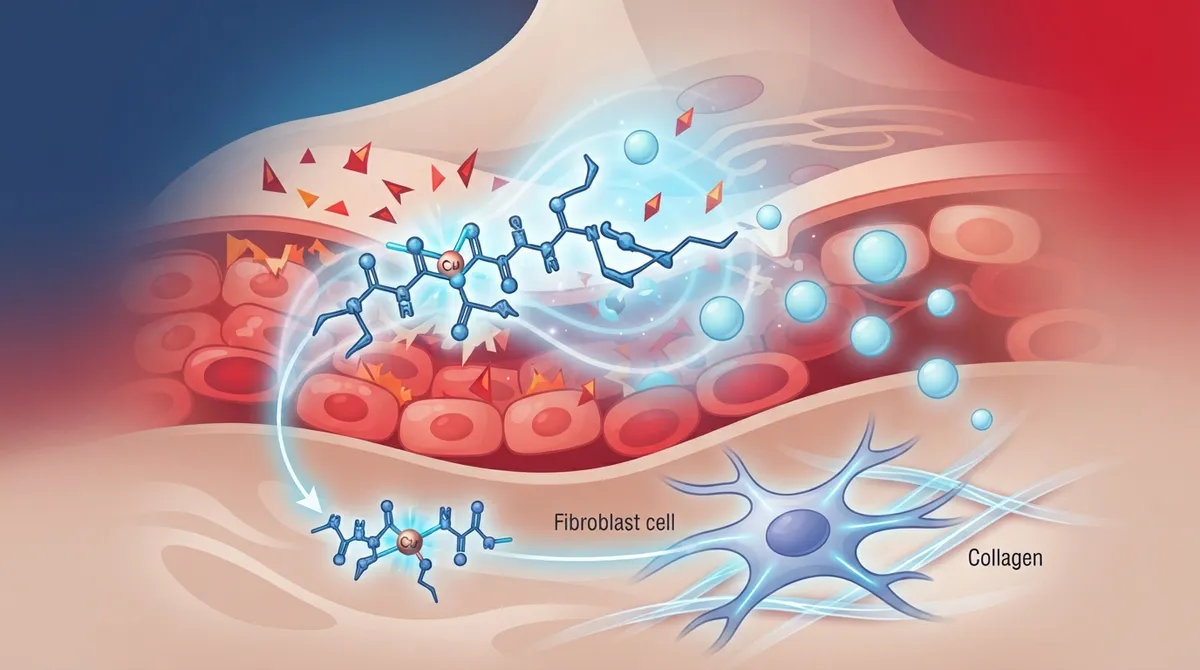
GHK-Cu stands for glycine-histidine-lysine bound to copper. It is a naturally occurring peptide found in human plasma, saliva, and urine. Levels of this peptide tend to drop as we age, which is one reason researchers became interested in its effects on skin and tissue health.
The "Cu" in the name refers to copper, a mineral your body needs for many functions. When GHK binds to copper, it becomes more stable and appears to support several biological processes. This includes wound healing, collagen production, and possibly inflammation control.
Many wellness clinics now offer GHK-Cu as part of skin repair programs or recovery support after procedures. Before choosing any peptide-based treatment, it helps to understand what the science actually says about its role in fighting inflammation.
How GHK-Cu Is Thought to Work
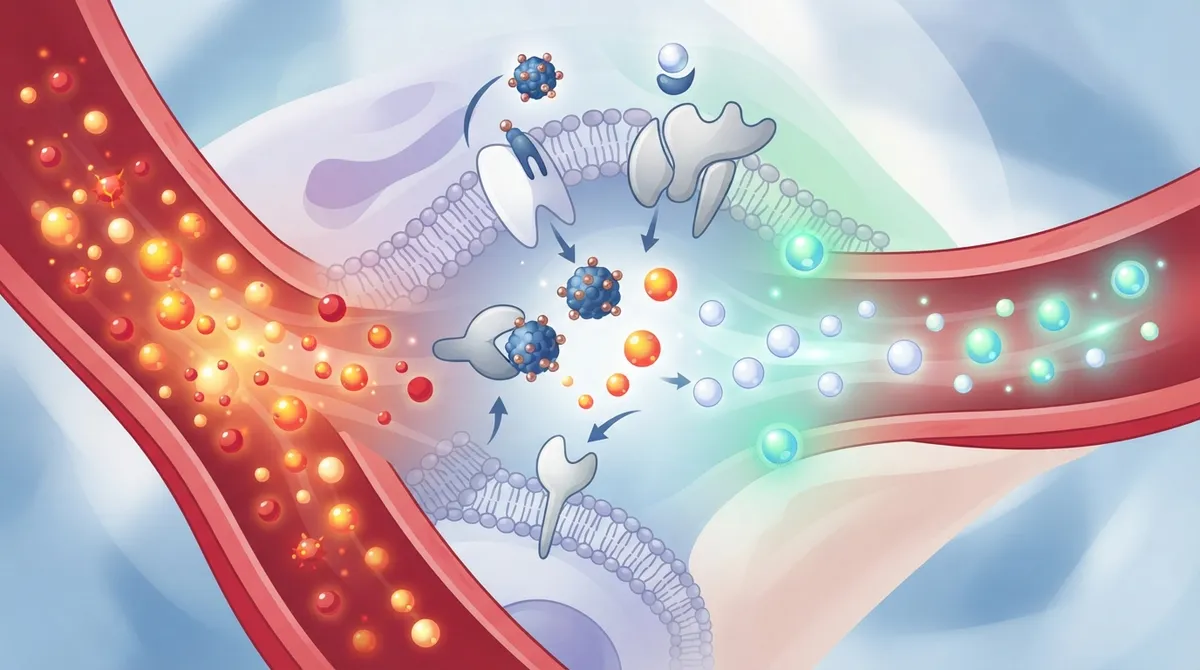
Researchers believe GHK-Cu interacts with several pathways in the body. Some of the most studied effects include:
- Reducing signals that trigger inflammation in cells
- Supporting antioxidant defenses that protect tissue from damage
- Helping regulate genes tied to tissue repair
- Encouraging blood vessel formation in healing wounds
- Balancing collagen breakdown and rebuilding
These actions are mostly studied in labs using cells and animal models. Human trials are still limited, so it is important to view GHK-Cu as a promising area of research rather than a guaranteed treatment.
What the Research Says About GHK-Cu and Inflammation
Scientific interest in GHK-Cu has grown steadily over the past decade. Several studies point to its ability to calm inflammatory activity at the cellular level. Here is a summary of key findings from published research.
|
Year |
Study Type |
Key Finding |
|---|---|---|
|
2015 |
Human dermal fibroblast cells |
GHK-Cu reduced IL-6 secretion triggered by TNF-alpha |
|
2016 |
Mouse lung injury model |
GHK-Cu reduced inflammatory response in acute lung injury |
|
2020 |
Macrophage cell review |
Lowered reactive oxygen species, raised antioxidant markers |
|
2025 |
Mouse colitis model |
Reduced TNF-alpha, IL-6, IL-1beta while promoting gut repair |
|
2026 |
Mouse inflammation model |
Reduced immune cell migration, increased IL-10 |
These findings are encouraging, but almost all of them come from cell cultures or animal studies. This distinction matters. What happens in a mouse or a lab dish does not always translate directly to results in people. Still, the consistency across different types of studies suggests GHK-Cu deserves continued attention.
Key Inflammatory Markers Affected by GHK-Cu
Several studies point to GHK-Cu's effect on specific inflammatory signals in the body. These include:
- TNF-alpha, a protein that triggers widespread inflammation
- IL-6, linked to chronic inflammatory conditions
- IL-1beta, involved in tissue swelling and pain response
- NF-kB pathway activity, a master switch for inflammation
- Reactive oxygen species, molecules that damage cells over time
Lowering these markers in lab settings suggests GHK-Cu may help calm the body's inflammatory response. However, researchers caution that more controlled human studies are needed before drawing firm conclusions.
GHK-Cu in Skin Health and Wound Recovery
The most common real-world use of GHK-Cu today is in topical skincare and post-procedure recovery support. Many wellness clinics include it in serums and treatments designed to support skin repair.
GHK-Cu is thought to help skin in a few specific ways:
- Supporting collagen and elastin production
- Helping calm redness and irritation after skin procedures
- Assisting with the skin's natural healing process
- Potentially reducing the appearance of fine lines over time
- Supporting antioxidant activity in skin cells
People interested in choosing the right GHK-Cu serum for their skin should look for third-party tested products and realistic expectations. No topical treatment works overnight, and results vary based on skin type and consistency of use.
Why Inflammation Control Matters for Skin Repair
When skin is injured or irritated, inflammation is the body's first response. Some inflammation is necessary for healing. But too much, or inflammation that lasts too long, can slow recovery and cause more damage.
This is why ingredients that help regulate inflammation, like GHK-Cu, have become popular in post-procedure skincare. Reducing excess inflammatory signaling may support smoother, faster healing without interfering with the body's natural repair process.
Comparing GHK-Cu to Other Anti-Inflammatory Approaches
GHK-Cu is one of many options people consider when looking to manage inflammation. Understanding how it compares to other common approaches can help you decide what fits your wellness goals.
|
Approach |
Mechanism |
Evidence Level |
|---|---|---|
|
GHK-Cu (topical/peptide) |
Reduces cytokines, supports antioxidant activity |
Preclinical, growing interest |
|
NSAIDs |
Blocks inflammatory enzymes (COX pathways) |
Strong human evidence |
|
Anti-inflammatory diet |
Reduces dietary triggers of inflammation |
Moderate to strong evidence |
|
IV hydration with antioxidants |
Supports cellular hydration and nutrient delivery |
Supportive, growing use in wellness care |
Each option serves a different purpose. GHK-Cu is not meant to replace medical treatment for diagnosed inflammatory conditions. Instead, it is often used as a supportive tool alongside a broader wellness plan, including dietary strategies that may fight inflammation and other lifestyle changes.
Safety and What to Expect With GHK-Cu
Topical GHK-Cu is generally considered safe for most people. Reported side effects are typically mild and may include:
- Temporary redness at the application site
- Minor skin irritation, especially with sensitive skin
- Rare allergic reactions in people sensitive to copper
- Dryness if used with other active ingredients
Most people tolerate topical use well when starting slowly and following product instructions. If you experience persistent irritation, it is best to stop use and speak with a healthcare provider.
Steps to Try GHK-Cu Safely
- Talk to a healthcare provider before starting any new peptide product
- Choose a product from a reputable source with transparent testing
- Do a small patch test before full application
- Start with lower frequency of use to monitor your skin's response
- Track your results over several weeks, not days
- Report any unusual reactions to your provider right away
Because research on GHK-Cu is still developing, working with a knowledgeable provider matters. Our team of providers can help you understand whether a peptide-based approach fits your specific health goals safely.
Who Might Consider GHK-Cu as Part of Their Wellness Plan
GHK-Cu is not a treatment for every person or every condition. It tends to appeal most to certain groups exploring proactive wellness care.
- People recovering from cosmetic or skin procedures
- Individuals interested in anti-aging and skin quality support
- Those exploring peptide therapy options in Tampa as part of whole-body wellness
- Wellness-focused patients who already use antioxidant-based skincare
- People asking about copper peptides after researching skin repair options
It is not appropriate as a stand-alone treatment for diagnosed inflammatory diseases like arthritis or inflammatory bowel disease. Those conditions require medical evaluation and evidence-based treatment plans, which is where a trusted primary care relationship becomes essential.
How InCare Supports Your Whole-Body Wellness Goals
At InCare, we combine advanced diagnostics with personalized care plans across our Tampa and Riverview locations. Our approach goes beyond treating symptoms. We look at your whole health picture, from DNA gene testing to body composition analysis, to help you make informed decisions about wellness treatments.
If inflammation is affecting your energy, skin, or overall wellness, our providers can help identify the root cause. We also offer IV hydration and vitamin drip therapy to support your body's natural recovery processes alongside any topical treatments you may be considering.
Patients across Tampa and Riverview trust InCare because we combine science with a personal touch. You can visit us on Google — InCare to read what our patients say about their experience with our team. We also share ongoing wellness tips and updates on our Instagram and Facebook pages, plus quick wellness content on Tik Tok.
Why a Personalized Approach Matters
No two patients respond to wellness treatments the same way. Genetics, lifestyle, and existing health conditions all play a role in how your body responds to peptides like GHK-Cu. This is why cookie-cutter treatment plans rarely deliver the best results.
Our providers, including Dr. Pramjeet Ahluwalia, take time to understand your health history before recommending any wellness treatment. This careful approach helps ensure any peptide therapy you consider fits safely into your overall care plan.
Moving Forward With Confidence
GHK-Cu shows real promise as a tool for calming inflammation and supporting skin repair. The science is still developing, especially in humans, but early results are encouraging enough that many wellness clinics now include it in their offerings.
The most important step is working with a provider who understands both the potential and the limits of this peptide. Self-treating chronic inflammation without medical guidance can delay proper diagnosis and care.
If you are curious about how GHK-Cu or other wellness treatments might fit into your health goals, our team is ready to help. Reach out to our team today to discuss your options, or book your appointment now to start your personalized wellness journey with InCare in Tampa or Riverview.
FAQs
Q: Does GHK-Cu reduce inflammation?
A: Preclinical studies in cells and animals show GHK-Cu can lower inflammatory markers like TNF-alpha, IL-6, and IL-1beta. Human clinical trials are still limited, so results in people are not yet fully confirmed.
Q: What does GHK-Cu do for skin inflammation?
A: GHK-Cu appears to calm inflammatory signaling in skin cells while supporting collagen production and antioxidant defenses. This combination may help reduce redness and support faster skin recovery after procedures.
Q: Is GHK-Cu safe for daily topical use?
A: Most people tolerate topical GHK-Cu well, with minor irritation or redness being the most common side effects. It is best to start with a patch test and consult a provider before daily use.
Q: Is there clinical evidence for GHK-Cu in humans?
A: Current evidence is strongest in cell and animal studies, with limited well-controlled human trials specifically on inflammation. Researchers view GHK-Cu as promising but not yet proven as a standalone therapy for inflammatory disease.
Q: What is the difference between GHK and GHK-Cu?
A: GHK is the base tripeptide made of glycine, histidine, and lysine. GHK-Cu is the copper-bound version, which appears more stable and is the form most commonly studied for skin and tissue repair benefits.