Key Takeaways
- No peptide is FDA-approved specifically for muscle growth in healthy adults; studies show growth hormone treatments increase lean body mass mainly through water retention, not actual muscle strength gains.
- Unregulated peptides sold online carry serious risks including mislabeled doses, microbial contamination, endotoxins, and degraded products that can cause swelling, joint pain, sleep disturbance, and increased insulin resistance.
- BPC-157 has zero completed human trials proving it improves muscle growth or athletic performance; all available evidence comes from preclinical lab and animal studies, not people.
- Progressive resistance training, adequate protein intake, sufficient calories, quality sleep, and treatment of underlying medical conditions (low testosterone, thyroid disease, sarcopenia) are proven strategies with strong research support for building real muscle.
- Growth hormone secretagogues like CJC-1295 and ipamorelin are banned under anti-doping rules and classified as investigational; using them can disqualify athletes from competition regardless of intent.
- Boosting growth hormone alone does not guarantee muscle growth because real muscle development requires resistance training, proper nutrition, recovery, and consistent effort over time, not just hormone elevation.
Scrolling social media, you have likely seen ads for peptides that promise bigger muscles and faster gym results. Words like CJC-1295, ipamorelin, and BPC-157 show up everywhere in wellness circles. But do these products actually build muscle, and are they safe? As a primary care and wellness clinic serving Tampa and Riverview, InCare believes patients deserve honest answers before trying any treatment that affects their hormones.
This article breaks down what science actually shows about peptides for muscle growth. We will cover the real risks, the limited evidence, and safer paths to building strength. Whether you are a busy parent trying to stay fit, a young adult exploring wellness trends, or someone managing muscle loss with age, this guide will help you make an informed choice.
What Are Peptides for Muscle Growth?
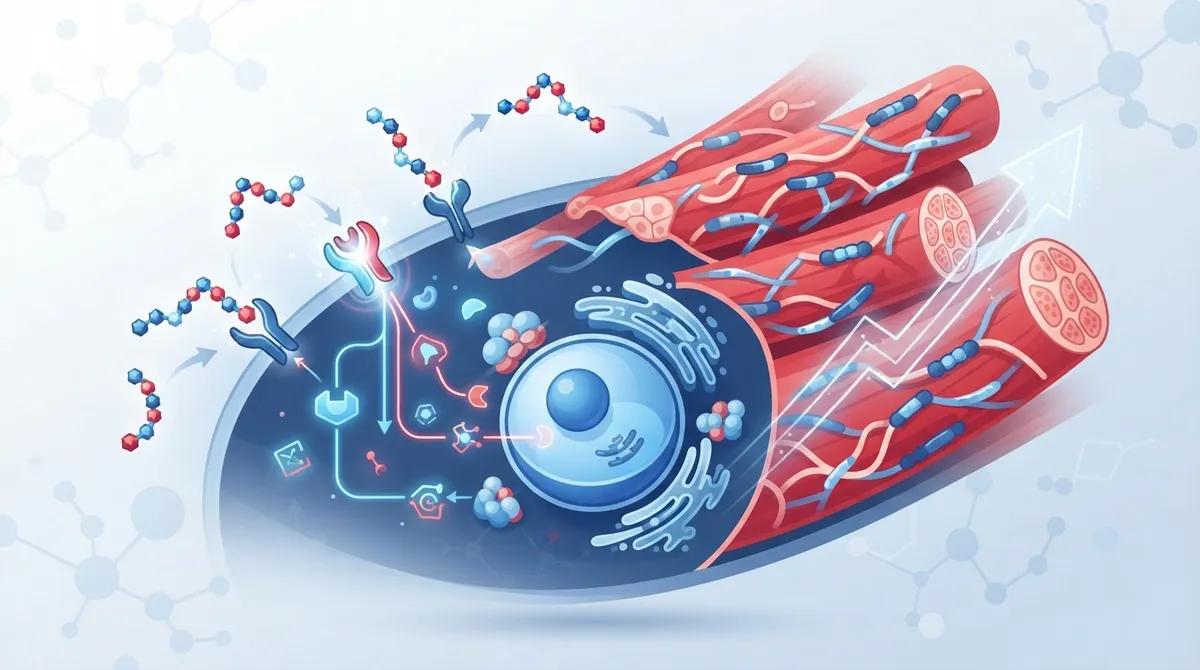
Peptides are short chains of amino acids. Your body makes many peptides naturally to control hormones, healing, and metabolism. In wellness marketing, though, "peptides for muscle growth" usually means a specific group of lab-made compounds.
These fall into a few main categories:
- Growth hormone secretagogues like CJC-1295, ipamorelin, and MK-677 (ibutamoren), which try to boost your body's natural growth hormone output
- Regenerative peptides such as BPC-157 and thymosin-based compounds, often marketed for healing and recovery
- Approved metabolic therapies that are sometimes used off-label for body composition goals, even though that is not their intended purpose
It is important to know that no peptide is FDA-approved specifically to build muscle or boost athletic performance in healthy adults. Some related drugs have narrow, specific uses. For example, tesamorelin is approved only for excess belly fat linked to HIV-related lipodystrophy. It is not approved for general muscle building.
What Does the Research Actually Show?
Marketing claims often outpace real scientific proof. Let's look at what controlled studies have found.
Growth Hormone Studies in Healthy Adults
A 2019 systematic review and meta-analysis looked at 11 randomized controlled trials involving healthy young adults. Growth hormone treatment increased lean body mass by about 2.72 kg compared to placebo. That sounds promising, but there is a catch. The study found no meaningful improvement in muscle strength or muscle-protein synthesis. Some of that added "lean mass" was actually water, not real muscle tissue.
An earlier review from 2008 looked at 27 trials with 303 young, fit participants. Researchers saw changes in body composition, but again, no real gains in strength or exercise capacity showed up.
What About Older Adults and Sarcopenia?
Age-related muscle loss, called sarcopenia, is a real concern for many patients. A 2009 trial tested an oral growth hormone secretagogue called capromorelin in older adults. It raised IGF-1 levels, but it also came with side effects. Researchers noted small increases in fasting glucose, HbA1c, and insulin resistance markers. Patients also reported fatigue and trouble sleeping.
In adults with diagnosed growth hormone deficiency, one review found modest average changes: about 2.1 kg less fat and 2.1 kg more lean mass. But cardiovascular endurance and actual strength did not consistently improve.
The Truth About BPC-157
BPC-157 has become a popular topic in fitness communities. As of early 2025, there were no completed randomized human trials proving it improves muscle growth or athletic performance. Most available research is preclinical, meaning it comes from lab or animal studies, not people. If you want a deeper look at the human evidence, our detailed breakdown on BPC-157 case studies covers what the science actually says.
|
Peptide Type |
Common Claim |
What Research Shows |
|---|---|---|
|
Growth hormone (healthy adults) |
Builds muscle strength |
Increases lean mass slightly; no strength gain |
|
Growth hormone secretagogues (MK-677, CJC-1295) |
Boosts natural GH release |
Investigational; raises glucose and insulin resistance risk |
|
BPC-157 |
Speeds healing and muscle recovery |
No completed human trials confirming this effect |
|
Tesamorelin |
Reduces fat, aids muscle definition |
FDA-approved only for HIV-related lipodystrophy fat |
Why Increasing Growth Hormone Doesn't Guarantee Muscle Gains
Here is a key point many people miss. Growth hormone and IGF-1 are linked to muscle growth in theory, but boosting them does not automatically build stronger muscles. Clinical studies often show changes in total body water or lean body mass without real improvements in strength or exercise performance.
Think of it this way. Your body is complex. Simply raising one hormone doesn't flip a switch that makes your muscles grow. Real muscle growth depends on resistance training, proper protein intake, recovery, and consistent effort over time.
The Hidden Risks of Unregulated Peptides
Many peptides sold online or through informal sellers are not regulated. This creates serious safety concerns.
Quality and Contamination Issues
Unapproved peptides may have:
- Inaccurate labeling that misrepresents the actual dose
- Incorrect concentrations that make dosing unpredictable
- Microbial contamination from poor manufacturing practices
- Endotoxins that can trigger dangerous immune reactions
- Unsafe storage conditions that degrade the product
You may see products labeled "research use only." This label does not mean the product is safe or legal for humans to use on themselves. It is a legal disclaimer, not a safety guarantee.
Potential Side Effects
Products that affect the growth-hormone axis can cause a range of problems, including:
- Swelling in the hands, feet, or joints
- Joint or muscle discomfort
- Numbness or tingling sensations
- Headaches
- Sleep disturbances
- Increased blood sugar and insulin resistance
- Abnormal IGF-1 levels
Long-term risks are still not fully understood. This includes possible effects on heart health and the growth of existing tumors. Because of these unknowns, working with a licensed provider matters more than ever. Our experienced providers can help you weigh the real risks against any potential benefit.
Are Peptides Legal for Athletes?
If you compete in organized sports, this matters a lot. A recent sports-medicine review from 2025 and 2026 classified CJC-1295, ipamorelin, tesamorelin, and similar growth-hormone-axis agents as investigational for sports use. Their safety profile remains uncertain, and most are banned under anti-doping rules.
Using these substances could disqualify you from competition or damage your reputation, even if you did not intend to break any rules. Always check current guidelines before considering any peptide product if you compete at any level.
What Should You Do Instead? A Primary Care Approach
Instead of chasing unproven peptides, primary care doctors focus on finding and treating the real reasons behind low muscle mass. This approach is safer and backed by much stronger evidence.
Common Causes of Low Muscle Mass
Your provider will look at several possible factors:
- Not eating enough protein or total calories
- Inactivity or lack of resistance exercise
- Sleep disorders that block recovery
- Medication side effects
- Hypogonadism, or low sex hormone levels
- Thyroid disease
- Chronic illness
- Depression or mental health struggles
- Age-related sarcopenia
Identifying the actual cause lets your doctor create a treatment plan that works with your body, not against it. This might include blood work, a review of your body composition, or a conversation about your daily habits.
What Actually Builds Muscle?
The proven path to stronger muscles is simpler than most peptide ads suggest:
- Progressive resistance training, meaning you gradually increase weight or resistance over time
- Adequate protein intake spread throughout the day
- Enough total calories to support muscle repair
- Quality sleep for hormone balance and recovery
- Managing any underlying medical conditions with your doctor
These habits do not have flashy marketing behind them, but they have decades of solid research supporting their effectiveness.
What Blood Tests Should You Ask About?
Before considering any hormone-related treatment, your primary care provider should check specific markers. This typically includes thyroid function, testosterone or estrogen levels, fasting glucose, and a complete blood count. These tests help rule out medical conditions that could explain muscle loss or fatigue.
At InCare, we combine lab work with advanced tools like DNA gene testing and metabolic assessments to build a full picture of your health. This lets us recommend treatments based on your actual biology, not guesswork.
How InCare Approaches Peptide Questions Responsibly
Patients in Tampa and Riverview often ask our team about peptide therapy after seeing it online. We take these questions seriously and provide honest, evidence-based guidance. If you are curious about medically supervised options, our page on peptide therapy in Tampa explains how our clinical team evaluates each case individually.
We also offer comprehensive primary care services that address the root causes of low energy, poor recovery, and muscle loss. Rather than jumping straight to an unproven injectable, our providers start with a full health assessment.
A Whole-Body Wellness Strategy
Building real, lasting muscle and strength involves more than one factor. Our clinic also offers supportive services like:
- IV hydration and vitamin drips to support recovery and energy
- Medically supervised weight loss programs for those managing body composition goals
- Metabolic breath analysis to understand how your body burns energy
These tools give you real data about your body, which is far more useful than guessing with unregulated products.
Questions to Ask Before Trying Any Peptide
If you are still considering a peptide product, ask yourself these questions first:
- Is this product FDA-approved for my specific health goal?
- Has it been tested in human clinical trials, not just animals?
- Am I getting it from a licensed medical provider, not an online seller?
- Do I understand the potential side effects and long-term unknowns?
- Have I ruled out other causes of my symptoms with proper testing?
If you cannot answer yes to most of these, it is worth pausing and talking to a doctor first.
Building Trust Through Transparency
Healthcare decisions should never be based on hype. InCare has built a reputation in Tampa and Riverview on honest, personalized care. Patients trust our team because we explain the real evidence, not just the marketing claims. You can see what our community says by visiting our InCare location on Google, where patients share their experiences with our providers and staff.
We also share ongoing health education through our Facebook and Instagram pages, where we break down wellness trends in plain language. You can even find quick health tips on our Tik Tok channel.
Moving Forward Safely
Peptides for muscle growth remain an exciting but unproven area of wellness science. The evidence so far shows modest changes in body composition without reliable strength or performance gains. Combine that with real safety concerns around unregulated products, and the case for caution becomes clear.
The good news is that proven strategies still work. Resistance training, proper nutrition, good sleep, and treating any underlying health issues remain the strongest tools for building muscle safely. A knowledgeable primary care team can help you sort fact from fiction and create a plan built around your actual health needs.
Ready to get real answers about your muscle health, hormone levels, or wellness goals? Schedule your appointment today and let our Tampa and Riverview team guide you toward safe, evidence-based results. You can also get in touch with our team if you have questions before booking.
FAQs
Q: Do peptides actually build muscle or mainly increase water weight?
A: Research shows growth hormone treatments often increase lean body mass, but much of this reflects water retention rather than true muscle hypertrophy. Studies consistently find no significant improvement in muscle strength or muscle-protein synthesis, even when lean mass numbers rise.
Q: Are CJC-1295 and ipamorelin FDA-approved for muscle growth?
A: No. Neither CJC-1295 nor ipamorelin holds FDA approval for muscle growth or athletic performance in healthy adults. They remain investigational compounds with limited human safety data and are restricted under most anti-doping policies.
Q: What are the risks of buying injectable peptides online?
A: Online peptides often carry mislabeled doses, contamination, or unsafe storage conditions. Labels reading "research use only" do not indicate safety for human use. Working with a licensed provider reduces these risks significantly.
Q: Can peptides improve strength in older adults with sarcopenia?
A: Current evidence is limited. While growth hormone secretagogues can raise IGF-1 levels in older adults, studies show inconsistent improvements in true muscle strength, alongside possible increases in blood sugar and insulin resistance.
Q: What safer, evidence-based treatments help adults gain muscle?
A: Progressive resistance training, adequate dietary protein, sufficient calorie intake, quality sleep, and treatment of underlying medical conditions have the strongest scientific support for building real, lasting muscle mass.