Key Takeaways
- Even if you feel healthy, a primary care doctor catches early warning signs of conditions like high cholesterol and diabetes before symptoms appear—adults with primary care had 96% preventive screening rates vs. 68% without.
- A dedicated primary care doctor maintains continuity of care by knowing your complete health history, medications, and family risks, which speeds up diagnosis and prevents harmful drug interactions.
- Having a primary care relationship significantly reduces emergency room visits and hospitalizations, making it especially beneficial for people over 40, those with chronic conditions, and anyone on multiple medications.
- Look for a doctor offering same-day/next-day appointments, transparent fees, advanced screening services, and convenient locations—continuity matters more than using different providers at walk-in clinics each time.
You feel fine. No chronic conditions, no daily medications, no reason to sit in a waiting room. So why would you need a primary care doctor? This is one of the most common questions people ask, especially younger adults who only think about healthcare when something goes wrong. But the answer might surprise you.
According to the CDC, 90.3% of U.S. adults reported having a usual source of health care in 2024, and 77.5% used a doctor's office or health center for that care. That's not a coincidence. A primary care doctor does more than treat sickness. They help you stay well in the first place. Whether you're a busy parent juggling family schedules, a young professional exploring wellness trends, or someone who simply hasn't found the right doctor yet, this guide will help you decide if a primary care relationship makes sense for you.
What Does a Primary Care Doctor Actually Do?
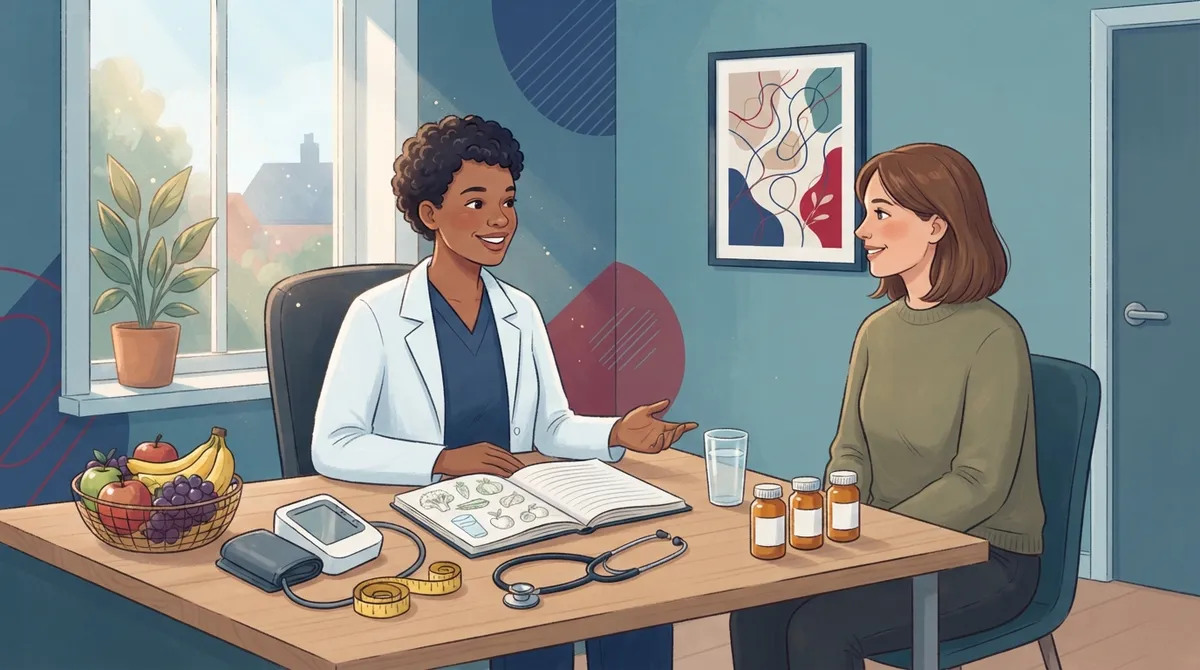
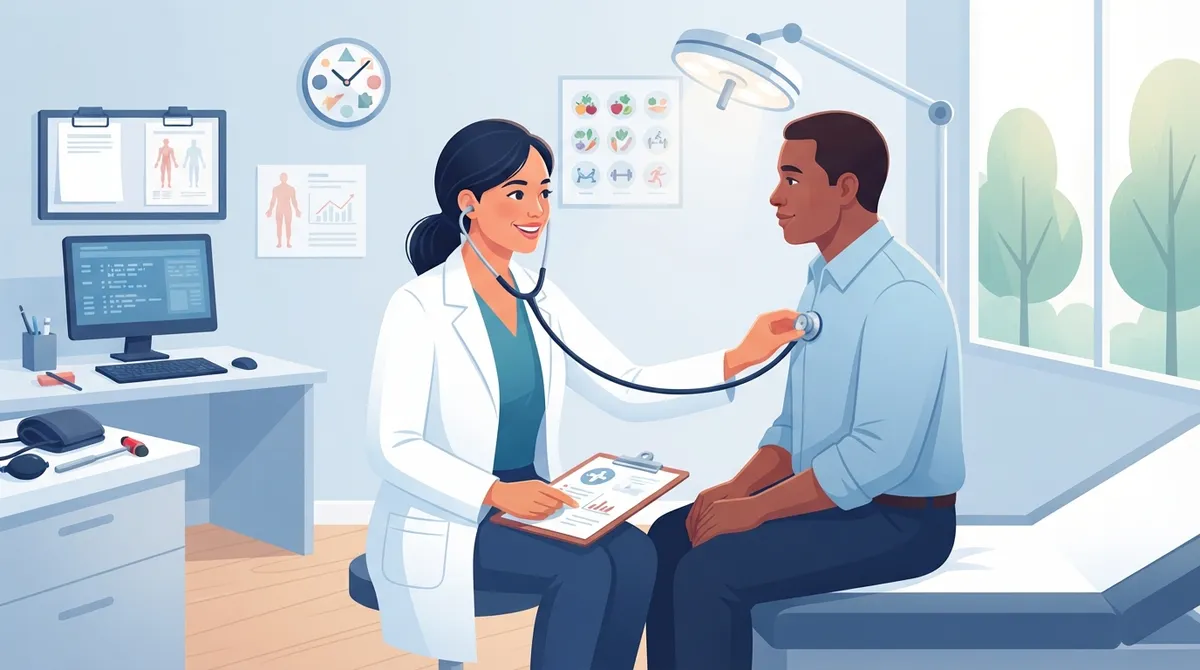
A primary care doctor is your main point of contact for health needs. This can be a family physician, internist, or another qualified clinician. Their job covers three main areas: prevention, treating new symptoms, and managing ongoing health conditions.
The Agency for Healthcare Research and Quality (AHRQ) describes high-quality primary care using five words: accessible, continuous, comprehensive, coordinated, and whole-person focused. That means your doctor doesn't just look at one symptom. They look at your entire health picture, including your history, your medications, your family risks, and your personal goals.
- Routine checkups and physical exams
- Age-appropriate screenings and immunizations
- Diagnosis and treatment of common illnesses
- Chronic disease management, like diabetes or high blood pressure
- Referrals to specialists when needed
- Coordination of your overall care team
Do I Need a Primary Care Doctor If I Feel Healthy?
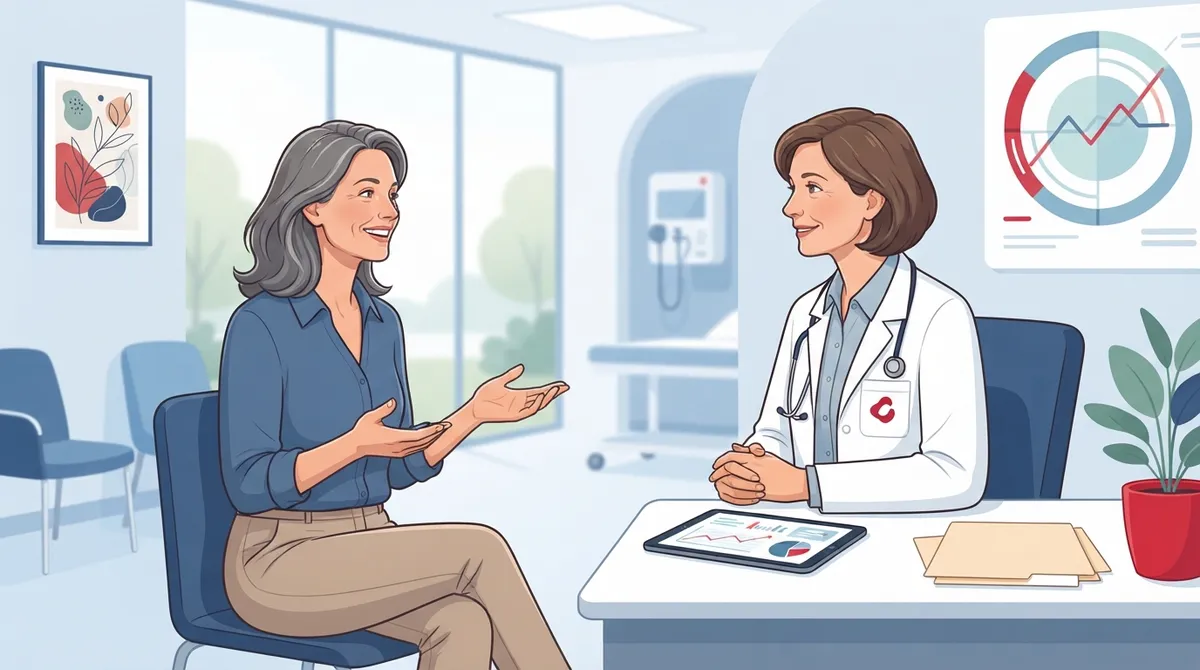
This is the question most people ask. The short answer is yes, and here's why. Feeling healthy today doesn't mean your body isn't quietly developing a problem. Many conditions, like high cholesterol or early-stage diabetes, show no symptoms until they become serious.
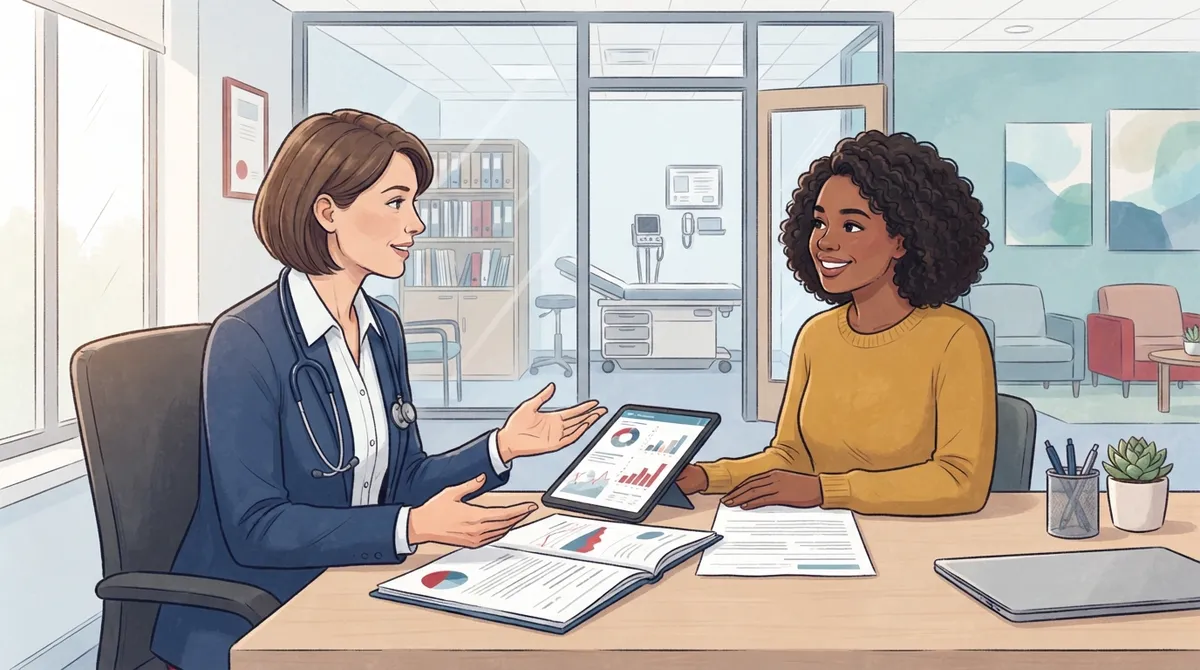
A regular annual wellness visit allows your doctor to catch these issues early. Research summarized by the American Academy of Family Physicians (AAFP) found that adults with primary care access had preventive screening rates of 96%, compared to just 68% for those without a regular doctor. The same research pointed to lower emergency room visits and hospitalizations for people with a primary care relationship.
For Gen Z health explorers and tech-savvy millennials who lean toward wellness optimization, this is especially relevant. Services like DNA gene testing and body composition analysis work best when paired with a doctor who can interpret results and build a personalized plan around them.
Who Benefits Most From Having a Primary Care Doctor?
While almost everyone benefits from primary care, some groups see even bigger advantages. Consider these situations:
- People managing chronic conditions. If you take daily medication or manage diabetes, asthma, or heart disease, a consistent doctor tracks your progress over time.
- Busy families with children. Kids need vaccines, growth checks, and sick visits. A family-focused practice simplifies scheduling for everyone.
- Women without an established doctor. Many women only see an OB/GYN and skip whole-body wellness visits, cancer screenings, and general prevention.
- Adults over 40. Screening needs increase with age, including colon, breast, and prostate cancer checks.
- Anyone on multiple medications. A primary doctor helps avoid harmful drug interactions and keeps your prescription list current.
If you fall into one of these categories, waiting until a problem shows up isn't the best strategy. To learn more about how ongoing care supports chronic condition management, see how primary doctors help manage chronic illnesses.
Primary Care vs. Urgent Care vs. Emergency Room
One common point of confusion is knowing where to go for care. Here's a simple breakdown to help you decide:
|
Care Type |
Best For |
Example Situations |
|---|---|---|
|
Primary Care |
Routine care and prevention |
Annual physicals, chronic disease management, screenings |
|
Urgent Care |
Non-life-threatening issues needing quick attention |
Minor cuts, flu symptoms, sprains, infections |
|
Emergency Room |
Life-threatening emergencies |
Chest pain, severe bleeding, difficulty breathing |
A primary care doctor is never a substitute for emergency care. If you experience severe symptoms, always seek emergency services first. But for everything else, having a regular doctor means faster answers and less guesswork. Learn more about when to choose urgent care for time-sensitive but non-emergency needs.
Can I Just Use Telehealth or a Community Clinic Instead?
Having one dedicated primary care doctor isn't the only way to access care. Community health centers, walk-in clinics, and telehealth services can all provide primary care services. The right choice depends on your location, insurance, and how complex your health needs are.
That said, continuity matters. Seeing different providers each time means repeating your medical history over and over. A dedicated doctor already knows your background, which speeds up diagnosis and treatment. Many practices, including InCare, now combine both worlds by offering flexible in-person and virtual options so you get consistency without sacrificing convenience.
What Should I Look for When Choosing a Primary Care Doctor?
Not all clinics offer the same experience. Here are a few things to check before choosing a provider:
- Same-day or next-day appointment availability
- Accepted insurance plans and transparent fees
- Access to advanced screenings and wellness services
- Clear communication about test results and referrals
- A location convenient to your home or work
If you're in the Tampa Bay area, InCare offers both Tampa and Riverview locations, along with virtual visits for added flexibility. Our providers, including Dr. Naveen Paddu, Dr. Pramjeet Ahluwalia, and Dr. Teshy John, focus on building long-term relationships with patients rather than one-time visits.
How InCare Makes Primary Care Simple
InCare was built around the idea that healthcare should be personal, not rushed. Beyond standard primary care, patients have access to advanced wellness services like cancer screenings, medically supervised weight loss programs, and IV hydration therapy. This combination appeals to patients who want more than a basic checkup. They want a partner in long-term health.
Our patients consistently share positive experiences, and you can see what patients say about InCare on Google before booking your first visit. We also share health tips and patient stories on Facebook, Instagram, and TikTok for those who want quick, digestible wellness content between visits.
What to Bring to Your First Appointment
Starting with a new doctor can feel overwhelming, but preparation makes it easier. Here's a simple checklist:
- Photo ID and insurance card
- List of current medications and supplements
- Past medical records, if available
- Family health history notes
- A list of questions or concerns you want to discuss
If you're traveling frequently for work or planning international travel, it's also worth noting that health documentation sometimes overlaps with other travel paperwork. Organizations like the International Driving Permit Association (IDPA) can help travelers keep their documentation organized alongside their health records when planning trips abroad.
Making the Decision
So, do you need a primary care doctor? If you want fewer surprises, faster answers when something feels off, and a partner who understands your health history, the answer is yes. Having a usual source of care doesn't guarantee instant appointments or full insurance coverage, but it does mean you're not starting from zero every time you need help.
Whether you're managing a chronic condition, exploring wellness optimization, or simply want a doctor who knows your name, establishing primary care is one of the most practical health decisions you can make. Ready to take the next step? Book your appointment with InCare today or reach out to our team to learn more about our Tampa and Riverview locations.
FAQs
Q: Do I need a primary care doctor if I feel healthy?
A: Yes, even healthy individuals benefit from regular checkups. Primary care visits catch early warning signs of conditions like high blood pressure or diabetes before symptoms appear, and they keep your screenings and immunizations on schedule.
Q: What is the difference between a primary care doctor and urgent care?
A: A primary care doctor manages your overall health over time, including prevention and chronic conditions. Urgent care handles non-life-threatening issues that need quick attention, like minor injuries or sudden illness, when your regular doctor isn't available.
Q: Can I use telehealth instead of seeing a primary care doctor in person?
A: Telehealth can provide many primary care services, but continuity of care matters most. Many patients benefit from a hybrid approach that combines virtual visits with occasional in-person appointments for exams and screenings.
Q: How often should I see my primary care doctor?
A: Most adults benefit from an annual wellness visit, though frequency depends on your age, health history, and any ongoing conditions. Your doctor can recommend a personalized schedule based on your specific risk factors.
Q: Do I need a referral from my primary care doctor to see a specialist?
A: This depends on your insurance plan. Many plans require a primary care referral before covering specialist visits, so it's worth confirming your policy's requirements before scheduling additional care.