
Key Takeaways
- Tesamorelin is FDA-approved (2010) with Phase III clinical trial data for visceral fat reduction in HIV-associated lipodystrophy, while CJC-1295 lacks FDA approval and has only limited early-phase human studies, making tesamorelin the evidence-backed option.
- CJC-1295 exists in two versions with vastly different half-lives: the non-DAC version lasts minutes while the DAC version lasts several days, whereas tesamorelin has a consistent 26-38 minute half-life requiring daily injections.
- CJC-1295 is predominantly a research compound without standardized dosing or quality control, while tesamorelin can be prescribed by primary care providers for its specific approved use with established safety protocols.
- Only pursue growth hormone peptides through licensed medical providers with full health evaluation and lab work, avoiding unregulated online sources, as CJC-1295's limited safety data requires careful medical supervision compared to tesamorelin's well-documented profile.
Growth hormone peptides get a lot of buzz in wellness circles today. Two names come up often: CJC-1295 and tesamorelin. Both work with your pituitary gland to influence growth hormone levels. But they are not the same, and knowing the difference matters for your health and safety.
If you are exploring wellness options at a clinic in Tampa or Riverview, you may have heard these terms mixed together. This guide breaks down what each peptide actually is, what the science says, and why medical guidance matters before trying either one. Understanding these facts helps you make smarter choices about your weight loss and wellness goals.
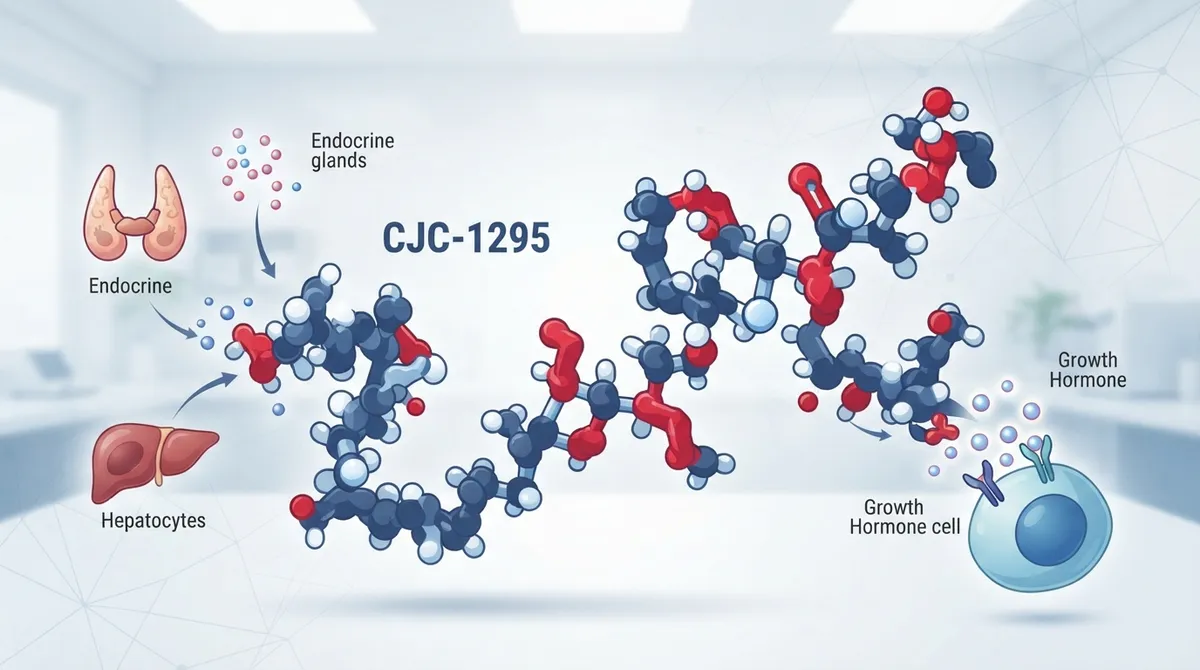
What Is CJC-1295?
CJC-1295 is a peptide that mimics growth hormone-releasing hormone, or GHRH. It is designed to signal your pituitary gland to release more growth hormone. You can read more details in our guide on what CJC-1295 actually does for your health.
Here is what you should know about this compound:
- CJC-1295 is not approved by the FDA for medical use in the United States.
- It is often discussed in research and wellness circles, not standard primary care treatment.
- There are two versions: one with DAC (Drug Affinity Complex) and one without.
- The version without DAC has a short half-life, lasting only minutes in the body.
- The DAC version lasts much longer, often described as staying active for several days.
- Human study data is limited, mostly coming from small early-phase trials.
Because of this limited evidence, CJC-1295 is not something you will find prescribed at a typical doctor's office for weight loss or anti-aging. It remains a research-focused compound rather than an approved therapy.

What Is Tesamorelin?
Tesamorelin is also a GHRH analog, but it holds a very different status. The FDA approved tesamorelin in 2010. Its approved use is specific: reducing excess visceral abdominal fat in adults with HIV-associated lipodystrophy.
Key facts about tesamorelin include:
- It is the only GHRH analog with full FDA approval for a defined medical condition.
- Its use is backed by Phase III randomized clinical trials, the gold standard of medical research.
- The plasma half-life is short, around 26 to 38 minutes, which is why it requires daily dosing.
- It has a much stronger body of human evidence compared to CJC-1295.
- It is not approved for general weight loss, bodybuilding, or anti-aging purposes.
If you want to understand more about how this peptide works for fat reduction, check our article on whether tesamorelin is right for reducing belly fat.
CJC-1295 vs Tesamorelin: Side-by-Side Comparison
Seeing the differences laid out clearly can help you understand why these two peptides are not interchangeable. The table below highlights the main points of comparison.
|
Factor |
CJC-1295 |
Tesamorelin |
|---|---|---|
|
FDA Approval Status |
Not approved |
Approved in 2010 |
|
Approved Use |
None |
Visceral fat reduction in HIV-associated lipodystrophy |
|
Human Evidence |
Limited, small early-phase studies |
Phase III randomized trial data |
|
Half-Life (No DAC) |
Minutes |
26 to 38 minutes |
|
Half-Life (With DAC) |
Several days |
Not applicable |
|
Typical Dosing |
Varies by research protocol |
Daily injection |
|
Common Wellness Use |
Research and experimentation |
Approved clinical indication only |
How These Peptides Work in the Body
Both CJC-1295 and tesamorelin target the same basic pathway. They stimulate the pituitary gland to release more growth hormone. This process can influence body composition, metabolism, and tissue repair over time.
However, stimulating this pathway does not mean the results are guaranteed or the same for every person. Here is a simple breakdown of the process:
- The peptide binds to GHRH receptors in the pituitary gland.
- This signals the gland to release growth hormone into the bloodstream.
- Growth hormone travels to the liver, prompting the release of another hormone called IGF-1.
- IGF-1 and growth hormone work together to affect fat metabolism, muscle tissue, and cell repair.
This shared mechanism is why the two peptides are often compared. But the strength of scientific proof behind each one is very different.
Why Regulatory Status Matters
One of the biggest differences between these two compounds comes down to approval and oversight. Tesamorelin went through rigorous clinical trials before reaching the market. CJC-1295 has not.
This distinction affects several things for anyone considering either option:
- Quality control and manufacturing standards can vary widely for unapproved compounds.
- Dosing guidelines for tesamorelin are established through research; CJC-1295 dosing is not standardized.
- Side effect profiles are better understood for approved medications like tesamorelin.
- Legal access differs, since tesamorelin can be prescribed for its approved use while CJC-1295 typically cannot.
This is why working with a licensed medical provider matters so much. A trained physician can explain what is backed by evidence and what remains experimental. Our providers at InCare focus on treatments supported by solid clinical research.
Common Side Effects to Understand
Both peptides can cause side effects, though the data is more complete for tesamorelin due to its clinical trial history. Reported effects for tesamorelin include injection site reactions, joint pain, and swelling. Some patients also report muscle discomfort.
For CJC-1295, side effect reporting is less consistent since most information comes from smaller studies or anecdotal wellness reports. Possible concerns mentioned in research literature include:
Water retention or swellingHeadachesInjection site irritationChanges in blood sugar levels
Because CJC-1295 lacks the same depth of safety data, any decision to explore it should involve careful medical supervision and honest conversation about the unknowns involved.
Who Might Benefit From Tesamorelin?
Tesamorelin's approved use is narrow and specific. It targets adults with HIV-associated lipodystrophy who have excess visceral fat. This is not a general weight loss drug, even though visceral fat reduction sounds appealing to many people.
If you are dealing with stubborn visceral fat and want a medically sound approach, primary care providers can help you explore FDA-approved options that fit your specific health profile. Programs like body composition analysis can also help you understand your current fat distribution before deciding on any treatment path.
Is CJC-1295 Ever Used in Wellness Settings?
You may encounter CJC-1295 discussed in wellness or longevity circles, often paired with anti-aging or muscle-building claims. It is important to separate marketing language from medical fact.
Since CJC-1295 lacks FDA approval and strong human trial data, primary care clinics generally do not offer it as a standard treatment. Reputable providers prioritize therapies with proven safety and efficacy records. This is one reason InCare focuses on evidence-based services rather than unproven compounds.
Steps to Take Before Considering Either Peptide
If you are curious about growth hormone peptides, do not rely on internet forums or social media claims. Instead, follow a more responsible path:
- Schedule a consultation with a licensed primary care provider to discuss your health goals.
- Ask about your specific condition and whether an FDA-approved option like tesamorelin applies to you.
- Request lab work or body composition testing to establish a clear baseline.
- Discuss all potential risks, benefits, and alternatives with your provider.
- Avoid sourcing peptides from unregulated online sellers.
Following these steps protects your health and ensures you are making decisions based on facts, not hype.
Why Choose a Trusted Primary Care Partner
Peptide therapy conversations should always happen within a medical setting that values transparency and safety. At InCare, our team in Tampa and Riverview helps patients understand which treatments are backed by real evidence. We combine advanced diagnostics, including DNA gene testing and metabolic breath analysis, with honest medical guidance.
Patients consistently share positive experiences with our clinical team. You can visit us on Google — InCare to see what our patients have to say about their care experience. We also share health tips and clinic updates on Facebook, Instagram, and TikTok.
Final Thoughts on CJC-1295 vs Tesamorelin
The comparison between CJC-1295 and tesamorelin comes down to one clear point: only tesamorelin carries FDA approval and strong clinical trial support. CJC-1295 remains a research compound without the same safety data or regulatory backing.
If visceral fat reduction or growth hormone support is part of your health goals, the smartest first step is a conversation with a qualified provider. Our team can review your health history, discuss evidence-based options, and help you build a plan that fits your body and your goals. Book your appointment today and take the next step toward informed, medically sound wellness care.
FAQs
Q: What is the difference between CJC-1295 and tesamorelin?
A: CJC-1295 is a research compound without FDA approval, while tesamorelin is FDA-approved for reducing visceral fat in adults with HIV-associated lipodystrophy. Tesamorelin also has stronger clinical trial evidence supporting its use.
Q: Is tesamorelin FDA approved?
A: Yes, the FDA approved tesamorelin in 2010 for a specific medical condition involving excess visceral abdominal fat in adults with HIV-associated lipodystrophy. It is not approved for general weight loss or anti-aging purposes.
Q: Is CJC-1295 legal or approved for medical use?
A: CJC-1295 is not approved by the FDA for medical use in the United States. It is generally discussed as a research compound rather than a standard clinical treatment.
Q: Which peptide is better for visceral fat loss?
A: Tesamorelin has the stronger evidence base for visceral fat reduction, including Phase III randomized clinical trial data. CJC-1295 lacks this level of proven research support.
Q: Can primary care doctors prescribe tesamorelin?
A: Primary care providers can discuss tesamorelin for its approved indication and determine if it fits a patient's specific medical needs. Any decision should involve a full evaluation of your health history and goals.