
Key Takeaways
- FDA-approved weight loss injections like semaglutide and tirzepatide can achieve 14.9% to 20.9% body weight loss without surgery by working on hunger hormones and brain signals, not altering your stomach.
- You qualify if your BMI is 30+ or 27+ with weight-related conditions like diabetes or high blood pressure; a licensed provider must review your full medical history before prescribing.
- Avoid unverified online sellers and compounded medications—only use FDA-approved injections from licensed clinics to prevent dosing errors, contamination, and safety risks.
- Weight loss injections require gradual dosing over weeks, regular follow-up appointments, and long-term use since weight typically returns after stopping medication, making them a managed health condition rather than a quick fix.
If you have struggled with weight loss and dread the idea of surgery, you are not alone. Many people search for safer, simpler options before considering bariatric surgery. The good news is clear: prescription weight loss injections are available without surgery. These treatments work with your body, not through an operating room, and they have helped many patients see real results.
At InCare, our weight loss programs combine FDA-approved medications with expert medical guidance. Whether you live in Tampa or Riverview, Florida, our team can help you figure out if injectable treatment fits your health needs. This guide breaks down how these injections work, who qualifies, and what to expect along the way.

What Are Weight Loss Injections Without Surgery?
Weight loss injections are prescription medicines given under the skin, usually with a small pen device. You do not need surgery to use them. They are meant to work alongside a healthy eating plan and regular exercise, not replace them.
These medications are different from bariatric surgery in one major way. They do not change your stomach or intestines. Instead, they work on hormones and brain signals that control hunger and fullness.
How Injectable Medications Work
Most weight loss injections belong to a drug class called GLP-1 receptor agonists. Some newer options also target a second hormone pathway called GIP. Together, these medications help you feel full sooner and reduce cravings throughout the day.
- They slow down how fast food leaves your stomach, helping you feel satisfied longer.
- They act on brain areas that control appetite and hunger signals.
- They help improve blood sugar control in people with insulin resistance or diabetes.
- They are given as a weekly or daily injection, depending on the specific drug.
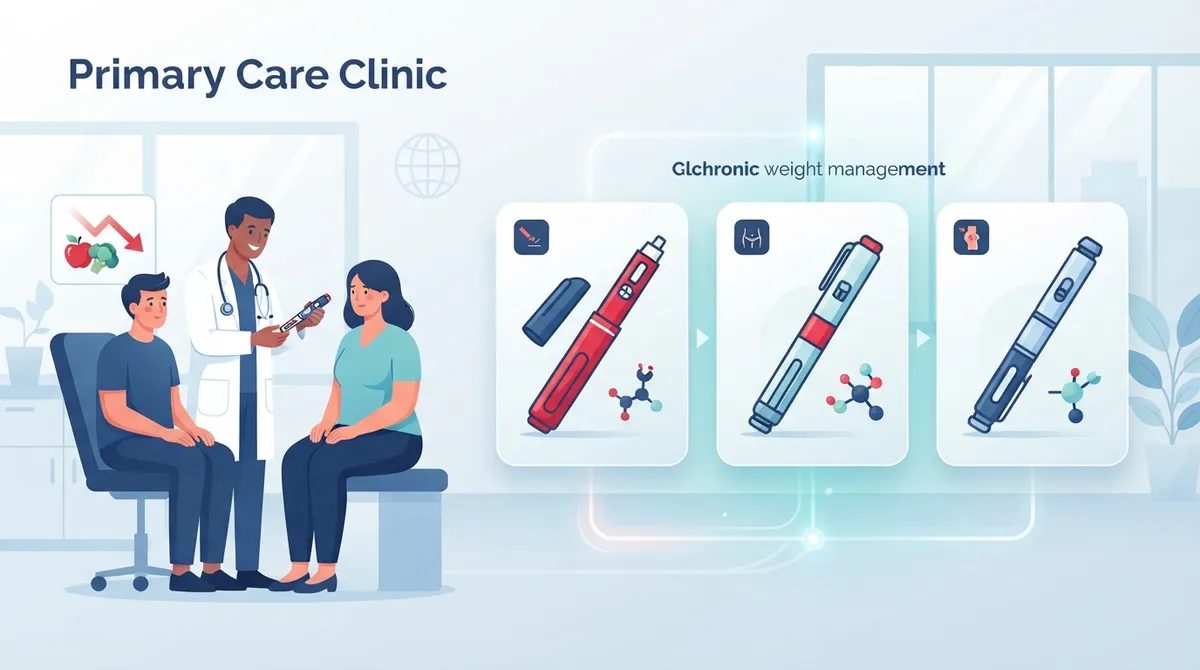
FDA-Approved Options for Medical Weight Management
Not all weight loss injections are the same. It is important to know which medications are approved and proven safe by the FDA. Below is a simple breakdown of the main options used today.
|
Medication |
Active Ingredient |
Injection Frequency |
Average Weight Loss (Trial Data) |
|---|---|---|---|
|
Wegovy |
Semaglutide |
Once weekly |
~14.9% of body weight over 68 weeks |
|
Zepbound |
Tirzepatide |
Once weekly |
~15% to 20.9% of body weight over 72 weeks |
|
Saxenda |
Liraglutide |
Once daily |
Lower than weekly options; less commonly used |
These numbers come from major clinical trials. The STEP 1 trial tested semaglutide, and the SURMOUNT-1 trial tested tirzepatide. Both studies showed much greater weight loss than placebo groups. Individual results vary based on dose, diet, activity level, and overall health.
Who Qualifies for Weight Loss Injections?
Doctors do not prescribe these medications to everyone who wants to lose a few pounds. There are specific medical guidelines used to determine who is a good candidate.
Common Eligibility Criteria
- A body mass index (BMI) of 30 or higher, which is classified as obesity.
- A BMI of 27 or higher along with a weight-related health condition, such as high blood pressure, type 2 diabetes, high cholesterol, heart disease, or sleep apnea.
- A review of your full medical history, including past surgeries, medications, and family history.
- No personal or family history of certain thyroid cancers or specific endocrine conditions.
Keep in mind that BMI is only one part of the picture. A qualified primary care provider will also look at your overall health, lifestyle, and goals before recommending any treatment plan.
What Happens During Treatment
Starting weight loss injections is a gradual process. Your provider will not jump straight to the highest dose. This step-by-step approach helps limit side effects and lets your body adjust safely.
Typical Treatment Steps
- Initial consultation and health screening, including blood work and BMI review.
- Starting on a low dose of medication, often for the first four weeks.
- Gradual dose increases over several weeks, based on how you respond.
- Regular follow-up visits to monitor weight, blood pressure, blood sugar, and side effects.
- Ongoing lifestyle support, including nutrition and activity guidance.
For example, Zepbound dosing typically increases over four to 20 weeks before reaching a maintenance dose. Your provider will adjust the schedule based on your body's response and any side effects you experience.
Possible Side Effects to Know About
Like any medication, weight loss injections can cause side effects. Most are mild and improve over time as your body adjusts.
- Nausea, especially when starting or increasing your dose
- Vomiting or upset stomach
- Diarrhea or constipation
- Reduced appetite
- Indigestion or bloating
Less common but more serious risks include gallbladder problems, pancreatitis, and dehydration that can affect kidney function. This is why medical supervision matters so much. Your provider can catch problems early and adjust your treatment plan as needed.
Why Choosing a Licensed Provider Matters
You may have seen weight loss injections advertised online or through social media sellers. This is where caution becomes critical. The FDA has warned about unapproved and compounded GLP-1 products that skip standard safety review. These products may carry risks like dosing errors, contamination, or incorrect ingredients.
Working with a licensed clinic protects you from these risks. At InCare, our providers only prescribe FDA-approved medications through trusted pharmacies. This means you get real oversight, not guesswork.
Signs You Are Working With a Trustworthy Clinic
- A licensed physician reviews your medical history before prescribing anything.
- Lab work and vital signs are checked regularly during treatment.
- Medications come from FDA-approved sources, not unverified online sellers.
- You receive a full treatment plan, not just a prescription.
- Follow-up appointments are built into your care plan.
Long-Term Success With Weight Loss Injections
Weight loss injections are often part of a longer journey, not a quick fix. Research shows that weight can return after stopping medication. This is why many providers view these treatments as a long-term approach, similar to managing blood pressure or diabetes.
Regular follow-up appointments help track your progress and address any changes. These visits often review weight, blood pressure, blood sugar, and side effects. Your provider may also discuss nutrition, exercise, and whether your treatment plan still fits your goals.
InCare also offers supporting services like body composition analysis and DNA gene testing to help personalize your weight management plan even further. These tools give a fuller picture of your metabolism and health risks, helping your care team make smarter recommendations.
Comparing Weight Loss Injections to Other Options
Many patients want to know how injections stack up against other approaches. Here is a simple comparison to help you understand the differences.
|
Approach |
Invasiveness |
Typical Weight Loss |
Reversibility |
|---|---|---|---|
|
Weight Loss Injections |
Non-surgical; subcutaneous shot |
Moderate to significant, varies by drug |
Fully reversible by stopping medication |
|
Bariatric Surgery |
Surgical procedure |
Often greater, but with surgical risk |
Not easily reversible |
|
Diet and Exercise Alone |
Non-invasive |
Variable, often modest without support |
Fully reversible |
This comparison shows why injections appeal to many patients. They offer meaningful results without the risks and recovery time linked to surgery.
Getting Started at InCare
InCare combines advanced technology with real medical expertise to guide your weight loss journey. Our team reviews your health history, discusses your goals, and builds a plan designed around your body's needs. We also offer services like IV hydration and vitamin drips and metabolic breath analysis to support your overall wellness during treatment.
Patients in Tampa and Riverview trust InCare because we focus on whole-body health, not just a number on the scale. You can learn more about our approach by visiting our locations page or reading about what makes medical weight loss different from dieting.
We also share patient experiences and health tips on Facebook, Instagram, and Tik Tok. You can also visit us on Google — InCare to see reviews from patients who have gone through our weight loss programs.
Final Thoughts on Weight Loss Injections
Yes, you can get weight loss injections without surgery. Options like semaglutide and tirzepatide offer real, proven results when prescribed and monitored by a licensed provider. These treatments require careful evaluation, gradual dosing, and ongoing follow-up, but they give many patients a safer path toward their health goals.
If you are ready to explore whether weight loss injections are right for you, our team at InCare is here to help. Reach out to our team today to schedule a consultation, or book your appointment now to start your personalized weight loss journey with trusted medical support in Tampa or Riverview.
FAQs
Q: Can I get weight loss injections without having surgery?
A: Yes. Prescription weight loss injections such as semaglutide and tirzepatide can be given without any surgical procedure. They are injected under the skin and used alongside diet and exercise, offering a non-surgical path to meaningful weight loss for qualifying patients.
Q: Do I qualify for Wegovy or Zepbound based on my BMI?
A: Adults with a BMI of 30 or higher, or a BMI of 27 or higher with a weight-related condition like high blood pressure or type 2 diabetes, may qualify. A primary care provider will review your full health history before confirming eligibility.
Q: How much weight can I lose with semaglutide or tirzepatide?
A: Clinical trials show average weight loss of about 14.9% of body weight with semaglutide over 68 weeks, and 15% to 20.9% with tirzepatide over 72 weeks, depending on dose. Individual results vary based on diet, activity, and adherence.
Q: Are compounded semaglutide or tirzepatide injections safe?
A: Compounded versions are not FDA-approved and have not gone through the same safety and quality review as approved medications. The FDA has raised concerns about dosing errors, contamination, and incorrect ingredients in these products, so patients should seek treatment through licensed providers using approved medications.
Q: How long do I need to take weight loss injections?
A: Many patients use these medications long-term, since weight can return after stopping treatment. Your provider will monitor your progress through regular follow-up visits and adjust your plan based on your health goals and response to treatment.