Key Takeaways
- Standard oral glutathione tablets have poor bioavailability with less than 10% reaching the bloodstream intact, while advanced formulations like orobuccal products can achieve over 80% absorption within 30-60 minutes.
- Formulation type matters far more than the ingredient itself—liposomal and orobuccal delivery systems significantly outperform standard pills due to protection from stomach acid and digestive enzymes.
- Before starting oral glutathione, consult a healthcare provider about your specific goals, get blood testing to establish a baseline, and review your diet for natural glutathione-supporting foods like broccoli and Brazil nuts.
- Dietary approaches including sulfur-rich vegetables, high-quality proteins, and adequate sleep may provide more sustainable antioxidant support than relying solely on supplements.
- Research shows inconsistent results for common glutathione claims; one study found no improvement in oxidative stress markers with standard supplements, while longer trials with better-formulated products showed more promise.
- Orobuccal (mouth-dissolved) formulations and IV glutathione offer faster results than standard oral tablets, with orobuccal showing measurable absorption in 30-60 minutes and IV providing immediate delivery under medical supervision.
If you have searched for ways to boost your body's antioxidant levels, you have likely come across glutathione supplements. Bottles line the shelves of wellness stores, promising brighter skin, better energy, and detox support. But there is a question many people forget to ask before buying: can your body actually absorb oral glutathione? The answer is more complicated than a simple yes or no, and understanding it can save you money and help you choose the right wellness approach.
Glutathione is one of the most important antioxidants your body makes. It protects cells, supports liver function, and helps fight oxidative stress. Many people want more of it, especially as they age or deal with chronic health issues. This guide breaks down what research actually says about oral glutathione absorption, how it compares to other delivery methods, and what this means for your wellness routine. At InCare, our providers in Tampa and Riverview help patients sort fact from marketing hype when it comes to supplements like this one.

What Is Glutathione and Why Does It Matter
Glutathione is a small molecule made from three amino acids. Your liver produces it naturally, and it plays a major role in protecting your cells from damage. Think of it as your body's internal cleanup crew, neutralizing harmful molecules called free radicals before they cause harm.
As people age, or face illness, stress, or poor diet, glutathione levels can drop. This has led to growing interest in supplements that claim to restore or boost these levels. But the method of delivery matters a great deal, and that is where the science gets interesting.
How Your Body Normally Processes Glutathione
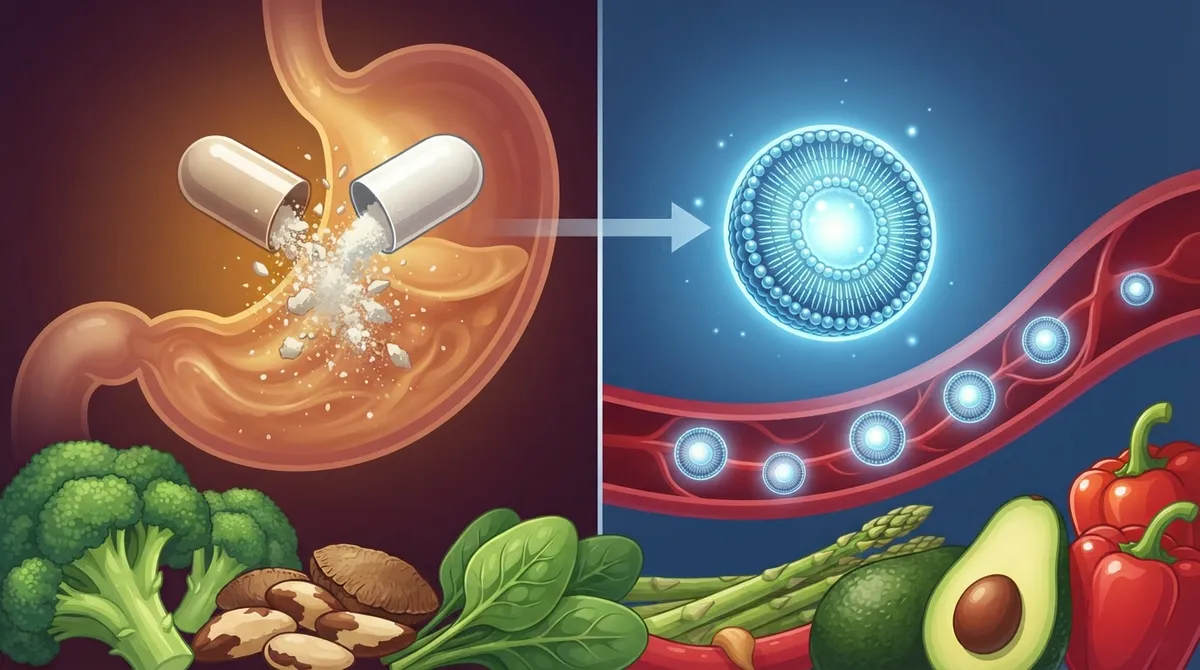
When you swallow a standard glutathione pill, it must survive your stomach acid and digestive enzymes before it can enter your bloodstream. This is a tough journey. Most of it gets broken down into smaller parts long before it reaches your cells intact.

Can You Absorb Oral Glutathione? The Short Answer
Yes, you can absorb some oral glutathione, but the amount depends heavily on the type of product you use. Standard swallowed tablets have poor bioavailability, meaning very little of the active compound makes it into your blood. Newer formulations, however, show much better results.
Research published in a peer-reviewed review found that standard oral glutathione is only sparingly absorbed. Less than 10 percent may enter the bloodstream in its active form. That is a significant limitation for anyone hoping a basic pill will deliver noticeable results.
Key Research Findings on Absorption
- A review found that under 10 percent of standard oral glutathione reaches systemic circulation, while orobuccal (absorbed through the mouth lining) delivery may exceed 80 percent absorption.
- A six-month randomized controlled trial discovered that daily oral glutathione supplementation increased body compartment stores in healthy adults over time.
- An orobuccal formulation study showed measurable absorption through the oral mucosa within 30 to 60 minutes after use.
- A recent study on a micellar glutathione formulation found higher systemic exposure than standard glutathione, with native oral bioavailability below 1 percent compared to 11.3 percent for the tested analog.
- One short-term study found no significant improvement in oxidative stress markers after using standard oral supplements in healthy adults.
These findings tell an important story. Formulation matters more than the ingredient itself. A poorly designed pill may do very little, while an advanced delivery system can make a real difference.
Comparing Different Glutathione Delivery Methods
Not all glutathione products work the same way. Below is a breakdown of common delivery methods and what research says about each one.
Delivery MethodEstimated AbsorptionTime to Notice EffectBest ForStandard Oral TabletsUnder 10%Weeks to months, if at allBudget-conscious users, mild supportLiposomal Oral GlutathioneModerate improvement over standardSeveral weeksThose wanting oral convenience with better deliveryOrobuccal (Oral Mucosa) FormulationUp to 80%+30 to 60 minutesFast, targeted absorption without needlesMicellar FormulationHigher systemic exposure than standardVaries by productPatients seeking improved oral bioavailabilityIV GlutathioneNear 100% (bypasses digestion)ImmediateRapid, direct delivery under medical supervision
This table shows why the phrase "oral glutathione" cannot be treated as one single thing. The delivery system changes everything about how much your body actually uses.
Why Absorption Is So Difficult for Standard Pills
Your digestive system is designed to break down proteins and peptides, which is exactly what glutathione is made of. This process, while necessary for digesting food, works against supplements trying to reach your bloodstream intact.
- Stomach acid breaks down the peptide bonds holding glutathione together
- Digestive enzymes further degrade the molecule before absorption
- The gut wall itself limits how much intact glutathione can pass through
- Liver metabolism can further reduce what little makes it into circulation
- Individual differences in gut health and enzyme activity add more variability
These barriers explain why researchers have spent years developing better delivery systems. Some methods try to protect the molecule during digestion, while others skip the digestive tract entirely.
What Makes Liposomal and Orobuccal Formulas Different
Liposomal glutathione wraps the molecule in a fatty coating, which may help it survive stomach acid longer. Orobuccal products dissolve in the mouth, allowing some absorption directly through the cheek and gum tissue, bypassing the stomach altogether.
Oral vs. Liposomal vs. IV Glutathione: What Sets Them Apart
Many patients ask our team at InCare about the differences between these three approaches. Here is a simple breakdown to help you understand your options.
FeatureStandard OralLiposomal OralIV GlutathioneRequires DigestionYesPartially bypassedNoAbsorption SpeedSlow, limitedImproved but variableImmediateConvenienceHighHighRequires clinic visitCostLowerModerateHigherMedical SupervisionNot requiredNot requiredRecommended
For patients seeking guided, supervised wellness support, our IV hydration and vitamin drip services offer a direct way to explore antioxidant and wellness therapies with professional oversight.
Does Oral Glutathione Actually Work for Common Wellness Goals
People often turn to glutathione supplements for specific reasons. Here is what current evidence suggests about common uses.
Skin Lightening and Brightening Claims
Glutathione has become popular in skincare circles for its supposed skin-lightening effects. Some small studies show modest changes in skin tone with certain formulations, but results vary widely and are not guaranteed. Standard oral pills are unlikely to produce dramatic changes given their poor absorption rate.
Detox and Liver Support
Since your liver naturally produces glutathione, some believe supplementing supports detox processes. The six-month trial mentioned earlier found that daily oral supplementation did increase body glutathione stores over time, suggesting some benefit with consistent use of the right formulation.
General Antioxidant and Wellness Support
For overall wellness, results depend on the product and the person. One short-term study found no measurable improvement in oxidative stress markers, while longer trials with better-designed products showed more promise. This inconsistency is why working with a knowledgeable primary care provider matters.
Steps to Take Before Trying Oral Glutathione
- Talk with a primary care provider about your specific health goals and current medications.
- Ask about formulation type, since standard pills differ greatly from liposomal or orobuccal products.
- Review your diet first, since foods rich in sulfur and amino acids support natural glutathione production.
- Consider blood testing to establish a baseline before starting any new supplement.
- Monitor for side effects, including mild digestive upset, which some users report.
- Set realistic expectations based on the specific product and its research backing.
- Follow up with your provider after a few months to assess whether the supplement is making a difference.
Our providers at InCare can help guide you through this process. If you are curious whether glutathione supplementation fits your wellness plan, our team can review your health history during a visit. You can reach out to our care team to schedule a consultation, or explore our online booking option for a convenient appointment time.
Foods and Nutrients That Support Natural Glutathione Production
Instead of relying solely on supplements, you can support your body's own glutathione production through diet. This approach works alongside your body's natural systems rather than trying to bypass them.
- Sulfur-rich vegetables like broccoli, cauliflower, and Brussels sprouts
- High-quality protein sources that provide amino acid building blocks
- Vitamin C and vitamin E, which help recycle glutathione in the body
- Selenium-rich foods such as Brazil nuts and seafood
- Adequate sleep and stress management, since both affect antioxidant levels
- Regular physical activity, which has been linked to improved antioxidant status
These lifestyle factors often provide a more sustainable foundation than supplements alone. A comprehensive wellness visit can help identify where your diet and lifestyle may already be supporting your antioxidant levels, and where gaps might exist.
Safety Considerations and Side Effects
Oral glutathione is generally considered safe for most healthy adults when taken at recommended doses. However, some people report mild digestive discomfort, bloating, or cramping. Rare allergic reactions have also been documented.
Because glutathione can interact with certain medications and health conditions, it is wise to discuss supplementation with a healthcare provider first. This is especially true for pregnant or breastfeeding individuals, and those with existing liver or kidney conditions. Our primary care team can review your full health picture before recommending any new supplement.
Why Personalized Guidance Matters More Than Trends
Wellness trends move fast, and glutathione is currently having a moment across social media and skincare marketing. But trends do not always match the science. The research is clear that formulation, dose, and individual health status all shape whether oral glutathione will do anything meaningful for you.
This is why working with a trusted primary care and wellness provider matters. At InCare, our physicians combine current research with personalized health data, including options like DNA gene testing and body composition analysis, to build wellness plans that actually fit your body's needs rather than following the latest trend.
Patients across Tampa and Riverview have shared their experiences with our team, and you can visit us on Google — InCare to read what our community says about their care. You can also follow our latest wellness tips and clinic updates on Facebook, Instagram, and TikTok for practical health guidance you can trust.
Making an Informed Decision About Oral Glutathione
So, can you absorb oral glutathione? The honest answer is that it depends on the product. Standard tablets offer limited absorption, often under 10 percent, while advanced formulations like orobuccal or micellar products show meaningfully better results. Neither option guarantees dramatic results for every person, and outcomes vary based on dose, formulation, and individual health.
The best path forward is not guessing which product to try based on marketing claims. Instead, talk with a provider who understands both the research and your personal health history. Our team at InCare serves patients throughout Tampa and Riverview, offering convenient locations and a range of wellness services designed around real science, not hype.
Ready to get personalized answers about glutathione, antioxidants, or your overall wellness plan? Contact our team today to schedule a consultation and take the guesswork out of your supplement routine.
FAQs
Q: Can you absorb oral glutathione at all?
A: Yes, but the amount absorbed depends on the formulation. Standard tablets are poorly absorbed, with under 10 percent typically entering the bloodstream, while orobuccal and micellar formulations show significantly higher absorption rates.
Q: Is liposomal glutathione better absorbed than regular glutathione?
A: Research suggests liposomal formulations may offer improved absorption compared to standard tablets because the fatty coating helps protect the molecule during digestion. However, results still vary between individuals and specific products.
Q: How long does oral glutathione take to work?
A: This depends on the formulation and your goal. Orobuccal products show absorption within 30 to 60 minutes, while standard oral supplementation may require weeks to months of consistent use before any measurable change occurs.
Q: What is the difference between oral, liposomal, and IV glutathione?
A: Standard oral glutathione must survive digestion and has low bioavailability. Liposomal versions offer some protection during digestion. IV glutathione bypasses the digestive system entirely, delivering the compound directly into the bloodstream under medical supervision.
Q: Are there side effects or safety concerns with oral glutathione?
A: Oral glutathione is generally well tolerated, though some people report mild digestive upset. It is best to discuss supplementation with a primary care provider, especially if you take other medications or have existing health conditions.