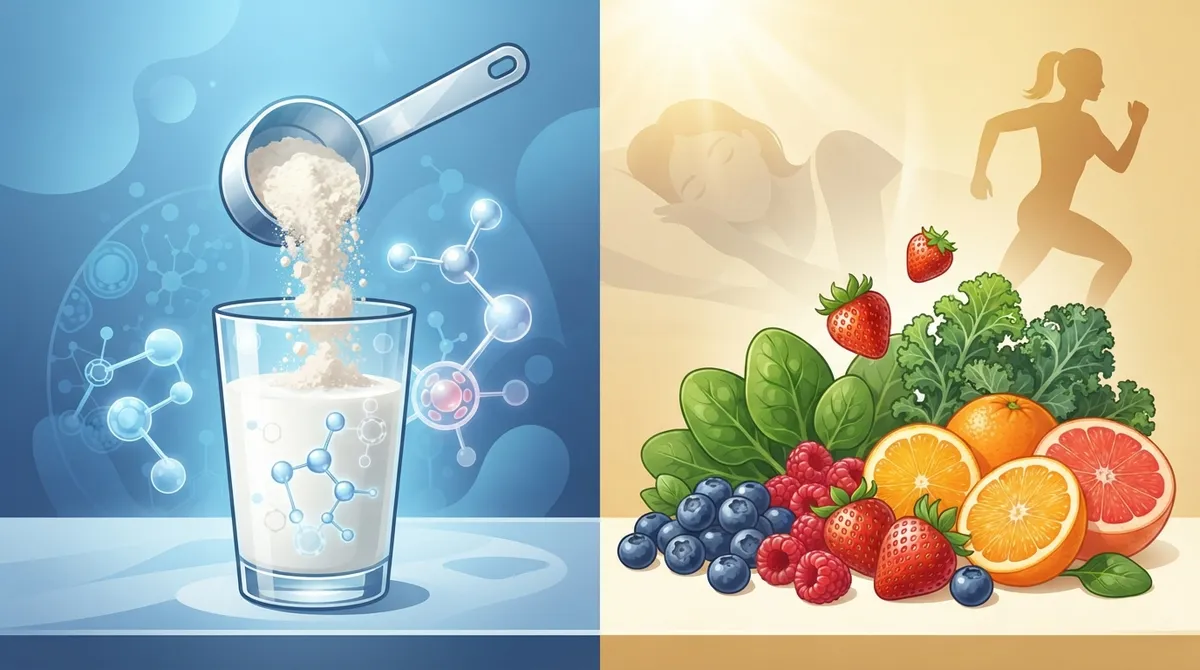
Key Takeaways
- Higher whey protein doses (45 grams/day) showed a 24% increase in lymphocyte glutathione in healthy adults, but results are inconsistent across studies and populations, so effects are not guaranteed.
- Whey protein isolate is better tolerated than concentrate for lactose-sensitive individuals, and third-party testing certifications should be checked to ensure product quality and accurate labeling.
- People with chronic kidney disease, liver disease, or milk allergies should avoid high-dose whey protein supplements without medical guidance, making personalized provider consultation essential before starting.
- A well-rounded approach including fruits, vegetables, quality sleep, exercise, and stress management typically matters more for long-term antioxidant health than relying on any single supplement.
Many wellness seekers ask if a simple protein shake can boost the body's most powerful antioxidant. The link between whey protein and glutathione has become a hot topic among people chasing better energy, sharper immunity, and slower aging. But does the science actually back up the hype, or is this another wellness trend running ahead of the evidence?
At InCare, we believe patients deserve clear answers grounded in research, not marketing claims. This guide breaks down what whey protein can and cannot do for glutathione production, who should be cautious, and how a personalized approach through primary care can help you make smarter choices about your daily nutrition and supplement routine.
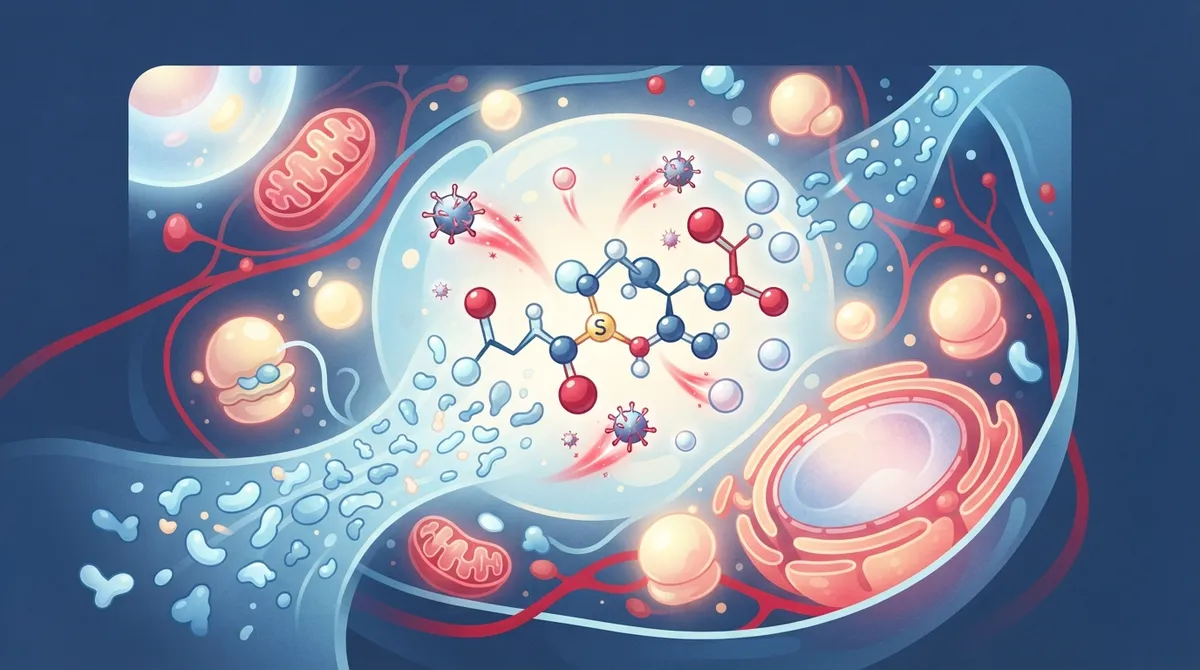
What Is Glutathione and Why Does It Matter?
Glutathione is often called the body's master antioxidant. It is made from three amino acids: glutamate, cysteine, and glycine. This molecule helps protect cells from damage, supports the immune system, and plays a role in detoxifying the liver.
Cysteine is usually the hardest of these three building blocks to get in large amounts from a typical diet. This is where whey protein enters the conversation, since it contains cysteine-rich compounds, including cystine, that may act as raw material for glutathione production.
How Whey Protein May Support Glutathione Production
Whey protein comes from milk and is a common ingredient in protein powders and shakes. Because it is naturally high in cysteine-containing compounds, some researchers believe it could help the body make more glutathione.
This idea is not new. Studies going back decades have looked at whether whey protein supplementation increases glutathione levels in blood cells, tissues, or plasma. The results are promising in some cases, but far from definitive across the board.

What Does the Research Actually Show?
Let's look at the real data behind this connection, since headlines can often oversimplify complex science.
- A 14-day study in healthy adults tested whey protein doses of 15, 30, and 45 grams per day in 18 participants. The 45-gram dose produced roughly a 24% increase in lymphocyte glutathione, showing a dose-related pattern.
- A six-month pilot study in Parkinson's disease patients found that undenatured whey protein raised plasma reduced glutathione and improved the reduced-to-oxidized glutathione ratio. However, it did not significantly improve clinical Parkinson's symptoms.
- A 12-week trial in cancer patients receiving chemotherapy showed that whey protein combined with zinc and selenium increased glutathione, albumin, and immunoglobulin G compared to standard care. This supports nutritional benefit, not a cancer treatment claim.
- A study in adults with advanced HIV infection found that one whey formulation raised plasma glutathione by about 44% after two weeks, though results varied widely by product type.
- A six-week study in trained men found no immediate glutathione response within four hours of whey intake. However, whey supplementation appeared to reduce the drop in glutathione typically seen after intense exercise.
These findings suggest whey protein may support glutathione levels in certain situations. But the studies are small, short-term, and often focused on specific populations like athletes or patients with chronic conditions.
Key Statistics at a Glance
|
Study Population |
Whey Protein Dose |
Reported Glutathione Change |
|---|---|---|
|
Healthy adults (14 days) |
45 grams/day |
~24% increase in lymphocyte GSH |
|
Cancer patients (12 weeks) |
40 grams/day plus zinc and selenium |
11.7% increase in glutathione |
|
HIV patients (2 weeks) |
Varied by formulation |
44% increase (plus or minus 56%) |
|
Parkinson's patients (6 months) |
Undenatured whey protein |
Increased plasma reduced GSH; no symptom improvement |
|
Trained men (6 weeks) |
Not specified in detail |
Reduced exercise-related GSH decline |
Should You Try Whey Protein for Antioxidant Support?
Whey protein is not a proven glutathione treatment. It is best viewed as a convenient way to meet your daily protein needs, with a possible bonus effect on antioxidant capacity. Before adding it to your routine, consider these factors.
- Your current total protein intake from food sources
- Whether you have a milk allergy or lactose intolerance
- Any history of kidney disease or liver conditions
- Your overall diet quality, including fruits, vegetables, and whole grains
- Your fitness goals and activity level
- Whether you are pregnant or managing a complex medical condition
If you are unsure how whey protein fits into your health plan, a conversation with your provider can help clarify what makes sense for your body.
Whey Protein Concentrate vs. Isolate
Not all whey products are the same. Understanding the difference can help you choose wisely.
|
Feature |
Whey Protein Concentrate |
Whey Protein Isolate |
|---|---|---|
|
Protein Content |
70-80% |
90% or higher |
|
Lactose Content |
Higher |
Lower |
|
Best For |
General protein support |
Lactose-sensitive individuals |
|
Cost |
Lower |
Higher |
Who Should Be Cautious About Whey Protein?
While whey protein is generally safe for most healthy adults, certain groups need to be more careful. Primary care guidance is especially important in these cases.
- People with a true cow's-milk-protein allergy should avoid whey entirely, since it is a milk-derived protein.
- Those with lactose intolerance may tolerate whey isolate better than concentrate, but individual reactions vary.
- Patients with chronic kidney disease need individualized protein targets and should not self-prescribe high-dose supplements.
- People with significant liver disease should discuss protein sources with a clinician before adding supplements.
- Pregnant individuals with specific nutritional needs should consult a provider before starting any new supplement.
A 2018 systematic review found that higher-protein diets did not significantly worsen kidney function in healthy adults. However, this does not apply to people who already have kidney disease, which is why personalized advice matters.
Beyond Whey Protein: Other Ways to Support Glutathione
Whey protein is just one piece of the puzzle. A well-rounded approach to antioxidant health includes several lifestyle factors working together.
- Eating a diet rich in fruits, vegetables, and legumes
- Getting consistent, quality sleep each night
- Staying physically active with regular movement
- Managing chronic stress through healthy coping strategies
- Avoiding excessive alcohol and tobacco use
- Working with a provider to address underlying health conditions
These foundational habits often matter more for long-term wellness than any single supplement. At InCare, our weight loss and wellness programs focus on this whole-body approach rather than quick fixes.
How InCare Approaches Nutrition and Antioxidant Support
Every patient is different, which is why cookie-cutter supplement advice rarely works well. Our team at InCare uses tools like DNA gene testing and body composition analysis to understand your unique needs before recommending any nutritional strategy.
We also offer IV hydration and vitamin drips for patients seeking additional nutrient support under medical supervision. Our providers, including Dr. Pramjeet Ahluwalia and Dr. Naveen Paddu, work closely with patients across our Tampa and Riverview locations to build realistic, evidence-based plans.
Product Quality: What to Look For
Not all whey protein supplements are created equal. Contamination, inaccurate labeling, and added sugars are common issues in the supplement industry.
- Look for third-party testing certifications on the label.
- Check the protein content per serving against what is advertised.
- Avoid products with excessive added sugars or artificial fillers.
- Choose isolate forms if you have lactose sensitivity.
- Count supplemental protein toward your total daily intake, not as an extra.
Following these steps helps you avoid wasting money on low-quality products while supporting your actual health goals.
When to Talk to Your Primary Care Provider
Supplements should never replace medical treatment or personalized dietary guidance. If you are considering whey protein for its potential glutathione benefits, it helps to loop in your care team first.
This is especially true if you have kidney disease, liver concerns, or are managing a chronic illness. A primary care provider can help you weigh the evidence against your personal health history and goals.
You can also explore our blog on what happens during an annual wellness visit to see how these conversations typically unfold during a checkup.
Why Patients Trust InCare for Wellness Guidance
InCare combines advanced technology with real medical expertise to help patients make informed choices, not guesses. With a 4.8-star rating from hundreds of patients, our team has built a reputation for honest, personalized care across Tampa and Riverview.
You can visit us on Google — InCare to read patient reviews and see why so many people trust our approach to whole-body wellness. We also share regular health tips on Facebook, Instagram, and TikTok to keep our community informed.
A Balanced Perspective Matters
The excitement around whey protein and glutathione is understandable. The science shows real, measurable changes in some study populations. But it is important to separate promising early research from proven medical treatment.
Whey protein may be a helpful addition to your diet if you need more protein and tolerate dairy well. It should not be marketed or used as a cure for disease or a replacement for medical care.
Final Thoughts on Whey Protein and Glutathione
Whey protein offers a convenient source of high-quality protein and may modestly support glutathione production in some people. The research is encouraging but limited, and results vary widely depending on the study, dose, and population involved.
Rather than chasing supplement trends alone, work with a trusted healthcare team to build a nutrition plan that fits your body. Our providers can help you understand your unique needs through comprehensive testing and personalized recommendations.
Ready to get expert guidance on your nutrition and wellness goals? Book your appointment today and let our team help you build a plan that actually works for your body.
FAQs
Q: Does whey protein increase glutathione levels?
A: Some small studies show whey protein can raise glutathione in blood or immune cells, especially at higher doses like 45 grams per day. However, results are inconsistent across studies and populations, so it should not be viewed as a guaranteed effect.
Q: How much whey protein is needed to support glutathione production?
A: Research studies have used doses ranging from 15 to 45 grams per day, with higher doses showing greater effects in some trials. There is no officially established dose for this specific purpose, so individual needs should be discussed with a healthcare provider.
Q: Is whey protein safe for people with kidney disease?
A: People with chronic kidney disease need individualized protein targets and should not add high-dose supplements without medical guidance. A primary care provider can help determine safe protein levels based on kidney function and overall health.
Q: Can people with lactose intolerance use whey protein?
A: Whey protein isolate is often better tolerated than concentrate because it contains less lactose. Still, individual tolerance varies, so it helps to start with a small amount and monitor your body's response.
Q: Are there proven health benefits from taking whey protein specifically for glutathione?
A: Current evidence is promising but limited, mostly coming from small, short-term studies in specific populations like cancer patients or athletes. Whey protein should be viewed as a possible nutritional support, not a proven treatment for any disease.