
Key Takeaways
- Exercise naturally increases MOTS-c levels 1.6-fold during activity and 11.9-fold in muscle tissue, making regular physical activity the most reliable way to support MOTS-c production without injections.
- Native MOTS-c is not FDA-approved for treating fatigue or low energy, and most supportive evidence comes from animal studies; long-term safety data in humans remains limited and uncertain.
- MOTS-c levels decline with age by approximately 21% from young adults to older adults, but this correlation does not prove MOTS-c decline causes fatigue or aging symptoms.
- Persistent low energy typically stems from treatable medical conditions like thyroid disease, anemia, sleep apnea, depression, or nutritional deficiencies that should be evaluated first before considering experimental peptides.
- Gray-market MOTS-c peptides carry significant quality risks including uncertain identity, incorrect concentration, poor sterility, and potential contamination, making medical oversight essential before use.
- A comprehensive wellness evaluation including bloodwork, sleep assessment, and medication review often reveals the actual cause of fatigue faster and more effectively than trying unproven peptide compounds.
Feeling tired all the time? You may have seen ads or social posts about MOTS-c, a peptide some wellness clinics claim can raise energy levels fast. Before you spend money on this trending compound, it helps to know what the science actually says. This guide breaks down what MOTS-c is, what studies show, and what steps make more sense if fatigue is slowing you down.
At InCare, our Tampa and Riverview teams believe patients deserve clear, honest answers about trending wellness topics. That means separating real science from marketing hype, especially when it comes to your energy and overall health.
What Is MOTS-c and Why Is It Linked to Energy?
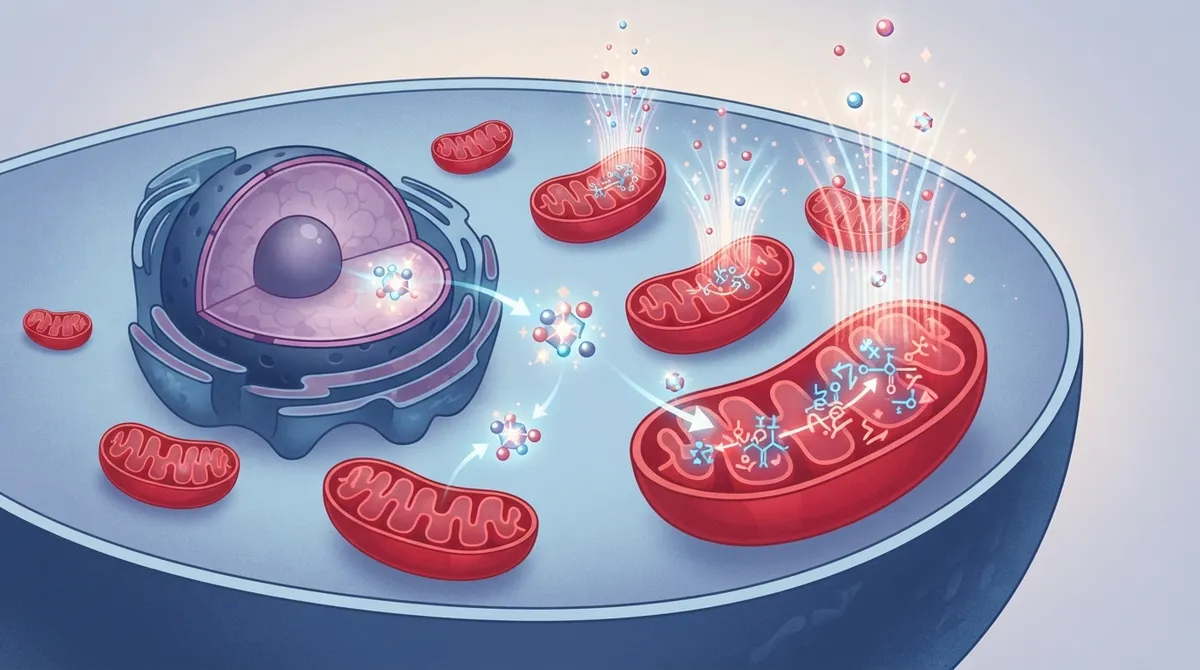
MOTS-c is a small peptide made inside your mitochondria. Mitochondria are often called the powerhouses of your cells. They turn food into usable energy. Because MOTS-c comes from mitochondrial DNA, researchers believe it may play a role in how your body manages energy at the cellular level.
MOTS-c is mostly produced in skeletal muscle. Scientists are not studying it as a stimulant like caffeine. Instead, they are looking at how it may support glucose use, metabolic flexibility, and your body's response to physical stress. This is very different from a quick energy boost you might feel from a cup of coffee.
The Science Behind MOTS-c and Cellular Energy
Research suggests MOTS-c may work through pathways tied to folate metabolism, AICAR, and AMPK. These are complex biological systems linked to how your body uses glucose and stays insulin sensitive. In simple terms, these pathways help your cells decide how to use fuel during exercise or stress.
This does not mean MOTS-c is proven to fix low energy in everyday life. Most of this research comes from lab and animal studies. Human evidence is still limited and early stage.

Does Exercise Naturally Raise MOTS-c Levels?
Yes, exercise does appear to increase MOTS-c in the body, at least temporarily. A study published in Nature Communications in 2021 found that circulating MOTS-c rose about 1.6-fold during exercise and 1.5-fold right after. Levels returned to normal within about four hours.
The same study found something even more striking in muscle tissue. MOTS-c expression in skeletal muscle jumped nearly 11.9-fold after exercise, and this elevation lasted around four hours too. This suggests your body naturally boosts MOTS-c production when you move and work your muscles.
Here is what this means for you:
- Regular physical activity may be the most reliable way to support natural MOTS-c activity
- You do not need an injection to trigger this response in your body
- Consistent exercise habits support broader energy metabolism, not just one peptide pathway
- Strength training and cardio both appear to influence mitochondrial signals
Do MOTS-c Levels Drop as You Age?
Research shows an age-related decline in MOTS-c levels. A 2023 review reported that MOTS-c levels in younger adults were about 11% higher than in middle-aged adults, and 21% higher than in older adults. Another review from 2022 found that adults aged 70 to 81 had nearly 21% lower MOTS-c levels than adults aged 18 to 30.
These numbers sound significant, but there is an important catch. Lower MOTS-c levels in older adults do not prove that MOTS-c decline causes fatigue or aging symptoms. It could simply be one of many changes that happen as the body ages. Correlation is not the same as causation.
What Animal Studies Suggest (With Caution)
Animal and lab studies have reported possible benefits tied to MOTS-c, including:
- Better glucose regulation in mice models
- Improved exercise capacity in some rodent studies
- Support for muscle function and mitochondrial activity
- Reduced markers of inflammation in certain lab conditions
- Changes in thermogenesis, or how the body generates heat
These findings are interesting for researchers. However, they should not be treated as proven human benefits. What works in a mouse does not always translate to safe or effective results in people.
Is MOTS-c FDA Approved for Energy or Fatigue?
No. Native MOTS-c is not approved by the U.S. Food and Drug Administration for treating fatigue, low energy, metabolic disease, aging, or any other condition. There is currently no established clinical protocol for using MOTS-c this way.
Some of the most relevant human research actually studies a synthetic analog called CB4211, not the native MOTS-c peptide sold through wellness or gray-market channels. In one early-phase human trial, CB4211 was tested at doses up to 25 mg daily for 28 days. Researchers noted concerns including persistent injection-site nodules. This evidence applies to CB4211, not to unregulated MOTS-c products.
|
Compound |
Research Stage |
Human Evidence |
FDA Status |
|---|---|---|---|
|
Native MOTS-c |
Early observational and lab studies |
Limited, mostly biomarker data |
Not approved |
|
CB4211 (synthetic analog) |
Early-phase clinical trial |
Some dosing and safety data |
Investigational only |
|
Commercially sold MOTS-c products |
Not FDA-regulated |
Uncertain identity and purity |
Not approved |
Why Persistent Low Energy Needs a Real Medical Evaluation
Chronic fatigue is frustrating, but it usually has a treatable cause. Before considering any experimental peptide, it makes sense to rule out common medical issues first. A thorough checkup can uncover problems that are much easier to fix than trying an unproven compound.
Conditions that commonly cause low energy include:
- Insufficient or poor-quality sleep, including undiagnosed sleep apnea
- Thyroid disease, which can slow down your entire metabolism
- Anemia, often linked to low iron or vitamin B12 levels
- Depression or anxiety, which can drain physical energy
- Medication side effects from prescriptions you may already take
- Diabetes or blood sugar imbalances
- Nutritional deficiencies from restrictive diets
- Underlying infections or heart and lung conditions
A visit for primary care can help identify which of these factors might be affecting you. Bloodwork, a physical exam, and a conversation about your daily habits often reveal answers faster than any peptide trend.
Why Gray-Market Peptides Carry Extra Risk
Peptides sold outside licensed medical channels may have serious quality problems. These products can have uncertain identity, incorrect concentration, poor sterility, and contamination risk. You often cannot verify what is actually in the vial.
Long-term safety, correct dosing, drug interactions, and effects in people with chronic disease remain unknown for native MOTS-c. This uncertainty is a major reason why any peptide use should be discussed with a licensed clinician first, not decided based on social media claims.
Steps to Take Before Trying Any Energy-Boosting Peptide
If you are considering MOTS-c or any similar product, follow these steps to protect your health:
- Schedule a comprehensive wellness visit to check for underlying medical causes of fatigue
- Ask your provider about relevant bloodwork, including thyroid, iron, and vitamin panels
- Discuss your sleep habits and screen for sleep apnea if needed
- Review your current medications for possible energy-related side effects
- Talk openly with a licensed clinician about any peptide products you are considering
- Avoid purchasing peptides from unregulated online sellers
- Focus on proven energy support methods like exercise, nutrition, and sleep first
Our providers, including Naveen Paddu MD, Pramjeet Ahluwalia MD, and Teshy John MD, can help you understand what is actually driving your fatigue. A personalized plan often works better than chasing the latest trending compound.
How InCare Approaches Energy and Metabolic Wellness
InCare takes a whole-body approach to energy concerns rather than jumping straight to experimental treatments. Our metabolic breath analysis can measure how your body uses fuel at rest and during activity. This gives real data instead of guesswork.
We also offer DNA gene testing and body composition analysis to build a clearer picture of your metabolic health. For patients dealing with fatigue tied to nutrient gaps or dehydration, our IV hydration and vitamin drips may offer supportive care alongside a proper medical evaluation.
If weight and metabolism are part of your energy concerns, our weight loss programs are supervised by licensed clinicians and based on your individual health data, not unproven trends. You can learn more about our full range of services and locations by visiting our Tampa and Riverview locations page.
What to Expect at a Wellness Visit
A visit focused on energy concerns typically includes a review of your symptoms, a physical exam, and targeted lab work. Your provider will ask about sleep, stress, diet, and exercise habits. This helps build a complete picture rather than treating fatigue as one single problem.
Many patients are surprised to learn their fatigue traces back to something simple, like low iron or poor sleep quality. Others need more focused chronic disease management. Either way, a proper evaluation gives you an actual plan instead of an experimental guess.
The Bottom Line on MOTS-c and Energy Levels
MOTS-c is a genuinely interesting area of mitochondrial research. Studies show it rises with exercise and appears to decline with age. But there is no solid clinical evidence yet that taking MOTS-c improves everyday energy in humans. Native MOTS-c is not FDA approved for this purpose, and long-term safety data is still missing.
If fatigue is affecting your daily life, the smartest first step is a real medical evaluation, not an unregulated peptide. Many common and treatable conditions could be behind your low energy, and addressing them directly often brings much faster relief.
You can also follow our team for wellness updates and patient stories on Facebook, Instagram, and TikTok. For more background on mitochondrial peptide research, the National Institutes of Health archive on MOTS-c offers a helpful scientific overview.
Ready to get real answers about your energy levels? See what our InCare patients say by visiting our Google Business Profile for InCare, or reach out directly to our Tampa or Riverview team through our contact page. You can also schedule your wellness appointment today and start with a real, evidence-based plan for your health.
FAQs
Q: Can MOTS-c increase energy levels or reduce fatigue?
A: There is currently no strong clinical evidence that MOTS-c supplementation improves everyday energy or reduces fatigue in humans. Most supportive data comes from animal and lab studies, not controlled human trials. Persistent fatigue should be evaluated by a licensed provider for treatable medical causes first.
Q: What is MOTS-c and how does it affect mitochondrial energy production?
A: MOTS-c is a small peptide encoded by mitochondrial DNA and produced mainly in skeletal muscle. Researchers study it as a possible regulator of glucose use and metabolic flexibility through pathways like AMPK and AICAR. It is not a conventional stimulant and works differently from typical energy supplements.
Q: Does exercise naturally increase MOTS-c levels?
A: Yes, human studies show that MOTS-c rises temporarily during and after exercise. One study found roughly a 1.6-fold increase during exercise and a 1.5-fold increase afterward, returning to baseline within about four hours. Skeletal muscle expression rose even more dramatically in the same research.
Q: Is MOTS-c approved by the FDA for low energy, fatigue, or aging?
A: No, native MOTS-c is not approved by the FDA for treating fatigue, low energy, metabolic disease, or aging. There is no established clinical protocol for its use in these conditions. Products sold outside licensed medical channels may also carry quality and safety concerns.
Q: What are the proven medical causes of persistent low energy?
A: Common treatable causes include poor sleep or sleep apnea, thyroid disease, anemia, depression or anxiety, medication side effects, diabetes, nutritional deficiencies, infections, and heart or lung conditions. A comprehensive evaluation with a primary care provider can identify which of these factors may be affecting you.