Key Takeaways
- Kisspeptin research remains limited to laboratory and animal models with no approved human treatment or supplement for cancer prevention, making any online product claims unsubstantiated.
- KISS1 acts differently across cancer types—it suppresses metastasis in some cancers but promotes tumor growth in aggressive breast cancers and liver cancer, making a universal treatment unlikely.
- KISS1 expression may serve as a prognostic biomarker indicating metastasis risk, but a single test cannot predict individual outcomes and requires interpretation alongside tumor type, stage, and imaging.
- Proven, evidence-backed cancer prevention strategies include regular age-appropriate screenings, maintaining healthy body composition, avoiding tobacco, limiting alcohol, and prompt follow-up on abnormal results.
- Kisspeptin affects reproductive hormones, so unsupervised self-injection carries real safety risks including contamination, incorrect dosing, and potential disruption of fertility and hormone balance.
- Patients should consult oncologists or registered clinical trials rather than online sellers before considering any peptide products, and avoid delaying established cancer screening or treatment.
If you have searched for "kisspeptin metastasis prevention," you have probably found bold claims about a hormone peptide stopping cancer from spreading. This topic is exciting to researchers, but it can also be confusing for patients. The truth is more careful and more useful than most headlines suggest.
Kisspeptin is a naturally occurring peptide in your body. Scientists first noticed it while studying how melanoma spreads. Since then, it has become an important research topic in cancer biology. But research on cells in a lab is very different from a proven treatment you can use today. This article breaks down what kisspeptin actually is, what science currently shows, and what real, proven steps you can take right now to lower your risk of cancer spreading. At InCare, our team in Tampa and Riverview believes patients deserve clear, honest information, not hype.
What Is Kisspeptin and Why Is It Linked to Cancer Research
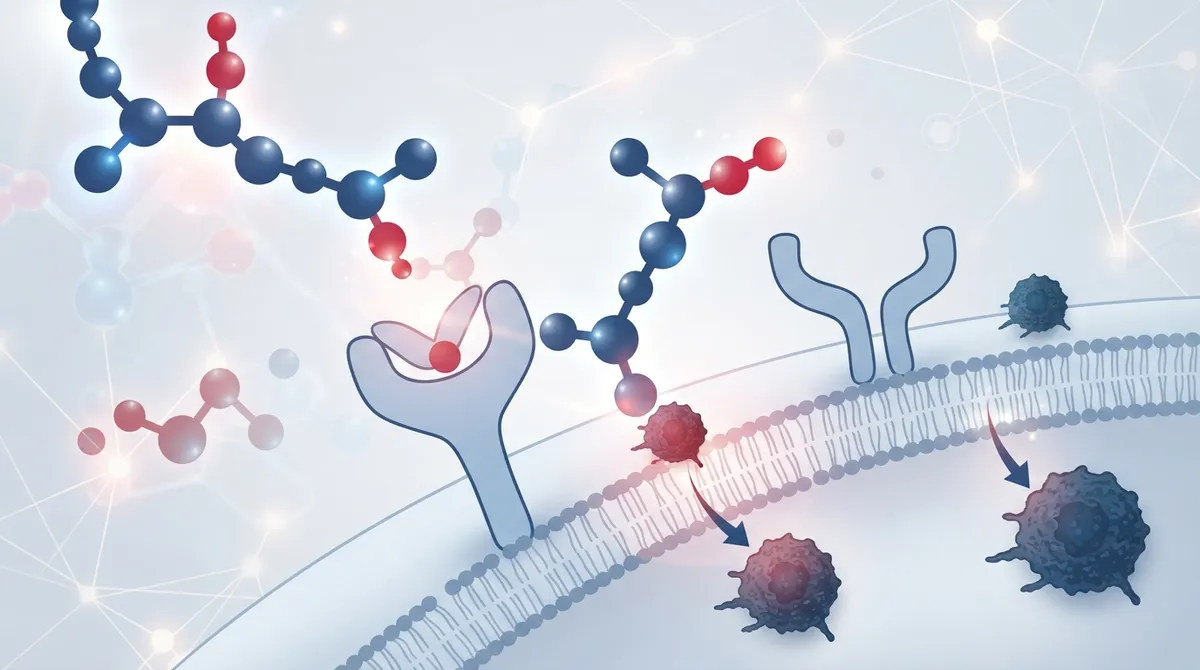
Kisspeptin is a family of peptides made from a gene called KISS1. It works mainly through a receptor named KISS1R, once known as GPR54. This pathway was first discovered through melanoma research, not through fertility studies, even though kisspeptin also plays a big role in reproductive hormones.
In many lab studies, KISS1 acts like a brake on cancer spread. Scientists call it a metastasis-suppressor gene. This means it may help stop cancer cells from moving, invading nearby tissue, or growing in new locations in the body.
How Kisspeptin May Slow Cancer Spread in Lab Studies
Researchers have proposed several ways kisspeptin might limit metastasis in experimental models:
- Reducing the ability of cancer cells to migrate to new areas
- Blocking an enzyme called matrix metalloproteinase-9, which helps cancer invade tissue
- Limiting a process called epithelial-to-mesenchymal transition, which allows cancer cells to become more mobile
- Changing calcium signaling and protein-kinase activity inside cancer cells
- Slowing tumor growth once cancer cells reach a new site
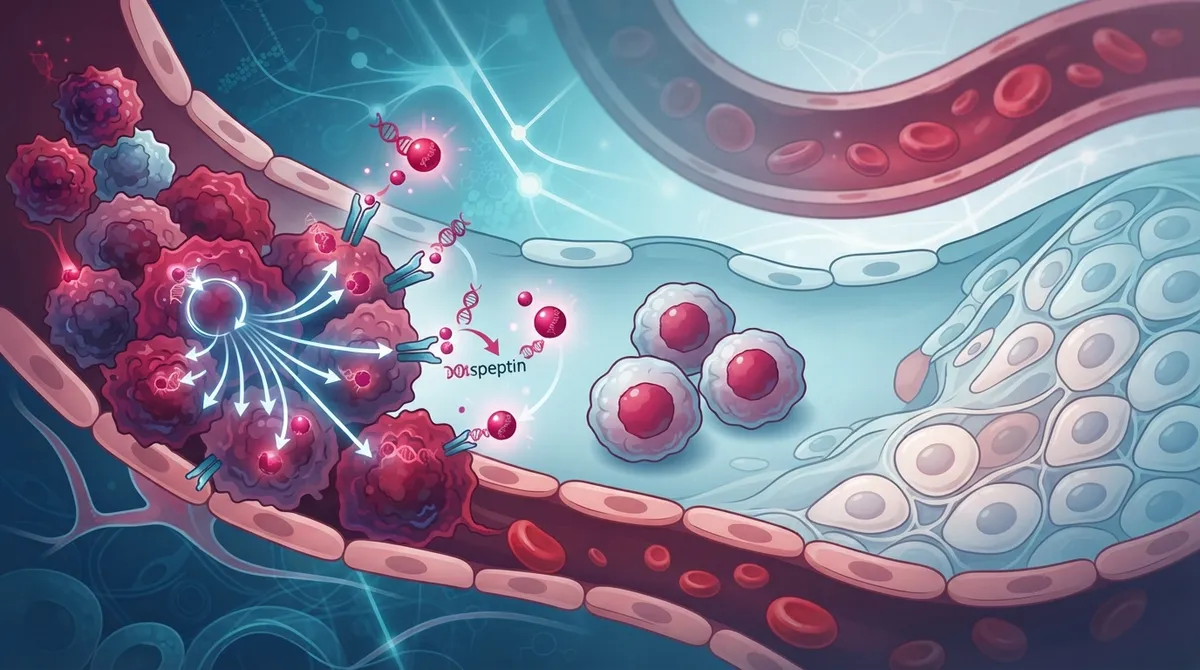
These mechanisms sound promising. But they come from cell cultures and animal models, not from studies in people with cancer.
What the Research Actually Shows So Far
It helps to separate lab findings from real-world proof. Here is a simple breakdown of major kisspeptin cancer studies:
|
Study or Review |
Year |
What It Found |
Type of Evidence |
|---|---|---|---|
|
Melanoma chromosome transfer study |
Foundational |
About 95% reduction in metastasis after adding a normal chromosome |
Lab/animal model |
|
Breast, prostate, colorectal cancer cell study |
2017 |
Reduced migration and invasion; less metastasis in mouse model |
Cell lines and mouse xenograft |
|
Kisspeptin and cancer review |
2018 |
Summarized inhibition of growth, invasion, and metastasis across cancer types |
Review of experimental data |
|
ER-negative breast cancer study |
2020 |
KISS1R promoted tumor growth and metastasis in this cancer type |
Preclinical xenograft model |
Notice the last row. Not every study points the same direction. This is a key reason why kisspeptin cannot yet be called a metastasis-prevention treatment.
Why Results Are Inconsistent Across Cancer Types
Kisspeptin does not act the same way in every cancer. In several cancers, low KISS1 expression is linked to more advanced disease. But in some aggressive breast cancers, especially estrogen-receptor-negative and triple-negative types, kisspeptin signaling has been linked to tumor growth instead of suppression. The same is true in some liver cancer models.
This means the pathway is context-dependent. A treatment that works for one cancer type could behave very differently in another. This is exactly why doctors do not recommend kisspeptin-based products for cancer prevention today.
Is Kisspeptin Available as a Cancer Treatment or Supplement
No. There is currently no approved kisspeptin supplement, injection, or therapy proven to prevent cancer metastasis in humans. Any product marketed this way is not backed by solid clinical evidence.
Here is what patients should understand before considering any kisspeptin-related product:
- Kisspeptin research is still mostly limited to labs and animal models.
- No standard human dose exists for cancer prevention.
- Kisspeptin also affects reproductive hormones, so unsupervised use could disrupt fertility or hormone balance.
- Self-injecting research peptides carries real safety risks, including contamination and incorrect dosing.
- Questions about future kisspeptin therapies should go through an oncologist or a registered clinical trial, not an online seller.
If you are exploring hormone-related peptide topics for general wellness, our team has written a helpful guide on kisspeptin and its role in fertility that explains the hormone side of this pathway in more detail.
KISS1 Expression as a Possible Prognostic Marker
Instead of being a treatment, KISS1 is more often studied as a biomarker. This means scientists measure KISS1 levels in tumor tissue to see if it says anything about a patient's outlook.
Many studies link reduced KISS1 expression with:
- More advanced tumor stage
- Higher risk of metastatic disease
- Lower survival rates in some cancer types
However, these patterns are not consistent everywhere. Results depend on the type of cancer, the disease stage, and even the lab testing method used. A single KISS1 test result cannot predict what will happen in one person's body.
Common Questions About Kisspeptin and Cancer Biomarkers
Patients often ask if a low KISS1 level means their cancer will definitely spread. It does not. Biomarkers give doctors extra information, but they are only one piece of a much bigger picture that includes tumor type, stage, imaging, and other lab work.
Human Clinical Trials on Kisspeptin
Kisspeptin does have some human research, but mostly in reproductive health, not cancer prevention. Researchers have studied kisspeptin injections for conditions related to fertility and puberty timing. Cancer-specific human trials testing kisspeptin as a metastasis treatment are limited and still early stage.
Here is a simple comparison of where kisspeptin research currently stands:
|
Research Area |
Stage of Evidence |
Ready for Patient Use? |
|---|---|---|
|
Reproductive hormone regulation |
Some human studies |
Specialist-supervised only |
|
Cancer metastasis suppression |
Mostly lab and animal studies |
No |
|
Cancer biomarker testing |
Human tissue studies |
Used by pathologists, not a home test |
What Proven Steps Actually Reduce Metastasis Risk
While kisspeptin research continues, there are proven, evidence-backed actions you can take today to lower your cancer risk and catch problems early. This is where a strong primary care relationship matters most.
- Get age-appropriate cancer screening on schedule, including mammograms, colonoscopies, and skin checks.
- Maintain a healthy body composition, since excess body fat is linked to higher cancer risk.
- Avoid tobacco products and limit alcohol intake.
- Stay current with your annual wellness visit so new symptoms are caught early.
- Manage chronic conditions like diabetes and high blood pressure, which can affect overall health outcomes.
- Ask your doctor about DNA gene testing if you have a family history of cancer.
- Follow up promptly on any abnormal test results instead of waiting.
These steps are backed by decades of medical research, unlike unproven peptide products sold online.
Why Primary Care Is Central to Cancer Prevention
Primary care is not just for colds and check-ups. It is where cancer risk factors are tracked over time. A trusted primary care provider can spot warning signs early, order the right screenings, and refer you to a specialist quickly if something looks concerning.
At InCare, our providers, including Dr. Naveen Paddu, Dr. Pramjeet Ahluwalia, and Dr. Teshy John, focus on prevention first. This means real conversations about your risk factors, not chasing trends.
How Should Patients Respond to Online Kisspeptin Claims
It is easy to find bold statements online about kisspeptin curing or preventing cancer spread. Here is how to think critically about these claims:
- Ask if the claim is based on human studies or only lab and animal research.
- Check if the source is a peer-reviewed journal or a product website trying to sell something.
- Remember that promising lab results often fail in human trials.
- Talk to your primary care doctor before starting any peptide product.
- Never stop cancer screening or treatment based on unproven online information.
This approach protects you from wasting money and, more importantly, from delaying real, effective cancer care.
The Role of Whole-Body Wellness in Cancer Prevention
Cancer prevention is not just about one hormone or one test. It involves your whole body working well together. Services like body composition analysis and metabolic breath analysis can help track changes in your health over time, giving your care team useful data to guide prevention strategies.
Combining these tools with routine screenings and healthy lifestyle habits gives you a much stronger defense than any single peptide could offer on its own.
Frequently Asked Questions Patients Bring to Their Doctor
Many patients come to our Tampa and Riverview clinics with specific worries about hormone peptides, family cancer history, or new symptoms they found online. These conversations are important, and they belong in a doctor's office, not a comment section. You can learn more about how a full wellness visit works by reading about what happens during an annual wellness visit.
InCare also shares patient experiences and health education through our Facebook page and Instagram account, where we highlight real prevention tips. You can also follow quick health explainers on our TikTok channel.
Why Choose InCare for Cancer Prevention and Screening
InCare combines advanced technology with real medical expertise across our Tampa and Riverview locations. Our team does not chase unproven trends. Instead, we focus on what actually works: early detection, personalized screening plans, and honest conversations about new research like kisspeptin.
Patients consistently rate InCare highly, and you can visit us on Google — InCare to see real reviews from people in our community. Many patients mention how our staff takes time to explain complex topics in simple terms, something we hope this article has done as well.
Take Control of Your Cancer Prevention Plan Today
Kisspeptin remains one of the most interesting research pathways in cancer biology, but it is not a proven metastasis-prevention treatment. The smartest step you can take today is building a strong prevention plan with a trusted primary care team. That means regular screenings, healthy lifestyle choices, and honest guidance instead of unproven shortcuts.
Ready to build your personalized prevention plan? Book Your Appointment With InCare Today and take the first step toward proactive, whole-body care backed by real medical expertise.
FAQs
Q: Can kisspeptin prevent cancer from spreading?
A: There is no proven human evidence that kisspeptin prevents cancer metastasis. Most supportive findings come from lab and animal studies, and results vary depending on cancer type. Patients should rely on established screening and treatment methods rather than unproven kisspeptin products.
Q: Is kisspeptin available as a cancer treatment or supplement?
A: No approved kisspeptin supplement or injection exists for cancer prevention or treatment. The pathway remains investigational, and any product claiming to prevent metastasis should be viewed with caution.
Q: What is the difference between kisspeptin, KISS1, and KISS1R?
A: KISS1 is the gene that produces kisspeptin peptides. KISS1R, formerly called GPR54, is the receptor that kisspeptin binds to in order to send signals inside cells. Together, they form the signaling pathway studied in both reproductive health and cancer research.
Q: Does low KISS1 expression mean a cancer will definitely metastasize?
A: Not necessarily. Reduced KISS1 expression has been linked to worse outcomes in several cancers, but this pattern is inconsistent across tumor types and cannot predict an individual patient's outcome on its own.
Q: What proven steps actually reduce the risk of cancer metastasis?
A: Regular cancer screenings, maintaining a healthy weight, avoiding tobacco, limiting alcohol, and staying current with primary care visits remain the most evidence-based ways to reduce cancer risk and catch problems early.