Key Takeaways
- Kisspeptin is a brain hormone central to male fertility, triggering a chain reaction that releases GnRH, LH, and FSH—hormones essential for testosterone production and sperm development; disruption causes hypogonadotropic hypogonadism with low testosterone and poor sperm production.
- While small human studies show kisspeptin injections can raise LH, FSH, and testosterone levels, there is insufficient evidence that treatment improves actual sperm count, motility, or pregnancy rates, making it not an approved fertility treatment.
- Kisspeptin testing is not yet a standard diagnostic tool for male infertility; no validated reference ranges or clinical guidelines exist, and 2025 research comparing kisspeptin levels between fertile and infertile men produced statistically interesting but inconclusive results.
- Men with fertility concerns should start with evidence-based standard evaluation including semen analysis, hormone testing (FSH and testosterone), physical exam, and karyotype testing—not experimental kisspeptin treatments—as recommended by AUA/ASRM guidelines.
- Male factor infertility affects roughly half of infertility cases affecting 1 in 6 people worldwide; symptoms include low libido, low sperm count, fatigue, and reduced muscle mass, making primary care evaluation the fastest path to diagnosis and treatment.
- Kisspeptin research remains promising for future treatments, but patients should monitor peer-reviewed studies from NIH while prioritizing proven fertility care today; lifestyle factors like weight, stress, sleep, and avoiding toxins also support reproductive health.
Male factor infertility affects a large share of couples trying to conceive, and many men feel frustrated when standard treatments don't offer clear answers. A newer topic in fertility research, called kisspeptin, has caught attention for its role in hormone signaling. But does the science support using kisspeptin for male infertility today? This article breaks down what kisspeptin is, how it may relate to fertility, and what men should know before considering any related treatment.
At InCare, our Tampa and Riverview clinics focus on whole-body wellness and prevention, including hormone health and fertility-related concerns. Understanding emerging research like kisspeptin helps patients make informed decisions with their care team, rather than chasing unproven trends.
What Is Kisspeptin and Why Does It Matter for Fertility?
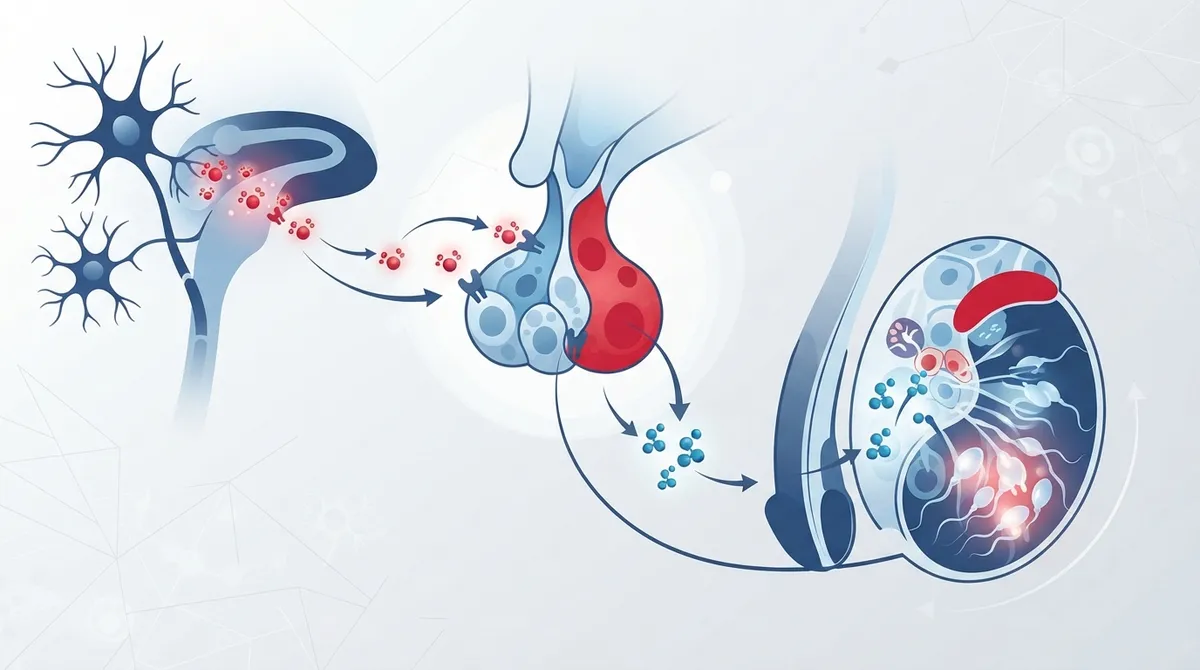
Kisspeptin is a hormone made in the brain. It plays a key role in a system called the hypothalamic-pituitary-gonadal axis. This system controls reproduction in both men and women.
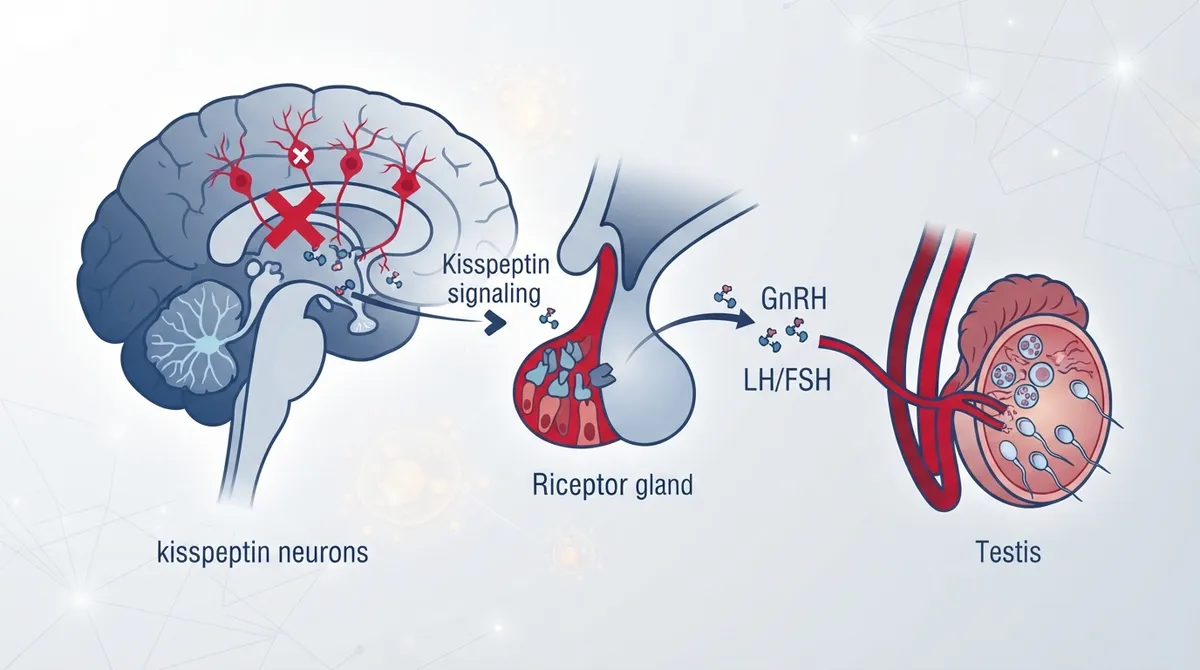
Kisspeptin activates a receptor called KISS1R. This triggers the release of another hormone called GnRH. GnRH then tells the pituitary gland to release two more hormones: luteinizing hormone (LH) and follicle-stimulating hormone (FSH).
These two hormones are essential for male fertility. LH stimulates testosterone production. FSH supports sperm production, also called spermatogenesis. Without proper kisspeptin signaling, this entire chain can break down.
How Kisspeptin Signaling Works
Think of kisspeptin as the first domino in a chain reaction. Here is the basic sequence:
- Kisspeptin is released from the hypothalamus in the brain
- It binds to KISS1 receptors on GnRH neurons
- This triggers GnRH release
- GnRH signals the pituitary gland to release LH and FSH
- LH stimulates the testes to produce testosterone
- FSH supports sperm cell development
When any part of this chain is disrupted, fertility problems can follow. Genetic issues affecting kisspeptin or its receptor have been linked to delayed puberty and infertility in some men.
What Happens When Kisspeptin Signaling Is Disrupted?
Doctors have a name for the condition caused by broken kisspeptin signaling. It's called hypogonadotropic hypogonadism. This condition features low or normal LH and FSH levels alongside low testosterone. It also causes poor sperm production.
Men with this condition often have low energy, reduced muscle mass, low libido, and fertility struggles. Some cases are genetic and present from birth. Others develop later in life due to other health factors.
Signs That May Point to Hormonal Issues
- Reduced sex drive or erectile dysfunction
- Low sperm count or poor sperm quality on semen analysis
- Small or shrinking testicles
- Delayed puberty in younger patients
- Fatigue or unexplained mood changes
- Difficulty building or maintaining muscle mass
If you notice these symptoms, a visit to a primary care provider is a smart first step. Our providers, including Dr. Naveen Paddu and Dr. Pramjeet Ahluwalia, can help assess whether hormone testing is appropriate for your situation.
Does Kisspeptin Have a Direct Role in Sperm Production?
Beyond its role in the brain, kisspeptin may also act directly in the testes. Some research suggests it affects Leydig cells, which produce testosterone. It may also influence how sperm cells develop and mature.
However, most of this evidence comes from animal studies and lab research. Scientists have not yet confirmed how strongly these direct effects apply to human fertility. This is an important distinction for patients to understand.
What Small Human Studies Show
A handful of small studies have tested kisspeptin injections in men. These studies found that kisspeptin can raise LH, FSH, and testosterone levels, including in men with reproductive or endocrine disorders.
That sounds promising. But raising hormone levels is not the same as improving fertility outcomes. So far, there is not enough evidence that kisspeptin treatment improves sperm count, motility, shape, or actual pregnancy rates.
Is Kisspeptin Testing Available for Male Infertility?
Not yet as a standard clinical tool. Kisspeptin testing remains a research topic, not an approved diagnostic test. There are no widely accepted reference ranges or clinical guidelines recommending routine kisspeptin blood tests for infertility evaluation.
A 2025 study published in the Journal of Assisted Reproduction and Genetics compared kisspeptin levels between fertile and infertile men. The results were interesting but not conclusive.
|
Measurement |
Infertile Men |
Fertile Men |
Clinical Significance |
|---|---|---|---|
|
Serum kisspeptin |
Higher levels found |
Lower levels found |
Statistically significant, but not yet a diagnostic marker |
|
Seminal plasma kisspeptin |
No major difference |
No major difference |
Not useful as a current biomarker |
These findings need to be repeated in larger studies before doctors can use kisspeptin as a reliable test. Right now, it remains an area of active research rather than routine practice.
What Should a Standard Male Infertility Evaluation Include?
Rather than relying on unproven tests, men experiencing fertility struggles should start with established, evidence-based steps. The American Urological Association and American Society for Reproductive Medicine (AUA/ASRM) guideline outlines a clear evaluation path.
Steps in a Standard Fertility Workup
- Complete medical and reproductive history review
- Physical examination, including testicular exam
- One or more semen analyses
- Hormone testing, including FSH and testosterone, when indicated
- Karyotype testing for men with severe sperm count issues
- Y-chromosome microdeletion testing when appropriate
- Referral to a reproductive urologist if abnormalities are found
This structured approach gives couples much clearer answers than experimental hormone treatments. Both partners should be evaluated together, since fertility issues often involve more than one factor.
Kisspeptin vs. Standard Fertility Evaluation
|
Factor |
Kisspeptin Testing/Treatment |
Standard AUA/ASRM Evaluation |
|---|---|---|
|
Clinical guideline support |
None currently |
Strongly recommended |
|
Reference ranges |
Not established |
Well-defined |
|
Proven fertility outcomes |
Insufficient evidence |
Backed by decades of data |
|
Availability |
Research settings mostly |
Widely available |
|
Best next step |
Watch for future studies |
Start with primary care referral |
How Common Is Male Factor Infertility?
Infertility is more common than many people realize. According to the World Health Organization, about 1 in 6 people worldwide face infertility at some point in their reproductive years. Male factors contribute to roughly half of these cases, though the exact numbers vary based on the population studied.
This means male infertility is not rare or something to feel embarrassed about. It's a medical issue that deserves the same attention as any other health concern.
Common Questions Men Ask About Fertility
- Why is my sperm count low even though I feel healthy?
- Can lifestyle changes improve my fertility numbers?
- Should I ask my doctor about hormone testing?
- When does infertility require a specialist referral?
- Are there safe treatments backed by real evidence?
A knowledgeable primary care team can help answer these questions and guide you toward next steps. Our providers take time to listen and explain your options clearly.
Why Primary Care Is the Right Starting Point
Many men skip regular checkups and only seek help when a fertility issue arises. This can delay diagnosis of treatable conditions. A primary care visit is often the fastest way to start addressing concerns.
During a visit, your provider can review your health history, order basic hormone panels, and discuss lifestyle factors. If results suggest a deeper issue, you'll be referred to a specialist who focuses on male reproductive health.
Lifestyle Factors That Affect Male Fertility
- Body weight and metabolic health
- Alcohol and tobacco use
- Chronic stress levels
- Sleep quality and duration
- Exposure to heat or toxins
- Underlying conditions like diabetes or thyroid disorders
InCare's weight loss programs and overall wellness services can support healthier hormone balance, which may positively affect fertility outcomes over time. Combining preventive care with targeted testing offers a more complete picture of your reproductive health.
What Does the Future Hold for Kisspeptin Research?
Scientists remain interested in kisspeptin because of its central role in hormone regulation. Future studies may eventually clarify whether kisspeptin-based treatments can safely and effectively improve sperm parameters or pregnancy rates.
For now, patients should treat kisspeptin as a promising research area, not a replacement for proven fertility care. Following peer-reviewed studies from sources like the National Institutes of Health can help you stay informed as new findings emerge.
Key Takeaways About Kisspeptin and Male Fertility
- Kisspeptin plays an important role in normal reproductive hormone signaling
- Disrupted kisspeptin function is linked to hypogonadotropic hypogonadism
- Direct testicular effects are mostly seen in animal and lab studies
- No approved kisspeptin test or treatment exists for routine male infertility care
- Standard evaluation with semen analysis and hormone testing remains the gold standard
- Primary care is the best starting point for fertility concerns
Our team stays current on emerging topics like this so we can give patients accurate, honest guidance. You can also read what other patients say by visiting our InCare page on Facebook or following updates on Instagram.
How InCare Supports Men's Reproductive Health
At InCare, we believe fertility care should be thorough, compassionate, and based on solid evidence. Our Tampa and Riverview locations offer comprehensive primary care services designed to catch hormone and reproductive issues early.
We also offer DNA gene testing and body composition analysis, which can provide additional insight into your overall metabolic and hormonal health. These tools work alongside standard fertility testing to give you a fuller picture of your wellness.
Patients consistently rate InCare highly for our attentive, patient-first approach. You can visit us on Google — InCare to read reviews from real patients who found answers to their health concerns with our team.
Why Choose InCare for Your Health Concerns
- Convenient locations in Tampa and Riverview, Florida
- Providers who take time to explain test results clearly
- Access to advanced diagnostic tools beyond basic checkups
- Coordinated referrals to specialists when needed
- A whole-body approach to wellness, not just symptom treatment
You can also follow our latest health tips and clinic updates on Tik Tok for accessible, easy-to-understand wellness content.
Taking the Next Step Toward Better Reproductive Health
Male factor infertility can feel isolating, but you don't have to figure it out alone. Kisspeptin research offers hope for future treatments, but today's best path forward is a thorough evaluation with a trusted provider.
If you're experiencing symptoms like low libido, fatigue, or fertility struggles, don't wait to get answers. Our team can guide you through hormone testing, semen analysis, and lifestyle strategies that support long-term reproductive health. Book Now to schedule a visit with one of our experienced providers, or reach out to our team with any questions about your care options.
FAQs
Q: What is kisspeptin and how does it affect male fertility?
A: Kisspeptin is a brain hormone that triggers the release of GnRH, which then signals the pituitary gland to release LH and FSH. These hormones control testosterone production and sperm development, making kisspeptin a key part of the reproductive hormone chain.
Q: Can kisspeptin treatment improve sperm count or fertility outcomes?
A: Small studies show kisspeptin can raise LH, FSH, and testosterone levels in some men. However, there is currently insufficient evidence that it improves semen quality, sperm count, or pregnancy rates, so it is not an approved fertility treatment.
Q: Is kisspeptin testing available for diagnosing male infertility?
A: No, kisspeptin testing is not a standard or approved diagnostic tool for male infertility. It remains a research topic, and no validated reference ranges or clinical guidelines currently support its routine use.
Q: What tests should a man have during an initial infertility evaluation?
A: A standard evaluation includes a medical history review, physical exam, semen analysis, and targeted hormone testing such as FSH and testosterone. Men with severe abnormalities may also need karyotype testing or Y-chromosome microdeletion analysis.
Q: When should someone with abnormal semen results see a specialist?
A: Men with abnormal semen analysis results, hormone imbalances, or physical exam findings like testicular atrophy should be referred to a reproductive urologist. Early referral helps identify treatable causes and improves overall fertility management.