
Key Takeaways
- Adults over 55 showed modest HbA1c improvements in a 2022 trial of 500mg daily oral glutathione for 6 months, but effects were not consistent across all age groups with diabetes.
- Glutathione supplementation reduced oxidative DNA damage markers (8-OHdG) by approximately 18.5 ng per microgram monthly, addressing a key mechanism linked to diabetes complications.
- People with type 2 diabetes often have reduced glutathione synthesis due to shortages of cysteine and glycine amino acids; supplementing these precursors restored glutathione production and reduced oxidative stress.
- Glutathione is not a proven replacement for standard diabetes medications, diet, and exercise—it may only serve as an adjunctive tool under medical supervision.
- Consult your primary care provider before starting glutathione if you use insulin, sulfonylureas, or have kidney/liver disease, as safety data is limited and interactions are not fully understood.
- Oral glutathione absorption is variable and may be broken down before entering the bloodstream, while IV glutathione for diabetes lacks research evidence and requires medical supervision.
If you live with type 2 diabetes, you've likely spent time researching ways to support your body beyond medication and diet. One topic gaining attention in wellness circles is glutathione, a natural antioxidant your body makes every day. But does the science actually back up the buzz? This article breaks down what glutathione is, what current research shows about its role in diabetes care, and how it fits into a bigger picture of primary care and wellness in 2026.
At InCare, our Tampa and Riverview clinics focus on prevention and whole-body health. That means looking at emerging wellness tools like glutathione with a clear, honest lens. We'll walk through the research, the numbers, and what questions you should ask your doctor before trying any new supplement.
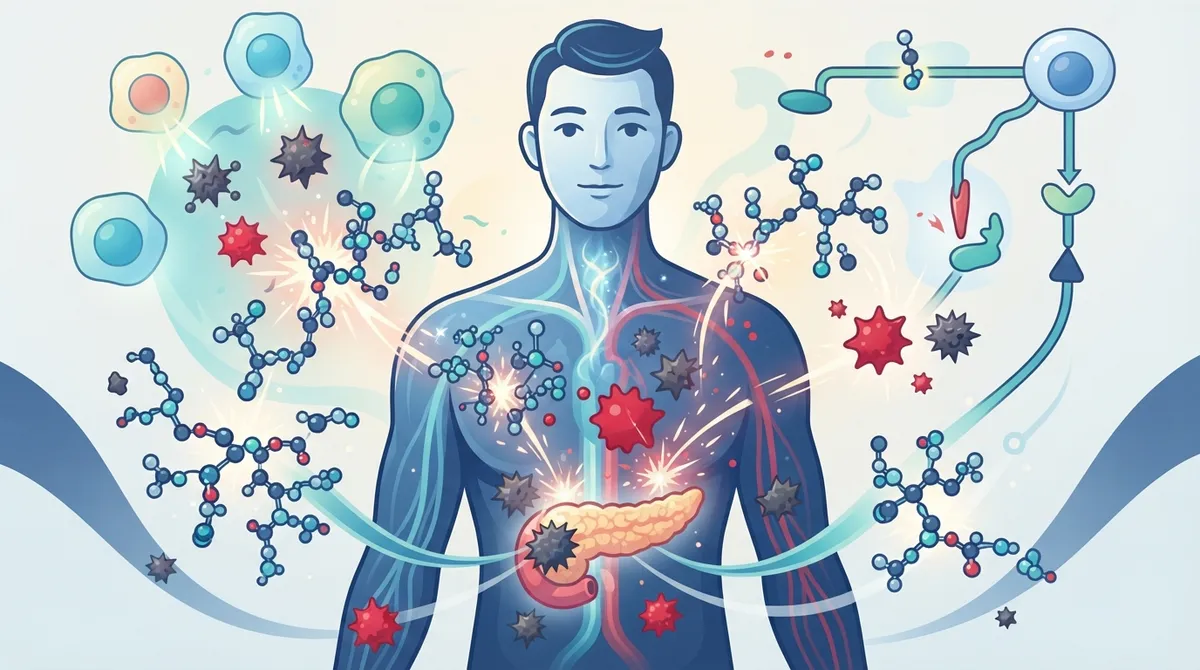
What Is Glutathione and Why Does It Matter for Diabetes?
Glutathione (GSH) is an antioxidant your body produces naturally. It's made from three amino acids: glutamate, cysteine, and glycine. This molecule helps protect your cells from damage caused by unstable molecules called reactive oxygen species.
People with type 2 diabetes often deal with higher levels of oxidative stress. This happens when harmful molecules build up faster than your body can clear them. Over time, this stress can damage cells, including the ones in your pancreas that make insulin.
Several factors linked to diabetes can lower your body's glutathione supply, including:
- High blood sugar levels over long periods
- Chronic inflammation throughout the body
- Poor mitochondrial function in cells
- Limited availability of the amino acids needed to build glutathione
This connection has led researchers to ask a simple question: could boosting glutathione levels help people manage diabetes more effectively? The early answer is promising but far from settled.

What Does the Research Actually Show?
Science on glutathione and diabetes is still young. Most studies are small, short, and focused on type 2 diabetes rather than type 1 or gestational diabetes. Still, a few key trials offer useful clues.
The 2021 Insulin Sensitivity Study
A randomized, double-blind trial looked at 20 obese adults, including 10 with type 2 diabetes. Participants took 1,000 mg of oral glutathione daily for three weeks. Researchers found that whole-body insulin sensitivity improved during the study period.
Muscle glutathione levels rose by about 19 percent. However, the study did not find major changes in several oxidative stress markers. The trial was also too short to tell us anything about long-term diabetes outcomes.
The 2022 Six-Month Clinical Trial
A larger and longer study gives us a clearer picture. Researchers enrolled 250 adults with diabetes who were already using standard treatment. Half of them received 500 mg of oral glutathione daily for six months, alongside their usual care.
Here's what the study found:
- Blood glutathione levels increased significantly during treatment.
- A marker of oxidative DNA damage called 8-OHdG dropped within three months.
- Overall HbA1c levels across the full group stayed largely stable.
- Adults older than 55 showed the most noticeable improvements in HbA1c and fasting insulin.
- No major safety concerns appeared over the six-month period.
A follow-up analysis published in Frontiers in Pharmacology in 2023 estimated that erythrocytic glutathione rose by roughly 108 µM per month during supplementation. The oxidative damage marker 8-OHdG fell by about 18.5 ng per microgram of DNA each month.
Earlier Research on Glutathione Synthesis
A 2010 study led by Sekhar and colleagues found that people with poorly controlled type 2 diabetes often have reduced glutathione synthesis. The researchers linked this partly to a shortage of cysteine and glycine, the building blocks glutathione needs. When participants received these amino acid precursors, glutathione production improved and oxidative stress markers dropped.
This table summarizes the key studies discussed so far:
|
Study |
Participants |
Dose & Duration |
Key Finding |
|---|---|---|---|
|
Ribeiro et al., 2021 |
20 obese adults (10 with type 2 diabetes) |
1,000 mg/day, 3 weeks |
Improved insulin sensitivity; muscle glutathione up ~19% |
|
Kalamkar et al., 2022 |
250 adults with diabetes |
500 mg/day, 6 months |
Higher glutathione, lower 8-OHdG, HbA1c benefit in adults over 55 |
|
Sekhar et al., 2010 |
Adults with uncontrolled type 2 diabetes |
Precursor supplementation |
Restored glutathione synthesis, reduced oxidative stress |
Does Glutathione Lower Blood Sugar or HbA1c?
This is the question most patients want answered directly. Based on current evidence, the answer is nuanced. Glutathione supplementation does not appear to significantly lower HbA1c across all diabetes patients.
However, subgroup findings suggest older adults may see modest benefits. In the 2022 trial, the effect size for HbA1c in participants over 55 was moderate (Cohen's d = −0.41), and the effect on fasting insulin was slightly larger (Cohen's d = 0.56). These are subgroup results, not findings that apply to everyone with diabetes.
A 2024 review published in Antioxidants concluded that glutathione and its precursors remain promising but underdeveloped as diabetes treatments. The review pointed to inconsistent clinical endpoints and a lack of long-term outcome data as major gaps.
Possible Mechanisms Behind the Research
Scientists believe glutathione may support diabetes management through a few biological pathways:
- Reducing oxidative damage to insulin-producing beta cells in the pancreas
- Supporting redox signaling, which plays a role in how cells respond to insulin
- Improving mitochondrial function, which affects how cells produce and use energy
- Lowering markers of DNA damage linked to chronic high blood sugar
These mechanisms are biologically plausible, but plausible is not the same as proven. None of the available studies show that glutathione prevents diabetes complications like neuropathy, kidney disease, or cardiovascular events.
Oral vs. IV Glutathione: What's the Difference?
Patients often ask whether oral supplements or intravenous (IV) glutathione is more effective. The honest answer is that research specific to diabetes has focused almost entirely on oral dosing, not IV delivery.
|
Factor |
Oral Glutathione |
IV Glutathione |
|---|---|---|
|
Diabetes research available |
Yes, multiple small trials |
Very limited, mostly anecdotal |
|
Absorption |
Variable, may be broken down before absorption |
Direct entry into bloodstream |
|
Regulation |
Sold as a supplement |
Requires medical supervision |
|
Cost |
Generally lower |
Generally higher |
|
Best used for |
Investigational adjunct under guidance |
Discuss with a clinician first |
If you're considering either option, it's worth exploring our IV hydration and vitamin drip services with a provider who understands your full health history, especially if you manage diabetes with insulin or other medications.
Who Should Be Cautious About Glutathione Supplements?
Glutathione is generally well tolerated in short-term studies, but it is not risk-free for everyone. You should talk to a clinician before starting any glutathione product if you:
- Use insulin or sulfonylureas to manage blood sugar
- Have kidney or liver disease
- Are pregnant or breastfeeding
- Have type 1 or gestational diabetes, since research has not focused on these groups
- Are considering unregulated or unsupervised IV treatments
The 2022 clinical trial reported no major safety signal at 500 mg per day over six months. Still, broader supplement research points to gastrointestinal discomfort as a possible side effect. Product quality also varies widely between brands, since supplements are not regulated as strictly as prescription medications.
Steps to Take Before Trying Glutathione for Diabetes
If you're curious about adding glutathione to your diabetes care plan, consider following these steps:
- Schedule a visit with your primary care provider to discuss your current diabetes management plan.
- Share your full list of medications, including insulin, metformin, or other diabetes drugs.
- Ask about recent lab work, including HbA1c and kidney or liver function tests.
- Discuss whether oral glutathione, dietary changes, or another approach makes sense for your situation.
- Set a follow-up appointment to monitor your blood sugar and any side effects.
- Avoid stopping or replacing prescribed diabetes medications without medical guidance.
This kind of coordinated approach is part of what makes primary care so valuable for chronic illness management. A doctor who knows your history can help you weigh new research against your personal health needs.
How InCare Supports Whole-Body Diabetes Management
At InCare, we believe diabetes care should go beyond a single prescription. Our primary care services in Tampa and Riverview combine routine monitoring with advanced tools like DNA gene testing and body composition analysis to build a fuller picture of your health.
Our providers, including Dr. Pramjeet Ahluwalia and Dr. Naveen Paddu, take time to review emerging wellness research with patients who want a more proactive approach to chronic disease. If you're managing diabetes and considering weight loss support as well, our medical weight loss programs may complement your overall plan.
You can read more about our approach to chronic disease on our blog, including this article on common diabetes management mistakes that hurt your health. We also share regular health updates on Facebook and Instagram, and you can see quick wellness tips on our TikTok page.
What This Means for Patients Today
Here's the bottom line based on current research:
- Glutathione shows promise as a possible adjunct for some diabetes patients, especially older adults.
- It is not a proven replacement for standard diabetes medications, nutrition therapy, or exercise.
- Most studies improve biomarkers like oxidative stress, not proven reductions in complications.
- Long-term safety and effectiveness data are still limited.
- Any decision to try glutathione should involve your primary care provider.
Diabetes management works best when it's personalized. What helps one patient may not help another, especially given how varied glutathione research results have been so far. This is why ongoing check-ins with a trusted clinic matter more than trying supplements alone.
Ready to Talk About Your Diabetes Care Plan?
If you want to explore whether glutathione or other wellness tools fit into your diabetes management plan, our team at InCare is ready to help. Many patients in Tampa and Riverview have found real value in a coordinated, whole-body approach to chronic disease. You can see what our InCare patients say for themselves by visiting our Google Business Profile for InCare, where we maintain a strong reputation built on personalized, attentive care.
Don't wait to get answers about your health. Reach out to our care team today or schedule your appointment online now to start a conversation about your diabetes care plan with a provider who listens.
FAQs
Q: Does glutathione lower blood sugar or HbA1c?
A: Current research does not show a strong, consistent effect on HbA1c across all diabetes patients. A 2022 clinical trial found modest HbA1c benefits only in participants older than 55, so results appear to vary by age group.
Q: Can people with type 2 diabetes take glutathione supplements safely?
A: Short-term studies at doses up to 1,000 mg daily have not shown major safety concerns. However, patients should always consult their primary care provider first, especially if they take insulin or have kidney or liver conditions.
Q: What dose of glutathione has been studied for diabetes?
A: Research has tested doses of 500 mg daily for six months and 1,000 mg daily for three weeks. Both studies showed increases in blood or muscle glutathione levels, though effects on long-term outcomes remain unclear.
Q: Is oral or intravenous glutathione better for diabetes?
A: Nearly all diabetes-specific research has used oral glutathione, not IV formulations. IV glutathione lacks strong diabetes-focused evidence, so any use should be discussed with a supervising clinician.
Q: Can glutathione interact with metformin, insulin, or other diabetes medicines?
A: There is limited data on direct drug interactions between glutathione and common diabetes medications. Patients should always disclose supplement use to their doctor to ensure safe, coordinated care.