Key Takeaways
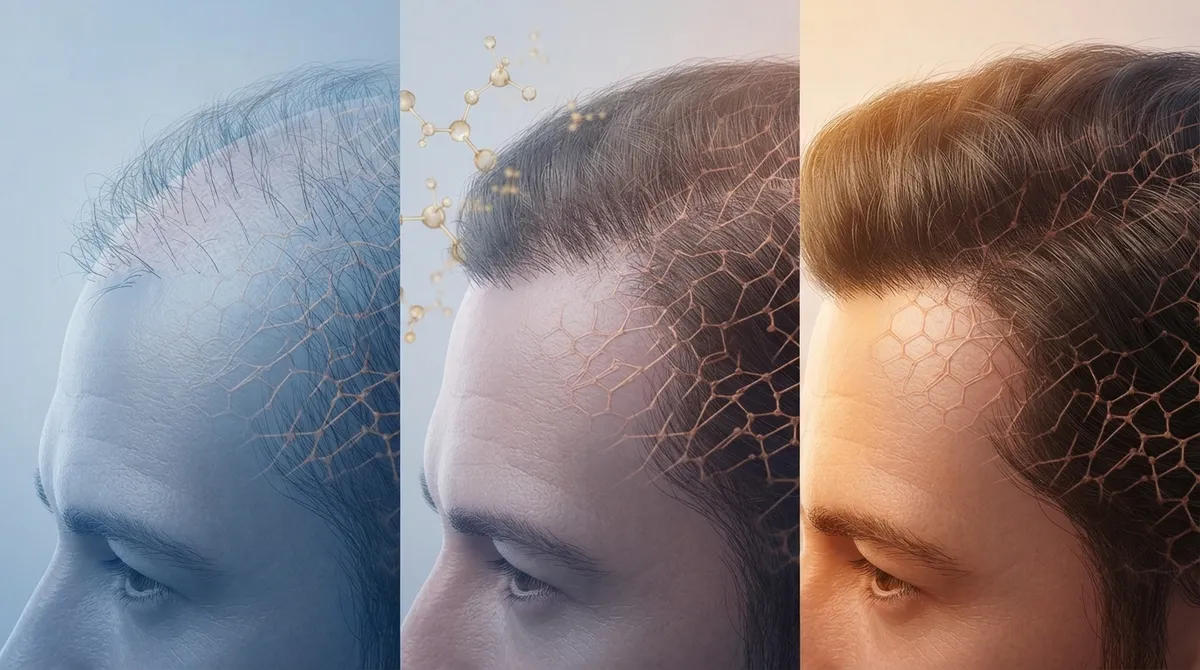
- GHK-Cu shows promise but lacks strong evidence—the main human study involved only 45 men and tested a formulation rather than GHK-Cu alone, with no large standalone clinical trials completed as of 2026.
- Expect results only after 6 months of consistent use; early signs may appear around month 3, but hair growth cycles are naturally slow, so premature discontinuation is a common reason for perceived failure.
- GHK-Cu works best as an adjunct treatment alongside evidence-based therapies like minoxidil, not as a replacement, since minoxidil has decades of FDA-backed research while GHK-Cu does not.
- People with Wilson's disease or other copper metabolism disorders must avoid GHK-Cu products entirely, and those with sensitive skin or active scalp conditions like eczema should consult a provider first.
- Address underlying causes of hair thinning through comprehensive health evaluation including hormone panels, thyroid function, and nutrient levels, as genetics, stress, diet, and medications play significant roles.
- Choose GHK-Cu products with concentrations between 1-5%, but concentration alone does not guarantee effectiveness—working with a knowledgeable provider to select quality formulations matters more than self-selecting off-the-shelf products.
Thinning hair sends many people searching for answers online. One name that keeps appearing is GHK-Cu, a copper peptide found in serums, shampoos, and scalp treatments. But does the science back up the buzz? At InCare, our approach to hair restoration combines evidence-based medicine with personalized care, so patients understand exactly what a treatment can and cannot do before they start. This article breaks down what GHK-Cu is, what current research actually shows, and how it fits into a bigger picture of scalp and whole-body health.
What Is GHK-Cu and How Does It Work?
GHK-Cu, also called copper tripeptide-1, is a small protein bound to copper. It occurs naturally in the body but declines with age. Researchers have studied it for decades because of its role in skin repair and tissue healing.
In hair care, GHK-Cu is added to topical serums, shampoos, and leave-on scalp treatments. The idea is that copper peptides may support the scalp environment where hair follicles live and grow.
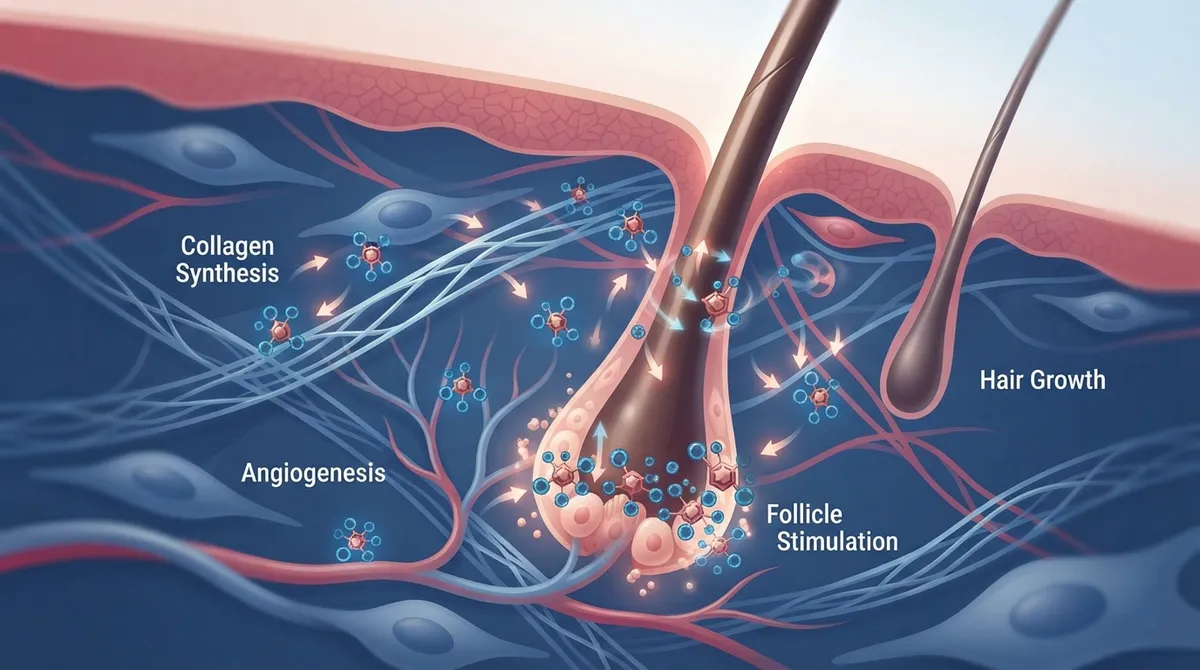
Here are the main ways scientists believe GHK-Cu might help hair:
- Stimulating growth factors that support follicle activity
- Reducing inflammation that can disrupt healthy hair cycles
- Improving blood flow and nutrient delivery to the scalp
- Supporting collagen production around hair follicles
- Helping calm an irritated or inflamed scalp environment

What Does the Research Actually Show?
The most cited human study looked at a GHK-containing formulation, not GHK-Cu used alone. In a 6-month trial involving 45 men with androgenetic alopecia, researchers measured changes in hair count.
The results were notable but not the full picture people often assume. Depending on concentration, the treatment group saw hair count increase between 52.6 and 71.5, compared to just 9.6 in the placebo group. That is a meaningful difference, but it is still one relatively small study.
A 2023 paper in PubMed Central also found that a GHK-Cu-containing microemulsion promoted hair growth by speeding up the hair follicle growth cycle in a study setting. This adds to the interest, but again, it is not a large-scale clinical trial in humans using GHK-Cu by itself.
As of 2026, no large, standalone randomized controlled trial of GHK-Cu monotherapy for hair loss has been established. Most reviews describe the evidence base as early-stage and limited, with no major replication studies yet completed.
Timeline: How Long Before You See Results?
Patience matters with any hair treatment. Hair growth cycles are slow, and peptide-based products are no exception. Based on current research and clinical observation, here is a general timeline:
- Weeks 1 to 4: No visible change; product absorption and scalp adjustment occur
- Around month 3: Early signs of response may start to appear in some users
- Month 6: This is typically needed for a meaningful assessment of results
- Beyond 6 months: Continued use may be required to maintain any gains
If you are not seeing changes by six months, it may be time to talk with a provider about other options, including hair restoration treatments with stronger clinical backing.
GHK-Cu vs. Minoxidil: How Do They Compare?
Minoxidil is one of the few FDA-approved treatments for hair loss with decades of research behind it. GHK-Cu simply does not have that same level of evidence yet. The table below breaks down key differences.
|
Factor |
GHK-Cu |
Minoxidil |
|---|---|---|
|
FDA Approval for Hair Loss |
No |
Yes |
|
Human Trial Evidence |
Limited, small studies |
Extensive, decades of data |
|
Typical Use |
Serums, shampoos, adjunct treatment |
Topical solution or foam, first-line therapy |
|
Time to See Results |
3 to 6 months (early signs) |
3 to 6 months |
|
Common Side Effects |
Irritation, redness, dryness |
Scalp irritation, unwanted facial hair growth |
|
Best Used As |
Possible adjunct treatment |
Standalone or combination therapy |
Most wellness-focused reviews describe GHK-Cu as a possible add-on for thinning hair, not a replacement for treatments with stronger clinical proof. If you want a treatment plan built around real evidence, a conversation with your primary care provider is a smart first step.
Is GHK-Cu Safe for Daily Use?
For most people, topical GHK-Cu is well tolerated. A 2025 safety summary found no significant contact sensitization in patch testing at concentrations up to 5 percent. This is reassuring, but it does not mean the product is risk-free for everyone.
The most commonly reported side effects include:
- Mild redness or irritation at the application site
- Itching or tingling on the scalp
- Dryness or flaking
- Contact dermatitis in sensitive individuals
Copper-containing products deserve extra caution for people with disorders of copper handling. This is especially true for those with Wilson's disease, a rare condition where the body cannot properly process copper. Anyone with a known copper metabolism disorder should avoid these products or speak with a doctor first.
Who Should Think Twice Before Trying GHK-Cu?
Not everyone is a good candidate for copper peptide treatments. Consider talking to a provider first if you fall into one of these groups:
- People diagnosed with Wilson's disease or other copper metabolism disorders
- Those with known sensitivities to topical peptides or metals
- Individuals with active scalp conditions like eczema or psoriasis
- Anyone currently using multiple other scalp treatments simultaneously
- Pregnant or breastfeeding individuals, due to limited safety data
What Concentration Should You Look For?
Not all GHK-Cu products are created equal. Concentration matters, and products vary widely in strength and formulation quality. Most hair serums on the market use concentrations ranging from 1 to 5 percent copper peptide complex.
Higher concentrations are not automatically better. In the 6-month study referenced earlier, different concentrations produced different results, but more research is needed to identify an ideal dose for hair specifically. This is one more reason working with a knowledgeable provider matters more than picking a product off a shelf.
Can GHK-Cu Help With Androgenetic Alopecia?
Androgenetic alopecia, often called male or female pattern baldness, is the most common cause of hair thinning. It has a strong genetic and hormonal component. GHK-Cu's proposed mechanisms, like reducing inflammation and supporting follicle activity, could theoretically help manage some contributing factors.
However, the honest answer is that GHK-Cu should not be treated as a proven first-line therapy for this condition. The 2026 review of current evidence describes the research as early-stage. People dealing with pattern hair loss often benefit more from a combined approach that includes lifestyle factors, hormone evaluation, and evidence-based treatments.
This is where whole-body wellness care makes a difference. Conditions like thyroid imbalance, nutrient deficiencies, and hormonal shifts can all contribute to hair thinning. A thorough evaluation through DNA gene testing or a comprehensive wellness visit can help identify underlying causes that a topical serum alone will never fix.
Building a Smarter Hair Health Strategy
Rather than relying on a single product, most successful approaches to hair thinning combine several strategies. Here is a practical order of steps many patients find helpful:
- Schedule a comprehensive health evaluation to rule out underlying causes
- Ask about hormone panels, thyroid function, and nutrient levels
- Discuss evidence-based options like minoxidil or prescription therapies
- Consider GHK-Cu serums as a possible adjunct, not a replacement
- Track progress with photos every 4 to 6 weeks
- Reassess your plan with a provider at the 6-month mark
Whole-body wellness also plays a bigger role than many people realize. Nutrition, stress levels, sleep quality, and even hydration status can all affect hair health. Services like IV hydration and vitamin drips and body composition analysis can help identify gaps in overall health that may be showing up as hair thinning.
Why a Personalized Approach Matters
Hair loss is rarely caused by just one thing. Genetics, hormones, stress, diet, and even certain medications can all play a role. This is why a personalized evaluation matters more than trying random products from the internet.
At InCare, our providers, including Dr. Naveen Paddu, Dr. Pramjeet Ahluwalia, and Dr. Teshy John, take time to understand each patient's full health picture before recommending any treatment path. This includes reviewing bloodwork, discussing lifestyle factors, and setting realistic expectations about timelines and outcomes.
Patients in Tampa and Riverview can also explore weight loss and metabolic services, since weight fluctuations and metabolic health are closely tied to hair growth cycles. Addressing these factors together often produces better results than focusing on the scalp alone.
Questions to Ask Before Starting Any Hair Treatment
Before committing to a new product or protocol, it helps to ask a few key questions. Consider bringing these to your next appointment:
- What is causing my specific pattern of hair thinning?
- Are there underlying health issues that need to be addressed first?
- What does the current research actually support for my situation?
- How long should I try a treatment before evaluating results?
- Are there safer or more proven alternatives I should consider first?
Getting clear answers from a trusted provider beats guessing based on marketing claims. Patients often find it easier to see progress when treatment decisions are backed by data, not just testimonials found on social media.
Staying Informed and Connected
Wellness trends move fast, and hair care is no exception. Staying informed helps you make better decisions and avoid wasting money on unproven products. InCare shares regular updates and educational content on Facebook, Instagram, and TikTok, offering a mix of health tips and behind-the-scenes looks at our Tampa and Riverview clinics.
Many patients also like to check reviews before choosing a provider. You can visit us on Google — InCare to see feedback from real patients in the Tampa Bay area, including comments about our friendly staff and the quality of care from our physicians.
Ready to Take the Next Step?
Hair thinning can feel frustrating, especially when the internet is full of conflicting claims. GHK-Cu shows some promise as a possible supporting treatment, but it works best as part of a bigger, personalized wellness plan. If you are ready to get real answers about your hair health, our team can help. Reach out to our team today to schedule a consultation, or go ahead and book your appointment online now to start building a plan that actually fits your body and your goals.
FAQs
Q: Does GHK-Cu really help hair growth?
A: Current research shows some promise, but the evidence remains limited and early-stage. The strongest human data comes from a small 6-month study using a GHK-containing formulation, not GHK-Cu alone, so more research is needed before firm conclusions can be made.
Q: How long does GHK-Cu take to work for hair loss?
A: Early signs of response may appear around 3 months, but most experts recommend waiting a full 6 months for a meaningful assessment. Hair growth cycles are naturally slow, so patience is essential with any topical treatment.
Q: Is GHK-Cu better than minoxidil for hair growth?
A: No large trials directly compare the two, and minoxidil has decades of FDA-backed research behind it. GHK-Cu is generally viewed as a possible adjunct treatment rather than a replacement for proven therapies like minoxidil.
Q: What are the side effects of GHK-Cu on the scalp?
A: Topical GHK-Cu is generally well tolerated. The most common side effects include mild irritation, redness, itching, dryness, or contact dermatitis in sensitive individuals.
Q: Who should avoid GHK-Cu products?
A: People with disorders of copper handling, such as Wilson's disease, should use extra caution or avoid copper peptide products entirely. Anyone with sensitive skin or active scalp conditions should also consult a provider before starting treatment.