Key Takeaways
- Steam broccoli for 3-4 minutes rather than boiling to preserve sulforaphane-activating enzymes; overcooking destroys myrosinase needed to convert glucoraphanin into the active antioxidant compound.
- Broccoli doesn't directly supply glutathione but activates your body's own glutathione production through sulforaphane; studies show eating 250g steamed broccoli daily for 10 days reduced oxidized DNA by 41% and increased DNA damage resistance by 23%.
- Broccoli sprouts contain up to 100x more glucoraphanin than mature broccoli, offering a more concentrated antioxidant dose in smaller portions, making them a practical alternative if availability isn't an issue.
- Whole broccoli provides superior benefits over supplements because it includes fiber, vitamins, and minerals that isolated sulforaphane supplements cannot replicate.
You have probably heard that leafy greens and cruciferous vegetables are good for you. But does broccoli actually raise your glutathione levels, or is that just a wellness myth? This question matters for anyone trying to fight off oxidative stress, support liver function, or simply eat smarter. At InCare, our Tampa and Riverview clinics see many patients who want food-based ways to support their body's natural defenses before turning to supplements or advanced therapies.
Glutathione is often called the body's "master antioxidant." It plays a key role in detoxification, immune health, and cellular repair. Broccoli, especially when eaten fresh or lightly steamed, contains compounds that may help your body produce and use glutathione more effectively. This article breaks down what the science actually says, how to prepare broccoli for the best results, and how a personalized wellness plan can help you go beyond diet alone.

What Is Glutathione and Why Does It Matter?
Glutathione is a small molecule made from three amino acids: glutamine, glycine, and cysteine. Your body produces it naturally, mostly in the liver. It helps neutralize free radicals, supports immune function, and assists in breaking down toxins.
As people age, or face high stress, poor sleep, or environmental toxin exposure, glutathione levels can drop. Low glutathione has been linked to increased oxidative stress and a weaker immune response. This is why many patients ask their primary care provider about ways to support this system naturally.
Key Functions of Glutathione in the Body
- Neutralizes harmful free radicals and reduces oxidative stress
- Supports liver detoxification pathways
- Helps regenerate other antioxidants like vitamins C and E
- Plays a role in immune cell function
- Assists in repairing damaged DNA

Does Broccoli Increase Glutathione Levels?
Broccoli is not itself a major source of pre-formed glutathione. Instead, research suggests it works indirectly. Broccoli contains glucoraphanin, a compound that converts into sulforaphane. Sulforaphane appears to activate enzymes that support your body's own glutathione production and antioxidant defenses.
A pilot study involving healthy adult male smokers found that eating just one portion of broccoli increased plasma antioxidant levels. It also changed glutathione S-transferase activity, an enzyme connected to detoxification, and improved resistance to DNA damage caused by hydrogen peroxide exposure.
What the Research Shows
- A crossover study of 27 young healthy smokers found that eating 250 grams of steamed broccoli daily for 10 days reduced oxidized DNA by 41 percent.
- The same study found a 23 percent increase in resistance to hydrogen peroxide-induced DNA strand breaks.
- A separate pilot study of 10 healthy male smokers showed a single portion of broccoli modulated glutathione S-transferase activity and boosted plasma antioxidant levels.
- Broccoli consumption has been linked to changes in plasma metabolites that correlate with improved glutathione status.
- Some research suggests broccoli may also influence gut microbiome activity, which could play a role in antioxidant support.
These findings are encouraging, but researchers note that broccoli supports antioxidant pathways more than it directly supplies glutathione. This distinction matters if you are building a wellness plan based on food choices.
Broccoli vs. Broccoli Sprouts: What's the Difference?
Many people wonder if broccoli sprouts offer more benefits than mature broccoli. Sprouts tend to contain a much higher concentration of glucoraphanin, the compound that converts to sulforaphane. This means sprouts may deliver a more concentrated dose of the same antioxidant-supporting compounds.
FeatureMature BroccoliBroccoli SproutsGlucoraphanin ContentModerateVery High (up to 100x more)Sulforaphane PotentialModerateHighEase of Daily UseCommon side dishBest in salads or smoothiesCooking SensitivityHigh heat reduces potencyUsually eaten rawAvailabilityWidely availableFound in specialty stores
Best Ways to Cook Broccoli for Antioxidant Support
How you prepare broccoli can change how many beneficial compounds remain active. Overcooking can destroy the enzyme myrosinase, which is needed to convert glucoraphanin into sulforaphane.
Cooking Methods Ranked for Nutrient Retention
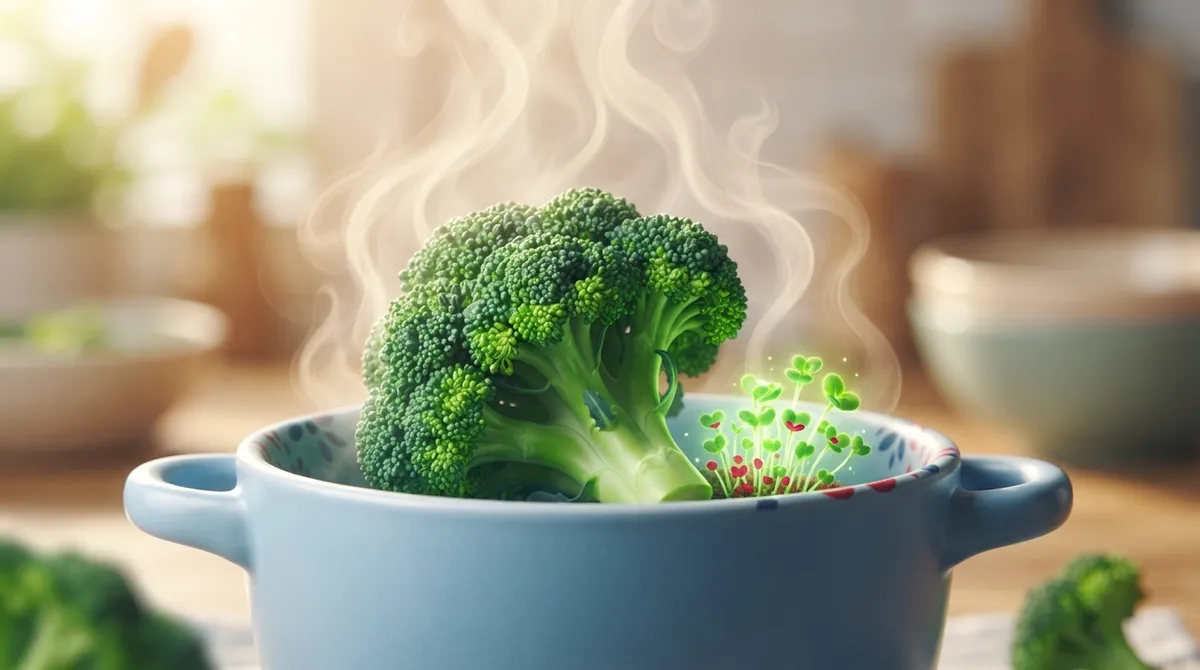
- Steaming for 3 to 4 minutes preserves the most sulforaphane potential while softening the vegetable.
- Light stir-frying at moderate heat retains a good amount of active compounds.
- Raw consumption, such as in salads, keeps enzymes fully intact but may be harder to digest for some people.
- Boiling for long periods significantly reduces beneficial compounds and should be avoided.
- Microwaving without water can also reduce nutrient retention if overdone.
Adding a small amount of mustard seed powder to cooked broccoli may help restore some myrosinase activity, according to several nutrition studies. This simple trick can help you get more from your meal.
Can Broccoli Help With Oxidative Stress?
Oxidative stress happens when free radicals outnumber the antioxidants available to neutralize them. Over time, this imbalance is linked to inflammation, faster aging, and chronic disease risk. Broccoli's role in supporting glutathione pathways may help reduce this imbalance.
The studies mentioned earlier showed measurable improvements in DNA protection after regular broccoli intake. While these results are promising, they should be viewed as part of a larger wellness strategy rather than a stand-alone fix.
Signs You May Benefit From More Antioxidant Support
- Frequent fatigue or low energy throughout the day
- Slower recovery from illness or physical activity
- Increased exposure to environmental toxins or pollution
- A diet low in fruits and vegetables
- A family history of chronic inflammatory conditions
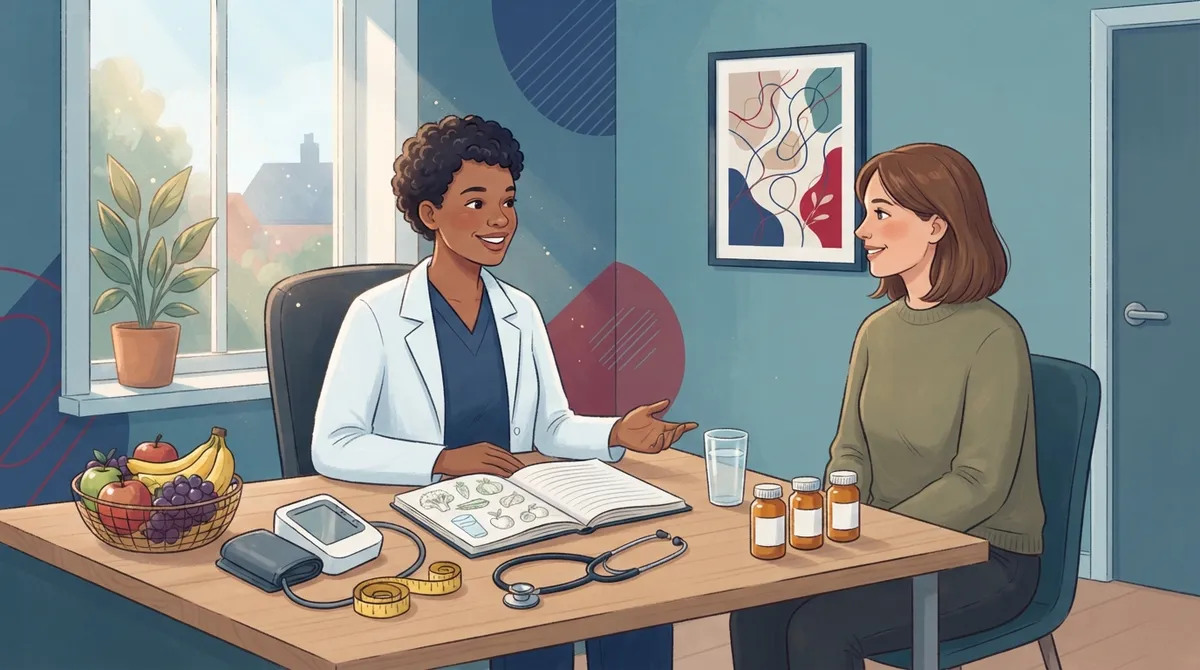
If you notice these signs, a conversation with your doctor can help you figure out the right next steps. Our providers can review your health history and recommend personalized options.
Are Broccoli Supplements as Effective as Eating Broccoli?
Sulforaphane supplements have grown popular in recent years. They promise a concentrated dose without needing to eat large amounts of vegetables. However, whole food sources tend to offer additional fiber, vitamins, and minerals that supplements cannot fully replicate.
OptionProsConsFresh BroccoliWhole food nutrients, fiber, low costRequires proper cooking methodBroccoli SproutsHigher sulforaphane concentrationShorter shelf lifeSulforaphane SupplementsConvenient, consistent dosingLacks whole food fiber and nutrients
Broccoli and Detoxification: What Does the Research Say?
The liver relies heavily on glutathione for phase II detoxification, where toxins are broken down and prepared for removal from the body. Since broccoli appears to support glutathione-related enzyme activity, it may play a supporting role in this detox process.
This does not mean broccoli replaces medical detox support or professional health monitoring. Instead, think of it as one piece of a much larger puzzle that includes hydration, sleep, and regular checkups. Many patients pair dietary changes with services like IV hydration and vitamin drips to support overall wellness goals.
Building a Whole-Body Wellness Plan
Diet is only one part of staying healthy. A complete wellness plan often includes regular screenings, lab work, and personalized health data. At InCare, we combine nutrition guidance with advanced tools like DNA gene testing and body composition analysis to build a plan around your unique biology.
Steps to Support Your Body's Antioxidant System
- Add cruciferous vegetables like broccoli to your meals several times a week.
- Steam or lightly cook vegetables to preserve beneficial compounds.
- Stay hydrated and get consistent, quality sleep each night.
- Schedule an annual cancer screening to catch potential issues early.
- Discuss your diet and lifestyle with a trusted primary care provider.
Preventive care works best when it is personalized. Our team has helped many patients across Tampa and Riverview build sustainable habits that support long-term health, not just short-term results.
Why Choose InCare for Your Wellness Journey
InCare combines modern technology with real medical expertise. Whether you are curious about nutrition science, need a weight loss program, or want a full wellness checkup, our team is ready to help. We hold a 4.8 out of 5 rating on Google from hundreds of satisfied patients, and we take pride in listening closely to every concern.
You can follow our latest wellness tips and patient stories on Facebook, Instagram, and TikTok for more practical health guidance. You can also visit us on Google — InCare to read reviews from real patients in Tampa and Riverview.
If you're ready to talk with a provider about antioxidant support, detox health, or a broader wellness checkup, reach out to our team today, or go ahead and book your appointment now to get started on a personalized plan.
FAQs
Q: Does broccoli increase glutathione levels?
A: Broccoli does not directly supply large amounts of glutathione, but research suggests it supports the body's natural glutathione production. Compounds like sulforaphane activate enzymes involved in antioxidant defense and detoxification pathways.
Q: Is broccoli a good source of glutathione?
A: Broccoli is better known for supporting glutathione-related enzyme activity than for being a direct high-glutathione food. Studies show it can improve antioxidant status and reduce oxidative DNA damage when eaten regularly.
Q: What is the difference between broccoli and broccoli sprouts for glutathione support?
A: Broccoli sprouts contain significantly higher levels of glucoraphanin, the precursor to sulforaphane, compared to mature broccoli. This means sprouts may offer a more concentrated antioxidant-supporting effect per serving.
Q: What is the best way to cook broccoli to preserve its health benefits?
A: Steaming broccoli for three to four minutes helps preserve the enzyme needed to activate sulforaphane. Boiling for long periods or overcooking can significantly reduce these beneficial compounds.
Q: Are broccoli supplements as effective as eating broccoli?
A: Supplements can offer a convenient, concentrated dose of sulforaphane, but they lack the fiber and additional nutrients found in whole broccoli. Most nutrition experts recommend food-based sources as the foundation, with supplements used only as a complement.