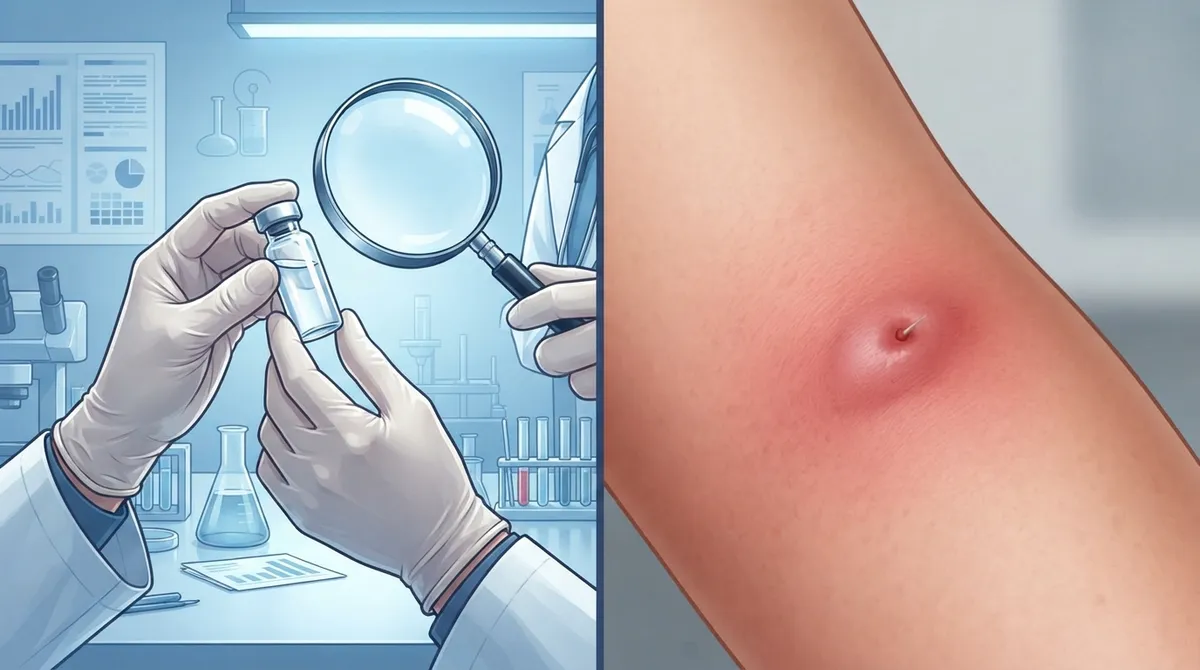
Key Takeaways
- BPC-157 is not FDA-approved and lacks robust human safety data; allergic reactions are possible though appear rare, but the true incidence rate cannot be reliably calculated due to limited evidence.
- Product quality varies widely since BPC-157 is sold as unregulated research compound; reactions may stem from contaminated bacteriostatic water, preservatives, or manufacturing impurities rather than the peptide itself.
- Distinguish allergic reactions from normal injection-site irritation by timing (minutes vs. hours), symptom spread (localized vs. systemic), and severity; breathing difficulty, facial swelling, or fever indicate true allergic response requiring emergency care.
- Symptoms requiring immediate medical attention include hives, facial or lip swelling, difficulty breathing, blistering, fever, vomiting, or rapidly worsening injection-site reactions; never adopt a wait-and-see approach for these warning signs.
- Medical supervision significantly reduces risk by ensuring verified product sourcing, proper sterile reconstitution, allergy history review before treatment, and immediate access to care if reactions develop.
- The FDA issued a 2023 warning about compounded BPC-157 products citing immune reaction risks and peptide impurities; patients should avoid unregulated online products and seek treatment only through licensed medical clinics.
Peptide therapy has become one of the fastest-growing topics in wellness circles, and BPC-157 sits near the top of that list. Patients often ask their doctors about it after reading forum posts or watching social media videos about faster healing and reduced inflammation. But one question gets far less attention than it should: what happens if your body reacts badly to it? Understanding the difference between a normal injection-site response and a true BPC-157 allergic reaction can protect your health and help you make smarter decisions before trying any peptide product.
At InCare, our Tampa and Riverview teams regularly field questions about peptide safety from patients pursuing whole-body wellness. This guide breaks down what the current research says, how to spot warning signs, and when a reaction needs urgent medical attention rather than a wait-and-see approach.

What Is BPC-157 and Why Do People Use It?
BPC-157 is a synthetic peptide derived from a protein found in stomach fluid. It has been studied mostly in animals for its potential role in tissue repair, gut healing, and inflammation control. It is important to understand that BPC-157 is not approved by the FDA as a medicine. It is often sold online as a "research compound," which means quality control varies widely between suppliers.
People interested in peptide therapy usually want faster recovery from injuries, joint support, or general anti-inflammatory benefits. If you are curious about how peptides fit into a broader wellness plan, our peptide therapy clinic in Tampa can walk you through options that are properly supervised by medical professionals.
The Current State of Human Safety Data
Large, well-controlled human trials on BPC-157 are still lacking. Most of what we know comes from animal studies and small case reports. A 2025 narrative review noted no adverse effects in the human cystitis study it referenced, and it reported no teratogenic, genotoxic, or anaphylactic effects identified in the available preclinical and limited human data. That said, "limited data" is the key phrase here. The evidence base is too small to calculate a reliable allergy rate in humans.

Can You Be Allergic to BPC-157?
Yes, an allergic reaction to BPC-157 is possible, though it appears to be rare based on the limited literature available. Like any injectable substance, BPC-157 introduces a foreign compound into the body, which can sometimes trigger an immune response. This is separate from the injection-site irritation many people experience, which is usually mild and expected.
Interestingly, animal research has explored the opposite question too. One study found that BPC-157 could actually help prevent or reduce anaphylactoid reactions triggered by dextran and egg proteins in rats and mice, at doses as low as 10 picograms per kilogram. This does not mean BPC-157 is incapable of causing a reaction in humans. It simply shows the relationship between this peptide and the immune system is complex and not fully mapped out yet.
Why Product Quality Matters
Because BPC-157 is often sold as an unregulated research peptide rather than an approved medicine, contamination and impurities are a real concern. Reactions blamed on the peptide itself may actually come from:
- Bacteriostatic water used for reconstitution
- Preservatives added during manufacturing
- Bacterial or chemical contaminants from poor sourcing
- Incorrect dosing or storage that degrades the compound
- Combination products blended with other peptides like TB-500
One review of peptide-combination safety cited a case series where 2 out of 150 research subjects (1.3%) developed urticarial reactions, but this involved a BPC-157 and TB-500 blend rather than BPC-157 alone. This distinction matters because it shows how combination products can carry different risks than a single peptide.
Symptoms of a BPC-157 Allergic Reaction
Recognizing the signs early can make a significant difference in outcomes. Here is a breakdown of symptoms ranked from mild to severe:
Severity LevelCommon SymptomsRecommended ActionMildRedness or itching at injection siteMonitor closely, note timingModerateRash, hives, localized swellingStop use, contact a doctorSevereFacial or lip swelling, trouble breathing, blisteringSeek emergency care immediatelySystemicFever, vomiting, worsening inflammation at siteSeek same-day medical evaluation
Injection-Site Reaction vs. True Allergic Reaction
Many patients confuse a normal injection-site reaction with a true allergy. Here is how to tell them apart:
- Timing: Injection-site irritation typically appears within minutes and stays localized. Allergic reactions can appear quickly or develop over hours and often spread beyond the injection area.
- Symptom spread: A normal reaction stays at the injection site. An allergic reaction may involve the face, lips, tongue, or throat.
- Breathing changes: Injection-site reactions do not affect breathing. Any shortness of breath signals a possible allergic emergency.
- Systemic symptoms: Fever, vomiting, or a whole-body rash point toward an allergic response rather than a local skin reaction.
- Resolution time: Mild irritation fades within a day. Allergic symptoms often worsen without treatment.
Warning Signs That Require Immediate Attention
Certain symptoms should never be ignored. If you experience any of the following after using BPC-157, stop the product and seek care right away:
- Hives or widespread rash
- Swelling of the face, lips, or tongue
- Difficulty breathing or tightness in the throat
- Blistering skin
- Fever or chills
- Vomiting
- Increasing redness or pain at the injection site
Severe allergic reactions are described as rare in the available literature, but because the human data is so limited, no one can promise you will not be affected. Treating any suspected reaction as potentially serious is the safest approach until it is ruled out by a medical professional.
How Primary Care Providers Approach Suspected Reactions
When a patient reports symptoms after using a peptide like BPC-157, our providers at InCare follow a structured approach to protect your health:
- Take a full history, including product source, dose, and reconstitution method
- Examine the injection site and check for signs of infection versus allergy
- Assess for systemic symptoms such as breathing difficulty or facial swelling
- Refer to urgent care or emergency services if symptoms suggest anaphylaxis
- Recommend discontinuing the product immediately in all suspected cases
- Discuss safer, medically supervised alternatives going forward
This is one reason why working with a licensed clinic rather than self-administering research peptides matters so much. Our providers can evaluate your full health picture, including any prior drug allergies, before recommending any peptide-related therapy.
Is BPC-157 Safe for People With Multiple Drug Allergies?
If you have a history of multiple drug allergies, extra caution is warranted. Because BPC-157 is not FDA-approved and lacks robust human trial data, providers cannot predict how your immune system will respond. A thorough consultation, ideally as part of a wellness visit, allows your care team to weigh the potential benefits against your personal risk factors.
Comparing BPC-157 Reactions to Other Common Wellness Therapy Side Effects
Understanding how BPC-157 reactions compare to other treatments offered in wellness settings can help set realistic expectations.
TherapyCommon Reaction TypeTypical FrequencyBPC-157 (peptide)Injection-site irritation; rare hypersensitivityRare, incidence not establishedIV Vitamin DripsMild bruising, rare vein irritationUncommonWeight Loss InjectionsNausea, mild injection-site reactionCommon but usually mildHair Restoration TreatmentsLocalized redness or tendernessCommon, self-limiting
This comparison shows why any new injectable, including peptides explored through our weight loss or hair restoration programs, should be introduced under medical supervision rather than self-directed use.
Steps to Take If You Suspect an Allergic Reaction
If you believe you are experiencing a reaction to BPC-157, follow these steps in order:
- Stop using the product immediately
- Photograph any visible rash, swelling, or injection-site changes
- Note the exact time symptoms started and how they have progressed
- Check for breathing difficulty, throat tightness, or facial swelling
- Call emergency services if symptoms are severe or rapidly worsening
- Schedule a same-day visit with a primary care provider if symptoms are mild to moderate
- Bring the product packaging or source information to your appointment
Our team offers same-day appointments for patients who need fast answers about a suspected reaction, whether it involves a peptide, medication, or supplement.
The Regulatory Picture
The FDA issued a warning in late 2023 about safety risks tied to compounded BPC-157 products, citing concerns about immune reactions and peptide impurities. This warning reflects a broader trend of increased scrutiny toward compounded peptides sold outside traditional pharmaceutical channels. Patients considering peptide therapy should understand this regulatory backdrop before starting any product purchased outside a licensed medical setting.
For more detail on how peptides fit into a properly supervised wellness plan, see our related article on seven facts every wellness patient should know about BPC-157 and our guide on BPC-157 adverse effects.
Why Medical Oversight Changes the Risk Equation
When peptide therapy is administered through a licensed clinic, several safeguards reduce your risk:
- Verified product sourcing and quality control
- Proper reconstitution using sterile, tested ingredients
- A full review of your allergy history before treatment begins
- Immediate access to care if a reaction develops
- Documentation that supports future treatment decisions
This is very different from ordering a product online with no oversight of ingredients, dosing, or storage conditions. Our DNA gene testing and body composition analysis services can also help identify underlying sensitivities before you start any new therapy.
Frequently Discussed Concerns From Patients
Many patients researching peptide therapy turn to online communities for firsthand accounts. While forums can offer perspective, they are not a substitute for medical guidance. A licensed provider can help you interpret symptoms accurately and avoid unnecessary risk. You can also see how other patients describe their experience with our team by visiting our InCare location on Google, where reviews reflect our approach to careful, personalized care.
For ongoing wellness updates and patient education, you can also follow InCare on Facebook, Instagram, and TikTok for the latest wellness insights and clinic updates.
Making an Informed Decision About Peptide Therapy
The decision to try BPC-157 or any peptide therapy should never be made in isolation. Given the limited human safety data, working with a provider who understands both the potential benefits and the real risks is essential. Whether you are exploring peptide therapy for recovery, considering IV hydration therapy for overall wellness, or simply want a baseline health check through cancer screening services, a knowledgeable care team keeps your safety at the center of every decision.
If you have questions about peptide therapy or want to discuss a possible reaction you experienced, our team is ready to help. Reach out to InCare today to speak with a provider, or book your appointment now to get personalized guidance on peptide safety and whole-body wellness planning.
FAQs
Q: Can you be allergic to BPC-157?
A: Yes, though allergic reactions appear rare in the limited available research. As with any injectable substance, BPC-157 can trigger an immune response in some individuals, and product quality plays a significant role in reaction risk.
Q: What are the symptoms of a BPC-157 allergic reaction?
A: Warning signs include rash, hives, swelling of the face or lips, trouble breathing, blistering, fever, or vomiting. Any of these symptoms warrant stopping the product and seeking prompt medical evaluation.
Q: How do you tell the difference between an allergic reaction and an injection-site reaction from BPC-157?
A: Injection-site reactions typically stay localized and fade within a day, while true allergic reactions often spread beyond the injection area and may involve breathing changes or systemic symptoms like fever. Timing and symptom spread are the key differences.
Q: Does the bacteriostatic water or preservative cause the reaction instead of BPC-157?
A: It is possible. Because BPC-157 is often sold as an unregulated research peptide, impurities, preservatives, or reconstitution ingredients may contribute to reactions that are not caused by the peptide itself.
Q: Is BPC-157 approved by the FDA?
A: No, BPC-157 is not an FDA-approved medication. The FDA issued a warning in late 2023 about safety risks associated with compounded BPC-157, including concerns about immune reactions and impurities.