Key Takeaways
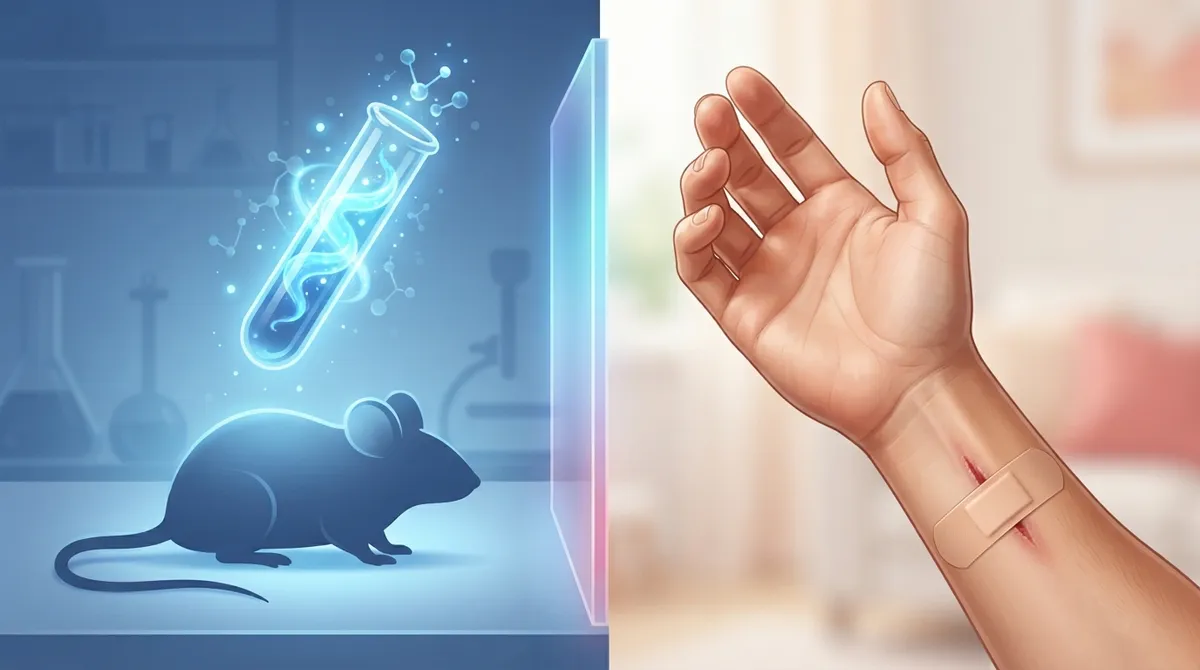
- BPC-157 shows promising results in animal studies for wound healing including faster closure and improved collagen formation, but human clinical evidence for skin healing is essentially nonexistent, making it impossible to confirm effectiveness in people.
- BPC-157 is not FDA-approved for any medical use, lacks established human dosing, and long-term safety data in humans does not exist, so it should only be considered under guidance from a qualified medical provider.
- Standard wound care with proven techniques like proper cleaning, dressing changes, and infection control remains the gold standard backed by decades of clinical research, while BPC-157 remains experimental.
- Animal research has focused narrowly on surgical wounds and burn injuries, but no studies have examined BPC-157 for common skin conditions like eczema, psoriasis, or acne scarring, limiting real-world applicability.
- Before considering peptide therapy, schedule a consultation with a licensed medical provider, discuss your health goals, review medications and allergies, and verify product sourcing and quality control.
- Skin health depends on multiple factors including nutrition, hydration, sleep, and overall metabolic health; focusing on foundational wellness practices often produces more reliable results than unproven experimental treatments.
Peptide therapy has become one of the most talked-about topics in wellness clinics across Tampa and Riverview. Among these compounds, BPC-157 has drawn special attention for its potential role in skin repair. But how much of this interest is backed by real science, and how much is hype? This article breaks down what current research actually shows about BPC-157 for skin healing, so you can make informed decisions about your health.
At InCare, patients often ask about peptide therapies during wellness consultations. Understanding the science behind these treatments matters, especially when claims outpace clinical proof. Let's look closely at what BPC-157 is, what animal studies suggest, and why human data remains limited.

What Is BPC-157?
BPC-157 stands for Body Protection Compound-157. It is a synthetic peptide made of 15 amino acids. Scientists first identified it as a stable fragment of a protein found in human gastric juice.
Researchers originally studied BPC-157 for its effects on gut healing and protection. Over time, interest expanded into other areas, including skin, tendons, and muscle recovery. The compound is described in scientific literature as having cytoprotective and wound-healing properties, according to a peer-reviewed review published on PubMed Central.
It's important to understand that BPC-157 is not currently approved by the FDA for any medical use in the United States. Most of what we know comes from laboratory and animal research, not large-scale human trials.

Does BPC-157 Actually Help Skin Heal?
This is the most common question patients ask. The honest answer is: we don't fully know yet. Most promising results come from animal studies, not humans.
Here's what researchers have found in preclinical models:
- Faster closure of skin wounds in rats and mice
- Improved re-epithelialization, which means skin cells regrow and cover wounds more quickly
- Better collagen deposition, a key protein for skin strength and structure
- Increased angiogenesis, or new blood vessel formation, which supports healing tissue
- Reduced necrosis (tissue death) in burn models
These findings are encouraging for future research. However, animal results do not always translate directly to human outcomes. This gap is critical to understand before considering any peptide treatment.
Key Animal Studies on BPC-157 and Skin Repair
Several studies form the foundation of what we know about BPC-157 and skin healing. Let's walk through the most significant findings in order.
1. The 2015 Rat Alkali-Burn Study
Researchers tested topical BPC-157 on rats with alkali burn injuries. This type of burn is caused by exposure to strong alkaline substances and tends to heal slowly. The study, published on PubMed, found that BPC-157 accelerated wound closure compared to untreated burns.
2. The 2001 Mouse Burn-Wound Study
This earlier study looked at thermal burns in mice. Findings showed improved edema (swelling) control, reduced tissue death, and better capillary formation. Researchers also observed stronger collagen and reticulin development in treated tissue. Notably, by two weeks post-injury, poor re-epithelialization was completely reversed in treated animals, according to results published on PubMed.
3. The 2021 Comprehensive Review
A broader review compiled multiple studies on BPC-157 and wound healing. It confirmed patterns of faster granulation tissue formation, improved re-epithelialization, and better dermal remodeling across various skin injury models.
StudyModel TypeKey Finding2015 Rat StudyAlkali burn woundsAccelerated wound closure with topical application2001 Mouse StudyThermal burn woundsComplete reversal of poor re-epithelialization by 2 weeks2021 ReviewMultiple skin injury modelsFaster granulation, collagen deposition, dermal remodeling
Why Human Evidence Is Still Missing
This is the most important part of the conversation. Despite promising animal data, human clinical trials specifically for skin wound healing are essentially nonexistent. A 2026 review confirmed this significant evidence gap remains unresolved.
Some human studies have examined BPC-157 for other purposes, such as gut protection or musculoskeletal recovery. But none have focused specifically on skin wounds in controlled clinical settings. This means we cannot say with confidence that BPC-157 works the same way in people as it does in lab animals.
Because of this gap, BPC-157 is not considered a standard treatment for skin healing in primary care, dermatology, or wellness medicine. Patients should approach marketing claims about this peptide with healthy skepticism.
Is BPC-157 Safe for Wound Healing?
Safety is another area where the research remains incomplete. Some reviews report no clear signs of toxicity in animal studies or limited early human research. Specifically, no teratogenic (birth defect-causing), genotoxic, or anaphylactic effects have been observed in available data.
However, absence of observed harm in limited studies is not the same as proven safety for widespread human use. Here are important safety considerations:
- BPC-157 is not FDA-approved for any medical condition
- Long-term human safety data does not exist
- Quality and purity of peptide products vary widely between suppliers
- Interactions with other medications have not been well studied
- Proper dosing for humans has not been established through clinical trials
Anyone considering peptide therapy should discuss it with a qualified medical provider first. This is especially true for people with existing health conditions or those taking other medications.
How BPC-157 Compares to Standard Wound Care
Standard wound care has decades of clinical research behind it. Treatments like proper wound cleaning, dressing changes, and infection control remain the gold standard for skin healing.
FactorStandard Wound CareBPC-157FDA ApprovalYes, for approved productsNoHuman Clinical TrialsExtensiveEssentially none for skinEvidence BaseDecades of peer-reviewed researchMostly animal studiesStandard of Care StatusYesNo
This comparison highlights why proven medical approaches should remain the first choice for wound and skin injury treatment. Peptides like BPC-157 remain experimental at this stage.
Can BPC-157 Reduce Scarring?
Some animal research suggests improved collagen organization and tissue remodeling, which theoretically could influence scar formation. However, no controlled human studies have confirmed this benefit for scar reduction specifically.
People interested in reducing scarring should explore treatments with stronger clinical backing. Options like medically supervised peptide programs paired with proven dermatological treatments may offer a more balanced approach when guided by a physician.
What Skin Conditions Have Been Studied?
Research has focused on a narrow range of skin injury types, primarily in animal models. These include:
- Incisional wounds (surgical-type cuts)
- Excisional wounds (removed tissue areas)
- Alkali chemical burns
- Thermal burns
No studies have examined BPC-157 for common human skin conditions like eczema, psoriasis, or acne scarring. This further limits how the current research applies to everyday skin health concerns.
Steps to Take Before Considering Peptide Therapy
If you're curious about peptide therapy for any wellness goal, including skin health, follow these steps first.
- Schedule a consultation with a licensed medical provider who understands peptide research
- Discuss your specific health goals and any existing skin conditions
- Ask about the current state of clinical evidence for any treatment you're considering
- Review your complete medical history, including medications and allergies
- Understand that experimental treatments carry different risk profiles than approved therapies
- Request information about product sourcing and quality control if peptides are recommended
A trusted primary care provider can help you separate evidence-based treatments from unproven trends. This guidance is especially valuable given how much misinformation circulates online about peptide therapies.
Why Whole-Body Wellness Matters More Than Trends
Skin health doesn't exist in isolation. Nutrition, hydration, sleep, and overall metabolic health all play major roles in how well your skin heals and looks.
At InCare's Tampa and Riverview locations, providers take a comprehensive approach to wellness. This includes services like IV hydration and vitamin drips to support tissue repair, DNA gene testing to understand your unique health profile, and body composition analysis to track progress with real data.
Rather than chasing unproven trends, focusing on foundational health often produces more reliable results. This includes proper wound care, balanced nutrition, and addressing underlying health conditions that may slow healing.
The Role of Medical Guidance in Peptide Decisions
Peptide therapy is a rapidly evolving field. New research emerges constantly, and what's true today may shift as more human studies are completed.
This is why working with knowledgeable providers matters so much. At InCare, patients can discuss peptide therapy options in Tampa with medical professionals who stay current on research developments. This ensures decisions are based on facts, not marketing claims.
Patients considering any experimental treatment deserve honest, evidence-based conversations. Your provider should be willing to discuss both the potential benefits and the current limitations of the science.
What Tampa and Riverview Patients Should Know
Local patients researching BPC-157 often find conflicting information online. Wellness influencers may overstate benefits, while some sources dismiss the compound entirely.
The truth sits in the middle. Animal research shows genuine promise, but human clinical evidence for skin healing remains limited. This nuanced reality deserves respect rather than oversimplification in either direction.
You can learn more about how InCare approaches wellness services by following the clinic on Facebook or Instagram for updates on emerging treatments and educational content. Many patients also share their experiences on TikTok, where the clinic posts helpful wellness tips.
Making Informed Decisions About Skin Healing
Skin healing is a complex biological process influenced by many factors beyond any single peptide or treatment. Genetics, nutrition, circulation, and overall health all play important roles.
Before trying any experimental compound, consider these questions:
- Has this treatment been tested in controlled human studies?
- What does the FDA say about its approval status?
- Are there proven alternatives with stronger evidence?
- Does my provider have experience discussing this specific treatment?
These questions help protect you from wasting money on unproven treatments or, worse, exposing yourself to unnecessary risks.
Conclusion
BPC-157 shows real promise in animal studies for skin wound healing, including faster closure, better collagen formation, and improved tissue repair. However, human clinical evidence remains extremely limited, and the compound is not FDA-approved for any medical use.
Patients interested in skin healing, peptide therapy, or overall wellness deserve honest, science-based guidance. The team at InCare's Tampa and Riverview locations is committed to providing that clarity, backed by current research and personalized care plans.
If you have questions about peptide therapy or want to explore proven approaches to skin and wellness support, reach out to our care team today. You can also schedule your appointment online to discuss your specific health goals with a qualified provider. To see what real patients say about their experience, visit us on Google — InCare and read reviews from our Tampa and Riverview community.
FAQs
Q: Does BPC-157 actually help skin heal?
A: Animal studies show promising results, including faster wound closure and improved collagen formation. However, human clinical evidence specifically for skin healing remains essentially nonexistent, so definitive conclusions for people cannot yet be made.
Q: Is BPC-157 safe for wound healing?
A: Some research reports no observed toxicity in animal or limited early human data, but this does not confirm safety for routine human use. BPC-157 is not FDA-approved, and long-term safety data in humans does not exist.
Q: Is BPC-157 approved for human use?
A: No, BPC-157 is not approved by the FDA for any medical condition, including skin healing. It remains an experimental compound with most supporting evidence coming from animal studies rather than controlled human trials.
Q: How does BPC-157 compare with standard wound care?
A: Standard wound care has decades of clinical research and FDA-approved treatment options behind it. BPC-157 lacks this level of human evidence, making it an experimental option rather than a proven alternative to established wound care practices.
Q: Can BPC-157 reduce scarring?
A: Some animal studies suggest improved collagen organization that could theoretically influence scarring. However, no controlled human studies have confirmed BPC-157 reduces scar formation in people.