Key Takeaways
- GHK-Cu (copper tripeptide-1) is a naturally occurring peptide that supports skin repair by helping fibroblasts build collagen and elastin, with small studies showing 32-56% improvement in wrinkle depth and volume after 8-12 weeks of consistent use.
- Results require patience: published studies tested GHK-Cu over 8-12 weeks minimum, so claims of overnight results are unsubstantiated; plan for two to three months of daily use before evaluating effectiveness.
- GHK-Cu is classified as a cosmetic ingredient, not FDA-approved as a drug, meaning injectable or compounded versions lack safety oversight; topical serums are generally well-tolerated but should not replace proven ingredients like retinol for wrinkle reduction.
- Quality and formulation significantly impact results—study outcomes cannot be applied to all store-shelf products labeled 'copper peptide'; consult a wellness provider for guidance on trusted formulations rather than relying on marketing claims alone.
Rough patches, fine lines, and dull skin tone are common complaints heard by wellness providers across Tampa and Riverview. Many patients now ask about GHK-Cu, a copper peptide gaining attention for its role in skin renewal. But separating real science from marketing hype takes a trained eye and honest guidance.
At InCare, our team believes patients deserve straight answers about wellness trends before spending money on them. This guide breaks down what GHK-Cu actually does for skin texture, what the research shows, and how it fits into a bigger picture of preventive health. Whether you are a busy parent squeezing in self-care or a wellness seeker chasing the latest in DNA gene testing and biohacking, this article gives you the facts you need.
1. Understand What GHK-Cu Actually Is
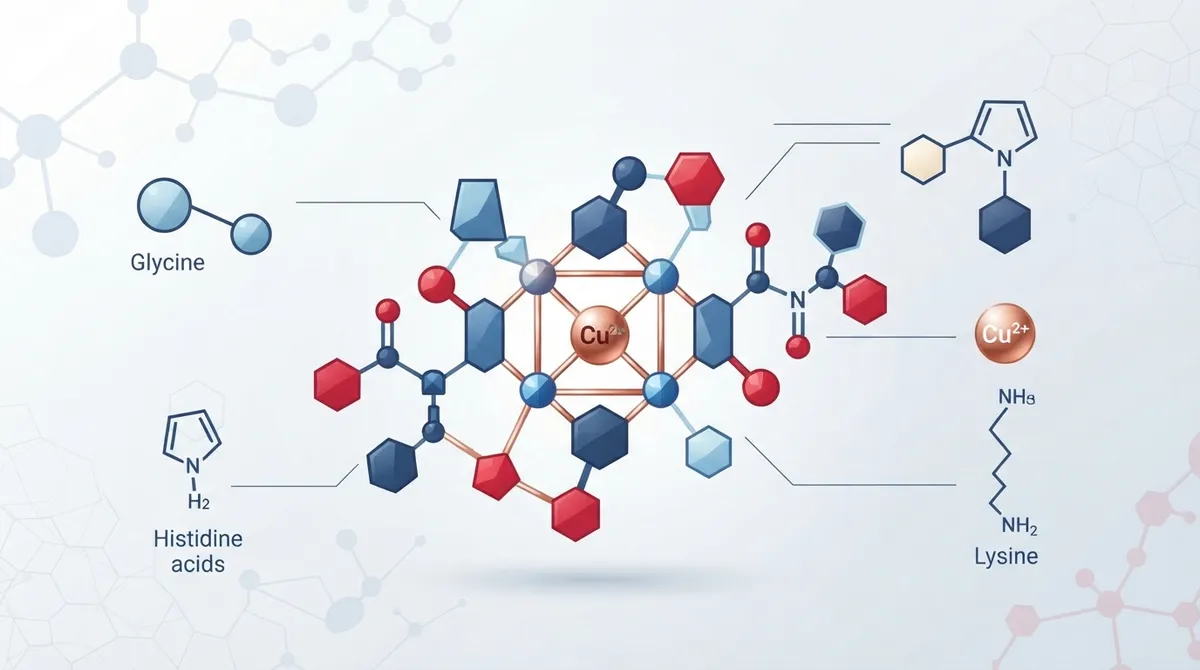
GHK-Cu, also called copper tripeptide-1, is a small protein made of three amino acids bound to copper. It occurs naturally in the human body, but levels drop as people age. In skincare, it is used as a cosmetic ingredient meant to support the skin's natural repair processes.
This peptide is not a drug. It is not approved by the FDA to treat any medical skin condition. Instead, it is sold as a cosmetic ingredient meant to improve the appearance of skin over time.

2. Know How GHK-Cu May Support Skin Texture
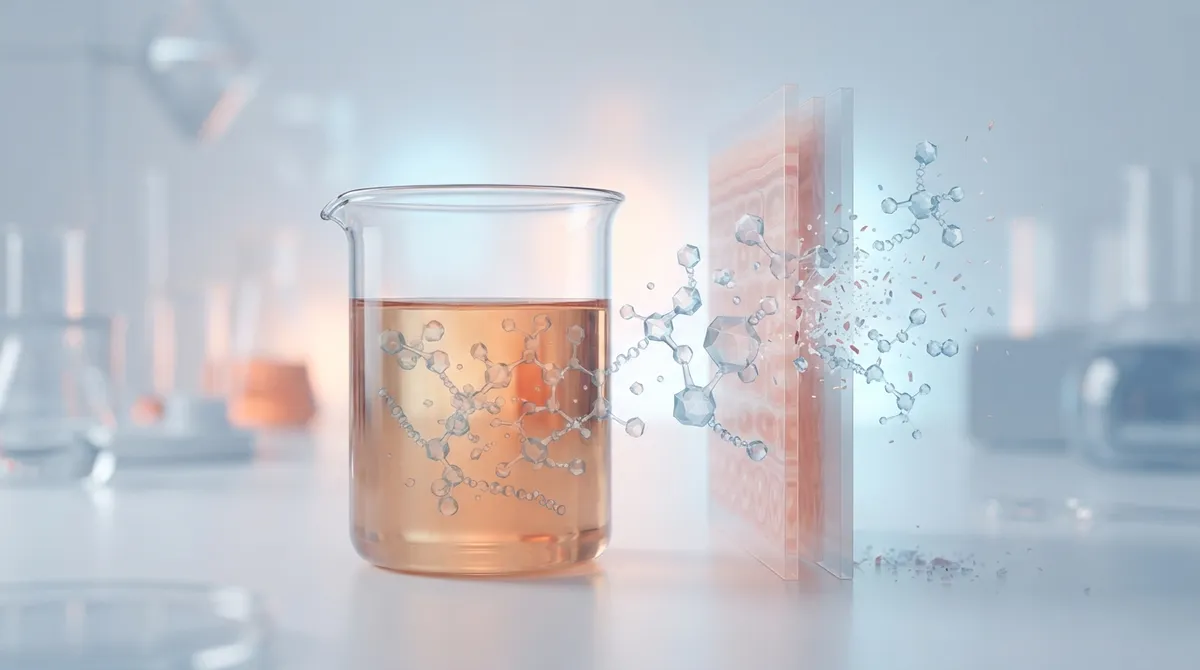
Scientists believe GHK-Cu works by supporting fibroblasts, the cells that build collagen and elastin. These proteins keep skin firm, smooth, and elastic. Lab studies suggest GHK-Cu may also help balance enzymes that break down and rebuild skin tissue, known as matrix metalloproteinases (MMPs) and their inhibitors (TIMPs).
In simple terms, this peptide may help the skin repair itself more efficiently. That process could translate into smoother texture, fewer visible lines, and better hydration over time.
3. Review the Human Studies Behind GHK-Cu
Human research on GHK-Cu is still limited, but a few small studies offer useful insight. These trials focused mostly on women with sun-damaged or aging skin, not acne scars or medical skin diseases.
|
Study Details |
Duration |
Reported Results |
|---|---|---|
|
40 women, ages 40-65, lipid-based GHK-Cu formula |
8 weeks |
Wrinkle volume down 55.8% vs. control serum; wrinkle depth down 32.8% |
|
Same 8-week trial vs. Matrixyl 3000 formula |
8 weeks |
Wrinkle volume down 31.6% compared with the other peptide serum |
|
71 women with photoaged skin |
12 weeks |
Improved fine lines, roughness, laxity, clarity, density, and thickness |
|
Older thigh-skin collagen comparison study |
Not specified |
70% improvement with GHK-Cu vs. 50% with vitamin C, 40% with retinoic acid |
These numbers sound impressive, but they come from small, formulation-specific trials. Results cannot be applied to every product labeled "copper peptide" on store shelves.
4. Set Realistic Expectations for Timing
Most published studies tested GHK-Cu use over 8 to 12 weeks. That means claims of overnight glow or instant smoothness are not backed by real data.
If you start a GHK-Cu serum, plan for patience. Give it a full two to three months before judging results. Skipping days or expecting quick fixes will likely lead to disappointment.
5. Compare GHK-Cu to Other Popular Skin Ingredients
Patients often ask how GHK-Cu stacks up against retinol, vitamin C, or hyaluronic acid. Each ingredient works differently, and none should be viewed as a total replacement for the others.
- Retinol: Speeds up cell turnover and has strong, well-documented evidence for wrinkle reduction and acne control.
- Vitamin C: An antioxidant that brightens skin tone and supports collagen production.
- Hyaluronic acid: Draws moisture into the skin for a plumper, hydrated look.
- GHK-Cu: May support tissue remodeling and firmness, with modest evidence for texture improvement.
Many skincare routines use these ingredients together rather than picking just one. Talk to your provider before combining new products with prescription treatments.
6. Learn How to Add GHK-Cu to a Skincare Routine
If you decide to try a GHK-Cu serum, following the right order matters. Here is a simple step-by-step approach many wellness patients use:
- Cleanse your face with a gentle, non-stripping cleanser.
- Apply GHK-Cu serum to clean, dry skin.
- Wait a few minutes to let the serum absorb.
- Layer on a basic moisturizer to lock in hydration.
- Apply broad-spectrum sunscreen every morning, without exception.
- Use retinoids or exfoliating acids on separate nights if your provider recommends them.
- Track your skin's progress with photos every few weeks.
Sunscreen remains the single most important step for texture and aging concerns. No peptide serum can undo daily sun damage.
7. Watch for Side Effects and Know Who Should Be Cautious
Topical GHK-Cu is generally well tolerated when used at typical cosmetic concentrations. Still, some people experience mild reactions, especially when combining it with other active ingredients.
- Redness or mild irritation at the application site
- Itching or stinging, particularly on sensitive skin
- Contact dermatitis in rare cases
- Increased sensitivity when layered with strong acids or retinoids
People with eczema, rosacea, a known copper allergy, or unexplained facial irritation should speak with a medical provider before starting any new peptide product. A quick visit to a primary care provider can help rule out underlying skin conditions that mimic simple texture issues.
8. Understand the Regulatory Status of GHK-Cu
In the United States, GHK-Cu is not approved by the FDA as a drug for skin rejuvenation, wound healing, or any other medical use. Cosmetic products containing this peptide can legally make appearance-based claims, such as "improves the look of fine lines."
However, products cannot legally claim to treat or cure a disease without changing their regulatory classification. This distinction matters because it affects how much oversight a product actually receives before reaching store shelves.
|
Product Type |
Regulatory Status |
Key Consideration |
|---|---|---|
|
Topical GHK-Cu serum |
Cosmetic ingredient, not FDA-approved as a drug |
Generally well tolerated at standard concentrations |
|
Injectable or compounded GHK-Cu |
Not FDA-approved; lacks routine safety oversight |
Raises concerns about sterility and dosing accuracy |
|
Prescription retinoids |
FDA-approved for specific skin conditions |
Requires medical guidance for proper use |
There is currently not enough high-quality evidence to support injectable or compounded GHK-Cu for routine skin texture concerns. These should never be treated as equal to standard topical cosmetic use.
9. Talk to a Wellness Provider Before Starting Any New Regimen
Skin texture concerns often connect to bigger health patterns, including hormone shifts, nutrition, hydration, and stress. A one-size-fits-all serum rarely addresses the full picture.
InCare takes a whole-body approach to wellness, looking beyond the surface to understand what is really happening. Services like body composition analysis and IV hydration and vitamin drips can support skin health from the inside out, working alongside any topical routine you choose.
For patients also curious about hair health, InCare's hair restoration services use similar science-backed approaches to tissue support and renewal.
Building a Complete Skin and Wellness Plan
Good skin texture rarely comes from one product alone. It usually reflects a mix of good habits, medical guidance, and sometimes a few advanced tools.
- Daily broad-spectrum sunscreen use
- Consistent hydration, both topical and internal
- A balanced diet rich in antioxidants
- Regular annual wellness visits to catch issues early
- Personalized insight through DNA gene testing for skin and aging predispositions
Why Quality and Formulation Matter
Not all GHK-Cu products are created equal. Results depend heavily on concentration, stability, and how well the formula penetrates skin layers.
A study using a specialized nano-carrier formula cannot be used to predict results from a basic drugstore serum. If you are serious about trying GHK-Cu, ask a provider or dermatology-trained professional for guidance on trusted formulations rather than relying on marketing claims alone.
Where InCare Fits Into Your Skin Health Journey
InCare's providers in Tampa and Riverview take a preventive, whole-body view of wellness. From cancer screenings to weight loss support, the clinic focuses on the root causes behind how patients look and feel, not just quick fixes.
Patients across the Tampa Bay area have shared their experiences on Visit us on Google — InCare, highlighting the personalized attention they receive at both locations. You can also follow ongoing wellness tips and updates through InCare's Facebook page, Instagram account, and Tik Tok videos.
Final Thoughts on GHK-Cu and Skin Texture
GHK-Cu shows promise as a cosmetic adjunct for smoother, firmer-looking skin, but it is not a miracle fix. The strongest results still come from consistent sunscreen use, hydration, and medical guidance tailored to your specific skin needs.
If you are curious about how GHK-Cu or other wellness tools might fit into your routine, our team is ready to help you build a plan that actually works. Reach out to InCare today to schedule a consultation, or go ahead and book your appointment now to start your personalized wellness journey.
FAQs
Q: Does GHK-Cu improve uneven skin texture and fine lines?
A: Small studies suggest GHK-Cu may improve roughness, fine lines, and firmness after 8 to 12 weeks of consistent use. Results vary by formulation, and the evidence base remains limited compared to well-established ingredients like retinoids.
Q: How long does GHK-Cu take to improve skin texture?
A: Most published research evaluated GHK-Cu use over 8 to 12 weeks, not days. Patients should expect gradual changes rather than instant results, and consistent daily use is key to seeing any benefit.
Q: Is GHK-Cu better than retinol, vitamin C, or hyaluronic acid for skin texture?
A: Each ingredient works differently, and none replaces the others entirely. Retinol has stronger clinical backing for wrinkles and acne, while GHK-Cu shows modest support for firmness and texture in smaller studies.
Q: Can GHK-Cu be used with retinol, vitamin C, exfoliating acids, or niacinamide?
A: Many people combine GHK-Cu with other active ingredients, but layering multiple actives can increase irritation risk. It's wise to introduce new products slowly and consult a provider if you have sensitive skin.
Q: Is GHK-Cu FDA-approved, and are injectable copper peptides safe?
A: GHK-Cu is not FDA-approved as a drug for skin rejuvenation or any medical condition. Injectable or compounded versions lack routine safety oversight and should not be treated as equivalent to standard topical cosmetic use.