Key Takeaways
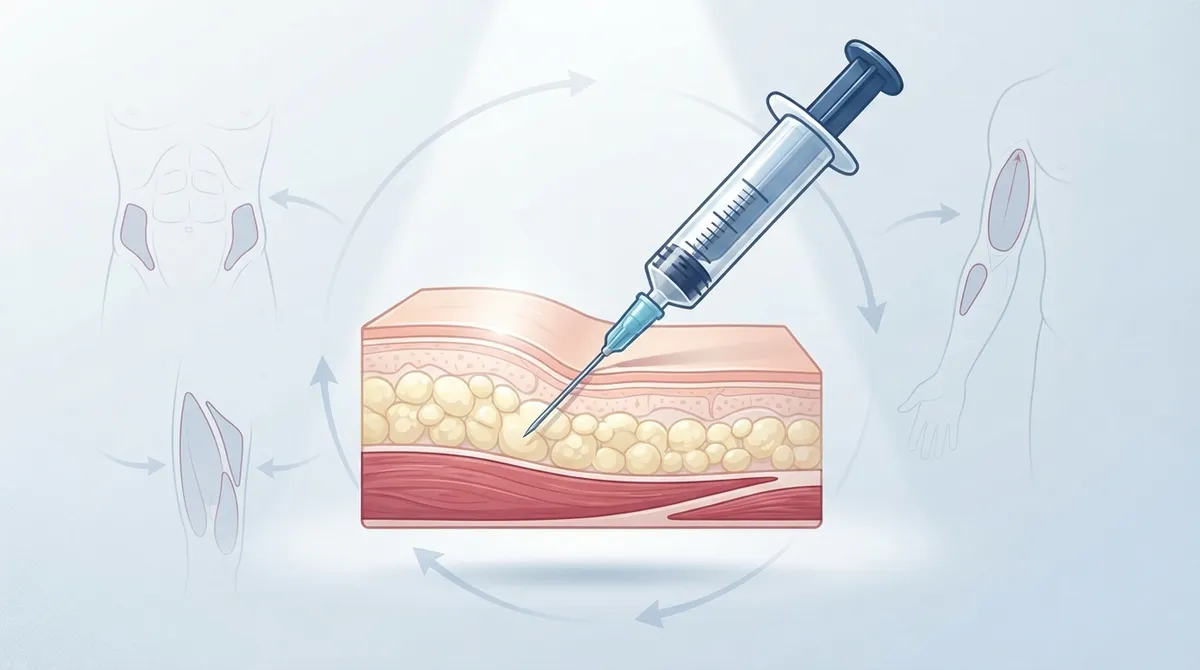
- Inject at a 45° to 90° angle into the fatty layer between skin and muscle, not too shallow or too deep, to ensure proper medication absorption and avoid bruising or pain.
- Rotate injection sites with every dose between abdomen, outer thigh, and upper arm to prevent lipohypertrophy (lumpy tissue thickening) that interferes with medication absorption.
- Always use a fresh needle for each injection, prepare the site with alcohol and let it air dry completely, and wait a few seconds after injecting before withdrawing the needle to prevent leakage.
- Watch for warning signs including increasing redness, warmth, pus, fever, or severe pain, and seek professional guidance if you're unsure about your injection technique to prevent complications.
Millions of people give themselves subcutaneous injections every week, whether it's insulin for diabetes, an anticoagulant to prevent blood clots, or a weight loss medication prescribed at a wellness clinic. Yet small mistakes in technique can lead to bruising, poor drug absorption, or skin damage over time. If you're managing a chronic condition or starting a new injectable treatment, knowing the right way to give a subcutaneous injection matters just as much as taking the medication itself.
A subcutaneous, or SQ, injection delivers medication into the fatty layer just beneath the skin. This is different from an intramuscular shot, which goes deeper into muscle tissue. Because fat has less blood flow than muscle, medications given this way are absorbed slowly and steadily, sometimes over 24 hours. This makes the subcutaneous route ideal for insulin, certain anticoagulants, and some weight loss injections offered through medical weight loss programs. Below, we outline nine common mistakes people make with subcutaneous injections and how to avoid them.

1. Injecting Into the Wrong Tissue Layer
One of the most frequent errors is injecting too deep, into muscle, or too shallow, into the skin itself. Both mistakes can change how quickly medication is absorbed and may cause pain or bruising. The subcutaneous layer sits between the skin and the muscle, and it typically requires a short needle inserted at a specific angle.
Clinical guidance suggests using a 45° to 90° angle depending on needle length and body composition. When a full-length short needle is used, a 90° angle into a pinched skin fold is often recommended. Getting this right ensures the medication lands where it needs to be for proper absorption.

2. Using the Same Injection Site Every Time
Repeatedly injecting into the same spot can cause a condition called lipohypertrophy, where fatty tissue thickens and becomes lumpy. This not only looks and feels uncomfortable but can also interfere with how well your body absorbs the medication.
Healthcare guidance commonly recommends rotating injection sites to reduce skin irritation and tissue damage. Consider these three commonly used areas for self-injection:
- Abdomen, at least two inches away from the belly button
- Outer upper arm, in the fatty area at the back
- Outer thigh, in the upper, outer portion
Rotating between these zones, and moving to a slightly different spot within each zone every time, helps protect your skin over the long term.
3. Skipping Proper Site Preparation
Injecting into unclean skin raises the risk of infection. Many people rush this step, especially when injections become part of a daily routine.
Follow these steps every time to prepare the site correctly:
- Wash your hands thoroughly with soap and water.
- Clean the injection site with an alcohol swab.
- Let the area air dry completely before injecting.
- Avoid touching the cleaned area before inserting the needle.
Skipping the drying step is a common shortcut that can cause a stinging sensation and reduce the alcohol's effectiveness at reducing bacteria.
4. Injecting Too Quickly or Removing the Needle Too Fast
Rushing the injection process can cause medication to leak back out or cause unnecessary bruising. Subcutaneous tissue absorbs medication slowly, so there's no benefit to rushing the process.
Instead, push the plunger at a steady, even pace. After the medication is delivered, wait a few seconds before withdrawing the needle. This small pause helps ensure the full dose stays under the skin where it belongs.
5. Reusing Needles or Syringes
Reusing needles is unsafe and increases the risk of infection and inaccurate dosing, since needles can become dull after a single use. This mistake is more common than people realize, especially among those managing daily insulin injections.
Always use a fresh needle and syringe for each injection. Proper sharps disposal is just as important. Use a designated sharps container, not a regular trash bin, to avoid injury to yourself or others.
6. Ignoring Medication-Specific Instructions
Not all subcutaneous medications are handled the same way. Some require gentle rolling before injection, while others should never be shaken. Insulin, anticoagulants, and newer weight loss injections each have their own storage and preparation requirements.
Medication TypeCommon UseTypical SiteInsulinBlood sugar managementAbdomen, thigh, armAnticoagulantsBlood clot preventionAbdomenWeight loss injectionsMetabolic and appetite supportAbdomen, thighPalliative care medicationsSymptom management when oral absorption is poorUpper arm, thigh
If you're unsure how to prepare or store a specific medication, ask your provider directly. A primary care visit is a good opportunity to review your technique and confirm you're following the correct steps for your specific prescription.
7. Overfilling the Syringe or Guessing the Dose
Subcutaneous tissue can typically hold about 1 to 2 mL of medication safely. Injecting more than the recommended amount into a single site can cause discomfort and may affect absorption.
Always measure your dose carefully using the markings on your syringe or an auto-injector pen. If your prescribed dose seems unusually high, confirm it with your healthcare provider or pharmacist before proceeding.
8. Failing to Watch for Warning Signs
Some redness or minor swelling after an injection is normal. However, certain symptoms suggest something more serious and require medical attention.
Watch for these warning signs:
- Increasing redness, warmth, or swelling that worsens over several days
- Pus or discharge at the injection site
- Fever following the injection
- Severe pain that doesn't improve
- Signs of an allergic reaction, such as hives or difficulty breathing
If you notice any of these symptoms, contact a healthcare provider promptly. InCare's urgent care services are available for concerns that need same-day attention.
9. Trying to Manage Complex Injection Routines Without Support
Some patients attempt to manage multiple injectable medications, dosing schedules, and rotation charts entirely on their own. This can lead to confusion, missed doses, or inconsistent technique over time.
Subcutaneous injections are widely used for self-administration in outpatient care, including chronic disease management and home-based wellness treatments. Still, ongoing support from a knowledgeable care team makes a measurable difference in outcomes. Patients who receive proper instruction and periodic technique reviews tend to experience fewer complications and more consistent results.
Subcutaneous vs. Intramuscular: Knowing the Difference
Many patients confuse subcutaneous and intramuscular injections, but the two techniques serve different purposes. Understanding the distinction can help you avoid dosing and technique errors.
FeatureSubcutaneous InjectionIntramuscular InjectionTissue DepthFatty layer under skinDeep into muscleAbsorption SpeedSlow and steadyFasterCommon Needle Angle45° to 90°90°Typical MedicationsInsulin, anticoagulantsVaccines, certain antibioticsCommon SitesAbdomen, thigh, upper armUpper arm, thigh, buttock
The subcutaneous route is widely used because of its high bioavailability, meaning the body absorbs a large percentage of the medication even though the process is slower than intramuscular delivery. This makes it especially useful for medications requiring gradual release into the bloodstream.
How InCare Supports Patients Managing Injectable Medications
Whether you're newly diagnosed with a condition requiring insulin, starting a weight loss injection program, or managing a chronic illness with anticoagulants, proper training matters. InCare's providers, including Dr. Naveen Paddu, Dr. Pramjeet Ahluwalia, and Dr. Teshy John, work with patients at both the Tampa and Riverview locations to review injection technique, adjust treatment plans, and answer questions about medication management.
For patients pursuing a personalized weight loss program, InCare's weight loss services often include injectable treatments that use the subcutaneous route. Our team walks patients through proper site rotation, storage, and administration to help them feel confident managing treatment at home. This same attention to detail applies across our provider team, all of whom emphasize patient education as part of comprehensive care.
Patients across Tampa and Riverview consistently share positive experiences with our clinical team. You can visit us on Google — InCare to read reviews from patients who have received guidance on injectable medications and other wellness treatments. We also share patient education tips and clinic updates on Facebook, Instagram, and TikTok.
When to Seek Professional Guidance
If you're new to subcutaneous injections or unsure whether your technique is correct, don't wait until a problem develops. A quick review with a healthcare provider can prevent weeks or months of discomfort caused by improper technique. This is especially important for patients managing chronic conditions who rely on injections daily.
InCare also offers services like body composition analysis and DNA gene testing to help build a complete picture of your health, which can inform how your provider approaches medication management. Combining these insights with proper injection training gives patients a stronger foundation for long-term success.
If you have questions about subcutaneous injections or want a hands-on review of your technique, our team at InCare in Tampa and Riverview is ready to help. Reach out to our care team today, or schedule your appointment now to get personalized guidance from a provider who understands your health goals.
FAQs
Q: What is a subcutaneous injection used for?
A: A subcutaneous injection delivers medication into the fatty tissue beneath the skin for slow, steady absorption. It is commonly used for insulin, anticoagulants, certain weight loss medications, and some symptom-management treatments in palliative care.
Q: Where is the best place to give a subcutaneous injection?
A: The abdomen, outer upper arm, and outer thigh are the three most commonly recommended sites. Rotating between these areas helps reduce skin irritation and tissue changes from repeated injections.
Q: How is a subcutaneous injection different from an intramuscular injection?
A: Subcutaneous injections go into the fatty layer just under the skin, while intramuscular injections reach deeper into muscle tissue. This difference affects absorption speed, with subcutaneous medications typically absorbed more slowly and steadily.
Q: Can subcutaneous injections be given at home?
A: Yes, subcutaneous injections are widely used for self-administration in outpatient and home-based care. Proper training on technique, site rotation, and sharps disposal is essential for safe home use.
Q: How often should subcutaneous injection sites be rotated?
A: Sites should be rotated with each injection to prevent lipohypertrophy and skin damage. Moving between the abdomen, thigh, and upper arm, and varying the exact spot within each area, supports healthier skin and consistent medication absorption.