Key Takeaways
- MOTS-c purity percentages (98-99.9%) only measure chemical composition via HPLC testing and do not confirm safety, sterility, effectiveness, or regulatory approval for human use.
- A valid Certificate of Analysis must include specific lot number, testing date, independent lab name, testing methods, and chromatogram/mass spectrum data; generic or undated COAs may not represent your actual product.
- Purity percentage and actual peptide content are different measurements—a vial can show high purity but still contain less active peptide than labeled, requiring both metrics for accurate assessment.
- MOTS-c remains investigational without FDA approval for human use; discuss any research peptide consideration with a licensed primary care provider before purchasing or using any unapproved injectable product.
MOTS-c has become a hot topic in wellness circles across Tampa and Riverview. Patients often ask about "purity percentages" they saw on a supplier website. Before you trust any number, you need to understand what MOTS-c purity actually means and what it does not tell you.
This peptide is often marketed with claims of 98% to 99.9% purity. Those numbers sound impressive. But purity testing alone cannot confirm safety, sterility, or whether the product will do anything helpful for your body. If you are exploring wellness optimization or thinking about research peptides, understanding these facts protects your health and your wallet.
At InCare, our providers believe in giving patients clear, honest information rather than marketing hype. Below are nine key facts about MOTS-c purity that every wellness-minded patient in Tampa and Riverview should know before considering this compound.

1. MOTS-c Is a Mitochondrial Peptide With Investigational Status
MOTS-c is a small peptide made of 16 amino acids. It comes from your mitochondrial DNA, the part of your cells that produces energy. Researchers have studied MOTS-c for its possible roles in blood sugar control, insulin sensitivity, and how your body responds to exercise stress.
Despite the buzz, MOTS-c remains investigational. It has not been approved for human use by any regulatory body. Any claims you see about anti-aging benefits or metabolic fixes come from early lab and animal research, not confirmed human clinical trials.
2. Purity Percentage Only Measures One Thing
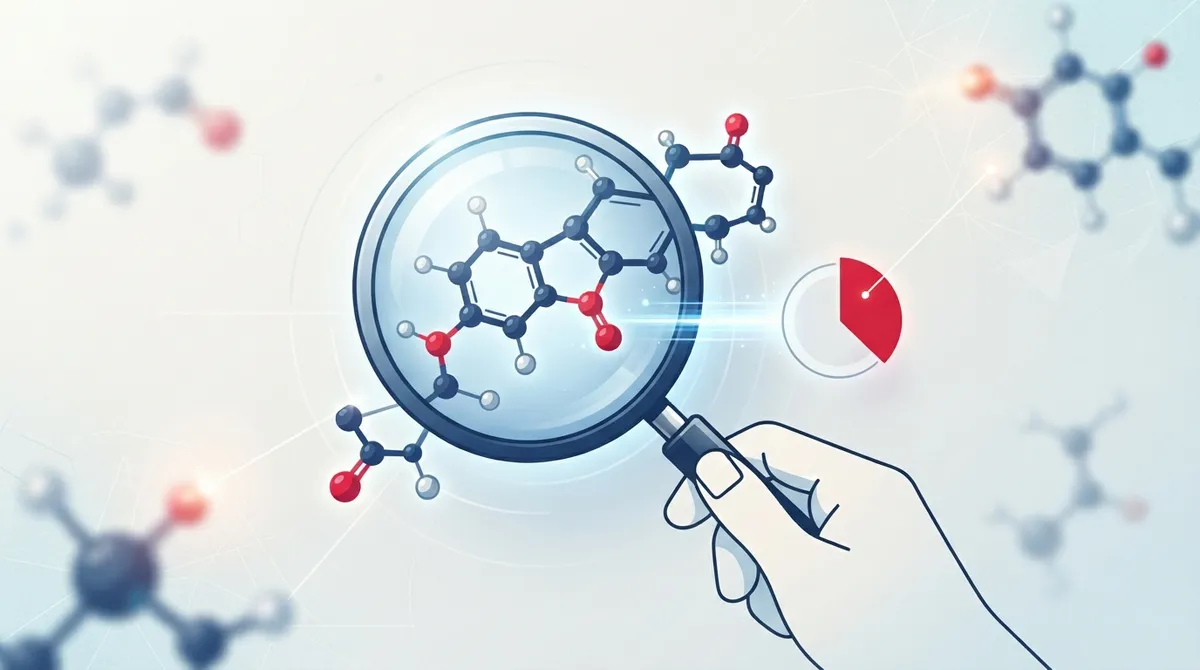
When a supplier says "99% MOTS-c purity," they are usually referring to a chromatography test result. This test, called reverse-phase HPLC, measures how much of the sample matches the expected peptide compared to other substances in the same vial.
A high purity percentage does not prove the product is:
- Safe for injection into the human body
- Free from bacteria or harmful particles
- Accurately labeled for total peptide content
- Effective for any health condition
Purity is simply one piece of a much bigger safety picture.
3. HPLC Testing Has Limits
Reverse-phase HPLC separates chemical compounds based on their properties. It gives a percentage that shows how much of the sample looks like the target peptide. But HPLC alone cannot always confirm that the substance is truly MOTS-c and not something with a similar chemical profile.
This is why quality-focused testing labs pair HPLC with mass spectrometry. Mass spectrometry checks the exact molecular weight of the compound. For MOTS-c, that expected mass is close to 2,174 Daltons, though exact figures can shift slightly depending on testing conditions and the product's form.
4. A Certificate of Analysis Needs Specific Details
Many suppliers post a certificate of analysis, or COA, to prove their MOTS-c purity claims. But a COA is only useful if it includes real, verifiable details. A trustworthy COA should show:
- The exact lot or batch number matching your specific product
- The date the testing was performed
- The name of the independent lab that ran the tests
- The testing method used (HPLC, mass spectrometry, or both)
- A visual chromatogram and mass spectrum graph
- The measured purity percentage and net peptide content
A generic, undated, or unbranded COA tells you very little. It may not even represent the batch you are purchasing.
5. Reported Purity Numbers Vary by Supplier and Lot
Search results from several peptide testing archives show a range of purity claims. Some examples reported in 2026 include lots at 99.15%, 99.03%, and 98.84% purity, all from the same supplier with a stated release standard of at least 98.0%. Other suppliers reported figures like 99.75%, 99.56%, 99.57%, and 99.92% for individual lots.
|
Reported Purity (HPLC) |
Testing Method |
Source Type |
|---|---|---|
|
98.84% – 99.15% |
HPLC (three separate lots) |
Supplier COA archive |
|
99.75% |
HPLC with mass spec confirmation |
Supplier-reported COA |
|
99.56% – 99.57% |
HPLC-UV/LC-MS |
Supplier-reported COA |
|
99.92% |
HPLC |
Supplier COA |
These numbers are specific to individual lots at the time of testing. They should never be treated as a guarantee for every bottle a company sells, now or in the future.
6. Purity Is Not the Same as Peptide Content
This is one of the most misunderstood parts of peptide testing. A vial can show a high purity percentage yet still contain less actual peptide than the label states. Purity tells you how clean the sample looks compared to other chemicals in it. It does not tell you the total amount of peptide present.
For this reason, careful buyers look for both a purity percentage and a separate net peptide content or concentration measurement. Without both numbers, you cannot know how much active material you are really getting.
7. Additional Testing Matters Beyond Purity
Purity testing is just one part of quality control. Other important checks include:
- Endotoxin testing to rule out bacterial contamination
- Sterility or bioburden testing to check for microbial growth
- Residual solvent analysis to detect leftover manufacturing chemicals
- Water content testing to confirm proper concentration
- Verification of proper storage and shipping temperatures
One supplier's release specification, reported in 2025 testing documentation, listed an endotoxin limit below 0.10 EU/mg and a bioburden target under 1 CFU per vial. These are examples of release criteria used by some suppliers, not universal clinical standards applied to every product on the market.
8. Regulatory Status Should Guide Your Decisions
The most important fact to understand is this: reviewed supplier materials consistently label MOTS-c products as research-use-only. They state clearly that these products are not approved for human or veterinary use, diagnosis, treatment, or disease prevention.
This means MOTS-c should never be treated like an approved supplement or a doctor-prescribed medication. If you are considering any peptide therapy, always ask your provider about its regulatory status. Learn more about what peptides are and how they fit into wellness care before making any decisions.
9. Preclinical Promise Does Not Equal Proven Human Benefit
Early research on MOTS-c has explored connections to metabolism, exercise physiology, and mitochondrial function. These findings are interesting to scientists. But preclinical data, often from cell studies or animal models, cannot be turned into promises about how MOTS-c will work in a person.
Responsible wellness providers wait for solid human clinical trial evidence before recommending a treatment. If a peptide is marketed with big promises but no real trial data behind it, that is a warning sign worth taking seriously.
Questions to Ask Before Considering Any Research Peptide
If a patient in Tampa or Riverview brings up MOTS-c during a wellness visit, our team encourages them to ask themselves a few important questions first:
- Where did this product come from, and is it intended for human use?
- Does the certificate of analysis match the exact lot number on the vial?
- Was the COA generated by an independent, accredited lab?
- Am I considering an unapproved injectable product without medical supervision?
- Have I discussed this with a licensed primary care provider first?
These questions apply to more than just MOTS-c. They are useful whenever you consider any peptide, supplement, or wellness product that claims a high purity percentage but lacks solid regulatory backing.
How InCare Approaches Peptide and Wellness Conversations
Our providers at InCare take a careful, evidence-based approach to wellness optimization. Whether you are interested in DNA gene testing, body composition analysis, or peptide therapy options in Tampa, our team walks you through what is backed by real evidence and what remains experimental.
We believe patients deserve honesty, not hype. That is why we encourage open conversations about products like MOTS-c rather than pushing unproven treatments. Our providers, including those featured on our physician team pages, are trained to explain complex topics in plain language so you can make informed choices about your health.
For patients focused on whole-body wellness, our medical weight loss programs and IV hydration therapy offer proven, physician-guided paths to better health. These services come with real clinical oversight, unlike unregulated research peptides purchased online.
Why Trust Matters More Than a Purity Percentage
A high purity number on a website can be reassuring at first glance. But real trust comes from working with a healthcare team who explains risks honestly, verifies claims carefully, and puts your safety first. This is true whether you are exploring peptide therapy, cancer screenings, or routine primary care.
Patients across Tampa and Riverview have shared their experiences with our clinic on Facebook and Instagram, where our team also shares educational wellness content. You can also follow along on TikTok for quick, easy-to-understand health tips.
If you want to see what real patients say about their care experience, you can visit us on Google — InCare and read reviews from people in your own community.
Making Smart, Informed Wellness Decisions
MOTS-c purity numbers can look convincing on paper. But purity alone does not equal safety, effectiveness, or regulatory approval. Before considering any research peptide, talk to a licensed primary care provider who can walk you through the real risks and benefits.
Our team at InCare is here to help you build a wellness plan based on evidence, not marketing claims. Whether your goals involve weight management, hormone health, or general primary care, we focus on treatments with real clinical backing.
Ready to talk with a provider about your wellness goals? Contact our team today or book your appointment now to start a conversation grounded in real science and honest care.
FAQs
Q: What does MOTS-c purity actually measure?
A: MOTS-c purity typically refers to a percentage generated through reverse-phase HPLC testing. This measures how much of a sample matches the expected peptide compared to other chemicals present. It does not confirm sterility, safety, or effectiveness in humans.
Q: Is a 99% purity MOTS-c product safe for human use?
A: No. A high purity percentage does not mean a product is safe, sterile, or approved for human use. Supplier materials consistently label MOTS-c as research-use-only, and it lacks regulatory approval for treating any condition.
Q: How can I verify a MOTS-c certificate of analysis?
A: A trustworthy COA should include the exact lot number, testing date, independent lab name, testing methods used, and a visible chromatogram. Generic or undated COAs may not accurately represent the specific product you are purchasing.
Q: What is the difference between HPLC purity and peptide content?
A: HPLC purity shows how clean a sample looks compared to other substances in the vial. Peptide content, or net peptide weight, measures the actual amount of active peptide present. A product can have high purity but still contain less peptide than labeled.
Q: Should I discuss MOTS-c with my primary care provider?
A: Yes. Since MOTS-c remains investigational and unapproved for human use, it is important to talk with a licensed provider before considering it. A primary care team can help you understand risks and explore proven wellness alternatives instead.