Key Takeaways
- Cysteine is the rate-limiting amino acid for glutathione production; ensuring adequate cysteine intake through diet or NAC supplementation is more critical than glutamate or glycine alone.
- NAC is extensively studied with established medical uses for acetaminophen overdose and respiratory conditions, but has not been proven to reverse aging or prevent chronic disease in healthy adults despite raising cysteine availability.
- A food-first approach providing protein from poultry, fish, eggs, dairy, legumes, and nuts supplies natural glutathione precursors and supporting nutrients like selenium and riboflavin more effectively than isolated supplements.
- GlyNAC (glycine plus NAC) shows promise in preliminary research for older adults with high oxidative stress, but results are not yet strong enough to recommend routine supplementation for all healthy adults.
- NAC and glycine are generally well-tolerated with gastrointestinal side effects being most common, but require medical consultation for individuals with asthma, liver/kidney disease, pregnancy, or those taking medications affecting glutathione metabolism.
- Current human research on glutathione precursors is limited in size and duration; larger, longer trials are needed before definitive clinical recommendations can be made for general wellness supplementation.
Glutathione is often called the body's master antioxidant. It helps protect cells from damage and supports liver function, immune health, and energy levels. But your body cannot make glutathione out of thin air. It needs specific building blocks, known as glutathione precursors, to keep production running smoothly. If you have heard about NAC, glycine, or GlyNAC on social media and wondered if they belong in your wellness routine, this guide breaks down what the science actually shows.
At InCare, our primary care team in Tampa and Riverview helps patients sort fact from hype when it comes to supplements and wellness trends. Below are nine glutathione precursors and related strategies worth understanding, along with honest guidance on what current research supports and what still needs more study.
What Are Glutathione Precursors and Why Do They Matter
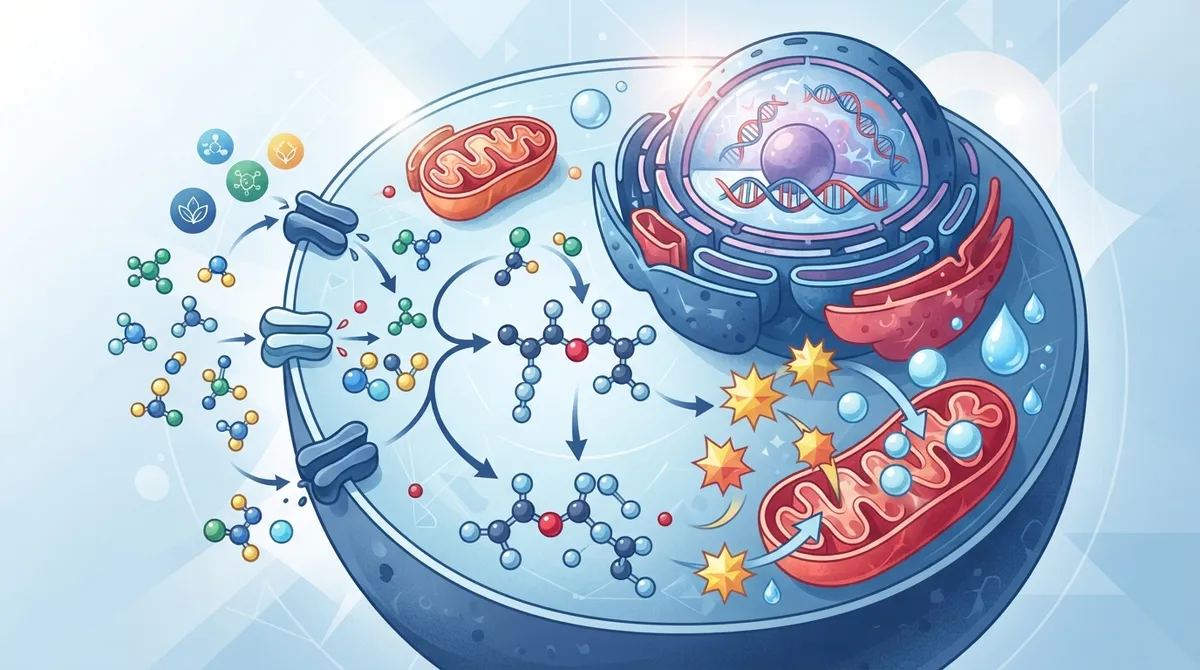
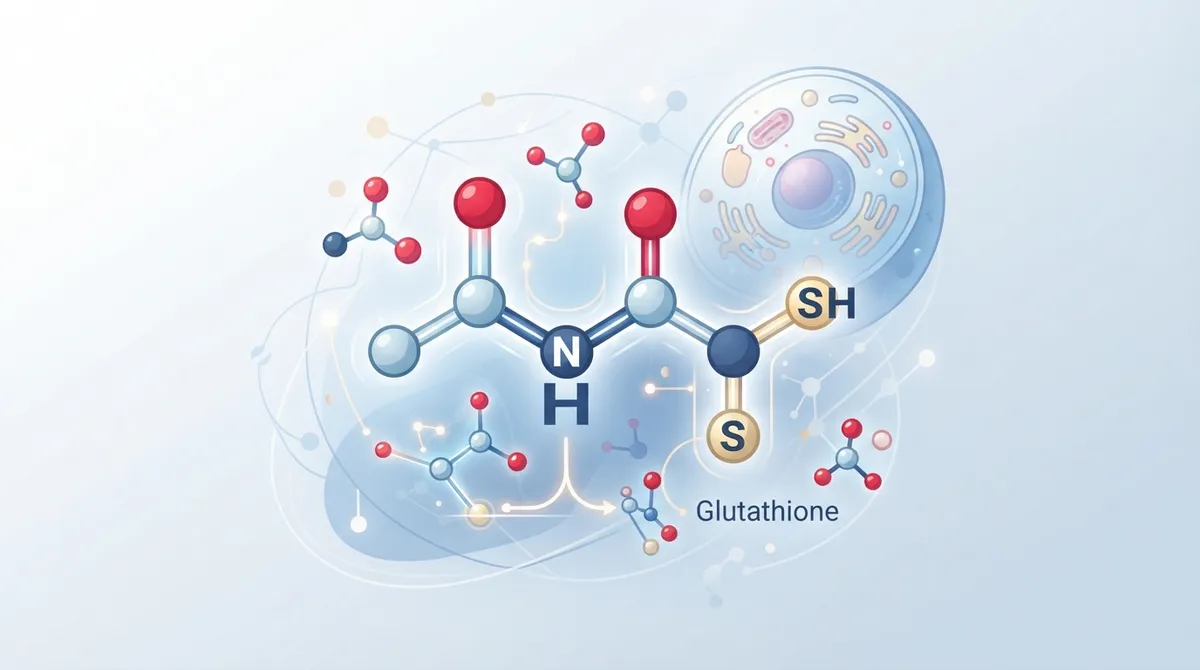
Glutathione (GSH) is a small protein made from three amino acids: glutamate, cysteine, and glycine. Your body builds it through two enzyme-driven steps that both require energy. The first step joins glutamate and cysteine. The second step adds glycine to finish the molecule.
Because this process depends on having enough raw materials, nutrition scientists refer to these three amino acids as glutathione precursors. Without adequate supply, especially of cysteine, glutathione production can slow down. This matters for people managing oxidative stress, chronic conditions, or general wellness goals.
- Cysteine is widely considered the rate-limiting building block for glutathione synthesis.
- Glycine is also essential, and low glycine levels can restrict output.
- Glutamate is generally abundant in the diet and rarely the limiting factor.
- The two-step synthesis process requires ATP, the body's energy currency.
- Genetics, age, illness, and diet all influence how efficiently this process runs.
1. N-Acetylcysteine (NAC): The Most Studied Precursor
NAC is a modified form of cysteine and by far the most researched glutathione precursor in medicine. It has a well-established role as the antidote for acetaminophen overdose and is used clinically for certain respiratory and liver conditions.
A review of more than 46 placebo-controlled oral NAC trials, involving roughly 4,000 participants, found generally favorable tolerability. The most common side effects were nausea, vomiting, and heartburn. Some research has used doses up to 8,000 mg per day without a consistent pattern of serious toxicity, though such doses require medical supervision.
It is important to separate NAC's proven medical uses from general wellness claims. Over-the-counter NAC has not been proven to reverse aging, detoxify the body, or prevent chronic disease in healthy adults, even though it does raise cysteine availability.
2. Glycine: The Overlooked Half of the Equation
Glycine gets less attention than cysteine, but it is just as necessary for glutathione synthesis. Some research suggests that inadequate glycine intake can limit how much glutathione your cells can produce, even when cysteine is plentiful.
Human studies reviewed in 2020 used glycine doses ranging from about 3 grams daily up to 0.8 grams per kilogram of body weight, usually split into multiple servings. These trials reported no significant adverse effects, though such doses should not be treated as a universal recommendation for everyone.
3. GlyNAC: Combining Glycine and NAC
GlyNAC refers to the combination of glycine and NAC taken together. Researchers are studying this pairing for age-related decline, metabolic health, and oxidative stress.
A randomized controlled trial in healthy older adults tested GlyNAC for two weeks. The combination was safe and well tolerated. However, the overall group did not show a statistically significant improvement in the main glutathione measurements. Interestingly, post-hoc analysis found benefits in participants who started with higher oxidative stress and lower baseline glutathione levels.
A more recent pilot study followed older adults for 24 weeks and reported improvements in several biological and functional measures. Some of these improvements reversed after supplementation stopped. Because this was a small pilot study, the results are considered preliminary and need to be confirmed by larger trials.
4. Food-First Sources of Glutathione Precursors
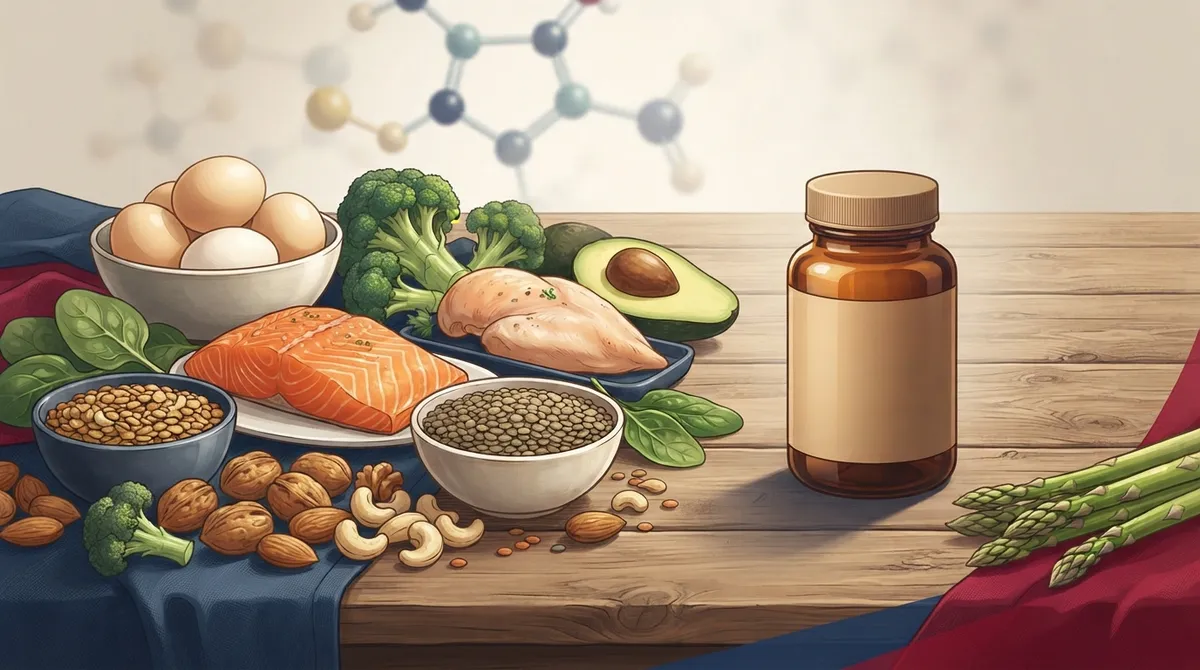
Before considering supplements, a food-first approach deserves attention. Many everyday foods supply the amino acids your body needs for glutathione production.
- Poultry and lean meats, which provide cysteine and methionine.
- Fish, another strong source of sulfur-containing amino acids.
- Eggs, rich in both protein and cysteine precursors.
- Dairy products such as yogurt and cottage cheese.
- Legumes, including lentils and chickpeas.
- Nuts and seeds, which round out a varied protein intake.
A diet with adequate protein also supports the enzymes involved in glutathione metabolism. Nutrients like selenium and riboflavin play supporting roles, which is one more reason a balanced diet matters more than any single supplement.
5. Understanding the Difference Between NAC and Glutathione Itself
A common question is whether NAC is the same as glutathione. It is not. NAC is a precursor, meaning it supplies cysteine so your cells can build glutathione internally. Taking glutathione directly, whether orally or intravenously, is a different approach with its own set of considerations regarding absorption and effectiveness.
Understanding this distinction helps set realistic expectations. Raising a precursor level does not automatically guarantee a proportional rise in finished glutathione, since the synthesis process depends on multiple factors working together.
Comparing Common Glutathione Precursor Options
|
Precursor |
Primary Role |
Research Status |
Typical Consideration |
|---|---|---|---|
|
NAC |
Supplies cysteine |
Extensively studied; established medical uses |
GI upset possible; medical supervision advised for high doses |
|
Glycine |
Completes the tripeptide |
Growing research base |
Generally well tolerated in studied doses |
|
GlyNAC (combined) |
Addresses both limiting amino acids |
Promising but preliminary |
Best explored under professional guidance |
|
Dietary protein sources |
Natural precursor supply |
Well established nutritional science |
Food-first approach recommended by clinicians |
6. Who Might Benefit From a Conversation About Precursors
Not everyone needs to think about glutathione precursors. But certain situations make this topic more relevant for a discussion with a healthcare provider.
- People taking medications known to affect glutathione levels or liver metabolism.
- Individuals managing chronic respiratory or liver conditions under specialist care.
- Older adults interested in research on metabolic and oxidative stress support.
- Patients following restrictive diets that may limit natural precursor intake.
- Anyone curious about GlyNAC trends seen in wellness or longevity discussions online.
This is exactly the kind of nuanced topic where a trusted primary care provider can help you weigh potential benefits against your personal health history.
7. Safety Considerations Before Trying Any Precursor
Even though many glutathione precursors show reasonable safety in studies, that does not mean they are right for everyone. A responsible approach means reviewing your full health picture first.
- Discuss pregnancy or breastfeeding status, since safety data is limited.
- Mention any asthma history, as NAC can occasionally trigger bronchospasm in sensitive individuals.
- Flag gastrointestinal sensitivity, since nausea and stomach upset are the most reported side effects.
- Review kidney or liver disease, which may change how these compounds are processed.
- List all current medications to check for potential interactions.
- Ask about supplement quality, since over-the-counter products vary widely in purity.
- Clarify your actual goal, whether it is general wellness or a specific medical concern.
Intravenous NAC or glutathione is a medical treatment that carries different risks than oral supplements and should only be administered under professional supervision.
8. What the Research Still Does Not Prove
It is tempting to see a small study and assume it applies broadly. But researchers are careful to note real limits in current evidence.
Human trials on GlyNAC and other precursor strategies are promising but limited in size and duration. Small studies suggest possible improvements in oxidative stress markers, insulin sensitivity, and mitochondrial function. However, these findings are not yet strong enough to recommend routine supplementation for all healthy adults.
This is an area where ongoing research from institutions like the National Institutes of Health continues to shape clinical understanding. Staying informed through credible sources, rather than social media trends, helps you make better decisions.
9. How InCare Approaches Wellness and Precursor-Related Questions
At InCare, our approach starts with listening. Whether you are curious about DNA gene testing for personalized health insights, interested in IV hydration and vitamin drips, or simply want a straightforward answer about NAC and glycine supplements, our providers in Tampa and Riverview take time to explain the evidence.
We also review your body composition and metabolic health using advanced technology, which helps put any conversation about oxidative stress or supplementation into proper context. This is part of our broader commitment to whole-body wellness rather than one-size-fits-all recommendations.
Steps to Take Before Starting Any Glutathione Precursor
- Schedule a conversation with your primary care provider about your specific goals.
- Share your complete medication and supplement list.
- Ask about food-first strategies before jumping to supplements.
- Request guidance on dosing if a trial of NAC or glycine seems appropriate.
- Follow up after several weeks to review how you feel and whether adjustments are needed.
Patients across Tampa and Riverview trust InCare for this kind of thoughtful, evidence-based guidance. You can see what our community says by visiting InCare on Google, where our 4.8-star rating reflects hundreds of patient experiences. We also share wellness updates and patient education through our Facebook page, Instagram account, and TikTok channel.
Making an Informed Decision About Glutathione Precursors
Glutathione precursors like NAC and glycine offer genuine scientific interest, particularly for specific medical uses and ongoing metabolic research. But wellness claims often move faster than the evidence supporting them. The smartest path forward combines a nutrient-rich diet, an honest look at your health history, and a conversation with a provider who can separate proven benefits from preliminary findings.
If you want personalized guidance on glutathione precursors, weight management, or any other wellness goal, our team is ready to help. Reach out to InCare today or schedule your appointment online to start a conversation grounded in real science and personalized care.
FAQs
Q: What are glutathione precursors?
A: Glutathione precursors are nutrients the body needs to make glutathione, its main internal antioxidant. The three key building blocks are glutamate, cysteine, and glycine, with cysteine generally considered the most limiting factor in production.
Q: Is NAC the same as glutathione?
A: No, NAC is not glutathione itself. NAC is a cysteine donor that supplies raw material your cells use to build glutathione through a two-step enzymatic process.
Q: Does glycine increase glutathione levels?
A: Glycine is a necessary building block for glutathione synthesis, and low glycine availability can limit production. Human studies suggest glycine supplementation, often combined with NAC, may support glutathione status, though more research is needed.
Q: What is GlyNAC and is it effective?
A: GlyNAC combines glycine and NAC to address both key glutathione precursors at once. Early research shows promise for markers like oxidative stress and metabolic function, but results remain preliminary and require larger studies to confirm long-term effectiveness.
Q: Are NAC and glycine supplements safe for daily use?
A: Clinical reviews show NAC and glycine are generally well tolerated, with gastrointestinal symptoms being the most common side effects. However, anyone with asthma, liver or kidney disease, or who is pregnant should consult a primary care provider before starting supplementation.