Key Takeaways
- GHK-Cu works through multiple pathways simultaneously—influencing gene expression, collagen production, and cellular signaling—rather than targeting a single mechanism like pharmaceuticals, making individual results variable.
- The copper-binding component is central to GHK-Cu's mechanism; it delivers essential trace minerals to repair tissues and supports collagen formation, antioxidant defense, and wound healing signaling.
- Visible results require 8-12 weeks of consistent use because collagen remodeling is a gradual biological process; expecting overnight results causes people to abandon products prematurely.
- Different delivery methods (topical serum, cream, or professional application) have varying absorption rates and effectiveness profiles, so choosing the wrong format undermines results.
- Individual factors like skin type, age, hormone balance, nutrition, and overall health significantly influence GHK-Cu effectiveness, requiring personalized assessment rather than one-size-fits-all approaches.
- GHK-Cu's anti-inflammatory signaling at the cellular level addresses chronic low-grade inflammation linked to premature aging, distinguishing it from surface-level skincare interventions.
GHK-Cu is one of the most talked-about copper peptides in wellness circles today. Patients often ask about it during consultations for skin health, tissue repair, and anti-aging support. But many people misunderstand how this peptide actually works in the body, leading to disappointing results or wasted money on the wrong products.
Understanding the ghk cu mechanism of action helps you make smarter choices about wellness treatments. Whether you're a busy parent looking into preventive skin care or a wellness-focused professional exploring advanced options, knowing the science matters. This guide breaks down nine common mistakes people make when thinking about how GHK-Cu works, so you can avoid them and get real value from your wellness investments.
At InCare, our team in Tampa and Riverview helps patients understand emerging wellness science through evidence-based guidance. This article explains the mechanism behind GHK-Cu clearly, using simple language, so you can separate fact from marketing hype.
What Is GHK-Cu and Why Does It Matter?
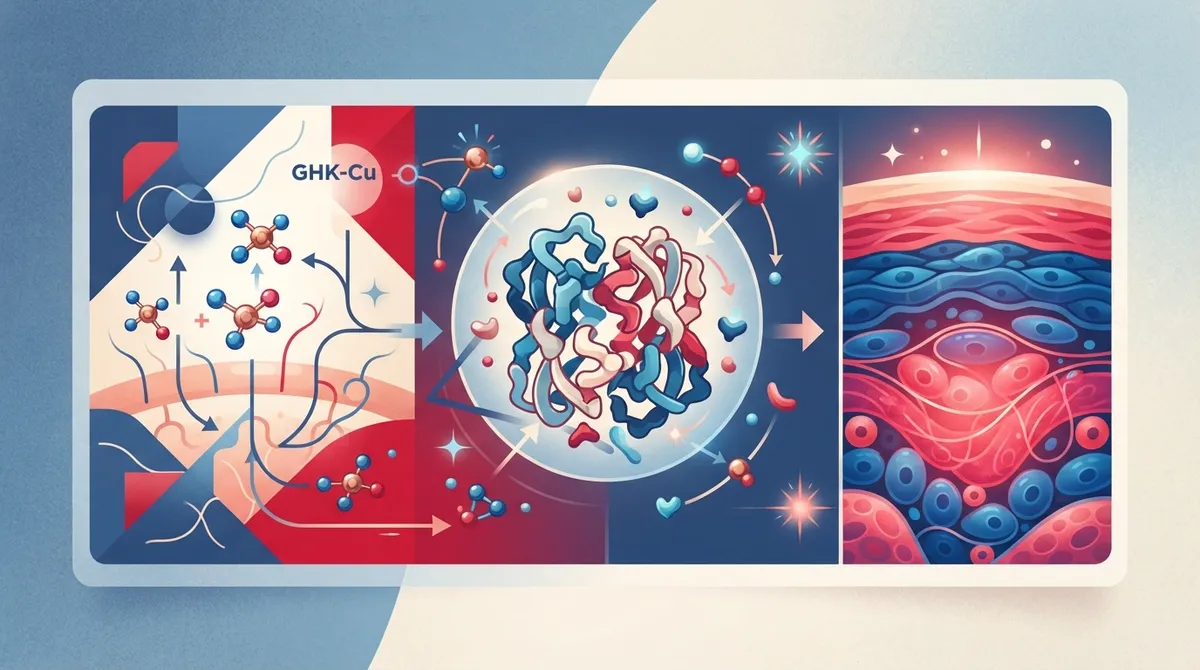
GHK-Cu is a small protein called a tripeptide. It naturally occurs in the human body, especially in blood plasma, saliva, and urine. This peptide binds tightly to copper, which is why it carries the "Cu" in its name.
Researchers first identified GHK-Cu decades ago while studying blood plasma proteins. Since then, scientists have studied its potential roles in skin repair, wound healing, and cellular signaling. Most of the strongest evidence comes from lab studies and animal research, with smaller human studies focused mainly on topical skin applications.
As people age, natural GHK-Cu levels in the body decline. This drop has led researchers to explore whether replacing or boosting GHK-Cu levels might support tissue repair and skin health. This is the foundation of why wellness clinics and skincare formulators have taken interest in this peptide.
Mistake 1: Assuming GHK-Cu Works Like a Drug
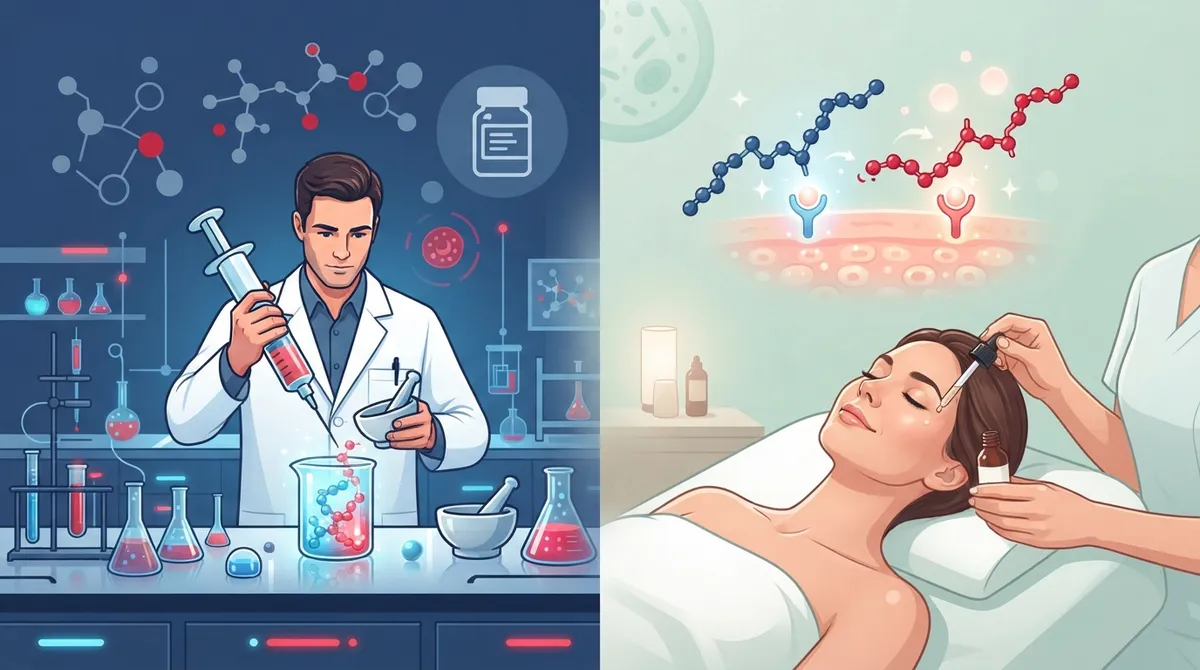
Many people think GHK-Cu functions like a pharmaceutical drug with a single, simple target. This is inaccurate. GHK-Cu works through multiple pathways at once, influencing gene expression, protein production, and cellular signaling.
Research suggests GHK-Cu can influence the activity of hundreds of genes involved in tissue remodeling. This broad influence is part of why it has drawn attention in regenerative and cosmetic science. However, this also means results can vary between individuals, unlike a drug designed to hit one specific target.
Mistake 2: Ignoring the Role of Copper Binding
The copper component of GHK-Cu is not just a label. Copper is an essential trace mineral involved in many bodily processes, including collagen formation and antioxidant defense.
When GHK-Cu binds copper, it may help deliver this mineral to areas of the body that need it most for repair processes. This copper-delivery function is considered central to the peptide's proposed mechanism of action. Skipping over this detail means missing why GHK-Cu is different from other peptides that do not carry a mineral component.
Key Copper-Related Functions Linked to GHK-Cu
- Supporting antioxidant enzyme activity in skin cells
- Assisting in collagen and elastin production pathways
- Contributing to wound healing signaling processes
- Helping regulate inflammatory responses in tissue
- Potentially supporting blood vessel formation in healing tissue
Mistake 3: Overlooking Its Effect on Collagen and Elastin
One of the most cited functions of GHK-Cu involves stimulation of collagen and elastin production. These two proteins are the building blocks of firm, resilient skin.
Preclinical studies suggest GHK-Cu may activate certain enzymes and growth factors that support the structural framework of skin tissue. This is why the peptide is frequently included in topical serums and creams aimed at improving skin texture and reducing the appearance of fine lines.
If you are curious about how these formulations work, our guide on how to pick the best GHK-Cu serum for anti-aging covers practical selection tips.
Mistake 4: Misunderstanding Its Anti-Inflammatory Signaling
Some assume peptides like GHK-Cu only affect the surface of the skin. In reality, research points to broader anti-inflammatory signaling effects at the cellular level.
Chronic, low-grade inflammation is linked to premature skin aging and slower tissue repair. GHK-Cu has been studied for its potential to modulate inflammatory markers, which may support smoother, calmer skin over time. This is one reason wellness providers discuss it alongside other preventive wellness strategies during annual checkups.
Mistake 5: Assuming All Delivery Methods Work the Same Way
Not every GHK-Cu product delivers the peptide the same way. Topical creams, serums, and professional treatments each have different absorption rates and effectiveness profiles.
Below is a simple comparison of common delivery methods discussed in wellness and dermatology research.
|
Delivery Method |
Common Use |
Absorption Consideration |
|---|---|---|
|
Topical Serum |
Skin texture, fine lines |
Limited to outer skin layers |
|
Topical Cream |
Moisture and barrier support |
Moderate, depends on formulation |
|
Professional Application |
Targeted skin concerns |
Varies by clinic protocol |
Choosing the wrong delivery method for your goals is a common reason people feel disappointed by their results.
Mistake 6: Expecting Overnight Results
Cellular repair processes take time. Collagen remodeling, in particular, is a gradual process that can take weeks to months to show visible change.
People who expect instant results often stop using GHK-Cu products too early, missing out on potential long-term benefits. Patience and consistency matter far more than aggressive, short-term use.
Realistic Timeline Expectations
- Weeks 1 to 2: Skin may feel more hydrated or smoother
- Weeks 3 to 6: Subtle texture improvements may become noticeable
- Weeks 8 to 12: More visible changes in fine lines may appear for some users
- Beyond 12 weeks: Continued use is typically needed to maintain results
Mistake 7: Ignoring Individual Skin and Health Factors
Not everyone responds to GHK-Cu the same way. Skin type, age, existing skin conditions, and overall health can all influence outcomes.
This is why a personalized approach matters. At InCare, our experienced providers take a whole-body view before recommending any wellness protocol, rather than a one-size-fits-all approach. Factors such as hormone balance, nutrition, and even results from DNA gene testing can help tailor recommendations more precisely.
Mistake 8: Confusing GHK-Cu with Other Peptides
The wellness peptide space includes many different compounds, each with distinct proposed mechanisms. Confusing GHK-Cu with other peptides can lead to unrealistic expectations.
Here is a quick comparison to clarify some common distinctions.
|
Peptide |
Primary Research Focus |
Contains Copper? |
|---|---|---|
|
GHK-Cu |
Skin repair, tissue remodeling |
Yes |
|
BPC-157 |
Gut and tissue healing research |
No |
|
Collagen Peptides |
General skin and joint support |
No |
Understanding these differences helps you have more informed conversations with your wellness provider about which options may align with your goals.
Mistake 9: Skipping Professional Guidance
Perhaps the biggest mistake is trying to navigate peptide science alone. Wellness trends move fast, and not all information online is accurate or backed by solid research.
Working with a knowledgeable primary care and wellness team ensures you get guidance based on current evidence rather than marketing claims. Our providers, including Dr. Naveen Paddu and Dr. Teshy John, stay current on emerging wellness research so patients receive accurate, practical advice.
How InCare Supports Whole-Body Wellness
At InCare, we believe wellness goes beyond a single product or peptide. Our approach combines primary care, advanced diagnostics, and personalized planning to help patients make informed decisions about their health.
Some of the ways we support comprehensive wellness include:
- Reviewing your full health history before recommending any new wellness protocol
- Body composition analysis to track physical changes over time
- Cancer screening services for proactive health monitoring
- IV hydration and vitamin drips to support overall cellular health
- Guidance on skin and tissue health as part of a broader wellness plan
We serve patients across Tampa and Riverview, Florida, offering both in-person and virtual appointment options to fit busy schedules. Many of our patients appreciate the flexibility of telemedicine visits when discussing wellness questions like peptide science.
Why Evidence-Based Guidance Matters
The wellness industry is full of bold claims. Some sources overstate what current research actually shows about GHK-Cu and similar compounds. According to peer-reviewed research published through the National Center for Biotechnology Information, GHK-Cu shows promising regenerative and protective properties in laboratory studies, though more large-scale human trials are still needed.
This is why it helps to work with a clinic that prioritizes transparency. Our team reviews current research carefully before making any recommendations, ensuring patients get realistic expectations rather than exaggerated promises.
You can also see what real patients say about their experience with our team. Many share their stories on our social platforms, including Facebook, Instagram, and TikTok, where we share wellness tips and clinic updates.
Common Signs You Need Professional Wellness Guidance
Not sure if you should talk to a provider about peptide science or skin wellness? Consider these signs:
- You have tried multiple skincare products without seeing improvement
- You are unsure which wellness treatments align with your health goals
- You want a personalized plan based on your actual health data
- You are interested in preventive, whole-body wellness rather than quick fixes
- You want guidance from licensed providers instead of unverified online sources
If any of these apply to you, it may be time to schedule a consultation with a trusted wellness team.
Bringing It All Together
Understanding the ghk cu mechanism of action means looking past marketing buzzwords and focusing on what current research actually supports. This copper-binding peptide appears to influence collagen production, antioxidant activity, and tissue repair signaling, but results depend on many individual factors.
Avoiding the nine mistakes covered in this guide can help you make smarter, more informed wellness decisions. From understanding copper's role to setting realistic timelines, small adjustments in your approach can lead to better outcomes.
Patients across Tampa and Riverview trust InCare for clear, honest wellness guidance. You can read what our community says by visiting our InCare location on Google, where our 4.8-star rating reflects consistent, personalized care from a team patients trust.
Ready to talk with a provider about your wellness goals? Book Now to schedule your consultation, or reach out to our team with any questions about advanced wellness services at InCare.
FAQs
Q: What is the main mechanism of action for GHK-Cu?
A: GHK-Cu is believed to work through multiple pathways, including copper delivery to tissues, gene expression modulation, and support for collagen and elastin production. Research also points to potential anti-inflammatory and antioxidant signaling effects at the cellular level.
Q: How long does it take to see results from GHK-Cu?
A: Most research suggests visible changes may take eight to twelve weeks of consistent use, since collagen remodeling is a gradual biological process. Patience and consistent application are important for realistic outcomes.
Q: Is GHK-Cu safe for all skin types?
A: Individual responses vary based on skin type, health history, and other personal factors. It is best to consult a qualified wellness provider before starting any new peptide-based skincare protocol.
Q: How is GHK-Cu different from other wellness peptides?
A: Unlike many other peptides studied in wellness settings, GHK-Cu specifically binds copper, which may support its role in antioxidant activity and tissue repair. Other peptides, such as BPC-157, do not contain a mineral-binding component.
Q: Should I talk to a doctor before trying GHK-Cu products?
A: Yes, speaking with a knowledgeable primary care or wellness provider helps ensure any peptide-based product fits your specific health profile and goals. Professional guidance also helps you avoid products with unverified or exaggerated claims.