

Key Takeaways
- Retatrutide is an investigational Eli Lilly medicine and is not FDA-approved anywhere in the U.S.; no Tampa clinic can legally prescribe it as an approved drug.
- Products sold as retatrutide outside a clinical trial may have unknown identity, purity, and dosing, with no FDA quality review or medical follow-up.
- The only legitimate access to retatrutide today is through an eligible clinical trial, which may involve placebo assignment.
- FDA-approved weight-loss medications and medical weight loss programs are available in Tampa now, and a primary care clinician can help choose a safe option.
If you live in the Tampa area and follow weight-loss news, you have likely seen the name retatrutide. Headlines promise record-setting results. Social media posts and online sellers promise easy access. The truth is more careful. Retatrutide is a promising investigational medicine from Eli Lilly, and it is not FDA-approved for routine prescribing anywhere in the United States.
That gap between hype and reality matters for your health. This guide explains what retatrutide is, what the latest trials show, and why searching for retatrutide in Tampa can lead you toward products you should avoid. You will also learn which proven options a primary care team can discuss with you today. At InCare, we believe good weight care starts with accurate facts and a plan built around you.
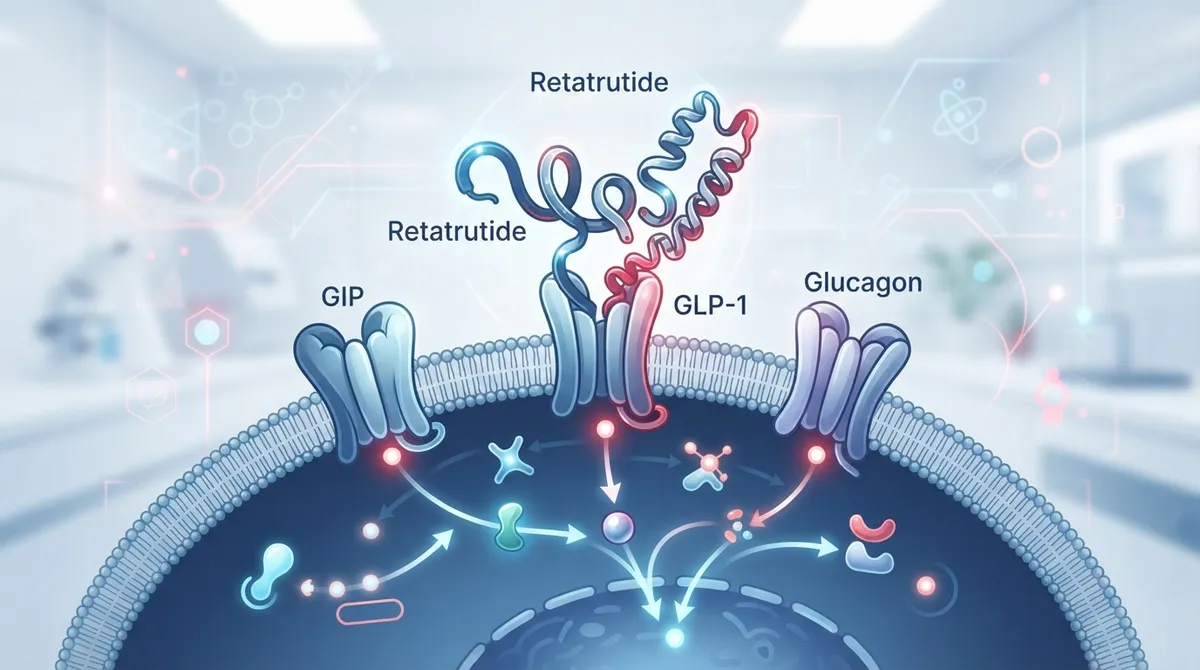
1. What Retatrutide Actually Is
Retatrutide is a once-weekly injectable medicine being studied for obesity and related metabolic conditions. It is called a triple agonist. That means it activates three hormone receptors: GIP, GLP-1, and glucagon.
Each receptor plays a role in appetite, blood sugar, and energy use. Some current approved weight-loss medicines act on one or two of these pathways. Retatrutide aims to act on all three. That design is why researchers are so interested in it.
Still, it remains in clinical development. Interest alone does not make a drug safe or available for general use.

2. Retatrutide Is Not FDA-Approved
This is the most important fact in this article. Retatrutide is not FDA-approved and is not an established prescription treatment. No Tampa clinic can legally offer it as an approved medication.
Positive trial results are not the same as approval. A drug must pass a full FDA review of its safety, benefits, and manufacturing quality. Lilly has said it plans to submit a Biologics License Application to the FDA in the first quarter of 2027. A planned filing is not an approval, and it does not guarantee when or whether the medicine will reach patients.
If anyone tells you they can prescribe approved retatrutide in Tampa today, treat that claim with caution.
3. What the Phase 3 Trials Have Shown
The results so far are striking, which explains the attention. Here is a summary of the main reported findings.
|
Trial |
Population |
Reported Result |
|---|---|---|
|
TRIUMPH-1 (published analysis) |
2,339 adults with obesity, no diabetes |
Mean weight change at 80 weeks of -17.6% (4 mg), -23.7% (9 mg), -25.0% (12 mg), versus -3.9% with placebo |
|
TRIUMPH-1 (Lilly topline) |
Adults with obesity or overweight and a weight-related condition |
Average loss of 25.9% (9 mg) and 28.3% (12 mg) at 80 weeks |
|
TRIUMPH-2 |
Adults with obesity or overweight and type 2 diabetes |
Average loss of 12.7%, 19.1%, and 20.8% at 4, 9, and 12 mg at 80 weeks |
|
TRIUMPH-4 |
Adults with obesity or overweight and knee osteoarthritis |
Up to 28.7% average loss at 68 weeks with 12 mg |
These are results from controlled studies with close monitoring. They are not a promise of what any one person will experience.
4. Why the Numbers Look Different
You may notice that TRIUMPH-1 shows 25.0% in one place and 28.3% in another. Both are correct. They use different statistical methods, called estimands.
Lilly's topline figure estimates results if everyone took the medicine as directed. The published analysis uses a different approach. These numbers should not be treated as interchangeable. When you read a weight-loss claim, ask which method produced it.
5. What Side Effects Were Reported
The most common side effects in trials were gastrointestinal. These typically include nausea, vomiting, diarrhea, and constipation. Similar effects occur with other medicines in this broad class.
Because retatrutide is still investigational, its full risk profile is not yet established. Long-term safety, ideal dosing, and who should avoid it are still being studied. Without that information, no clinician can responsibly guide routine use outside a trial.
6. The Risk of Buying Retatrutide Outside a Trial
Many online sellers, social media accounts, and some local businesses market products labeled as retatrutide. This is where Tampa residents need to be careful.
- Unknown identity: The vial may not contain what the label says.
- Unknown purity: Contamination or wrong dosing is possible.
- No oversight: Unapproved products skip FDA quality review.
- No medical follow-up: Side effects may go unmonitored.
- False claims: Sellers may imply approval that does not exist.
Compounding pharmacies and med spas cannot make an unapproved drug approved. If a product is sold as retatrutide outside a clinical trial, verify the claim with a licensed clinician and with official FDA information before spending money or injecting anything.
7. How to Access Retatrutide Legitimately
The only legitimate path to retatrutide today is through an eligible clinical trial. Trials have strict entry rules. They check your health history, body mass index, and other conditions.
- Talk with a licensed primary care clinician about your goals and health history.
- Search official trial registries for current studies and eligibility criteria.
- Review any trial's risks, benefits, and monitoring plan before agreeing to join.
- Keep your primary care team informed so your other care stays coordinated.
Joining a trial is a personal decision. It is not a shortcut to a prescription, and placebo assignment is possible in many studies.
8. Proven Options Available in Tampa Right Now
You do not have to wait for a future approval to start. Several evidence-based options exist today, and a clinician can help decide which fits you. Our resources explain how to choose the best injection for weight loss and what weight loss injections cost in 2026.
|
Approach |
What It Involves |
Best Discussed With |
|---|---|---|
|
FDA-approved medications |
Prescription options such as GLP-1-based treatments, when medically appropriate |
Your primary care clinician |
|
Medical weight loss programs |
Physician-guided plans with nutrition, activity, and monitoring |
A weight loss team |
|
Metabolic testing |
Measuring how your body uses energy |
A clinic with metabolic breath analysis |
|
Body composition tracking |
Separating fat loss from muscle loss |
A provider offering body composition scans |
For a deeper look at current treatments, read about semaglutide in Tampa and tirzepatide versus semaglutide. You can also review our guide on retatrutide facts every patient should know.
9. How Primary Care Fits Into Your Weight Journey
Weight is rarely just about willpower. Thyroid issues, insulin resistance, sleep problems, medications, stress, and hormones can all play a part. A primary care visit looks at the whole picture.
A good clinician will review:
- Your medical history and current medications
- Blood sugar, cholesterol, and blood pressure
- Nutrition, movement, and sleep patterns
- Your personal goals and timeline
- Which approved treatments may be safe and suitable
This is why primary care matters for weight management. The right plan is individualized. No responsible provider promises a specific drug or a guaranteed result. Learn more about what makes medical weight loss different from dieting.
Why Tampa Patients Choose InCare
InCare combines primary care, urgent care, and advanced wellness services under one roof. Our team uses technology such as 3D body scanning, metabolic testing, and DNA gene testing to build plans that fit your body. We serve patients in Tampa and Riverview, with virtual visits available for busy schedules.
You can meet our providers and find our locations online. If you want to hear from real patients, see what neighbors say when you visit us on Google — InCare. You can also follow our updates on Instagram, Facebook, and TikTok.
Key Takeaways
- Retatrutide is investigational and not FDA-approved.
- Phase 3 trial results are promising but do not equal availability.
- Products sold as retatrutide outside a trial may be unsafe or mislabeled.
- Clinical trials are the only legitimate access route today.
- Proven, FDA-approved options and medical guidance are available now.
Take the Next Step With a Trusted Team
Waiting for a future medicine should not delay your health goals. A clear, personalized plan can start today. Book your visit with InCare to talk with a clinician about safe, evidence-based weight care. Have questions first? Contact our team and we will help you find the right starting point.
FAQs
Q: Is retatrutide FDA-approved in Tampa or anywhere in the United States?
A: No. Retatrutide is an investigational Eli Lilly medicine and is not FDA-approved. Lilly has said it plans to submit an application to the FDA in the first quarter of 2027, but a planned filing is not an approval.
Q: Can a Tampa doctor prescribe retatrutide for weight loss?
A: Not as an approved medication. Because it is investigational, access is generally limited to eligible clinical trials. A primary care clinician can instead discuss FDA-approved weight-loss options that may suit your health needs.
Q: How much weight loss has retatrutide shown in clinical trials?
A: In the Phase 3 TRIUMPH-1 trial, the published analysis reported a mean loss of 25.0% at the 12 mg dose after 80 weeks, versus 3.9% with placebo. Lilly's topline figure was 28.3%, which uses a different statistical method, and individual results vary.
Q: Is retatrutide available from compounding pharmacies or med spas?
A: Products marketed as retatrutide outside a clinical trial are not FDA-approved and may be of uncertain identity, quality, and safety. Verify any claim with a licensed clinician and official FDA information before using such a product.
Q: What are the side effects and risks of retatrutide?
A: The most common adverse events reported in trials were gastrointestinal, such as nausea, vomiting, and diarrhea. Since the medicine is still investigational, its full benefit-risk profile is not yet established for routine care.


