
Key Takeaways
- Oral glutathione powder has weak absorption; single doses show negligible blood level increases, but consistent daily use over months may produce measurable increases in red blood cells and plasma by 30-35%.
- Never use oral glutathione powder for injections—the FDA documented adverse events including bacterial endotoxin contamination up to five times safe limits in compounded injectable products made from supplement-grade powder.
- Skin-brightening and anti-aging claims lack strong evidence; one small study showed modest improvements with 250 mg daily, but larger trials are needed and wrinkle reduction remains unproven.
- Consult your primary care provider before starting glutathione powder, especially if pregnant, breastfeeding, or managing chronic conditions like liver or kidney disease, as safety data for these groups is limited.
Walk into any wellness aisle and you will spot glutathione powder marketed as a cure-all. Bottles promise brighter skin, more energy, and total body detox. But what does the science actually say? As primary care and wellness experts, we believe patients deserve honest, evidence-based answers before spending money on any supplement.
Glutathione is a real antioxidant made naturally in your body. It plays a role in cellular health and detox pathways. But oral glutathione powder is a different story than what your liver produces on its own. This guide breaks down nine essential facts about glutathione powder, backed by clinical research, so you can make an informed decision with your primary care team.
1. Glutathione Powder Is Not the Same as Your Body's Natural Glutathione
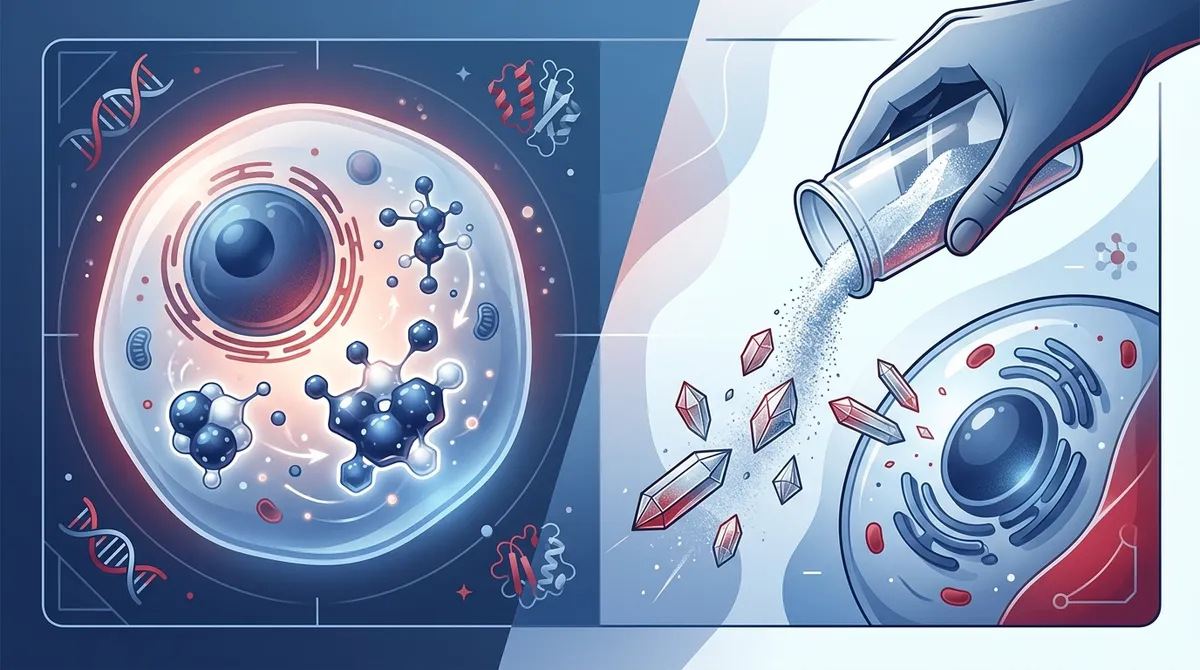
Glutathione (GSH) is made from three amino acids: cysteine, glutamate, and glycine. Your cells produce it to help balance oxidative stress and support detox enzymes. Glutathione powder is an oral supplement meant to mimic or boost this natural process, but it is not identical to what your body creates internally.
Some products use reduced glutathione (L-glutathione), while others use oxidized glutathione (GSSG) or liposomal formulas designed to improve absorption. Each version behaves differently once it enters your digestive system.
2. Oral Absorption Is Weaker Than Many Brands Claim
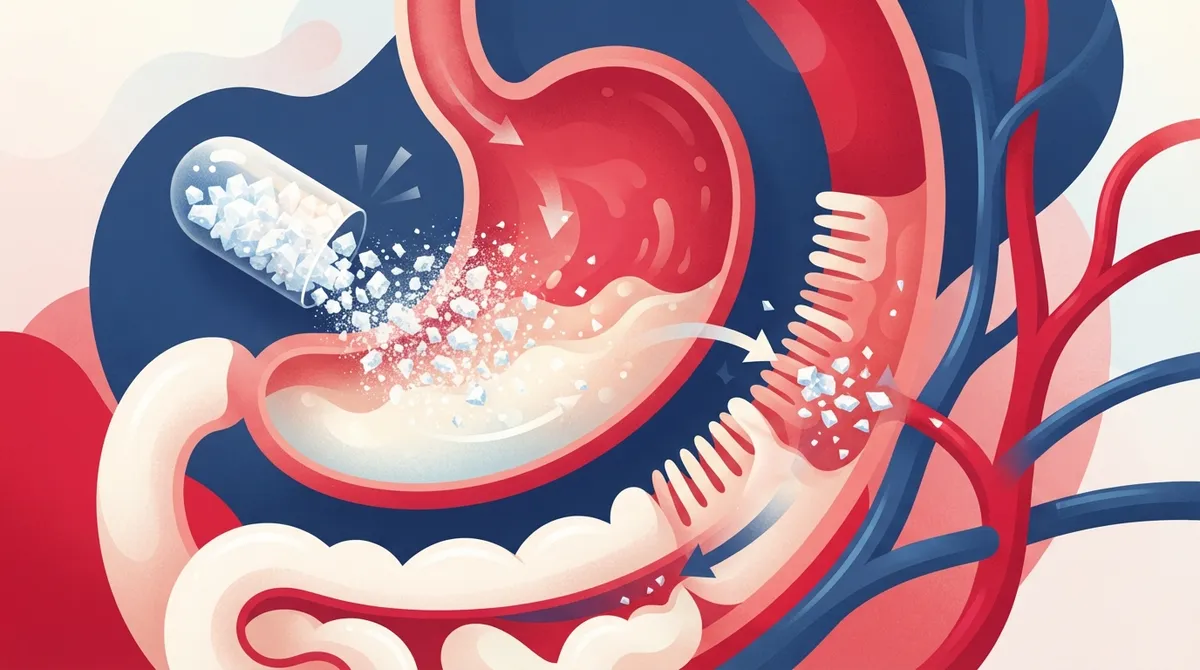
One of the biggest myths about glutathione powder is that swallowing it delivers the same benefits as your body's internal supply. Research tells a more complicated story.
An older pharmacokinetic study gave healthy adults a 3-gram dose of oral glutathione. Researchers found no meaningful rise in blood glutathione, cysteine, or glutamate levels afterward. This suggests that a single dose may not do much at all.
However, newer studies show different results with consistent daily use:
- A six-month trial found significant increases in glutathione within red blood cells, plasma, and lymphocytes
- Buccal cell glutathione rose by nearly 260% in the same study
- Liposomal formulations appear to improve absorption compared to standard powder
- Short-term studies in healthy adults often show no measurable change in oxidative stress markers
The takeaway? Timing, dose, and formulation matter more than marketing claims suggest.
3. The Six-Month Study Numbers Deserve a Closer Look
|
Blood Compartment |
Reported Increase |
|---|---|
|
Erythrocytes (red blood cells) |
Approximately 30–35% |
|
Plasma |
Approximately 30–35% |
|
Lymphocytes |
Approximately 30–35% |
|
Buccal cells |
Approximately 260% |
These numbers sound impressive, but this was a limited clinical trial. Larger, longer studies are needed before we can call oral glutathione powder a proven treatment for any specific condition.
4. Glutathione Powder Is Not a Proven Skin-Lightening Treatment
Many supplement companies market glutathione powder for skin brightening or anti-aging. Small studies have looked at this claim with mixed results.
One study using 250 mg per day of oral glutathione reported modest improvements in melanin index and sun spots. But the sample size was small, and results were not strong enough to prove real clinical benefit. Claims about wrinkle reduction or improved skin elasticity remain unproven on a larger scale.
If skin health is your goal, a conversation with a licensed provider at a wellness clinic can help you separate fact from marketing hype.
5. Side Effects Are Usually Mild, But Not Always Predictable
Most people who take oral glutathione powder report only minor digestive issues. Still, side effects vary by person.
- Gas and bloating are the most commonly reported complaints
- Loose stools affect some users, especially at higher doses
- Nausea can occur, particularly when taken on an empty stomach
- Flushing has been reported in a small number of users
- Weight gain was noted in at least one clinical trial participant
In one safety trial, five participants reported increased flatulence and loose stools, two experienced flushing, and one gained weight. No serious changes to liver, kidney, or blood count were found. Still, long-term safety data remains limited.
6. Pregnancy, Chronic Illness, and Medication Interactions Are Understudied
If you are pregnant, breastfeeding, or managing a chronic condition, be cautious. Safety data on glutathione powder for these groups is not well established.
People with liver disease, kidney issues, asthma, or other chronic conditions should talk to their doctor before starting any new supplement. This is especially true if you already take prescription medications, since interactions have not been thoroughly studied.
Our providers at InCare, including Pramjeet Ahluwalia MD and Teshy John MD, can review your full health history before recommending any supplement plan.
7. Not All Glutathione Powder Products Are Created Equal
Dietary supplements are not reviewed by regulators the same way prescription drugs are. This means quality can vary widely between brands. Before buying glutathione powder, look for these signs of a trustworthy product:
- Third-party testing from an independent lab
- Clear labeling of ingredient amounts per serving
- Visible lot numbers for quality tracking
- Proper storage instructions on the packaging
- Transparent sourcing information from the manufacturer
Skipping this step can mean paying for a product that does not contain what the label promises.
8. Glutathione Powder Should Never Be Used for Injections
This is one of the most important safety facts to understand. Oral glutathione powder is manufactured for swallowing, not for injecting into the bloodstream.
The FDA investigated a case involving seven patients who suffered adverse events after receiving compounded injectable glutathione made from powder labeled for oral use. Testing found some samples contained bacterial endotoxin levels up to five times the safe limit. This reinforces why supplement-grade powder should never be prepared for sterile injection use.
Injectable glutathione is a completely different product with different risks. If you are considering any type of injectable wellness therapy, always work with a licensed medical provider who uses properly sourced, sterile products. Our team offers supervised IV hydration and vitamin drip services using safe, medically appropriate formulations.
9. Talk to Your Primary Care Provider Before Starting Any Supplement
The most important step before trying glutathione powder is a conversation with your doctor. Supplements should never replace evidence-based treatment for fatigue, liver disease, metabolic conditions, or other symptoms.
At your next visit, be ready to discuss:
- Your current medications and any known allergies
- Your specific health goals for taking a supplement
- Any chronic conditions that could affect safety
- Realistic expectations based on current research
- Alternative options that may better fit your needs
A knowledgeable provider can help you weigh the evidence and decide if glutathione powder fits your overall wellness plan. Our physicians, including Naveen Paddu MD, take time to review your full medical picture before making any recommendation.
How InCare Supports Your Wellness Goals
InCare combines advanced technology with personalized medical guidance across our Tampa and Riverview locations. From DNA gene testing to body composition analysis, our team helps you understand what your body truly needs before recommending any supplement or therapy.
We also offer cancer screenings, medically supervised weight loss programs, and comprehensive primary care services designed around prevention. Our patients consistently share positive experiences, and you can see what our InCare patients say on Google by visiting our Visit us on Google — InCare profile.
You can also follow our wellness tips and clinic updates on Facebook, Instagram, and TikTok for the latest research-backed health content.
Making an Informed Decision About Glutathione Powder
Glutathione powder is not a miracle cure, but it may offer modest benefits for some people when used correctly. The science shows mixed results depending on dose, formulation, and length of use. Short-term supplementation may not do much, while consistent daily use over months shows more promising lab results.
The safest path forward is simple: talk to a licensed provider first. Never use oral supplement powder for injections, always research product quality, and be realistic about what glutathione can and cannot do for your health.
Ready to build a wellness plan based on real evidence, not marketing hype? Contact our team today, or go ahead and schedule your appointment now to discuss glutathione, supplements, and your overall health goals with a trusted InCare provider in Tampa or Riverview.
FAQs
Q: What is glutathione powder and what is it used for?
A: Glutathione powder is an oral dietary supplement containing reduced or oxidized glutathione, an antioxidant your body naturally produces. It is marketed for supporting cellular health and antioxidant balance, though it is not an established treatment for detox, fatigue, or chronic disease.
Q: Does oral glutathione powder actually increase glutathione levels in the body?
A: Evidence is mixed. A single large dose shows negligible absorption, but daily use over several months has been linked to measurable increases in blood and cell glutathione levels in some clinical trials.
Q: Is glutathione powder safe for injection or IV use?
A: No. Glutathione powder labeled for oral supplement use should never be prepared for injection. The FDA documented adverse events, including dangerous bacterial endotoxin contamination, in compounded injectable products made from supplement-grade powder.
Q: What are the side effects and risks of oral glutathione powder?
A: Reported side effects are typically mild, including gas, bloating, loose stools, and nausea. Long-term safety, especially during pregnancy or with chronic conditions like liver or kidney disease, has not been well studied.
Q: How can I choose a high-quality glutathione supplement?
A: Look for products with independent third-party testing, clear ingredient labeling, visible lot numbers, and proper storage instructions. Since supplements are not reviewed like prescription drugs, product quality can vary significantly between brands.