Key Takeaways
- Check wound healing progress at 48-96 hours after injury to catch infection early; normal healing shows decreasing redness, less drainage, and new pink tissue forming at wound edges within 4-6 weeks.
- Recognize warning signs requiring immediate medical attention: increasing redness/swelling, pus or foul-smelling drainage, fever, worsening pain, or wounds not shrinking after several weeks.
- Choose appropriate wound dressing based on drainage type (simple bandage for dry cuts, absorbent foam for moderate drainage, hydrogel for minimal drainage) to maintain moist but not overly wet environment.
- Refer to a specialist if wound has not reduced by 40-50% after 4 weeks of standard care; support faster healing by managing diabetes, maintaining nutrition with protein and vitamin C, and avoiding smoking.
A small cut or scrape usually heals on its own within a few weeks. But how do you know if a wound is healing the right way, or if it needs medical attention? Understanding the basics of wound healing can help you avoid infections, reduce scarring, and know when to see a doctor instead of waiting it out at home.
Whether you are a busy parent managing a child's scraped knee, a wellness-focused professional recovering from a minor procedure, or someone managing a chronic condition that slows healing, this guide breaks down what actually happens beneath the surface of your skin. We will cover the science, the practical care steps, and the warning signs that mean it is time to get help. For personalized guidance, the team at Primary Care in Tampa and Riverview can evaluate any wound that is not progressing as expected.

1. The Four Phases of Wound Healing
Wound healing is not a single event. It is a dynamic process that unfolds in four overlapping stages. Knowing these phases helps you understand what your body is doing at each point in recovery.
- Hemostasis: This happens immediately after injury. Blood vessels narrow and platelets form a clot to stop bleeding.
- Inflammation: Lasting roughly 0 to 3 days, this phase brings redness, swelling, and warmth as the immune system clears debris and bacteria.
- Proliferation: Occurring between days 3 and 21, new tissue and blood vessels form to rebuild the wound bed.
- Remodeling (Maturation): This final stage can last from 21 days up to 1.5 years, as collagen strengthens and the scar matures.
Each phase overlaps with the next, so a wound rarely moves through these stages in a perfectly straight line. Factors like age, nutrition, and underlying health conditions can speed up or slow down this natural timeline.

2. How to Tell If a Wound Is Healing Properly
Most acute wounds heal within 4 to 6 weeks when cared for correctly. Signs of normal healing include a gradual decrease in redness, less drainage over time, and new pink tissue forming at the wound edges.
- Reduced pain and swelling as days pass
- Wound edges slowly closing together
- Minimal or clear drainage instead of thick, colored discharge
- No spreading redness or warmth around the wound
- Formation of a scab or new skin without excessive moisture
Basic wound assessment guidance suggests checking on healing progress and infection signs at 48 to 96 hours after the initial injury or treatment. This early check-in catches problems before they become serious.
3. Common Signs That Signal a Problem
Not every wound heals without complications. Recognizing warning signs early can prevent a minor injury from becoming a major health issue.
- Increasing redness, swelling, or warmth around the wound
- Pus or foul-smelling drainage
- Fever or chills accompanying the wound
- Pain that worsens instead of improving
- A wound that has not reduced in size after several weeks
If you notice any of these symptoms, do not wait. Urgent Care services can provide same-day evaluation for wounds that appear infected or are not healing on schedule.
4. Choosing the Right Wound Care Approach
Proper wound care starts with a careful assessment of the cause, location, depth, and contamination risk. Primary care providers look at whether deeper structures, like tendons or bone, might be involved before deciding on treatment.
Cleaning and Dressing Basics
Gentle cleansing with saline or a similar mild solution helps remove debris without damaging new tissue. A moist, but not overly wet, environment generally supports the best healing outcomes.
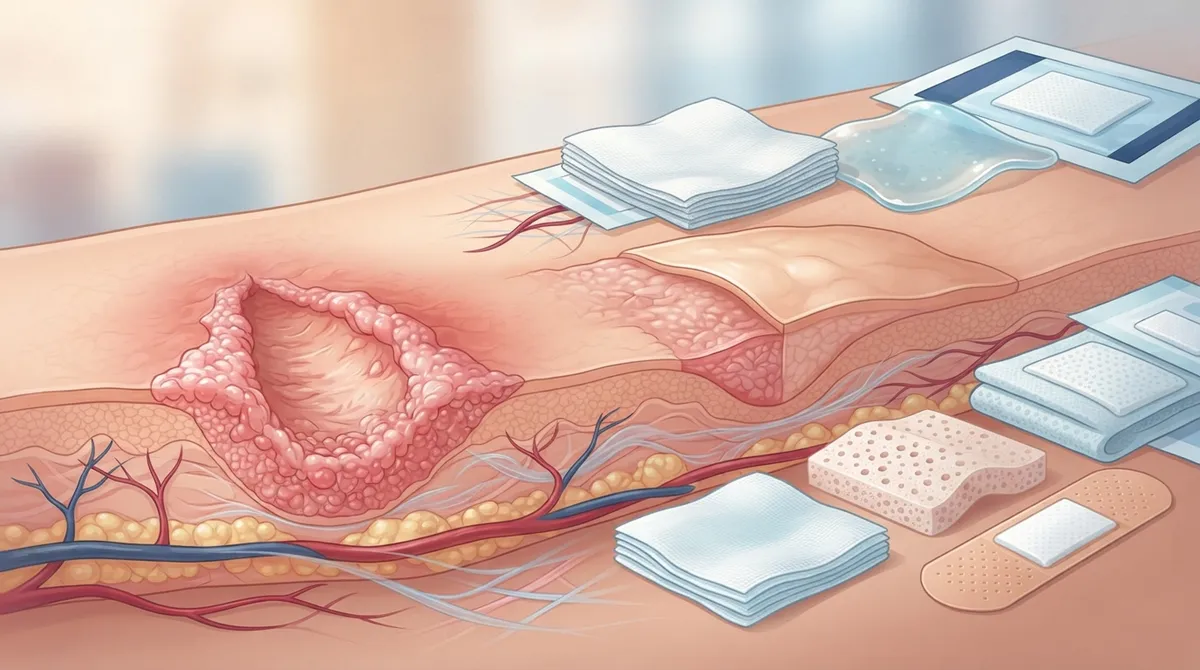
Wound TypeRecommended ApproachDressing ConsiderationsMinor cuts and abrasionsClean with saline, cover lightlySimple adhesive bandageWounds with moderate drainageCleanse regularly, monitor closelyAbsorbent foam or hydrocolloid dressingDry wounds with minimal drainageMaintain moisture balanceHydrogel or moisture-retentive dressingWounds at infection riskMedical evaluation recommendedAntimicrobial dressing as advised by a provider
Choosing the wrong dressing can either dry out the wound or trap too much moisture, both of which slow healing. This is why professional guidance matters, especially for wounds that are deep, large, or slow to close.
5. When Antibiotics Are Actually Needed
Antibiotics are not routine for every wound. They are typically reserved for wounds showing signs of infection or those with a high contamination risk, such as deep puncture wounds or bites.
- Assess the wound for redness, swelling, or pus
- Check for fever or systemic symptoms
- Determine if the wound involves deeper tissue or contamination
- Consult a healthcare provider before starting any antibiotic
Overusing antibiotics for wounds that do not need them can contribute to resistance and unnecessary side effects. A provider at Providers can determine whether your wound truly requires antibiotic treatment or simply needs consistent monitoring.
6. What Slows Down Wound Healing
Several factors can interfere with the body's natural repair process. Understanding these can help you take steps to support faster recovery.
- Poor blood flow or vascular problems
- Uncontrolled diabetes or blood sugar issues
- Chronic infection at the wound site
- Excessive dryness or excessive moisture in the wound bed
- Poor nutrition, including low protein or vitamin deficiencies
- Smoking, which reduces oxygen delivery to tissues
Patients managing chronic conditions like diabetes often experience slower healing times. This is one reason how primary doctors help manage chronic illnesses and support better wound outcomes as part of overall care.
7. When to See a Specialist for a Nonhealing Wound
Delayed healing should always prompt a reassessment. One widely used clinical guideline recommends referral if a wound has not reduced in size by about 40% to 50% after 4 weeks of standard care.
Reasons for Referral
- The wound shows no measurable improvement after a month
- Signs of deep tissue or bone involvement appear
- Underlying conditions, like poor circulation, complicate healing
- Recurrent infections develop despite proper care
- The wound is unusually large, deep, or in a high-risk location
Getting a proper evaluation early can prevent complications and speed up recovery. The team at InCare, with locations in Tampa and Riverview, offers thorough assessments to identify why a wound is not progressing as expected.
8. Preventing Wounds and Supporting Long-Term Skin Health
Prevention and whole-body health both play a role in how well your skin heals. A strong immune system, balanced nutrition, and good circulation all contribute to faster, cleaner healing.
- Maintain a balanced diet rich in protein and vitamin C
- Manage chronic conditions like diabetes and high blood pressure
- Stay hydrated to support skin elasticity and circulation
- Avoid smoking, which restricts blood flow to tissues
- Schedule regular checkups to catch underlying issues early
For those seeking extra support, Iv Hydration Vitamin Drips can help replenish nutrients that support tissue repair, especially after surgery or illness. Comprehensive wellness services, including Dna Gene Testing, can also reveal genetic factors that influence how your body heals over time.
Why Choose InCare for Wound Care and Whole-Body Wellness
InCare combines modern technology with personalized medical expertise to give patients thorough, attentive care. With locations in Tampa and Riverview, Florida, along with virtual visit options, InCare makes it simple to get wound assessments, follow-up checks, and broader preventive care under one roof.
Patients consistently rate InCare highly, with a 4.8 out of 5 average on Google from hundreds of reviews. Many patients highlight the attentive front-desk support and the thorough care provided by physicians like Dr. Ahluwalia. You can visit us on Google — InCare to read more patient experiences before your visit.
Beyond wound care, InCare offers services like Cancer Screening, Weight Loss programs, and Body Composition analysis to support long-term wellness. Follow along for health tips and updates on Facebook, Instagram, and Tik Tok.
Take the Next Step in Your Wound Care
Wound healing is a complex but predictable process when managed correctly. Knowing the phases, spotting warning signs, and understanding when to seek help can make all the difference in your recovery. If you have a wound that is not healing as expected, or you simply want a thorough checkup to catch problems early, do not wait. Get in touch with our team today, or schedule your appointment now at one of our Tampa or Riverview locations for expert, compassionate wound care and whole-body wellness support.
FAQs
Q: What are the stages of wound healing?
A: Wound healing occurs in four overlapping stages: hemostasis, inflammation, proliferation, and remodeling. These stages typically progress from initial clot formation within minutes to full tissue maturation that can take up to 1.5 years for complete remodeling.
Q: How do you know if a wound is healing properly?
A: A properly healing wound shows decreasing redness, less drainage, and new tissue forming at the edges over time. Most acute wounds heal within 4 to 6 weeks, and checking progress at 48 to 96 hours can help confirm normal healing.
Q: What is the best dressing for wound healing?
A: The best dressing depends on the wound type and amount of drainage, but most wounds heal best in a moist, balanced environment. Options range from simple adhesive bandages for minor cuts to hydrocolloid or foam dressings for wounds with more exudate.
Q: When should a wound be referred to a specialist?
A: A wound should be evaluated by a specialist if it has not reduced in size by about 40% to 50% after 4 weeks of standard care. Referral is also recommended for wounds showing signs of infection, deep tissue involvement, or poor circulation.
Q: What slows down wound healing?
A: Common factors that delay healing include poor blood flow, uncontrolled diabetes, chronic infection, excessive wound dryness or moisture, and poor nutrition. Smoking also reduces oxygen delivery to tissues, which can significantly slow recovery.