
Key Takeaways
- Confirm low testosterone with repeat morning lab tests and compatible symptoms before starting pellets; a single low value or symptoms alone are not a sound basis for treatment.
- Testosterone can suppress sperm production, so disclose any near-term plans to have children before treatment begins.
- Guidelines call for hematocrit checks at baseline, at 3 to 6 months, then yearly; a hematocrit above 54% is a reason to pause therapy.
- Pellets are hard to adjust or remove once placed, so ask clinics about the product, dose, cost, and complication plan before booking.
Searching for testosterone pellet therapy in Tampa can feel simple. A few clinics advertise it, and the promise sounds easy: one small procedure and months of steady hormone levels. The reality is more complex. Pellet therapy is a form of testosterone replacement that belongs in a medical plan, not a marketing pitch.
Many men in Tampa arrive at a clinic after reading about low energy, poor sleep, or a drop in drive. Those symptoms are real, but they are also common to many other problems. In 2026, the safest path still starts with a careful evaluation, repeat lab testing, and a clear plan for follow-up.
This guide covers eight mistakes that can lead to poor results or avoidable risks. It is written for busy professionals, wellness-minded adults, and anyone who wants straight answers before agreeing to a procedure. It is educational and does not replace advice from your own clinician.
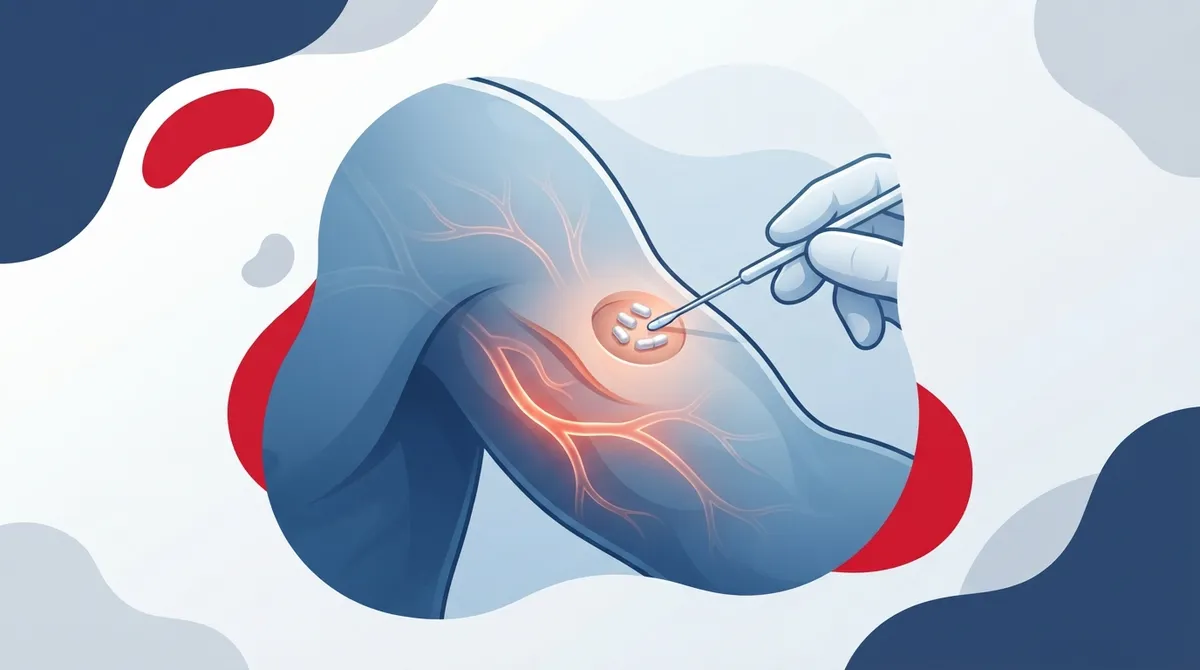
What Testosterone Pellet Therapy Actually Is
Testosterone pellet therapy is a form of testosterone replacement therapy (TRT). A clinician places small pellets under the skin. Over time, the pellets release testosterone into the body. Several Tampa providers advertise this service.
The key point is that pellets are a delivery method, not a diagnosis. The first question should never be which pellet to use. It should be whether you have a medical reason to take testosterone at all.
How Pellets Differ From Other Options
Pellets avoid the need for daily or weekly self-treatment. That convenience comes with a trade-off. Once pellets are placed, the dose is not easy to change or remove. Gels and injections may allow quicker adjustments if side effects appear. The table below compares the main options at a high level.
|
Option |
How It Is Used |
Main Advantage |
Main Consideration |
|---|---|---|---|
|
Pellets |
Placed under the skin by a clinician |
No frequent self-dosing |
Not easily adjusted or removed |
|
Injections |
Given on a set schedule |
Dose can be changed |
Regular visits or self-injection |
|
Gels |
Applied to skin daily |
Easy to stop or adjust |
Daily routine; transfer risk to others |

Mistake 1: Starting Treatment Without a True Diagnosis
The most common error is treating a symptom instead of a diagnosis. Major guidelines recommend diagnosing male hypogonadism only when two things line up. First, compatible symptoms or signs must be present. Second, testosterone must be consistently low on testing.
Fatigue, low mood, and weight gain are nonspecific. Sleep apnea, depression, thyroid problems, poor diet, and stress can cause the same complaints. A clinic that offers pellets after a single quick conversation may be skipping the most important step.
A sound diagnosis involves a medical history, a physical exam, and lab work. When testosterone is low, a good clinician also looks for the cause. Is the problem in the testicles, or in the pituitary or hypothalamus? The answer changes the plan.
Mistake 2: Trusting a Single Lab Value
Testosterone levels vary through the day and from one test to the next. For that reason, guidelines advise confirming a low result with a repeat measurement. The test should be drawn in the morning, ideally fasting.
Treating a one-time number can lead to years of unneeded therapy. Ask any Tampa provider how they confirm a low result before recommending treatment. If the answer is vague, that is a warning sign.
Mistake 3: Ignoring Fertility Plans
Outside testosterone can suppress sperm production. Guidelines advise against testosterone therapy for men who plan to have children in the near term. This is one of the most overlooked points in marketing materials.
If you and your partner may want a child in the coming months or years, say so at the first visit. Your clinician can discuss alternatives that may protect fertility. Do not assume the effect is always quickly reversible.
Mistake 4: Overlooking Who Should Not Take Testosterone
Testosterone is not safe for everyone. Endocrine Society guidance recommends against it, or calls for careful review, in several situations:
- Men planning near-term fertility
- Breast cancer or prostate cancer
- Prostate findings or PSA levels that have not been fully evaluated
- Elevated hematocrit (a high red blood cell count)
- Untreated severe obstructive sleep apnea
- Severe urinary symptoms
- Uncontrolled heart failure
- A heart attack or stroke within the prior six months
- Thrombophilia (a clotting disorder)
A thorough screening should cover each of these. If a clinic does not ask about your heart, prostate, sleep, and blood counts, treat that as a red flag.
Mistake 5: Not Understanding the Procedure and Its Limits
Pellet insertion is a minor in-office procedure. Still, it is a procedure. Possible issues include bruising, infection, and pellet extrusion, where a pellet works its way out of the skin. Hormone levels can also fluctuate over time.
The biggest limit is flexibility. If you develop side effects, you cannot simply skip the next dose. Ask about the exact product, the dose, and the plan if levels run too high or too low.
Some Tampa providers state that pellets last about 3 to 6 months and may be placed 2 to 4 times per year. That is a provider-specific estimate, not a universal rule. Duration varies by person, dose, and product.
Mistake 6: Skipping Follow-Up Monitoring
Starting therapy is only the beginning. Monitoring is what makes testosterone treatment safer. The Endocrine Society guidance outlines a clear schedule:
- Check testosterone levels 3 to 6 months after starting treatment.
- Check hematocrit at baseline, at 3 to 6 months, and then every year.
- Review symptom response and side effects at each visit.
- Assess prostate risk and monitor when appropriate, after a shared decision with your clinician.
Specific thresholds matter. A hematocrit above 54% during treatment is a reason to pause therapy, look for causes, and consider restarting at a lower dose. Guidance also calls for a urology referral if PSA rises by more than 1.4 ng/mL within 12 months of starting, if PSA is confirmed above 4 ng/mL, or if a prostate exam is abnormal.
If a clinic sells pellets but does not build in these checks, the care is incomplete.
Mistake 7: Treating Pellets as an Anti-Aging Shortcut
Testosterone therapy is meant for men with a confirmed medical need. It is not a general wellness product or an anti-aging fix. Marketing that promises more energy, leaner bodies, and sharper focus for everyone should be met with caution.
Many of the habits that raise energy and protect long-term health are not hormonal at all. Sleep, strength training, nutrition, and managing weight and blood pressure often come first. A primary care team can help you address these basics. If you are curious about the full picture, you can read how testosterone replacement therapy fits into a broader plan, or explore the practical benefits of testosterone therapy for men over 40 alongside its limits.
Mistake 8: Choosing a Clinic on Marketing Alone
Local listings show that pellet services are advertised in Tampa. They do not prove quality, outcomes, or a good fit for you. Before booking, ask these questions:
- Who is the treating clinician, and what are their credentials?
- Will diagnosis and follow-up care be provided by the same practice?
- What product and dose will be used, and what does it cost?
- What is the plan if a complication occurs?
- Does the practice follow evidence-based guidelines?
- Are gels or injections offered as alternatives?
A primary care setting has a real advantage here. Your doctor sees the whole picture: blood pressure, sleep, prostate health, mood, and medications. That context matters when hormones are involved.
Why a Primary Care Approach Makes Sense
InCare is a personalized primary care and wellness clinic with locations in Tampa and Riverview. The team combines medical expertise with modern testing so care can start with data, not guesses. That includes lab work, metabolic breath analysis, and body composition tracking to see how your body is actually performing.
For men weighing hormone treatment, this approach means your symptoms are checked against sleep, weight, heart health, and other possible causes first. If treatment is appropriate, options and monitoring are discussed openly. You can also learn about physician-supervised testosterone injections as one alternative worth comparing with pellets.
Patients often tell us they want a clinic that listens. See what InCare patients say by checking our InCare reviews on Google, and follow practice updates on Instagram, Facebook, and TikTok.
A Simple Checklist Before You Say Yes
Use this short list to protect yourself when exploring testosterone pellet therapy in Tampa:
- Confirm that symptoms and repeat morning labs both point to low testosterone.
- Discuss fertility goals and any cancer, heart, sleep, or prostate history.
- Understand how pellets differ from gels and injections.
- Get a written monitoring schedule for testosterone, hematocrit, and PSA.
- Verify the clinician, the product, the cost, and the complication plan.
If any step is missing, pause and ask more questions. A good clinic welcomes them.
Take the Next Step With Confidence
Testosterone pellet therapy can be a reasonable option for the right patient, but only after a careful diagnosis and with a firm plan for follow-up. Avoiding these eight mistakes puts you in a far stronger position, whether you choose pellets, injections, gels, or no hormone therapy at all.
Ready for a clear, evidence-based conversation about your symptoms and your options? Book your visit with InCare or contact our team with questions. Our Tampa and Riverview clinicians are here to help you decide what is right for your health.
FAQs
Q: What is testosterone pellet therapy, and how does it work?
A: Testosterone pellet therapy is a form of testosterone replacement in which a clinician places small pellets under the skin. The pellets release testosterone gradually over time. It is intended for men with confirmed low testosterone and compatible symptoms, not as a general wellness treatment.
Q: Who is a candidate for testosterone pellet therapy in Tampa?
A: A candidate is typically a man with compatible symptoms and repeatedly low testosterone confirmed by morning lab tests. Men planning near-term fertility, or those with certain prostate, heart, blood count, or sleep apnea conditions, may not be suitable. A full medical evaluation determines whether treatment is appropriate.
Q: How long do testosterone pellets last?
A: Duration varies by person, dose, and product. Some Tampa providers state that pellets typically last 3 to 6 months and may be replaced 2 to 4 times per year, but this is a provider-specific estimate rather than a universal figure.
Q: How is treatment monitored after pellet insertion?
A: Endocrine Society guidance recommends checking testosterone 3 to 6 months after starting therapy. Hematocrit should be checked at baseline, at 3 to 6 months, and annually. Prostate risk is assessed and monitored when appropriate after shared decision-making.
Q: Can testosterone pellets affect fertility?
A: Yes. Outside testosterone can suppress sperm production, and guidelines advise against it for men planning near-term fertility. If you may want children soon, discuss fertility-sparing alternatives with your clinician before starting any testosterone therapy.