Key Takeaways
- Phase 3 TRIUMPH-1 trials showed retatrutide at 12 mg produced 28.3% average weight loss at 80 weeks, with 45.3% of participants losing at least 30% of body weight compared to 2.2% with placebo.
- Retatrutide is a triple hormone-receptor agonist targeting GIP, GLP-1, and glucagon simultaneously, potentially outperforming single-action GLP-1 drugs like semaglutide (12-15% weight loss) and dual-action tirzepatide (15-21% weight loss).
- Retatrutide remains investigational and not FDA-approved; full peer-reviewed publication of Phase 3 results is still pending, and patients should avoid unverified online products claiming to be compounded retatrutide.
- Common side effects include nausea, diarrhea, and vomiting—typically dose-dependent—managed through gradual dose escalation protocols that help the body adjust over time.
- Clinical trial results often exceed real-world outcomes due to close monitoring, structured dosing adherence, and controlled conditions that don't reflect challenges like cost, missed doses, and individual health variations.
- Patients should work with primary care providers to set realistic expectations, discuss FDA approval status, compare available options, and ensure any weight loss plan includes lifestyle changes paired with medical supervision.
Retatrutide has become one of the most talked-about weight loss drugs in medical research today. If you follow health news or spend time on social media, you may have seen bold claims about this new injectable drug. But what does the actual retatrutide clinical trial weight loss data really show? At InCare, we believe patients deserve clear, honest information before making decisions about their health. This guide breaks down the real numbers, what they mean, and why working with a trusted primary care team matters more than ever when new treatments make headlines.
Whether you are a busy parent trying to manage your weight, a young professional curious about the newest wellness trends, or someone who has struggled with weight loss for years, understanding this data can help you make smarter choices. We will walk through the key trial results, compare them to other treatments, and explain what primary care providers watch for when patients ask about drugs like this one.
1. What Is Retatrutide and How Does It Work?
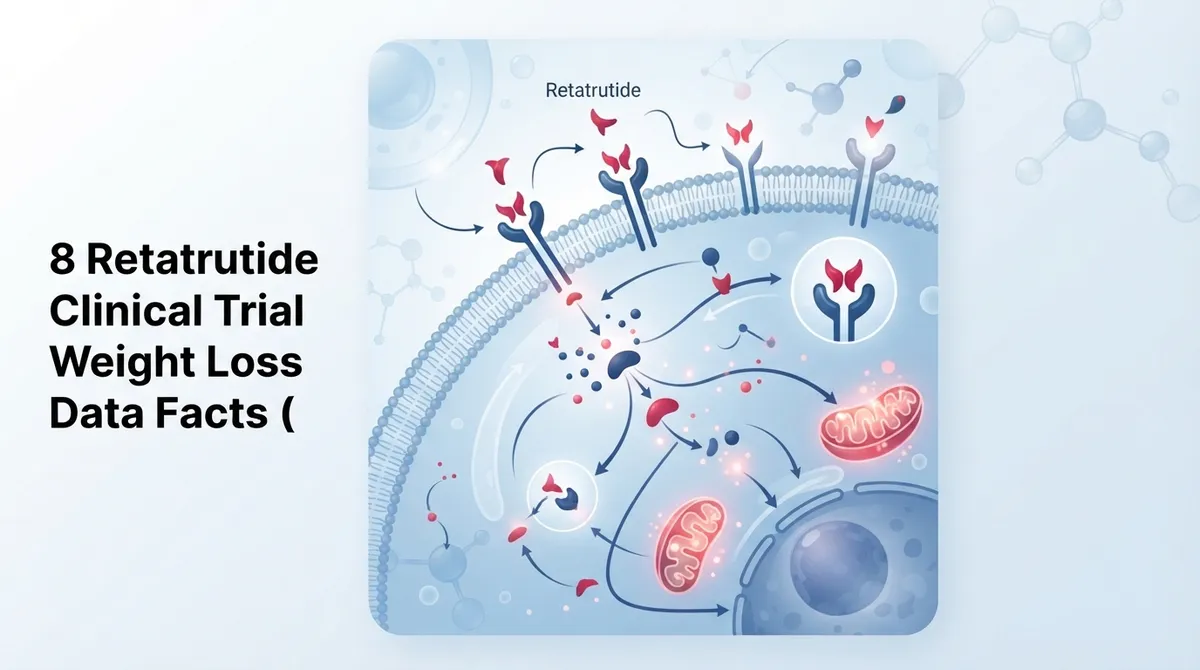
Retatrutide, also known by its research code LY3437943, is an experimental weekly injection. It is being developed by Eli Lilly to treat obesity, weight-related health problems, and type 2 diabetes. Unlike some weight loss drugs that target only one hormone pathway, retatrutide works on three at once: GIP, GLP-1, and glucagon receptors.
This triple-action approach is why researchers call it a triple hormone-receptor agonist. Each of these hormones plays a role in hunger, blood sugar, and how your body burns fat. By activating all three at the same time, retatrutide may help the body use energy more efficiently while also curbing appetite. This is different from older weight loss approaches that focus on diet and exercise alone.
It's important to note that retatrutide is still investigational. It has not yet been approved by the FDA for routine use. Patients interested in medically supervised weight loss programs should talk with a licensed provider about currently approved options while keeping an eye on how this research develops.

2. Phase 2 Trial Results: The First Big Numbers
The first major published data came from a Phase 2 study in 2023, printed in the New England Journal of Medicine. This trial included 338 adults who had obesity or were overweight, plus at least one weight-related health condition. None of the participants had diabetes.
Over 48 weeks, people taking retatrutide lost a significant amount of weight compared to those on placebo. Here is a breakdown of the average weight loss by dose:
|
Retatrutide Dose |
Average Weight Loss at 48 Weeks |
|---|---|
|
1 mg |
Approximately 8.7% |
|
4 mg |
Approximately 17.9% |
|
8 mg |
Approximately 22.1% |
|
12 mg |
Approximately 24.2% |
|
Placebo |
Approximately 2.1% |
These numbers were striking to researchers because weight loss had not leveled off by week 48. This suggests longer treatment might produce even greater results. However, this does not prove long-term safety or what happens after people stop taking the drug.
3. Phase 3 TRIUMPH-1 Results: Even Bigger Numbers
In May 2026, Eli Lilly released topline results from its Phase 3 TRIUMPH-1 trial. This study involved around 2,500 adults with obesity or overweight, plus at least one weight-related health condition, and no diabetes diagnosis. At 80 weeks, the results were even more dramatic than the earlier Phase 2 study.
- Participants taking 4 mg lost an average of 19.0% of their body weight.
- Those on the 9 mg dose lost an average of 25.9%.
- People on the highest 12 mg dose lost an average of 28.3%, compared to just 2.2% with placebo.
- At the 12 mg dose, average weight loss reached about 70.3 pounds over 80 weeks.
- Nearly half of participants, 45.3%, on the 12 mg dose lost at least 30% of their starting body weight.
A separate extension study followed patients with a baseline BMI of 35 or higher who continued the highest dose. These individuals averaged around 30.3% weight loss at 104 weeks. These extension numbers came from a specific group of patients and should not be assumed to apply to everyone. It's also worth remembering these are company-reported figures. Full peer-reviewed publication is still needed before these results can be fully confirmed by outside experts.
4. How Does Retatrutide Compare to Other Weight Loss Treatments?
Many patients ask how retatrutide stacks up against other GLP-1 medications already used in weight management. While direct head-to-head trials are limited, we can compare published results side by side.
|
Treatment |
Mechanism |
Reported Average Weight Loss |
|---|---|---|
|
Retatrutide (Phase 3, 12 mg) |
Triple agonist (GIP, GLP-1, glucagon) |
28.3% at 80 weeks |
|
Semaglutide |
GLP-1 agonist |
Typically 12-15% over similar timeframes |
|
Tirzepatide |
Dual agonist (GIP, GLP-1) |
Typically 15-21% over similar timeframes |
These numbers suggest retatrutide may outperform current GLP-1 based drugs in trial settings. However, real-world results often differ from clinical trial numbers. Trial participants receive close monitoring, structured dose increases, and regular follow-up visits. Everyday patients may face challenges like cost, side effects, or trouble sticking with a plan, which can change actual outcomes.
5. Common Side Effects Seen in Trials
No weight loss drug works without some trade-offs. In both Phase 2 and Phase 3 studies, digestive side effects were the most common complaints. These generally became more frequent at higher doses.
- Nausea, especially during the first few weeks of treatment
- Diarrhea
- Vomiting
- Reduced appetite (which is often the intended effect but can feel uncomfortable)
Doctors managing these treatments typically start patients on a low dose and slowly increase it. This step-by-step approach, called dose escalation, helps the body adjust and may reduce stomach-related side effects. If retatrutide becomes available for general use, providers will likely monitor hydration levels, nutrition, blood sugar, and any other health conditions patients may have.
6. Why Trial Data Doesn't Always Match Real Life/2>6. Why Trial Data Doesn't Always Match Real Life
It's tempting to look at numbers like 28% weight loss and assume everyone will get the same results. But clinical trials operate under tightly controlled conditions that don't always reflect daily life.
Here are a few reasons real-world results may differ:
- Trial participants receive frequent check-ins and support that many patients don't get on their own.
- Dosing schedules in trials are carefully followed, while missed doses happen more often in daily life.
- Cost and insurance coverage can affect whether someone continues treatment long enough to see results.
- Other health conditions and medications can change how a person responds to any weight loss drug.
- Not everyone tolerates the side effects well enough to stay on the highest, most effective dose.
This is exactly why working with a knowledgeable provider matters. A good primary care team helps set realistic expectations and creates a plan built around your specific health history, not just headline numbers from a press release.
7. Is Retatrutide Available for Prescription Right Now?
As of now, retatrutide is not FDA-approved. It remains investigational, meaning it is still being tested and reviewed. Patients should be cautious about any product sold online claiming to be "research" or "compounded" retatrutide. These products may not have verified purity, correct dosing, or legal approval for use.
If you are curious about weight loss medications that are currently approved and available, our team can walk you through evidence-based options during a consultation. We also offer body composition analysis and metabolic breath analysis to help build a full picture of your health before starting any weight management plan.
8. What Should You Ask Your Primary Care Doctor About New Weight Loss Drugs?
New drugs like retatrutide generate a lot of excitement, but it's smart to approach them with informed questions. Here are a few things worth discussing at your next visit:
- Is this treatment approved by the FDA, or is it still in trials?
- What side effects are common, and how are they managed?
- How does this compare to treatments I could start today?
- What lifestyle changes should I pair with any medication?
- How will my provider monitor my progress and health markers?
At InCare, our providers, including Dr. Pramjeet Ahluwalia, Dr. Naveen Paddu, and Dr. Teshy John, stay up to date on emerging treatments so patients get accurate, science-based guidance. We also offer DNA gene testing and IV hydration therapy as part of a broader approach to whole-body wellness.
Understanding the Bigger Picture on Weight Loss Research
The retatrutide clinical trial weight loss data is exciting, but it's still early. Full peer-reviewed publication of the Phase 3 results will help confirm what company reports have shown so far. Until then, patients should treat these numbers as promising but not yet proven for widespread clinical use.
What we do know is that combining any medication with proper medical supervision leads to better, safer outcomes. Our Tampa and Riverview locations offer personalized weight loss programs that use current, approved tools while keeping an eye on new research like this. You can also follow our updates on Facebook and Instagram for the latest health tips, or check out our short videos on Tik Tok.
Many patients in our community have shared their experiences with our team. You can visit us on Google — InCare to read reviews from real patients about their care journey.
Take the Next Step Toward Informed Weight Loss Care
New treatments like retatrutide remind us how fast medical science is moving. But the best weight loss plan is one built specifically for you, using proven methods and honest guidance. Our team at InCare is ready to help you understand your options, review your health history, and create a plan that fits your life.
Ready to talk with a provider about medically supervised weight loss? Book Your Appointment Today and take the first step toward a healthier you. If you have questions before scheduling, feel free to reach out to our team directly.
FAQs
Q: What is retatrutide and how does it work for weight loss?
A: Retatrutide is an investigational weekly injection that activates three hormone receptors: GIP, GLP-1, and glucagon. This triple-action approach may help control appetite and improve how the body uses energy, leading to significant weight loss in clinical trials.
Q: How much weight loss did retatrutide produce in clinical trials?
A: In Phase 2 trials, patients on the highest dose lost about 24.2% of body weight at 48 weeks. Phase 3 TRIUMPH-1 topline data showed up to 28.3% weight loss at 80 weeks, with some extension participants reaching 30.3% at 104 weeks.
Q: Is retatrutide FDA approved for weight loss?
A: No, retatrutide is not currently FDA approved. It remains an investigational drug still undergoing clinical trials, and full peer-reviewed publication of recent results is still pending.
Q: How does retatrutide compare with semaglutide and tirzepatide?
A: Trial data suggests retatrutide may produce greater average weight loss than semaglutide or tirzepatide, though direct head-to-head studies are limited. Semaglutide typically shows 12-15% weight loss, while tirzepatide shows 15-21% in similar trial timeframes.
Q: What side effects were reported in retatrutide clinical trials?
A: The most common side effects were digestive issues, including nausea, diarrhea, and vomiting. These effects generally increased with higher doses, which is why gradual dose escalation is used in trial protocols.