Key Takeaways
- Distinguish between wellness checkups and sick visits when scheduling to ensure the appointment matches your actual needs and prevents disappointment with missed screenings or unfocused care.
- Prepare a written list of current medications, supplements, allergies, and prioritized health concerns before arriving to save time and help your provider make safer, more accurate decisions.
- Be honest about symptoms, lifestyle habits, family history, and mental health during check-in and throughout the visit, as holding back information prevents your provider from giving personalized, accurate care.
- Ask about preventive care options like age-appropriate cancer screenings, vaccine updates, and blood work during your visit to catch potential issues before they become serious problems.
- Leave with a clear follow-up plan by asking your provider about recommended tests, how results will be delivered, referral needs, and when to schedule your next appointment.
- Clarify insurance coverage and billing before your visit by confirming whether your appointment will be billed as preventive or diagnostic to avoid unexpected cost surprises.
Walking into a primary care appointment without a plan is one of the easiest ways to waste your time and your doctor's expertise. Whether you are a busy parent squeezing in a checkup between school drop-off and work, or a young professional finally scheduling that overdue physical, knowing what to expect at your primary care appointment can transform a rushed visit into a genuinely useful one. Many patients leave feeling like they forgot to mention something important or didn't get clear answers.
This guide breaks down the most common mistakes people make before, during, and after a primary care visit. You will learn what actually happens during a typical appointment, how to prepare so nothing gets missed, and what questions deserve your attention. Understanding these steps helps you get more value from every visit, whether it's a same-day illness concern or a full wellness checkup at a clinic like InCare's primary care team in Tampa or Riverview.
Mistake 1: Not Knowing the Difference Between a Checkup and a Sick Visit
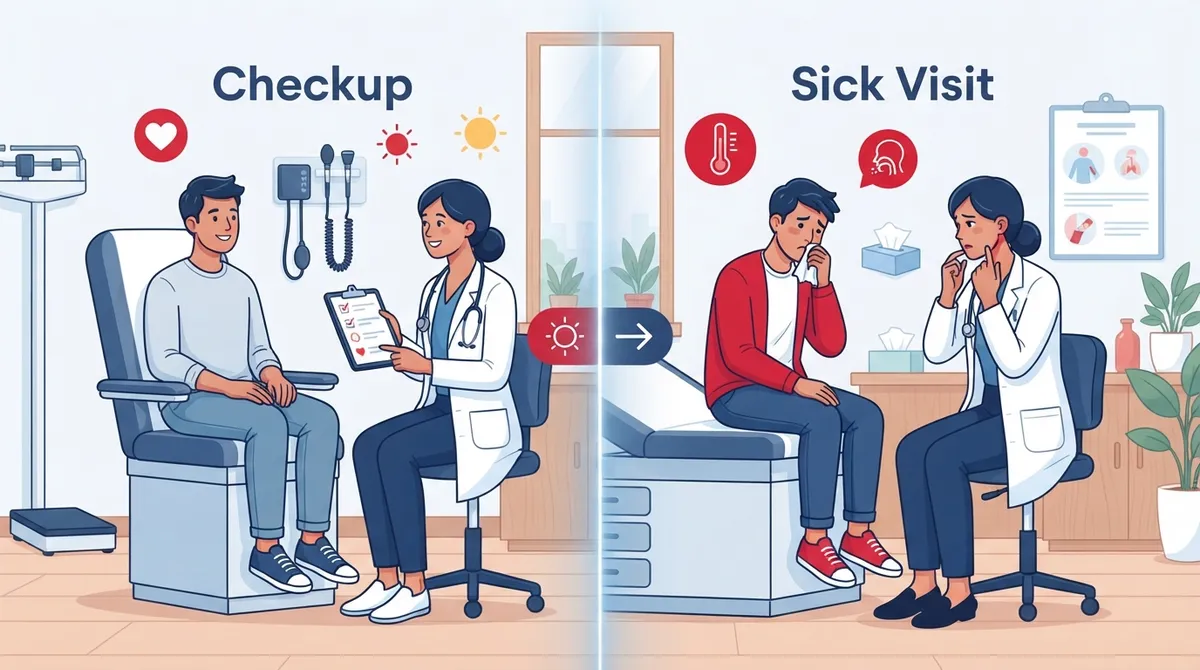
One of the biggest points of confusion is thinking every primary care appointment looks the same. A routine wellness checkup is different from a visit for a specific illness or symptom. A checkup usually focuses on prevention, screenings, and your overall health trends over time.
An acute or sick visit, on the other hand, zeroes in on a current problem, like a cough, rash, or stomach pain. Mixing up these visit types can leave you disappointed. If you show up expecting a full physical during a quick sick visit, you may not get the broader screenings you wanted. Clarify the purpose when you schedule so the appointment matches your needs.

Mistake 2: Arriving Without Your Medication and Symptom List
Patients often assume they will remember every detail once they sit down with the doctor. In reality, stress and time pressure make it easy to forget key facts. Not bringing an updated list is a common misstep that limits what your provider can do for you.
Before your visit, prepare the following:
- A full list of prescription medications, over-the-counter drugs, and supplements you take
- Any known allergies, including reactions to medications or foods
- Recent care from other doctors, specialists, or urgent care visits
- A short, prioritized list of symptoms or concerns you want to discuss
- Insurance card and photo identification
Having this information ready saves time and helps your provider make safer, more accurate decisions. It also reduces the chance of a medication interaction being missed.
Mistake 3: Skipping the Check-In and History Review
Some patients treat check-in as a formality to rush through. In truth, this step sets the stage for your entire appointment. During check-in, staff will typically review your medical history, current medications, and reason for the visit.
You will likely have vital signs checked, including blood pressure, pulse, weight, and sometimes temperature or oxygen levels. These numbers give your provider a baseline understanding of your health before you even see them. Skipping details here, or rushing through questions, means your provider starts the visit with incomplete information.
Mistake 4: Not Being Honest About Symptoms or Habits
It can feel uncomfortable to talk about certain symptoms, habits, or lifestyle choices. But holding back information is one of the most damaging mistakes you can make. Your provider needs the full picture to give you accurate advice.
Be ready to discuss things like:
- When your symptoms started and how they have changed
- Your family health history, especially chronic conditions
- Diet, exercise, sleep habits, and stress levels
- Tobacco, alcohol, or recreational substance use
- Mental health concerns, even if they feel unrelated to your visit
Doctors are trained to discuss these topics without judgment. Being open leads to better, more personalized care, whether you are managing a chronic condition or exploring preventive options like cancer screening services.
Mistake 5: Assuming Every Visit Includes the Same Physical Exam
Another common misunderstanding is expecting a full head-to-toe exam every time you visit. The truth is, the physical exam depends heavily on why you are there. A sore throat visit may only involve checking your throat, ears, and lymph nodes.
A comprehensive wellness visit, however, may include a broader exam along with recommendations for screenings, vaccines, or lab work based on your age and risk factors. The table below shows how exam focus can shift depending on visit type.
|
Visit Type |
Typical Focus |
Possible Additions |
|---|---|---|
|
Acute/Sick Visit |
Specific symptom area (throat, ears, stomach, skin) |
Rapid tests, prescriptions, follow-up plan |
|
Annual Wellness Visit |
Overall health review, vitals, risk factors |
Screenings, vaccines, lab work, counseling |
|
New Patient Visit |
Full history intake, baseline exam |
Body composition analysis, DNA testing discussion |
|
Chronic Condition Follow-Up |
Management of ongoing issue (diabetes, hypertension) |
Medication review, lab monitoring |
Knowing this ahead of time helps you set realistic expectations and ask for what you actually need, such as a broader exam if it has been a while since your last one.
Mistake 6: Forgetting to Ask About Preventive Care Options
Preventive care is one of the most valuable parts of primary care, yet it's often overlooked because patients focus only on their immediate complaint. Depending on your age, health history, and risk factors, your provider may recommend screenings, vaccines, or lifestyle counseling you didn't know you needed.
Consider asking about these preventive topics during your next visit:
- Age-appropriate cancer screenings
- Vaccine updates, including flu and other seasonal options
- Blood work for cholesterol, blood sugar, or thyroid function
- Weight management support, including structured weight loss programs
- Advanced options like DNA gene testing or body composition analysis for a deeper look at your health
Preventive care conversations often uncover issues before they become serious. Bringing this up yourself ensures it doesn't get skipped due to time constraints.
Mistake 7: Leaving Without a Clear Follow-Up Plan
Many patients walk out of an appointment unsure of what happens next. This is a costly mistake because it can delay treatment or cause confusion about test results. Before you leave, make sure you understand the plan going forward.
Ask your provider these questions before you leave the room:
- What tests or treatments are being recommended, and why?
- How and when will I receive my results?
- Do I need a referral to a specialist?
- What symptoms should prompt me to call the office sooner?
- When should I schedule my next appointment?
Getting clear answers to these questions prevents the frustrating experience of waiting weeks for results with no idea what to expect. It also helps you stay on track with any treatment plan, including managing chronic illnesses through coordinated primary care.
Mistake 8: Ignoring Cost and Insurance Questions Until It's Too Late
Cost surprises are a common source of frustration after a primary care visit. Coverage and charges can vary depending on the purpose of your visit and the services provided. A wellness checkup may be billed differently than a visit that turns into problem-focused care.
To avoid unexpected bills, ask the front desk about your insurance coverage before your appointment. Confirm whether the visit will be billed as preventive or diagnostic, especially if you are addressing multiple concerns. Clinics with transparent staff, like the team who patients praise on Google — InCare, can walk you through this before you're billed.
How to Prepare for Your Next Primary Care Appointment
Preparation is the single best way to avoid all eight of these mistakes. A few minutes of planning before your visit can make the appointment far more productive for both you and your provider.
Here is a simple pre-visit checklist:
- Write down your top three concerns in order of importance
- List all medications and supplements, including dosages
- Bring or request access to recent lab results or records from other providers
- Note any changes in symptoms, sleep, weight, or mood since your last visit
- Call ahead if you need fasting instructions, interpretation services, or accessibility accommodations
This kind of preparation is especially useful for young families managing multiple health needs at once, or for anyone establishing care for the first time with a new provider.
Why Choosing the Right Primary Care Team Matters
The quality of your primary care appointment depends heavily on the clinic and provider you choose. A rushed, impersonal visit rarely gives you the thorough attention needed for whole-body health. Working with a team that blends medical expertise with modern technology, like advanced metabolic breath analysis or IV hydration therapy, can make preventive care feel more personalized and proactive.
Patients across Tampa and Riverview have shared their experiences on Facebook and Instagram, often highlighting how a coordinated, tech-forward approach to primary care makes a real difference in long-term wellness. According to the National Library of Medicine's health checkup guidance, regular checkups tailored to your risk factors remain one of the most effective ways to catch problems early.
Making Your Appointment Work for You
Knowing what to expect at a primary care appointment removes much of the anxiety and guesswork from the process. When you understand the difference between visit types, come prepared with your history and questions, and know what follow-up steps to expect, you get far more value from every minute with your provider.
Avoiding these eight common mistakes helps you build a stronger relationship with your care team over time. This is especially important if you are managing a chronic condition, exploring wellness services, or simply trying to stay ahead of future health issues through smart preventive care.
If you're ready to experience a primary care visit built around thorough preparation and personalized attention, our team of providers at InCare is here to help. You can reach out to our team with any questions, or go ahead and schedule your appointment today at one of our Tampa or Riverview locations.
FAQs
Q: What happens during a typical primary care appointment?
A: A typical visit includes check-in, a review of your medical history and medications, and measurements like blood pressure and weight. Your provider will then discuss your symptoms or health goals, perform an exam suited to your visit type, and outline a follow-up plan.
Q: What should I bring to my primary care appointment?
A: Bring a list of current medications and supplements, your insurance card, photo identification, and any recent test results from other providers. It also helps to write down your top health concerns beforehand so nothing gets forgotten.
Q: Do I need to fast before a primary care appointment or blood test?
A: Fasting requirements depend on which tests are ordered, so it's best to call the office ahead of time. If your visit includes bloodwork like cholesterol or glucose testing, your provider may ask you to avoid food for several hours beforehand.
Q: What is the difference between a wellness visit and an appointment for a health problem?
A: A wellness visit focuses on prevention, screenings, and overall health trends, while a problem-focused visit addresses a specific symptom or concern. Knowing which type you are scheduling helps set the right expectations for what will be covered.
Q: How long does a primary care appointment usually take?
A: Appointment length varies based on the reason for the visit and the practice's scheduling approach. Wellness checkups and new patient visits tend to take longer than a quick follow-up for a single symptom.