
Key Takeaways
- Ozempic (semaglutide) mimics the GLP-1 gut hormone to reduce appetite and help you feel full sooner, lowering calorie intake over time rather than directly burning fat.
- Ozempic is FDA-approved for type 2 diabetes, not weight management; Wegovy is the semaglutide product labeled for chronic weight loss, so ask which product fits your diagnosis.
- Trial averages (about 14.9% weight loss in a 68-week Wegovy study) are group results, not promises; dose, time on treatment, and daily habits shape individual outcomes.
- Eating less can cost lean muscle, so discuss protein intake and resistance training with your care team, and never stop or change your dose without medical guidance, since weight often returns.
Many people ask how does Ozempic cause weight loss, and the answer matters more than the hype. Ozempic (semaglutide) works inside the body's appetite and blood-sugar systems. It does not melt fat on its own. When patients misunderstand how it works, they often make choices that slow progress or raise risk.
In 2026, interest in GLP-1 medications remains high across Tampa and Riverview. Busy parents, tech-savvy professionals, and wellness-minded adults all want clear answers. They want to know what the drug does, who it is meant for, and how to avoid common missteps.
This guide explains the science in plain language. It then walks through eight mistakes that can stall results. Along the way, you will see how primary care support, lab monitoring, and lifestyle coaching fit into a safe plan. Always remember that this article is educational and does not replace advice from your own clinician.
How Does Ozempic Cause Weight Loss?
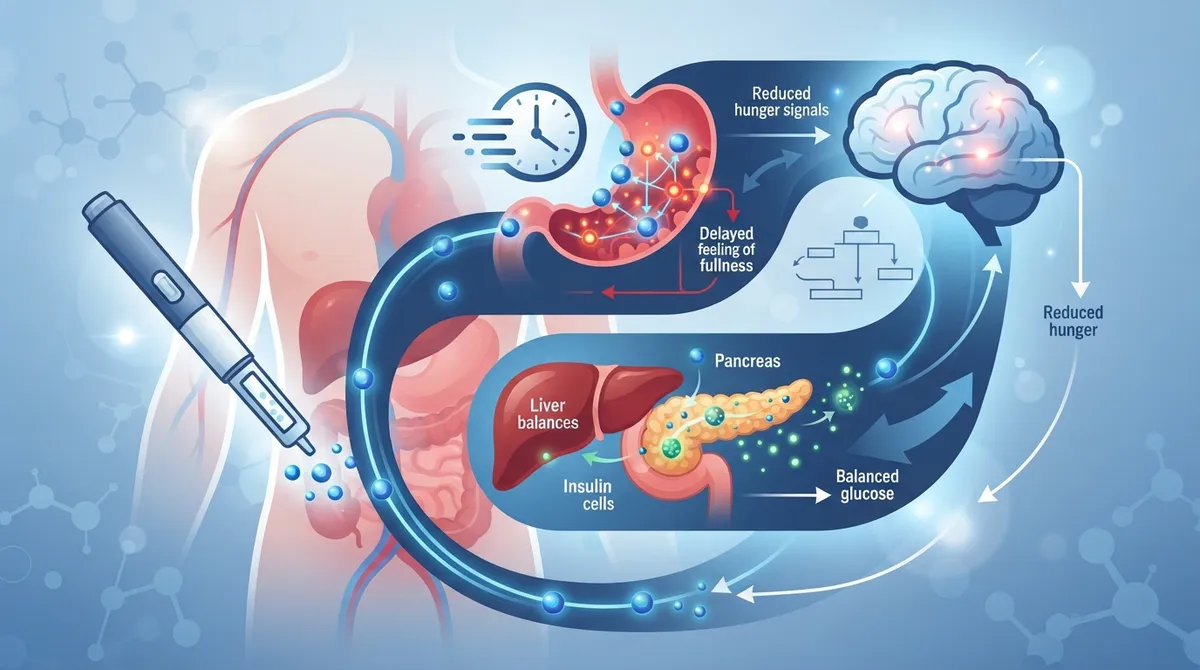
Ozempic contains semaglutide, a glucagon-like peptide-1 (GLP-1) receptor agonist. It copies a natural gut hormone that helps control appetite and blood glucose. That single action leads to several effects that can reduce body weight over time.
It Acts on Appetite Pathways
Semaglutide works on appetite-regulating pathways in the body. Many people feel less hungry. They also feel full sooner or stay full longer after eating. As a result, they often eat less without constant effort, and fewer calories over weeks and months can lead to weight loss.
It Slows Early Stomach Emptying
The FDA label for Ozempic states that semaglutide reduces body weight and delays early post-meal stomach emptying. This slower emptying helps lower blood sugar spikes after meals. It may also add to the feeling of fullness, although appetite regulation plays a major role in the weight effect.
It Supports Blood Sugar Control
Semaglutide also helps the body release insulin when glucose is high. That is why Ozempic is approved for adults with type 2 diabetes. Weight loss is a recognized effect, but it is not the labeled purpose of Ozempic.
Ozempic vs. Wegovy: Know the Difference
Ozempic and Wegovy share the same active ingredient, semaglutide. Their approved uses differ, and so do their dosing schedules. This is one of the biggest sources of confusion in clinics today.
|
Feature |
Ozempic |
Wegovy |
|---|---|---|
|
Active ingredient |
Semaglutide |
Semaglutide |
|
FDA-approved focus |
Type 2 diabetes in adults |
Chronic weight management |
|
Weight loss labeled use |
No |
Yes, with diet and activity |
|
Typical eligibility |
Adults with type 2 diabetes |
BMI 30 or higher, or 27 or higher with a related condition |
Because the products, doses, and patient groups differ, trial results from one product should not be promised to users of another. Your clinician can explain which option fits your health history. For a deeper look at the drug itself, see this guide on what semaglutide is and how GLP-1 therapy works.
8 Mistakes That Stall Ozempic Weight Loss
Understanding the mechanism helps you avoid errors. These eight mistakes come up often in primary care and wellness settings.
1. Treating Ozempic as a Standalone Fix
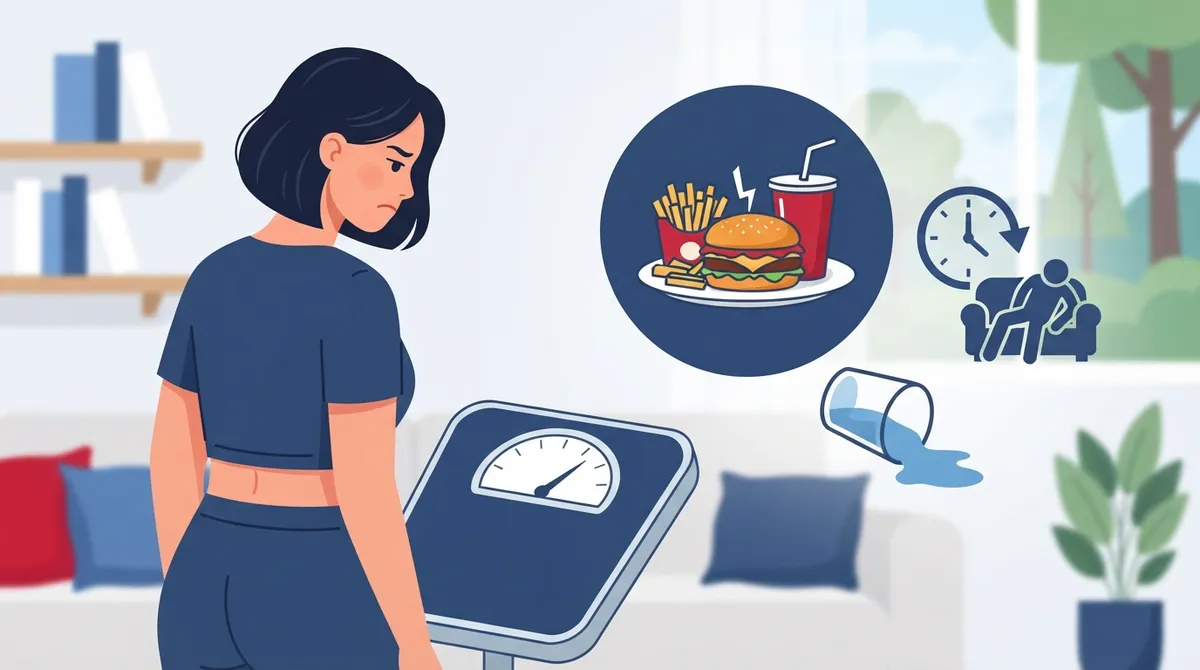
Medication is one part of chronic weight care. Obesity is a long-term, multifactorial condition. Results are strongest when treatment includes nutrition, movement, behavioral support, and follow-up. Patients who skip the lifestyle pieces often see weaker progress.
2. Assuming Ozempic Is Approved for Weight Loss
Ozempic is labeled for type 2 diabetes, not chronic weight management. Wegovy is the semaglutide product approved for that purpose. Ask your clinician which product matches your diagnosis and goals. A good medical weight loss clinic will walk you through that choice.
3. Expecting the Same Results as Trial Averages
In a 68-week Wegovy trial of adults without type 2 diabetes, average weight change was about 14.9% with the drug versus 2.4% with placebo. In adults with type 2 diabetes, the average was about 9.6% versus 3.4%. These are group averages, not promises. Your dose, time on treatment, and daily habits all shape your outcome.
4. Ignoring Side Effects Until They Get Severe
Common side effects include nausea, vomiting, diarrhea, constipation, and abdominal discomfort. Mild symptoms often ease with time. Do not wait if they worsen. Report them early so your clinician can adjust your plan. Learn more in this article on managing semaglutide's gastrointestinal side effects.
5. Skipping Protein and Strength Training
Eating less can also mean losing lean muscle. Muscle supports metabolism, balance, and long-term health. Patients should talk with their care team about protein intake and resistance exercise. Tools like body composition analysis can show whether weight loss is coming from fat or muscle.
6. Changing or Stopping Without Medical Guidance
Never change your dose or quit on your own. Weight often returns after treatment ends, especially without habit changes. If you plan to stop, discuss a transition plan first. This helps you protect the progress you have made. You can read more about what happens to weight after semaglutide stops.
7. Skipping Labs, Screenings, and Follow-Up
Semaglutide is not right for everyone. Your clinician must review your medical history, other medicines, and treatment goals. Regular visits allow for blood pressure checks, lab work, and dose review. Staying connected to primary care keeps the whole picture in view.
8. Using Unverified Sources or Shortcuts
Some online sellers offer cheap or compounded products with little oversight. This creates real safety risks. Work with a licensed clinic that can prescribe, monitor, and support you. Price matters, so it helps to review what weight loss injections cost in 2026 before you commit.
Who May Be a Good Candidate?
Eligibility depends on the product and your health. For Wegovy, the FDA label describes adults with an initial BMI of at least 30, or at least 27 with one or more weight-related conditions. Treatment goes alongside a reduced-calorie diet and more physical activity. For Ozempic, the labeled group is adults with type 2 diabetes.
Your care team will also consider other factors. These include your medical history, current medications, and personal goals. Shared decision-making is key. No single approach fits every patient.
What a Safe Semaglutide Plan Looks Like
A strong plan goes beyond a prescription. It treats weight as a chronic condition and builds support around you. Many patients benefit from the following steps.
- Start with a full health review. Your clinician checks history, labs, and current medicines.
- Set realistic goals. Focus on health markers, not just the scale.
- Begin treatment under supervision. Dose changes happen gradually and with guidance.
- Add nutrition and movement support. Small, steady habits matter most.
- Schedule regular follow-up. Monitor progress, side effects, and long-term plans.
Technology can strengthen this process. Tools such as metabolic breath analysis help show how your body uses energy. This lets your clinician tailor advice to your metabolism instead of guessing.
Why Primary Care Support Matters
Weight management touches blood pressure, blood sugar, sleep, mood, and more. A primary care team can watch all of these at once. That is a major advantage over taking medication in isolation.
At InCare, patients in Tampa and Riverview can combine primary care, weight loss programs, and advanced wellness testing in one place. The team focuses on prevention and whole-body optimization, and it builds plans around each person's needs. If you want to explore options, review the clinic's weight loss services or read about semaglutide care in Tampa.
Patients often tell us they value having one team they trust. You can see what others say by choosing to visit us on Google — InCare. You can also follow health tips on Instagram, Facebook, and TikTok.
Final Thoughts
So, how does Ozempic cause weight loss? It activates GLP-1 receptors, reduces hunger, helps you feel full, and slows early stomach emptying. These effects can lower calorie intake over time. Yet the drug works best as one piece of a larger plan.
Avoid the eight mistakes above, and you give yourself a better chance at safe, lasting progress. Work with a clinician who will monitor you, adjust your plan, and support healthy habits for the long run.
Ready to talk about a plan that fits your health? Book your visit with InCare today, or contact our team with any questions.
FAQs
Q: How does Ozempic reduce appetite and food intake?
A: Ozempic contains semaglutide, which mimics a gut hormone called GLP-1. It acts on appetite-regulating pathways, so many people feel less hungry and fuller sooner or for longer. This can lower calorie intake and lead to weight loss over time.
Q: Is Ozempic FDA-approved for weight loss?
A: No. Ozempic is FDA-approved for adults with type 2 diabetes, not for chronic weight management. Wegovy is the semaglutide product approved for weight management, used with a reduced-calorie diet and increased physical activity.
Q: Does Ozempic slow stomach emptying?
A: Yes. The FDA label states that semaglutide delays early post-meal stomach emptying. This helps with blood sugar after meals and may add to the feeling of fullness.
Q: What are the common side effects of Ozempic?
A: Common side effects include nausea, vomiting, diarrhea, constipation, and abdominal discomfort. Your clinician should review your history and medications before prescribing. Report any severe or lasting symptoms promptly.
Q: What happens to weight after stopping semaglutide?
A: Weight often returns after treatment ends, especially without lasting lifestyle changes. Do not stop or change your dose without speaking to your clinician. A planned transition with ongoing support helps protect your progress.