
Key Takeaways
- MOTS-c lacks FDA approval and human clinical evidence for treating mitochondrial disease; current trials only study prediabetes and obesity, not inherited mitochondrial disorders.
- Online MOTS-c products come from unregulated sources with unknown purity, dosing accuracy, and sterility—patients should involve a licensed clinician before considering any peptide therapy.
- Most MOTS-c research comes from cell and animal studies, not humans; a modified analog (CB4211) cannot prove safety or efficacy of unmodified MOTS-c for serious conditions.
- Primary care providers can coordinate specialist referrals, monitor drug interactions, support gene testing, and help patients distinguish between marketing hype and evidence-based treatments.
Mitochondrial disease can leave patients searching for answers online, especially when energy and metabolism keep breaking down despite standard treatment. One name that keeps appearing in wellness forums and peptide clinics is MOTS-c, a small protein made inside your cells' mitochondria. If you or a loved one has been researching mots-c for mitochondrial disease, you deserve clear, honest facts before making any decisions.
At InCare, our primary care team believes patients should understand the difference between promising lab research and proven medical treatment. This article breaks down what science actually shows about MOTS-c, why it is not an approved therapy for mitochondrial disease, and how our providers in Tampa and Riverview can help you build a safe, informed care plan. Whether you are a busy parent managing a child's rare condition or an adult exploring wellness options, here are eight facts you need to know.
1. What MOTS-c Actually Is
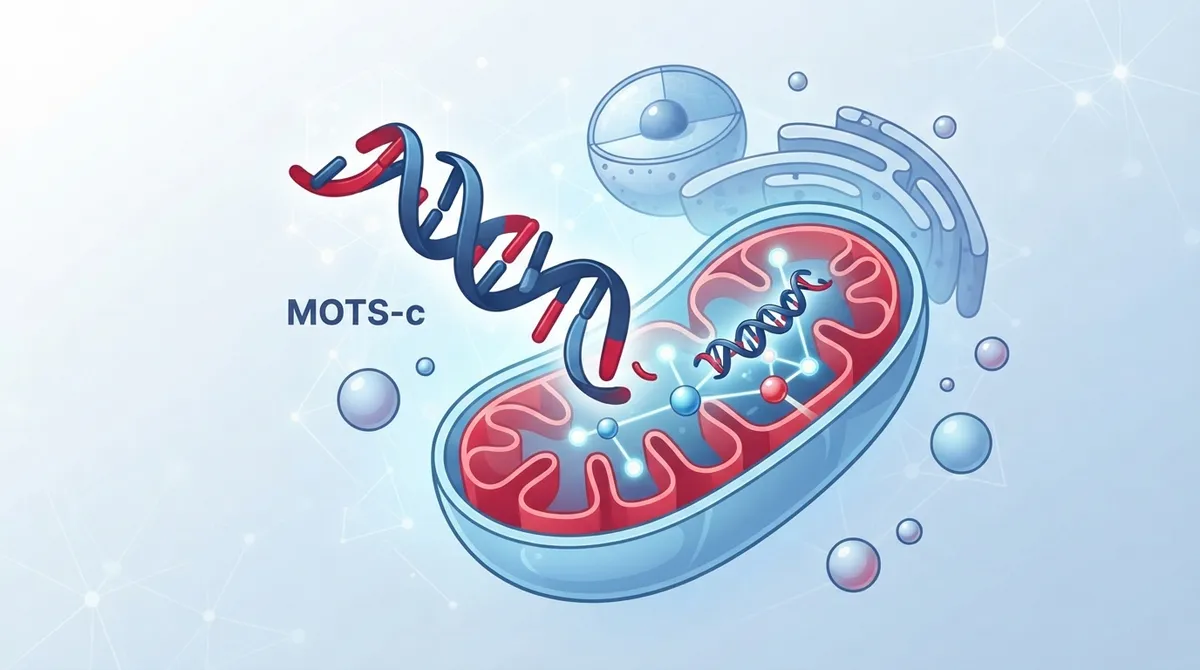
MOTS-c stands for mitochondrial open reading frame of the 12S rRNA type-c. That is a mouthful, so think of it simply as a tiny protein made by your mitochondria. It contains just 16 amino acids and is naturally produced in tissues like skeletal muscle. Your body already makes this peptide on its own, and researchers first identified it because it seemed to play a role in how cells manage energy.

2. The Lab Research Behind the Hype
Most of what scientists know about MOTS-c comes from studies in cells and animals, not humans with disease. These early studies suggest MOTS-c may interact with a pathway called AMPK, which helps regulate energy use, blood sugar, and how your body responds to exercise. This is interesting science, but it does not mean the same effects happen the same way in a person with a diagnosed mitochondrial disorder.
- MOTS-c has been studied in relation to insulin sensitivity in animal models
- Some research links it to how cells adapt during physical stress or exercise
- Oxidative stress response is another area of preclinical interest
- None of these findings have been confirmed as safe or effective treatments for humans with mitochondrial cytopathies
3. Why Mitochondrial Disease Is Too Complex for a Simple Fix
Mitochondrial disease is not one condition. It is a wide group of genetic disorders that affect how cells produce energy. Symptoms can range from muscle weakness to seizures to organ failure, depending on which genes are affected. Because these conditions vary so much, a peptide that shows promise for general metabolism in a lab mouse cannot be assumed to help a person with a specific inherited mitochondrial mutation. Our Dr. Naveen Paddu and our broader care team emphasize this distinction whenever patients bring up experimental peptides during visits.
4. What Human Studies Actually Measured
Some human research has looked at natural MOTS-c levels already circulating in the blood. Scientists compared these levels to factors like inflammation, metabolic health, and aging. This kind of observational data can be useful for understanding biology. However, it does not prove that injecting extra MOTS-c into a patient's body would help. Correlation is not the same as cause and effect, and no completed randomized trial has shown that administering MOTS-c improves outcomes for people with mitochondrial disease.
5. Current Clinical Trials Are Not About Mitochondrial Disease
There is a registered Phase 2a study, listed as NCT07505745, currently enrolling about 120 adults with prediabetes and overweight or obesity. This trial is measuring insulin sensitivity and safety over several months, with an estimated primary completion around February 2027. It is a legitimate, well-designed study, but it has nothing to do with treating inherited mitochondrial disorders. Patients should not assume that positive results from this trial would translate to disease-specific benefits.
|
Study or Compound |
Population Studied |
Purpose |
Relevance to Mitochondrial Disease |
|---|---|---|---|
|
NCT07505745 (MOTS-c) |
~120 adults, prediabetes/obesity |
Insulin sensitivity, safety |
Not designed for mitochondrial disease |
|
CB4211 (MOTS-c analog) |
~88 participants, healthy and fatty liver disease |
Early safety and tolerability |
Cannot be assumed to apply to unmodified MOTS-c |
|
Observational biomarker studies |
Various adult cohorts |
Measure natural MOTS-c levels |
Association only, not proof of treatment benefit |
6. A Related Analog Does Not Equal Proof for MOTS-c
A modified version of MOTS-c, called CB4211, has gone through an early Phase 1a/1b study involving roughly 88 healthy volunteers and people with fatty liver disease. This is a different molecule than natural MOTS-c. Results from an analog study cannot be used to claim that unmodified MOTS-c is safe or effective, especially for something as serious as mitochondrial disease. Reviews from sources like the Alzheimer's Drug Discovery Foundation make this distinction clear when summarizing the current evidence.
7. MOTS-c Is Not FDA-Approved, and That Matters
MOTS-c has no approval from the FDA as a treatment, supplement, or standard therapy for mitochondrial disease, fatigue, or metabolic conditions. Products sold online as "injectable MOTS-c" often come from unregulated sources. This raises real concerns about identity, purity, dosing accuracy, and sterility. Buying peptides from an unverified source carries risk, especially for patients who already have a serious underlying condition. If you have questions about peptide safety, our team welcomes an honest conversation during your next annual wellness visit.
Common Red Flags When Researching Peptide Products
- No third-party lab testing or certificate of analysis available
- Vague sourcing claims or unclear manufacturing location
- Marketing language that promises a cure for a specific disease
- Pricing that seems too low for a legitimate compounded product
- No licensed clinician involved in dosing or monitoring
8. What Primary Care Can Do for Mitochondrial Disease Patients
Even though MOTS-c is not a proven treatment, primary care still plays a critical role for patients living with mitochondrial disease. A knowledgeable primary care team can help coordinate specialist referrals, monitor overall health, and support day-to-day symptom management. Here are the steps our providers typically follow:
- Review any peptides or supplements you may already be using, without judgment
- Document specific products, doses, and how long you have used them
- Assess for side effects, drug interactions, or unusual lab results
- Coordinate DNA gene testing when a genetic cause is suspected but not yet confirmed
- Refer patients to a neurologist, metabolic specialist, or a recognized mitochondrial disease center
- Support whole-body wellness through nutrition, hydration, and fatigue management strategies
Our clinics also offer services like IV hydration and vitamin drips and metabolic breath analysis, which can support overall energy and metabolic function as part of a broader care plan. These services are not a treatment for mitochondrial disease itself, but they can complement care recommended by your specialist.
How InCare Approaches Peptide Questions Responsibly
Patients often come to us after reading about peptides like MOTS-c on social media or in online forums. Our Dr. Pramjeet Ahluwalia and Dr. Teshy John take a straightforward approach: we listen first, then explain what the current evidence actually shows. If you are exploring peptide therapy in Tampa, our team can walk you through which options have real clinical support and which remain experimental.
We also understand that patients want to feel proactive about their health. That is why we emphasize services with a track record, such as cancer screening, body composition analysis, and comprehensive lab work. These tools give you real data about your health today, rather than relying on unproven claims. You can also follow our updates and patient education content on Facebook and Instagram for practical wellness tips grounded in current science.
Questions to Ask Before Considering Any Peptide Therapy
Before starting any peptide, including MOTS-c, patients with mitochondrial disease should ask their care team several key questions. Bringing these questions to your Riverview primary care visit can help you make an informed, safe decision.
- Has this peptide been tested in people with my specific type of mitochondrial disease?
- What does the manufacturer's safety and purity data actually show?
- Could this interact with medications I already take for my condition?
- Is there a specialist center actively studying this option for my diagnosis?
- What monitoring would be needed if I decided to try it anyway?
These questions help separate legitimate medical decision-making from marketing hype. A licensed clinician should always be part of this conversation, not an online seller with no medical oversight.
Moving Forward with Confidence
Living with mitochondrial disease is challenging enough without confusing or misleading health claims. MOTS-c remains an interesting area of scientific research, but it is not a proven treatment for mitochondrial disease in humans. The most current studies focus on prediabetes and metabolic health, not inherited mitochondrial disorders. Patients deserve care built on real evidence, careful monitoring, and honest conversations about what is known and unknown.
If you want a primary care partner who takes your questions seriously and connects you with the right specialists, our Tampa and Riverview locations are ready to help. You can see what real patients say about our approach by visiting our InCare location on Google, where our 4.8-star rating reflects years of attentive, evidence-based care. Many patients also share their experiences on Tik Tok, where we post educational content about wellness trends and what the science really says.
Ready to talk through your options with a provider who listens? Reach out to our care team today, or schedule your visit online now to start building a care plan grounded in real medical evidence.
FAQs
Q: Can MOTS-c treat mitochondrial disease in humans?
A: No, there is currently no clinical evidence that MOTS-c treats, slows, or reverses diagnosed mitochondrial disease in humans. Most research comes from cell and animal studies, and the few human trials focus on metabolic conditions like prediabetes, not inherited mitochondrial disorders.
Q: Is MOTS-c FDA-approved for mitochondrial disease or fatigue?
A: MOTS-c is not FDA-approved as a treatment, supplement, or standard therapy for mitochondrial disease or fatigue. It remains an investigational compound, and products sold online may lack proper regulatory oversight, purity testing, or accurate dosing information.
Q: Is MOTS-c safe to inject or use as a supplement?
A: Safety has not been fully established for unmodified MOTS-c in humans, and products marketed online may have uncertain identity, purity, and sterility. Patients considering any peptide should discuss it with a licensed primary care provider first to review risks and interactions.
Q: Are there clinical trials studying MOTS-c in people with mitochondrial disorders?
A: No completed randomized trial has evaluated MOTS-c specifically for mitochondrial disease. The current registered study, NCT07505745, is examining MOTS-c in adults with prediabetes and obesity, not patients with inherited mitochondrial conditions.
Q: What should patients with mitochondrial disease ask their primary care clinician before considering MOTS-c?
A: Patients should ask whether the peptide has been studied in their specific condition, what safety data exists, and whether it could interact with current medications. A primary care clinician can also help coordinate referrals to neurologists or metabolic specialists for proper disease-specific guidance.