Key Takeaways
- KP-10 lacks FDA approval and long-term safety data; small human studies show good short-term tolerability but no research exists on chronic use, pregnancy safety, or pediatric applications.
- Self-injection at home carries significant risk due to unverified product purity, inconsistent dosing, lack of medical supervision, and inability to monitor vital signs or adverse reactions in real time.
- Common short-term side effects include headache, nausea, dizziness, flushing, and injection-site irritation; hormone level changes (LH, FSH, testosterone, estradiol) are expected but long-term effects remain unknown.
- Licensed primary care providers offer safer alternatives including hormone testing, evidence-based fertility evaluation, and medically supervised treatment programs with ongoing monitoring instead of unregulated online peptides.
KP-10, also called kisspeptin-10, has become a hot topic in wellness circles. Some online sellers claim it can boost fertility, libido, or hormone balance. Before you consider any peptide like this, you need real facts about how well it is tolerated in humans. This matters more than ever in 2026, as more people search for peptide therapies without medical guidance.
At InCare, our primary care and wellness teams in Tampa and Riverview believe patients deserve clear, honest information. This article breaks down what research actually shows about KP-10 tolerability, where the evidence falls short, and why self-treatment carries real risk. Whether you are curious about hormone health, fertility support, or general wellness optimization, understanding these facts protects your safety.
What Is KP-10 and Why Does It Matter for Your Hormones
KP-10 stands for kisspeptin-10. It is a small piece of a naturally occurring peptide called kisspeptin. This peptide activates a receptor called KISS1R. Once activated, it triggers your hypothalamus to release GnRH, a hormone that controls LH and FSH production.
These hormones drive reproductive function in both men and women. That is why researchers have studied KP-10 for fertility, low testosterone, and sexual health concerns. However, KP-10 is not an approved treatment for any of these conditions. It remains an investigational compound studied mostly in small clinical settings.
How KP-10 Differs From Everyday Wellness Treatments
Unlike vitamin drips or standard primary care treatments, KP-10 directly changes your reproductive hormone signals. This is not like taking a multivitamin or getting an IV hydration and vitamin drip. It works on a sensitive hormonal pathway that controls fertility, menstrual cycles, and testosterone levels.
8 Key Facts About KP-10 Tolerability You Should Know
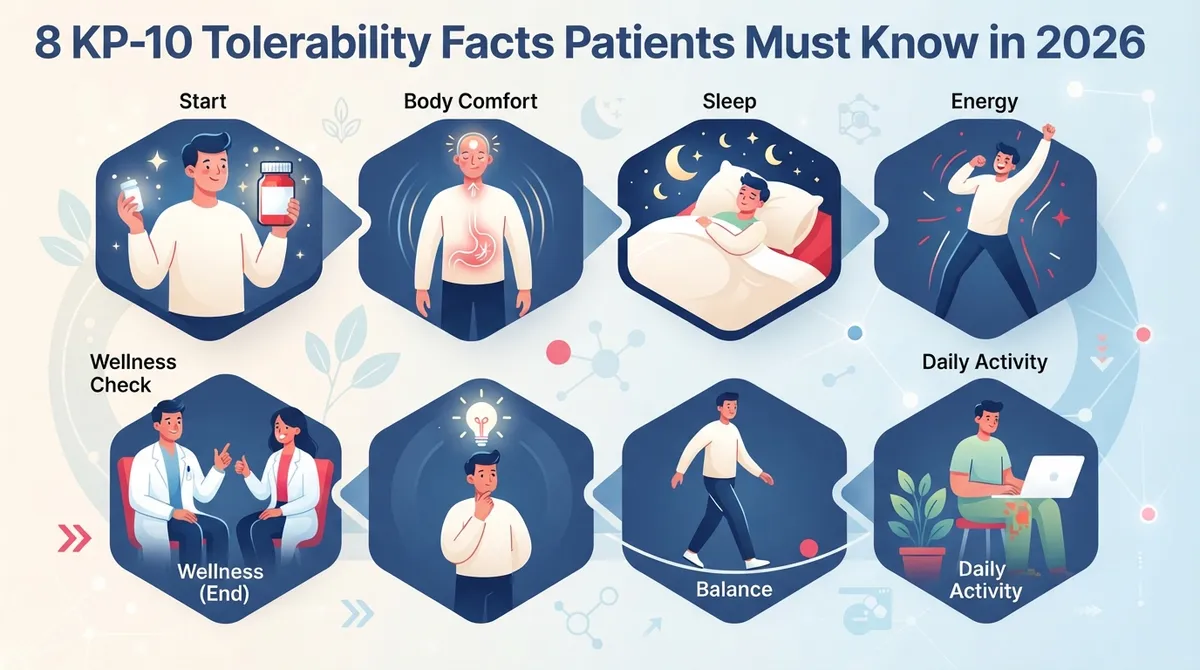
Below are the most important facts drawn from current research and regulatory review materials. These points help separate marketing claims from actual clinical evidence.
- Short-term studies show generally good tolerability. Small human trials have not reported serious adverse events tied directly to KP-10 use.
- Sample sizes remain very small. Most studies include only a handful of participants, which limits how much we can trust the results.
- Dosing methods vary widely. Researchers have used intravenous bolus, infusion, and subcutaneous injection, so there is no single standard safe dose.
- Common short-term reactions include headache and nausea. Dizziness, flushing, and injection-site irritation have also been reported.
- Hormone shifts are expected but not fully understood long-term. KP-10 can change LH, FSH, testosterone, and estradiol levels.
- No long-term safety data exists. There is no research on chronic use, pregnancy safety, or pediatric use.
- Online products lack verified quality. Many are labeled "research use only" with unverified purity or sterility.
- Adverse-event reporting has been inconsistent. Different studies tracked side effects differently, making comparisons difficult.
What the Research Actually Shows
The FDA Pharmacy Compounding Advisory Committee reviewed KP-10 human studies for its October 2024 meeting. That review found no serious adverse events reported across the small studies examined. However, committee materials also noted that short follow-up periods and small sample sizes limit these findings.
Landmark Studies Worth Understanding
A first-in-human study published by George and colleagues in 2011 gave healthy male volunteers intravenous KP-10. Researchers found dose-dependent increases in LH during a 22.5-hour infusion. Vital signs and lab results showed no major safety concerns during that window.
A separate study published in JAMA Network Open in 2022 looked at kisspeptin in people with hypoactive sexual desire disorder. That study reported good tolerability and no significant cardiovascular effects. Still, the study group was too small to detect rare or long-term risks.
Comparing KP-10 Research Findings
|
Study or Source |
Population |
Key Tolerability Finding |
|---|---|---|
|
George et al., 2011 |
Healthy male volunteers |
Dose-dependent LH increase; no major safety signals during infusion |
|
JAMA Network Open, 2022 |
People with hypoactive sexual desire disorder |
Good tolerability; no significant cardiovascular effects |
|
FDA Advisory Committee, 2024 |
Multiple small human studies |
No serious adverse events reported; evidence still limited |
Potential Side Effects and Reactions to Watch For
Even though serious adverse events have not been reported, short-term reactions are possible. Knowing these can help you recognize a problem early if you are part of a supervised research study.
- Headache or mild dizziness after administration
- Nausea or stomach discomfort
- Flushing or warmth in the face and neck
- Lightheadedness, especially after intravenous doses
- Redness or irritation at an injection site
- Changes in menstrual timing or ovulation signals
Most of these reactions have been described as mild and temporary. But remember, this data comes from small studies with limited monitoring periods. There is no reliable population-level rate for these side effects.
Why Self-Injection at Home Is Risky
Some online sellers market KP-10 as a research chemical. These products often carry warnings that they are not for human use. Yet many buyers still attempt self-injection at home.
Quality Control Concerns
Purity, sterility, and actual concentration can vary widely between suppliers. A product labeled as KP-10 may not match its label. Storage conditions can also degrade the peptide before it ever reaches you.
Missing Medical Supervision
In clinical studies, trained staff monitor vital signs, draw blood, and watch for reactions in real time. At home, none of that safety net exists. This is a major difference between supervised research and unsupervised self-treatment.
If you are curious about hormone health, the safer path is a conversation with a licensed provider. Our InCare providers can review your symptoms, order proper testing, and discuss evidence-based options.
Who Should Avoid KP-10 Entirely
Certain groups face higher risk from any hormone-active peptide. A thorough medical history should always come before considering an investigational compound.
- People who are pregnant or could become pregnant
- Those who are breastfeeding
- Patients with known reproductive disorders
- Anyone with hormone-sensitive conditions, including certain cancers
- People experiencing unexplained abnormal bleeding
- Patients with pituitary or hypothalamic disease
- Anyone with unstable cardiovascular symptoms
If you fall into any of these categories, speak with a primary care provider before pursuing peptide-based wellness trends. A proper evaluation through an annual wellness visit can help identify safer paths forward.
How Primary Care Supports Safer Hormone Health
Instead of relying on unverified online products, primary care offers a structured path. Your provider can order lab work, check your hormone levels, and discuss proven treatment options for fertility, low testosterone, or menstrual irregularities.
Evidence-Based Alternatives Worth Discussing
Depending on your specific concern, your provider may discuss options such as:
- Standard fertility evaluation and treatment pathways
- Hormone testing through DNA gene testing and lab panels
- Testosterone or hormone therapy programs when clinically appropriate
- Body composition and metabolic assessments to guide treatment
- Weight management support through medically supervised weight loss programs
These paths carry a stronger safety record than unregulated peptides purchased online. They also come with ongoing monitoring, something KP-10 self-treatment cannot offer.
What to Expect During a Hormone Health Consultation
If you want to explore hormone-related concerns safely, a visit with a primary care provider typically follows these steps:
- Discussion of your symptoms, medical history, and goals
- Physical exam and review of any current medications
- Blood work to check relevant hormone levels
- Review of results and discussion of proven treatment options
- A personalized plan with follow-up monitoring
This structured approach gives you answers grounded in your actual health data, not marketing claims from an unregulated seller.
Staying Informed Without Falling for Hype
Wellness trends move fast on social media. Claims about KP-10 tolerability, fertility benefits, or libido effects often spread before solid evidence exists. You can follow trusted health updates and see real patient experiences through our Facebook page, our Instagram account, or our wellness tips on Tik Tok. These channels share practical, medically grounded information rather than unverified trends.
You can also see how other patients describe their experience with our Tampa and Riverview teams by visiting InCare on Google. Many reviews mention the clear communication and thorough care patients receive during hormone and wellness consultations.
Bringing It All Together
KP-10 tolerability research shows some encouraging short-term results in small, supervised clinical settings. But that data does not translate into proven safety for self-use or long-term wellness treatment. The gap between research tolerability and real-world safety is significant, especially given the unregulated nature of online peptide sales.
If you have questions about fertility, hormone balance, or general wellness optimization, a licensed provider can guide you toward safer, evidence-based solutions. Our teams in Tampa and Riverview offer thorough evaluations backed by lab testing and ongoing support. Ready to talk through your options with a trusted provider? Schedule Your Appointment Today or reach out to our care team with any questions about hormone health and wellness services.
FAQs
Q: What is KP-10, and is it the same as kisspeptin-10?
A: Yes, KP-10 is short for kisspeptin-10, a small fragment of the kisspeptin peptide that activates hormone signals involved in reproduction. It is not an approved medication and remains an investigational compound studied in small clinical trials.
Q: Is kisspeptin-10 FDA-approved for human use?
A: No, kisspeptin-10 is not FDA-approved for treating infertility, low testosterone, menopause, or any other condition. It has only been studied in small, controlled research settings.
Q: How well tolerated is KP-10 in human clinical studies?
A: Small studies have reported generally good short-term tolerability with no serious adverse events attributed to KP-10. However, these studies involved few participants and short follow-up periods, so long-term safety remains unknown.
Q: Is it safe to inject KP-10 at home or buy it from an online peptide seller?
A: No, self-injection at home is not recommended. Online products often lack verified purity, sterility, and accurate dosing, and there is no medical monitoring to catch adverse reactions.
Q: Who should avoid kisspeptin-10, including people who are pregnant or have hormone-sensitive conditions?
A: People who are pregnant, breastfeeding, or living with hormone-sensitive conditions, reproductive disorders, or pituitary disease should avoid KP-10. Anyone considering hormone-related treatment should first consult a primary care provider for proper evaluation.