Key Takeaways
- Avoid aggressive scrubbing and harsh exfoliation; use gentle washcloths and mild exfoliating tools instead, as rough scrubbing increases redness and irritation.
- Apply keratolytic ingredients like urea, lactic acid, or salicylic acid daily after showering while skin is damp, followed by fragrance-free moisturizer, and expect results within 6-8 weeks.
- Inflammatory KP requires ongoing maintenance treatment—it has no permanent cure and symptoms return once treatment stops, similar to daily dental hygiene.
- Seek professional evaluation if bumps are painful, rapidly changing, show scarring, or fail to improve after 8-12 weeks of consistent skincare, as some cases need specialist guidance.
Rough, red bumps on your arms or thighs can feel frustrating, especially when lotions and scrubs don't seem to help. Many people search for "KP-10 inflammatory skin" hoping to understand a common condition called inflammatory keratosis pilaris, often shortened to KP. This skin issue affects a surprising number of people, yet many treat it the wrong way for years without knowing why nothing works.
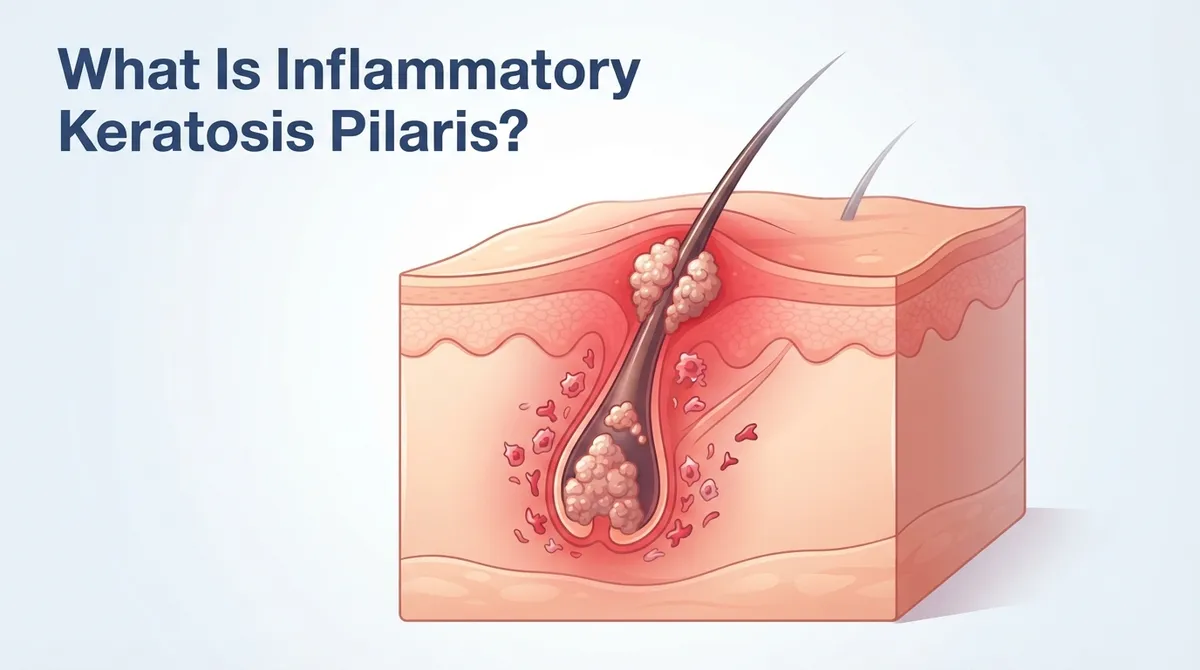
Keratosis pilaris happens when keratin builds up and blocks hair follicles. This creates small, rough bumps. When those bumps turn red or irritated, doctors call it inflammatory KP. Studies suggest it affects about 50% of children and roughly 40% of adults, though many people never mention it to a doctor. Understanding the right steps can save you time, money, and unnecessary skin irritation. This guide walks through eight common mistakes people make with inflammatory KP and explains what actually helps, based on current dermatology research and primary care guidance from providers like InCare.
What Is Inflammatory Keratosis Pilaris?
Inflammatory keratosis pilaris is a variant of a common follicular skin condition. Regular KP causes small, rough bumps. The inflammatory type adds redness around each bump. This happens when the plugged follicle becomes irritated.
The condition usually shows up on the outer upper arms, thighs, buttocks, and cheeks. A more visibly red form called keratosis pilaris rubra often appears on the face. It is not contagious and is not caused by poor hygiene. It is simply a common skin pattern that many people live with for years.
Who Gets Inflammatory KP?
Keratosis pilaris does not favor one gender or race, though its visibility may vary by skin tone. Common patterns include:
- Teenagers, with an estimated 50-70% experiencing some form of KP
- Adults, with about 40% affected at some point
- People with dry skin or a history of eczema
- Those with a family history of the condition
- People who live in dry or cold climates
A 1994 study published in the British Journal of Dermatology found that 92% of KP patients had involvement on the arms, 59% on the legs, and 41% on the face. About half reported symptoms starting before age 10.
8 Mistakes to Avoid With Inflammatory KP
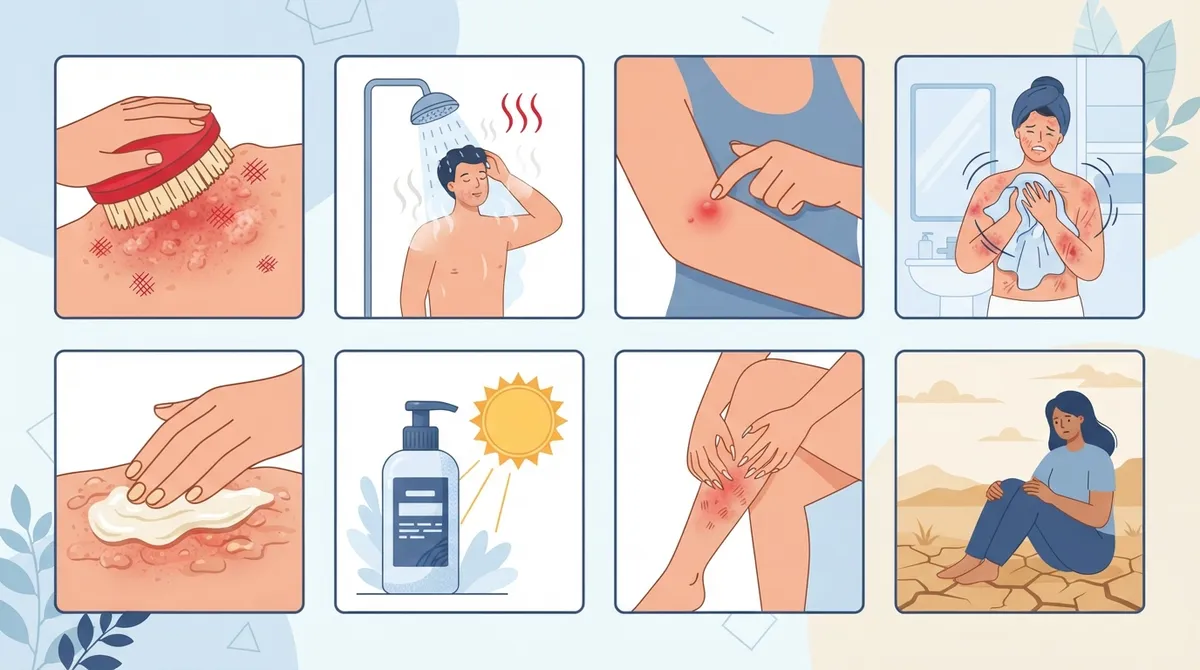
Many people unknowingly make their KP worse. Here are the most common mistakes and how to fix them.
1. Scrubbing Too Hard
Aggressive exfoliation feels productive, but it often backfires. Harsh scrubbing irritates the skin further and increases redness. Gentle care works better than force. Use soft washcloths or mild exfoliating tools instead of rough loofahs or stiff brushes.
2. Skipping Daily Moisturizer
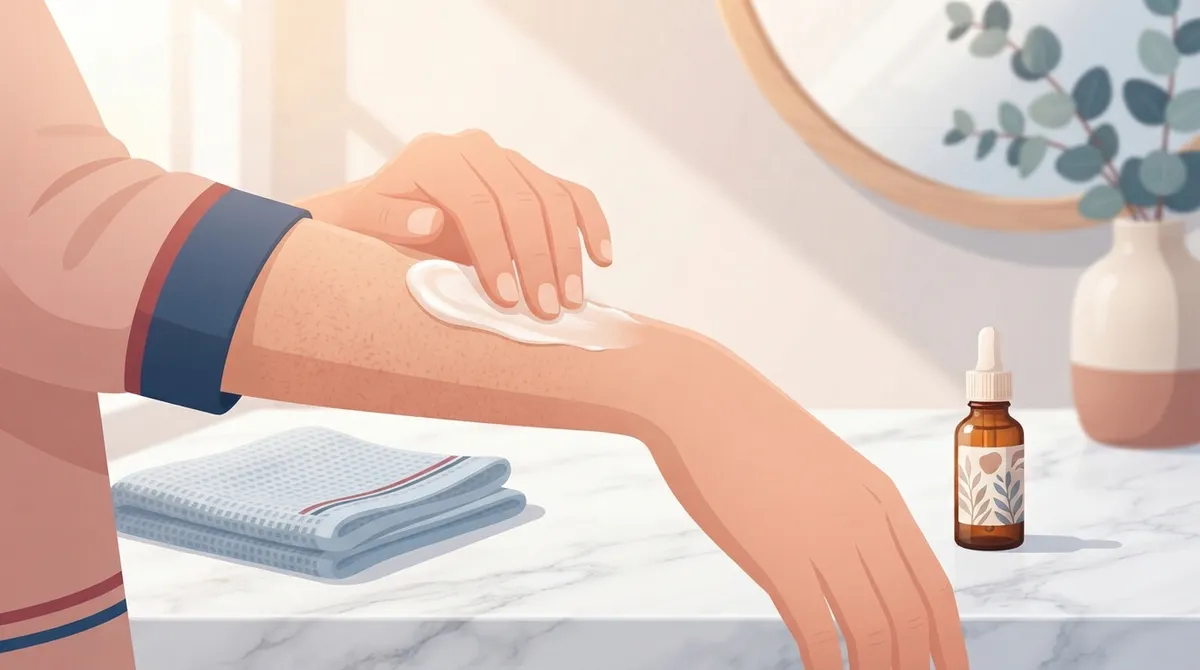
Dry skin makes KP look and feel worse. Skipping moisturizer, even for a day, can undo weeks of progress. Apply a fragrance-free moisturizer right after showering, while skin is still slightly damp. This locks in hydration and softens rough patches.
3. Using the Wrong Ingredients
Not every lotion helps with KP. Some ingredients work far better than others. The table below compares common options.
|
Ingredient |
What It Does |
Best For |
|---|---|---|
|
Urea |
Softens rough, thickened skin |
Moderate to severe bumps |
|
Lactic Acid / Ammonium Lactate |
Gently dissolves keratin buildup |
Daily maintenance |
|
Salicylic Acid |
Clears clogged follicles |
Widespread rough patches |
|
Topical Retinoids |
Speeds up skin cell turnover |
Stubborn cases needing supervision |
Introduce new products slowly, especially for children or sensitive skin. Stinging or irritation can occur at first.
4. Picking or Popping Bumps
It's tempting to pick at rough bumps, but this almost always increases inflammation. Picking can also lead to scarring or dark marks that last much longer than the original bump. If bumps bother you visually, a gentle topical routine works far better than physical picking.
5. Expecting Overnight Results
KP does not clear up in a few days. Most treatment studies measure results over weeks or months, not days. Give any new routine at least six to eight weeks before deciding if it works. Set realistic expectations to avoid giving up too soon.
6. Ignoring Long-Term Maintenance
Keratosis pilaris often returns once treatment stops. This is one of the most overlooked facts about the condition. Ongoing care, not a one-time fix, keeps skin smooth. Think of it like brushing your teeth. It's a routine, not a cure.
7. Overusing Steroid Creams
Topical corticosteroids can calm severe redness for short periods. However, prolonged or unsupervised use can thin the skin and cause other problems. These creams should only be used under a clinician's guidance for a limited time, not as a daily long-term solution.
8. Waiting Too Long to Seek Professional Advice
Many people assume KP always stays mild and never needs medical attention. That's not always true. A visit to primary care can clarify what you're dealing with and rule out other skin conditions.
When to See a Primary Care Provider or Dermatologist
Most cases of inflammatory KP are harmless and can be managed at home. However, certain signs mean it's time to get checked out. Consider scheduling a visit if you notice:
- Bumps that are painful or filled with pus
- Rapid changes in the appearance of your skin
- Signs of scarring
- Emotional distress related to the appearance of your skin
- No improvement after a consistent 8-12 week skincare routine
- Uncertainty about whether it's actually KP or something else
A clinician can usually diagnose KP just by looking at it. Lab tests or biopsies are rarely needed unless something looks unusual. The team at InCare providers can help determine the right next step, whether that means a simple skincare adjustment or a referral to a specialist.
Building a Simple Daily Routine
Consistency matters more than intensity when treating inflammatory KP. Try following these steps each day:
- Use lukewarm water instead of hot water when bathing
- Apply a gentle, fragrance-free cleanser
- Pat skin dry instead of rubbing
- Apply a keratolytic product like lactic acid or urea
- Follow with a thick, fragrance-free moisturizer
- Protect skin from excessive sun exposure
Small, steady habits often outperform expensive treatments used inconsistently.
Treatment Options Compared
Understanding your options can help you make informed choices with your care provider.
|
Treatment |
Pros |
Cons |
|---|---|---|
|
Moisturizers and Keratolytics |
Low risk, first-line option |
Requires daily use, slow results |
|
Topical Retinoids |
Can improve stubborn cases |
May irritate skin, needs supervision |
|
Short-Course Steroids |
Reduces visible redness quickly |
Not for long-term use |
|
Laser Treatment |
Helps persistent redness |
Not first-line, added cost |
There is currently no single, universally accepted scoring system for measuring KP severity, according to a 2023 review of the condition. This means treatment plans are often personalized based on how the skin responds over time.
Why Whole-Body Wellness Matters for Skin Health
Skin conditions like inflammatory KP are often connected to broader health patterns, including hydration, nutrition, and hormone balance. A comprehensive approach to wellness can support better skin outcomes over time. Services such as IV hydration and vitamin drips may support overall skin hydration, while DNA gene testing can offer insight into your unique skin and health predispositions.
Patients at InCare's Tampa and Riverview locations often appreciate having primary care, dermatology guidance, and wellness services available under one roof. This kind of coordinated approach can make it easier to address stubborn skin concerns while also supporting long-term health goals. You can read about real patient experiences and visit us on Google — InCare to see reviews from the community.
Frequently Overlooked Facts About Inflammatory KP
A few additional facts can help set realistic expectations:
- KP has no known cure, only management strategies
- Seasonal changes, especially winter dryness, often worsen symptoms
- Friction from tight clothing can aggravate affected areas
- Associated conditions like atopic dermatitis may increase severity
- Most people see gradual, not dramatic, improvement
For more general guidance on skin and wellness topics, resources from the American Academy of Dermatology and the National Center for Biotechnology Information offer additional peer-reviewed information worth reviewing alongside advice from your provider.
Taking the Next Step for Healthier Skin
Inflammatory KP is common, manageable, and rarely a sign of anything serious. Still, avoiding these eight mistakes can make a real difference in how your skin looks and feels. A personalized plan, built with guidance from a trusted primary care location, often produces better and faster results than trial and error alone.
If rough, red bumps have been bothering you, now is a good time to get real answers. You can follow along with skin and wellness tips on Instagram, Facebook, or TikTok for more helpful content. When you're ready to talk to a provider about your skin concerns, you can book your appointment today and take the next step toward clearer, healthier skin.
FAQs
Q: What is inflammatory keratosis pilaris and how is it different from ordinary KP?
A: Inflammatory keratosis pilaris is a variant of standard KP that includes visible redness around each bump. Ordinary KP causes rough texture without much color change, while the inflammatory form adds perifollicular irritation. Both are benign and share the same underlying cause: keratin buildup blocking hair follicles.
Q: Is keratosis pilaris contagious or caused by an infection?
A: No, keratosis pilaris is not contagious and is not caused by bacteria, viruses, or poor hygiene. It results from a buildup of keratin protein that plugs hair follicles. It simply reflects how an individual's skin naturally sheds and processes this protein.
Q: Which moisturizer or exfoliating ingredient works best for keratosis pilaris?
A: Urea, lactic acid or ammonium lactate, and salicylic acid are commonly recommended keratolytic ingredients. These help soften and clear the keratin plugs causing the bumps. It's best to introduce new products gradually to avoid irritation, especially for sensitive or younger skin.
Q: Can keratosis pilaris be permanently cured, or does it require maintenance treatment?
A: There is currently no permanent cure for keratosis pilaris. Most people need ongoing maintenance, since symptoms often return once treatment stops. Consistent daily care with moisturizers and gentle exfoliants tends to produce the best long-term results.
Q: When should someone with inflamed keratosis pilaris see a primary care clinician or dermatologist?
A: Seek professional evaluation if bumps become painful, pustular, or rapidly change in appearance. A visit is also wise if home treatment shows no improvement after several weeks or if the diagnosis feels uncertain. A primary care provider can confirm the diagnosis and refer you to a dermatologist if needed.