Key Takeaways
- GHK-Cu topical products vary widely in concentration (0.05% to 3%), so always check for specific percentages on labels and avoid vague terms like 'copper peptide complex' to ensure you know what you're actually using.
- Injectable GHK-Cu doses cited online (1-2mg) are not FDA-approved medical standards but rather compounding pharmacy practices, and self-injection without medical supervision carries contamination and immune response risks.
- Topical GHK-Cu has stronger scientific evidence for skin repair and collagen support, while injectable claims lack rigorous clinical research backing, making topical application the more evidence-supported option.
- GHK-Cu contains copper, which can accumulate in your body; the upper tolerable copper intake is 10mg daily, so get baseline copper and liver testing before use, especially if you have Wilson disease or liver conditions.
- Always perform a 24-48 hour patch test on your inner arm before using topical GHK-Cu products on your face to catch sensitivities early, as reactions include redness, itching, and contact dermatitis.
- Higher GHK-Cu concentrations don't automatically mean better results and may increase irritation risk; start low, monitor your skin's response, use sunscreen, and work with a qualified provider rather than relying on internet forums alone.
Copper peptide skincare has taken over wellness clinics and social media feeds alike, but one question keeps coming up: how much GHK-Cu should you actually use? The answer is more complicated than a simple number. GHK-Cu, or glycyl-L-histidyl-L-lysine copper, is a naturally occurring peptide studied mainly for skin repair and collagen support. Yet many people searching for dosing guidance stumble into confusing claims about injections, percentages, and milligrams that lack solid medical backing.
Whether you are a busy parent curious about skincare ingredients or a wellness-focused professional exploring advanced options, getting the dosing question wrong can mean wasted money or unnecessary health risks. This guide breaks down eight common mistakes people make when trying to figure out how much GHK-Cu to use, whether topically or through other methods. We will also explain why medical guidance matters, especially since copper exposure carries real risks if handled carelessly. If you want personalized advice, the team at InCare in Tampa and Riverview can help you separate fact from marketing hype.
1. Assuming All GHK-Cu Products Use the Same Concentration
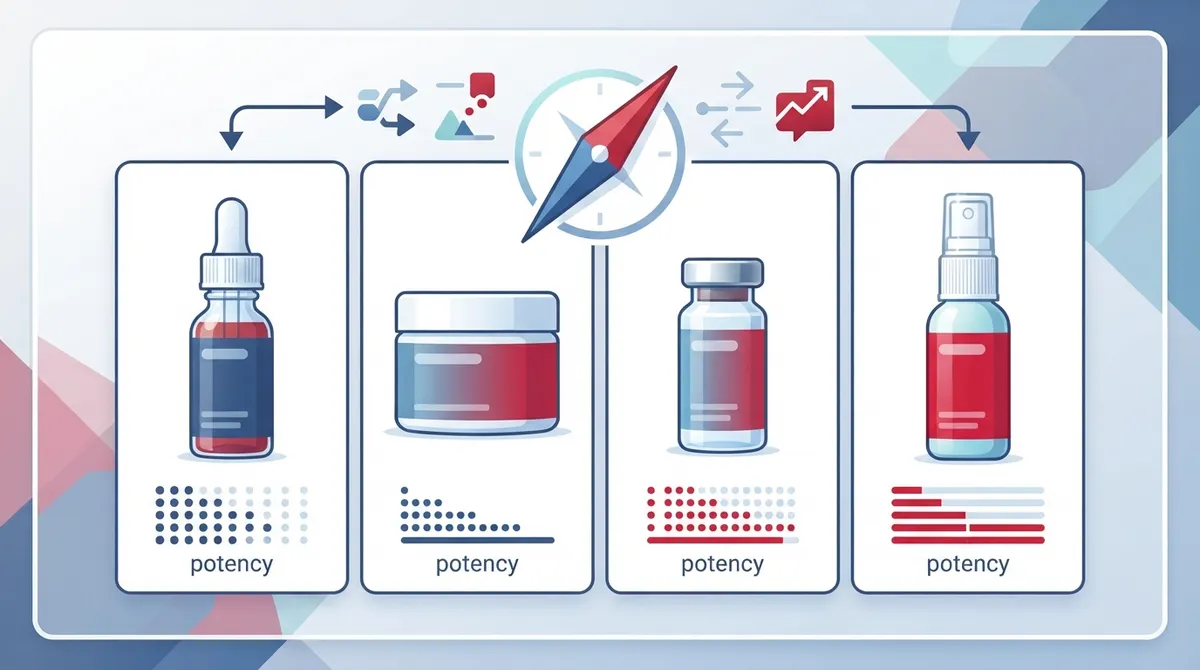
One of the biggest mistakes is thinking every GHK-Cu product on the market contains the same amount of active peptide. Topical products commonly advertise concentrations ranging from roughly 0.05% to 3%, according to available research summaries. Many cosmetic and research formulations tend to cluster between 0.5% and 2%.
The problem is that labels are not always clear. Some products list a broader "copper peptide" blend instead of disclosing an exact GHK-Cu percentage. This makes it hard to compare products fairly or know what you are actually applying to your skin.
- Always check the ingredient list for a specific GHK-Cu percentage.
- Be skeptical of vague terms like "copper peptide complex."
- Look for third-party testing or transparency from the manufacturer.
- Avoid products that refuse to disclose concentration details.

2. Believing Injectable Doses Are Medically Standardized
Many wellness forums cite injectable protocols using approximately 1 to 2 milligrams per administration, often several times a week. This number gets repeated so often that people assume it is an official medical guideline. It is not.
These figures reflect compounding pharmacy practices and clinic habits rather than results from large, peer-reviewed clinical trials. There is no FDA-approved GHK-Cu injectable product, and no authoritative body has established a universal safe dose for systemic use.
Why This Distinction Matters
Confusing common practice with proven safety can lead people to self-inject research-grade peptides without medical supervision. That decision carries risks including contamination, impurities, and unpredictable immune responses.
3. Ignoring the Difference Between Topical and Injectable Evidence
Published human evidence strongly favors topical cosmetic use over injectable applications. Most quality studies focus on skin repair, wound healing, and collagen-related processes when GHK-Cu is applied directly to the skin.
Claims about systemic benefits from subcutaneous GHK-Cu injections remain poorly supported by rigorous clinical research. If you are considering this peptide for general wellness or anti-aging purposes, understand that the science behind topical use is simply more mature.
|
Application Method |
Common Range Cited |
Evidence Quality |
|---|---|---|
|
Topical serum or cream |
0.05% to 3% concentration |
Stronger, dermatologic-focused studies |
|
Injectable (compounded) |
1 to 2 mg per dose (unofficial) |
Limited, mostly short-term or anecdotal |
|
Oral supplements |
Not well established |
Minimal high-quality human data |
4. Overlooking Copper Toxicity Risks
Because GHK-Cu contains copper, it is not something to use without caution. The U.S. adult tolerable upper intake level for total copper is 10 milligrams per day from food and supplements combined, according to the National Academies.
This dietary limit cannot be directly converted into a safe GHK-Cu injection dose, but it highlights an important point: copper exposure adds up quickly. People with Wilson disease, liver conditions, or abnormal ceruloplasmin levels face particular risk and should avoid GHK-Cu without medical evaluation.
- Understand that GHK-Cu is not interchangeable with elemental copper supplements.
- Ask your provider about baseline copper and liver testing before starting any peptide.
- Watch for symptoms of excess copper exposure, including nausea or abdominal discomfort.
- Never combine GHK-Cu with additional copper supplementation without guidance.
5. Skipping a Skin Patch Test Before Full Use
Even topical GHK-Cu products can cause adverse reactions. Potential side effects include redness, itching, stinging, irritation, and contact dermatitis. Skipping a simple patch test is a common and easily avoidable mistake.
Apply a small amount to your inner arm or behind your ear for 24 to 48 hours before using a new product on your face. This step helps you catch sensitivities early, before they affect a larger area of skin.
6. Assuming Higher Concentrations Always Work Better
More is not always better when it comes to active skincare ingredients. Some secondary reviews cite topical study concentrations up to approximately 3%, but this does not prove that higher percentages are automatically safer or more effective.
Higher concentrations may increase the risk of irritation without delivering proportionally better results. Working with a provider familiar with peptide therapy can help you find an appropriate starting point based on your skin type and goals.
- Start with a lower concentration and monitor your skin's response.
- Increase gradually only if no irritation occurs.
- Pair with sunscreen since copper peptides can interact with sun exposure differently than other actives.
- Discontinue use if you notice persistent redness or breakouts.
7. Assuming GHK-Cu Is FDA Approved for Anti-Aging or Wellness
This is one of the most persistent misunderstandings. GHK-Cu is not an FDA-approved medication for anti-aging, hair growth, recovery, inflammation, or general wellness use. Topical cosmetic products may be sold under cosmetic regulations, but that is different from drug approval for injectable or systemic use.
Marketing claims sometimes blur this line intentionally. Before spending money on injectable protocols or high-priced serums, ask direct questions about regulatory status and clinical backing. A trustworthy provider will always be transparent about what is proven versus what is still being studied.
8. Not Considering Professional Guidance Before Starting
Perhaps the biggest mistake is trying to self-diagnose the right GHK-Cu dose using internet forums alone. Retail topical products often cost between $30 and $60 per bottle, while clinic-based injectable programs can cost significantly more depending on formulation, consultation, and monitoring needs. Prices vary widely and are not standardized across providers.
Working with a knowledgeable primary care team can help you avoid wasted money and unnecessary health risks. At InCare's peptide therapy program in Tampa, patients receive guidance grounded in medical evidence rather than social media trends. This approach matters most for people managing chronic conditions or considering combining peptides with other treatments discussed during a wellness visit.
How InCare Approaches Peptide and Wellness Consultations
InCare's Tampa and Riverview locations combine advanced diagnostic tools with personalized care plans. Before recommending any peptide-based approach, providers typically review your health history, run relevant labs, and discuss realistic expectations.
This process often includes reviewing options like DNA gene testing to better understand your individual health profile, or exploring body composition analysis if your goals extend beyond skincare into broader wellness optimization. For patients interested in complementary options, IV hydration and vitamin drips are also available as part of a comprehensive wellness strategy.
Questions to Ask Before Starting Any Peptide Regimen
Bringing a list of questions to your appointment can help you make an informed decision. Consider asking the following:
- What concentration or dose are you recommending, and why?
- What evidence supports this specific protocol?
- Do I need baseline copper, liver, or kidney testing first?
- What side effects should I watch for during treatment?
- How will we track whether the treatment is working?
A provider who welcomes these questions and answers them clearly is more likely to prioritize your safety over quick sales. This is the standard patients can expect from the physicians at InCare, including Dr. Pramjeet Ahluwalia and the broader team of providers across both Florida locations.
Comparing Common GHK-Cu Delivery Methods
Understanding your options side by side can make decision-making easier. Below is a simplified comparison based on currently available research and clinical practice patterns.
|
Factor |
Topical Use |
Injectable Use |
|---|---|---|
|
Regulatory Status |
Sold as cosmetic product |
Not FDA approved |
|
Evidence Strength |
Moderate to strong for skin outcomes |
Limited, mostly short-term data |
|
Common Risks |
Irritation, contact dermatitis |
Injection site reactions, contamination risk |
|
Typical Cost Range |
$30 to $60 per bottle |
Varies widely by clinic |
Staying Informed Through Trusted Sources
Wellness trends move fast, and not every claim you see online holds up under scrutiny. Following credible health organizations and licensed clinics can help you separate solid information from exaggerated marketing. You can also follow InCare's updates and patient education content on Facebook, Instagram, and TikTok for accessible explanations of emerging wellness topics.
Patients consistently share positive experiences about the clarity and honesty they receive during consultations. You can read more patient experiences and visit us on Google — InCare to see what current patients say about their visits to the Tampa and Riverview offices.
Final Thoughts on GHK-Cu Dosing Decisions
Figuring out how much GHK-Cu to use is not as simple as picking a number off a product label or a forum post. Topical concentrations vary widely, injectable protocols lack strong regulatory backing, and copper exposure carries genuine health risks if mismanaged. Making an informed choice means understanding these nuances rather than relying on assumptions.
If you are curious about whether GHK-Cu or other peptide-based options fit your wellness goals, professional guidance makes all the difference. The team at InCare can walk you through the evidence, review your health history, and help you avoid the eight mistakes outlined above. Ready to get personalized answers? Book Now to schedule a consultation, or reach out to our team with any questions about peptide therapy, primary care, or whole-body wellness services in Tampa and Riverview.
FAQs
Q: How much GHK-Cu should I use on my face?
A: Most topical products use concentrations between 0.5% and 2%, though ranges as low as 0.05% or as high as 3% exist. Start with a lower concentration and do a patch test before applying it to your full face.
Q: What percentage of GHK-Cu is effective in a serum or cream?
A: Research and cosmetic formulations commonly cite 0.5% to 2% as a frequently used range for skin-focused benefits. However, product labels should be checked carefully since some list broader copper peptide blends instead of an exact GHK-Cu percentage.
Q: How many milligrams of injectable GHK-Cu are commonly used?
A: Some compounding pharmacies and clinics reference 1 to 2 milligrams per administration, but this is not an FDA-approved or scientifically established dosing standard. Self-injection without medical supervision is not recommended.
Q: Is GHK-Cu FDA approved for injections or anti-aging treatment?
A: No, GHK-Cu is not FDA approved as a prescription medication for anti-aging, wellness, or injectable use. Topical cosmetic products are sold under different regulatory standards than approved drugs.
Q: Can GHK-Cu raise copper levels or cause copper toxicity?
A: Because GHK-Cu contains copper, repeated or excessive use could contribute to elevated copper exposure, particularly in people with liver disease or Wilson disease. Anyone considering regular use should discuss baseline copper and liver testing with a qualified provider first.