Key Takeaways
- GHK-Cu is a naturally occurring copper peptide discovered in 1973 that naturally declines with age; topical application in serums and skincare products has the strongest evidence base, while injectable forms lack robust clinical approval.
- Most research supporting GHK-Cu comes from lab and animal studies rather than large-scale human trials, so claims about dramatic anti-aging benefits should be viewed cautiously and discussed with healthcare providers.
- GHK-Cu is generally well-tolerated topically but people with copper sensitivities, active skin infections, or those pregnant/breastfeeding should consult a doctor before use.
- GHK-Cu works differently than retinol—it supports tissue repair and provides antioxidant benefits while being gentler on skin, but retinol has a longer clinical track record for wrinkle reduction.
In 1973, a scientist noticed something strange while studying old and young liver tissue in a lab. That small observation led to one of the most studied copper peptides in modern skincare and wellness. The GHK-Cu discovery has since shaped how doctors and skincare experts think about skin repair, aging, and recovery. If you have ever wondered why certain serums or wellness treatments mention copper peptides, this discovery is the reason.
At InCare, we believe patients deserve clear, honest information about the science behind popular wellness trends. This article breaks down the real history of GHK-Cu, what research actually shows, and how it fits into modern skin and wellness care. Whether you are a wellness-focused professional or simply curious about anti-aging science, understanding this discovery can help you make smarter choices for your skin and health. Our primary care team often fields questions about peptides like this one during wellness visits.
1. The Accidental Discovery That Started It All
GHK-Cu was first identified in 1973 by researcher Loren Pickart. He was studying blood plasma from older and younger adults. Pickart noticed that older liver tissue, when exposed to younger plasma, began to act more like younger tissue. This led him to isolate the tripeptide responsible: glycyl-L-histidyl-L-lysine, later found to bind naturally with copper.
This small copper-binding peptide turned out to have a big effect on cell activity. It became known as GHK-Cu, and decades of research have since expanded on Pickart's original findings.
2. What Exactly Is GHK-Cu?
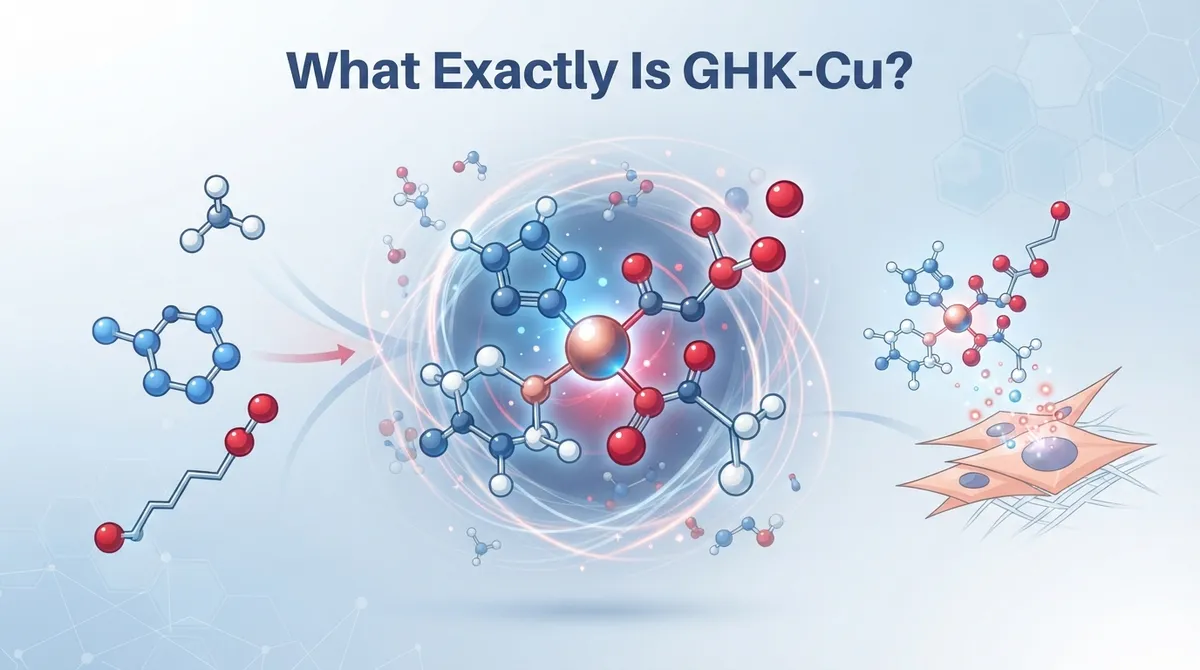
GHK-Cu is a naturally occurring tripeptide made of three amino acids: glycine, histidine, and lysine, bound to a copper ion. It exists naturally in human plasma, saliva, and urine. Researchers have found it plays a role in tissue remodeling and repair processes throughout the body.
- It is naturally present in the human body, not a synthetic invention
- It binds tightly to copper, which is essential for its biological activity
- Plasma levels are around 200 ng/mL in young adults
- Levels decline steadily as people age
- It is released from tissues after injury, supporting the body's healing response
3. Why GHK Levels Decline With Age
One of the most interesting facts to come from ongoing GHK-Cu research is the natural decline in peptide levels over time. Younger adults have significantly higher plasma concentrations than older adults. This decline is one reason researchers believe GHK-Cu plays a role in age-related changes in skin and tissue repair.
This is also why GHK-Cu became popular in anti-aging skincare formulas. The theory is simple: if levels naturally drop with age, replacing them topically might help support skin structure and appearance.
4. What the Research Actually Shows
A 2020 scientific review highlighted several effects of GHK-Cu observed in laboratory and animal studies. These include:
- Skin remodeling support at the cellular level
- Wound healing acceleration in tissue models
- Regenerative activity in damaged tissue samples
- Antioxidant properties that may reduce cellular stress
- Anti-inflammatory effects observed in laboratory settings
It is important to note that most of this evidence comes from in vitro (lab dish) and in vivo (animal) studies. Large-scale human clinical trials are still limited. This is a key distinction for anyone considering GHK-Cu products, whether topical skincare or wellness-focused formulations.
5. How GHK-Cu Is Used Today
The most established and widely accepted use of GHK-Cu is topical application. You will typically find it in these product types:
- Anti-aging serums targeting fine lines and skin texture
- Eye creams designed for delicate skin around the eyes
- Facial moisturizers marketed for firmness and elasticity
- Hair care products aimed at scalp health
- Recovery-focused skincare lines for post-procedure care
Topical use has the strongest track record in current wellness products. Claims about injectable or systemic anti-aging benefits are far less supported by solid clinical evidence at this time.
Topical vs. Injectable GHK-Cu: A Quick Comparison
|
Factor |
Topical GHK-Cu |
Injectable GHK-Cu |
|---|---|---|
|
Common Use |
Skincare, hair care |
Research settings, limited clinical use |
|
Evidence Level |
Moderate, growing consumer research |
Limited, mostly preclinical |
|
Regulatory Status |
Widely available in cosmetics |
Not broadly approved for general use |
|
Safety Profile |
Generally well tolerated on skin |
Requires medical supervision |
6. GHK-Cu Compared to Other Popular Ingredients
Many people compare GHK-Cu to retinol or other copper peptides like copper tripeptide-1. Each ingredient works differently and offers different benefits.
|
Ingredient |
Primary Benefit |
Skin Sensitivity |
|---|---|---|
|
GHK-Cu |
Tissue repair, antioxidant support |
Generally gentle |
|
Retinol |
Cell turnover, wrinkle reduction |
Can cause irritation |
|
Copper Tripeptide-1 |
Similar copper-based repair support |
Generally gentle |
Neither ingredient is universally "better." The right choice depends on your skin type, goals, and any sensitivities you may have. This is a conversation worth having with a healthcare provider before starting a new regimen.
7. Who Should Use Caution With GHK-Cu Products
While GHK-Cu is generally well tolerated, certain people should be more careful. Consider these situations:
- Individuals with known copper sensitivities or allergies
- People with active skin infections or open wounds
- Pregnant or breastfeeding individuals, who should consult a doctor first
- Anyone using multiple active skincare ingredients at once, which can increase irritation risk
- Patients considering injectable forms without medical guidance
If you are unsure whether a product is right for you, a conversation with a wellness provider can help. This is especially true if you have underlying health conditions or take other medications.
8. Why This Discovery Still Matters in 2026
More than fifty years after its discovery, GHK-Cu remains one of the most studied copper peptides in cosmetic and regenerative science. New consumer-health reporting in 2026 continues to highlight its presence in serums, creams, and eye treatments. Interest in whole-body wellness has only grown, and ingredients backed by decades of research tend to stand out.
At InCare, we take a whole-person approach to wellness, which includes helping patients understand the science behind trending treatments. Our DNA gene testing and body composition analysis services give patients real data about their own biology, rather than relying on marketing claims alone. We also offer IV hydration and vitamin drips designed to support skin health and energy from the inside out.
How InCare Supports Your Wellness Goals
Understanding ingredients like GHK-Cu is just one piece of a bigger wellness picture. Skin health, energy levels, and overall vitality are connected to your whole-body health. That is why our clinics in Tampa and Riverview focus on comprehensive care rather than isolated treatments.
Our providers, including those featured on our providers page, can help you build a wellness plan that fits your specific needs. Whether you are interested in hair restoration options or want to explore medically supervised weight loss programs, our team combines evidence-based medicine with personalized attention.
We also encourage patients to stay informed through trusted sources. The National Institutes of Health maintains a searchable database of peer-reviewed studies through its PubMed research library, which is a helpful resource for anyone wanting to dig deeper into peptide science. You can also follow health tips and clinic updates through our Facebook and Instagram pages, or catch quick wellness insights on our Tik Tok channel.
Making Informed Choices About Copper Peptides
The GHK-Cu discovery represents decades of careful scientific work, starting with one researcher's curiosity about aging tissue. Today, it stands as one of the more thoroughly studied ingredients in skin and wellness care. Still, it is not a miracle solution, and most strong evidence supports topical use rather than systemic treatments.
Before adding any new peptide product to your routine, it helps to talk with a healthcare provider who understands your full health history. This is especially true if you are combining it with other treatments or have existing skin concerns.
For patients in the Tampa Bay area, our team at InCare locations in Tampa and Riverview is ready to answer your questions about wellness trends, skincare science, and comprehensive health planning. You can also see what real patients say about their experience by visiting InCare on Visit us on Google — InCare.
Take the Next Step in Your Wellness Journey
Understanding the science behind trending ingredients like GHK-Cu is just the beginning. If you want personalized guidance on skin health, hormone balance, or whole-body wellness, our team is here to help. Reach out today to get in touch with our team and start a conversation about your specific health goals, or go ahead and book your appointment now at one of our Tampa or Riverview locations.
FAQs
Q: What is GHK-Cu and how was it discovered?
A: GHK-Cu is a naturally occurring copper peptide first isolated in 1973 by researcher Loren Pickart. He discovered it while studying why younger blood plasma seemed to restore youthful activity in older liver tissue.
Q: Is GHK-Cu safe for daily skincare use?
A: Topical GHK-Cu is generally considered well tolerated for most skin types when used as directed. However, anyone with copper sensitivities or active skin conditions should consult a healthcare provider before regular use.
Q: Does GHK-Cu help with hair growth?
A: GHK-Cu is included in some hair care formulas marketed for scalp health, though most supporting evidence comes from laboratory studies rather than large human trials. Results can vary significantly between individuals.
Q: Is GHK-Cu better than retinol for anti-aging?
A: GHK-Cu and retinol work through different mechanisms and neither is universally superior. GHK-Cu tends to be gentler on skin, while retinol has a longer clinical track record for wrinkle reduction.
Q: What is the difference between topical and injectable GHK-Cu?
A: Topical GHK-Cu is widely used in skincare with a solid research base, while injectable forms remain far less studied and are not broadly approved for general wellness use. Topical application is the more established and lower-risk option.