Key Takeaways
- BPC-157 and testosterone are fundamentally different: testosterone is an FDA-approved hormone for treating diagnosed low testosterone with decades of clinical evidence, while BPC-157 is an unapproved research peptide with limited human data and no proven direct effect on testosterone levels.
- No peer-reviewed human study has demonstrated that BPC-157 directly raises testosterone; marketing claims rely on theoretical mechanisms rather than solid clinical proof, making it essential to distinguish between evidence-based treatment and marketing hype.
- If combining BPC-157 with testosterone therapy under medical supervision, regular lab monitoring including complete blood count every 8-12 weeks is critical to detect hematocrit elevation, a shared concern with both compounds.
- Before pursuing either treatment, get comprehensive blood work to confirm actual testosterone levels and consult a licensed provider to develop a personalized, evidence-based plan rather than relying on wellness trends or online sources.
If you have spent any time researching peptide therapy or hormone optimization, you have likely seen BPC-157 and testosterone mentioned in the same breath. Wellness forums and social media accounts often suggest these two compounds work together to speed recovery and boost vitality. But are they really similar? Understanding the real differences matters, especially if you are considering either option for your health goals.
This guide breaks down what current research actually shows about BPC-157 vs testosterone, how they differ, and what safety questions you should ask before combining them. Whether you are a busy professional exploring recovery options or someone managing symptoms of low testosterone, this comparison will help you make an informed decision. At InCare, our providers in Tampa and Riverview help patients sort fact from marketing hype when it comes to peptides and hormone therapy.

1. BPC-157 and Testosterone Are Not the Same Type of Treatment
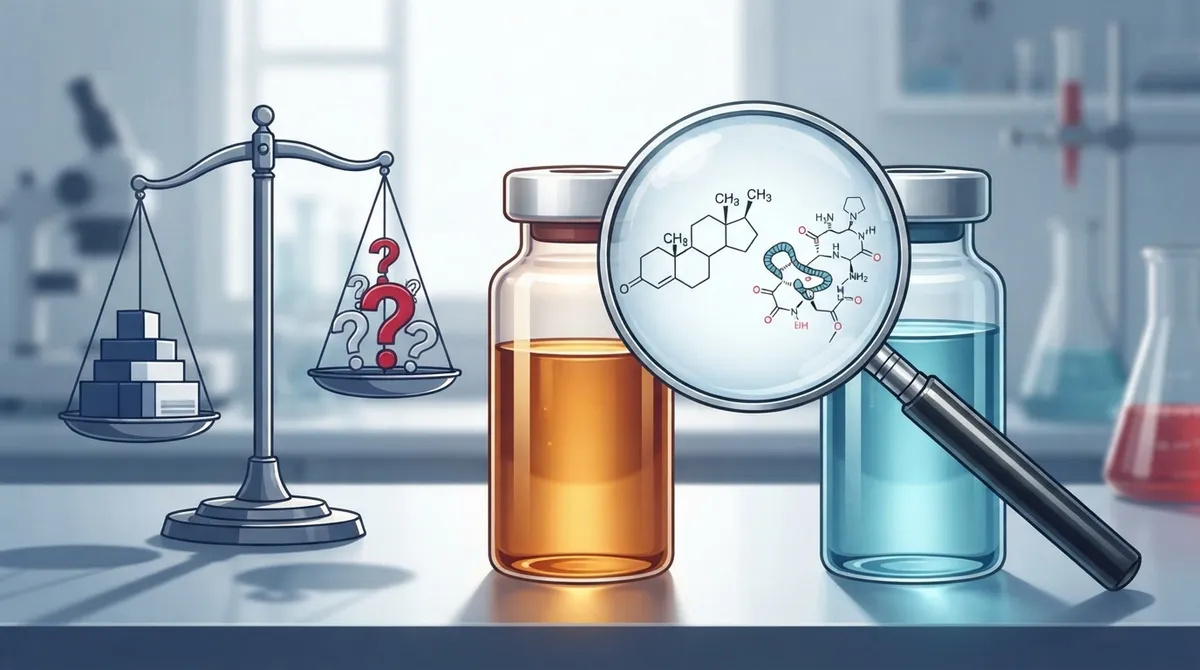
The first thing to understand is that BPC-157 and testosterone belong to completely different categories of treatment. Testosterone is a hormone naturally made by your body. Doctors prescribe it to treat diagnosed hypogonadism, a condition where testosterone levels drop too low. BPC-157, on the other hand, is a research peptide. It is a 15-amino-acid gastric peptide fragment studied mainly in animal models for tissue repair.
This distinction matters because testosterone has decades of clinical research behind it. BPC-157 does not have that same level of human data. Confusing the two, or assuming they work the same way, can lead to unrealistic expectations.
Key Differences at a Glance
FactorBPC-157TestosteroneFDA ApprovalNot FDA-approvedFDA-approved for hypogonadismCategoryResearch peptidePrescription hormonePrimary UseTissue repair researchRestoring low testosterone levelsHuman Trial DataLimited to absentExtensive clinical evidenceTypical Clinical ThresholdNot applicableOften considered below 300 ng/dL with symptoms

2. Does BPC-157 Increase Testosterone?
This is one of the most common questions patients ask. The honest answer is that no peer-reviewed human study has shown that BPC-157 directly raises total or free testosterone levels. Some wellness clinics market BPC-157 as a testosterone booster, but this claim relies on theoretical mechanisms rather than solid clinical proof.
Researchers have noted that any connection between BPC-157 and hormone balance is more likely indirect. For example, if BPC-157 helps reduce inflammation or supports gut healing, this could indirectly support overall wellness. But that is very different from a direct hormonal effect.
3. What Testosterone Replacement Therapy Actually Treats
Testosterone replacement therapy, or TRT, is designed for men with clinically diagnosed low testosterone. Symptoms of low testosterone can include:
- Persistent fatigue and low energy
- Reduced muscle mass and strength
- Decreased libido or sexual function
- Mood changes, including irritability or low motivation
- Difficulty concentrating or brain fog
- Reduced bone density over time
A qualified provider will confirm low testosterone through blood work before recommending treatment. This is different from simply feeling tired or run down. If you are curious whether TRT could help you, learning what testosterone replacement therapy involves is a good first step.
4. Why BPC-157 Lacks the Same Clinical Backing
Unlike testosterone, BPC-157 has not gone through the rigorous human trials required for FDA approval. Most available data comes from animal studies looking at gut healing, tendon repair, and inflammation reduction. A recent narrative review concluded that BPC-157 should not be recommended for clinical use until better human trials are completed.
This does not mean BPC-157 has no potential. It simply means the evidence is still developing. Patients considering peptide therapy should understand this is currently viewed as research-stage, not an established medical treatment. You can learn more about how peptide-based options are evaluated by reviewing peptide therapy standards in Tampa.
Common Questions People Ask About BPC-157 and Hormones
- Does BPC-157 replace the need for testosterone therapy? No, it does not treat diagnosed hypogonadism.
- Can BPC-157 help with symptoms similar to low testosterone? Only indirectly, through potential recovery support.
- Is BPC-157 approved for hormone-related use? No, it remains unapproved by the FDA.
5. Can You Take BPC-157 With Testosterone Replacement Therapy?
Some patients ask their providers about combining BPC-157 with TRT, especially if they are already receiving supervised hormone therapy. There is no long-term human safety data confirming this combination is safe. However, wellness clinics sometimes discuss it under close medical supervision.
The main safety concern involves a possible increase in hematocrit, which measures red blood cell concentration in the blood. Both testosterone and BPC-157 may contribute to higher red blood cell production. This is why lab monitoring is essential if a provider oversees this type of combined approach.
6. Lab Monitoring: What Providers Recommend
If a patient and provider decide to explore BPC-157 alongside testosterone therapy under medical guidance, monitoring becomes critical. Here are the general steps a responsible clinical approach follows:
- Baseline blood work, including complete blood count (CBC) and total testosterone levels
- Regular CBC monitoring, often recommended every 8 to 12 weeks
- Tracking hematocrit levels closely to catch early changes
- Reviewing symptoms and side effects at each follow-up visit
- Adjusting or stopping treatment if abnormal lab results appear
This kind of careful oversight is exactly why working with an experienced primary care team matters. Self-directed use without lab monitoring carries unnecessary risk.
7. Safety Profile Comparison
Understanding the safety differences between these two options helps set realistic expectations. Below is a general comparison based on current clinical knowledge.
Safety FactorBPC-157Testosterone TherapyRegulatory StatusNot FDA-approved, research use onlyFDA-approved with prescribing guidelinesLong-Term Human DataLargely absentWell documented over decadesMonitoring NeededCBC recommended if combined with TRTRoutine CBC, PSA, and hormone panelsKnown Interaction ConcernPossible hematocrit elevationPossible hematocrit elevationClinical GuidanceReview literature suggests cautionEstablished treatment protocols exist
If you are unsure which path fits your health goals, scheduling a consultation with a knowledgeable provider can help clarify your options.
8. Making an Informed Decision About Recovery and Hormone Health
Choosing between exploring BPC-157 or pursuing testosterone therapy should not be a guessing game. These two treatments serve different purposes and carry different levels of evidence. Testosterone therapy has clear clinical guidelines for diagnosed low testosterone. BPC-157 remains an emerging area of research without the same level of proof.
Before starting either option, consider these steps:
- Get comprehensive blood work to check your actual testosterone levels
- Discuss your symptoms honestly with a licensed provider
- Ask about the current research status of any peptide you are considering
- Request a clear monitoring plan if combining treatments
- Avoid sourcing peptides or hormones from unverified online sellers
Many patients researching this topic are also exploring broader wellness strategies, including medically supervised weight loss or DNA gene testing to better understand their unique health profile. A whole-body approach often produces better long-term results than focusing on a single compound.
According to information published by the National Center for Biotechnology Information, peptide research continues to evolve, and clinical guidance is likely to change as more human trials are completed. Staying informed through credible sources is essential.
Why Professional Guidance Matters More Than Ever
The wellness industry moves fast, and not every trend is backed by strong science. This is especially true for compounds like BPC-157, where marketing sometimes outpaces research. Working with a clinical team that understands both the promise and the limitations of peptide therapy protects your health and your wallet.
At InCare, our providers, including Dr. Pramjeet Ahluwalia and Dr. Naveen Paddu, take a data-driven approach to hormone health and wellness services. We believe in transparency about what current research supports and what remains unproven. This philosophy extends across our Tampa and Riverview locations, where patients receive individualized care plans based on lab results, not trends.
Our patients often follow us on Facebook and Instagram for wellness tips, and many discover our clinic through short videos on TikTok that explain complex health topics in simple terms.
What to Expect From a Consultation
If you are considering testosterone therapy or want to understand more about peptide options like BPC-157, a consultation typically includes:
- A review of your symptoms and health history
- Comprehensive blood panel testing
- An honest discussion of treatment options backed by evidence
- A personalized plan with clear monitoring milestones
- Follow-up scheduling to track your progress over time
This structured approach helps you avoid guesswork and ensures your treatment plan is based on your actual lab values, not assumptions.
Final Thoughts on BPC-157 vs Testosterone
The comparison between BPC-157 and testosterone ultimately comes down to evidence and purpose. Testosterone therapy is a proven medical treatment for diagnosed hormone deficiency. BPC-157 remains a research compound with promising but incomplete human data. If you are dealing with symptoms of low testosterone or curious about recovery-focused peptide therapy, the smartest move is getting professional guidance before starting anything.
Our team at InCare is here to help you separate marketing claims from real science. See what patients say about their experience by visiting InCare's profile, or read InCare reviews on Google before your visit. With a 4.8-star rating across hundreds of reviews, our Tampa and Riverview clinics are trusted by patients across the Tampa Bay area for honest, evidence-based wellness care.
Ready to get answers about your hormone health or explore peptide therapy safely? Reach out to our care team today or schedule your appointment online now to start your personalized wellness plan.
FAQs
Q: Does BPC-157 increase testosterone?
A: No peer-reviewed human research shows that BPC-157 directly raises total or free testosterone levels. Any potential connection is considered theoretical rather than clinically proven.
Q: Can you take BPC-157 with testosterone replacement therapy?
A: Some patients explore this combination under medical supervision, but there is no established human safety data confirming it is safe. Regular lab monitoring is strongly recommended if attempted.
Q: Is BPC-157 FDA approved?
A: No, BPC-157 is not FDA-approved. It remains classified as a research peptide without established clinical approval for human use.
Q: What lab monitoring is recommended if using BPC-157 and testosterone together?
A: Clinical guidance suggests checking complete blood count, or CBC, every 8 to 12 weeks. This helps detect elevated hematocrit levels, a shared concern with both compounds.
Q: What is the main difference between BPC-157 and testosterone?
A: Testosterone is an FDA-approved hormone used to treat diagnosed low testosterone, backed by decades of clinical research. BPC-157 is an unapproved research peptide with limited human trial data.