
Key Takeaways
- Kisspeptin antagonists remain experimental with no FDA approval or human clinical trials; patients should avoid compounded online products marketed for wellness without medical guidance.
- These compounds block the kisspeptin pathway to reduce reproductive hormones (LH and FSH), potentially useful for non-estrogen contraception or hormone-sensitive conditions, but human safety data is lacking.
- Kisspeptin antagonists and agonists work oppositely—antagonists block the receptor while agonists activate it; most human research has focused on agonists like MVT-602, not antagonists.
- Blocking kisspeptin signaling carries theoretical risks including disrupted hormone patterns, irregular periods, reduced fertility, and unknown long-term effects on bone density and metabolism.
Peptide science has moved fast, and patients are noticing new terms popping up in wellness forums and social media feeds. One of the newest is the kisspeptin antagonist, a compound many wellness seekers are curious about but few truly understand. If you have come across this term while researching hormone health, fertility, or weight management, you deserve clear, accurate information before making any decisions.
At InCare, our primary care team believes patients should understand the science behind trending health topics, not just the marketing claims. This guide breaks down what kisspeptin antagonists actually do, what the research shows, and why caution matters. Whether you are a busy parent managing family health or a wellness-focused professional exploring advanced options, this article will help you separate fact from hype.
1. What Exactly Is a Kisspeptin Antagonist?
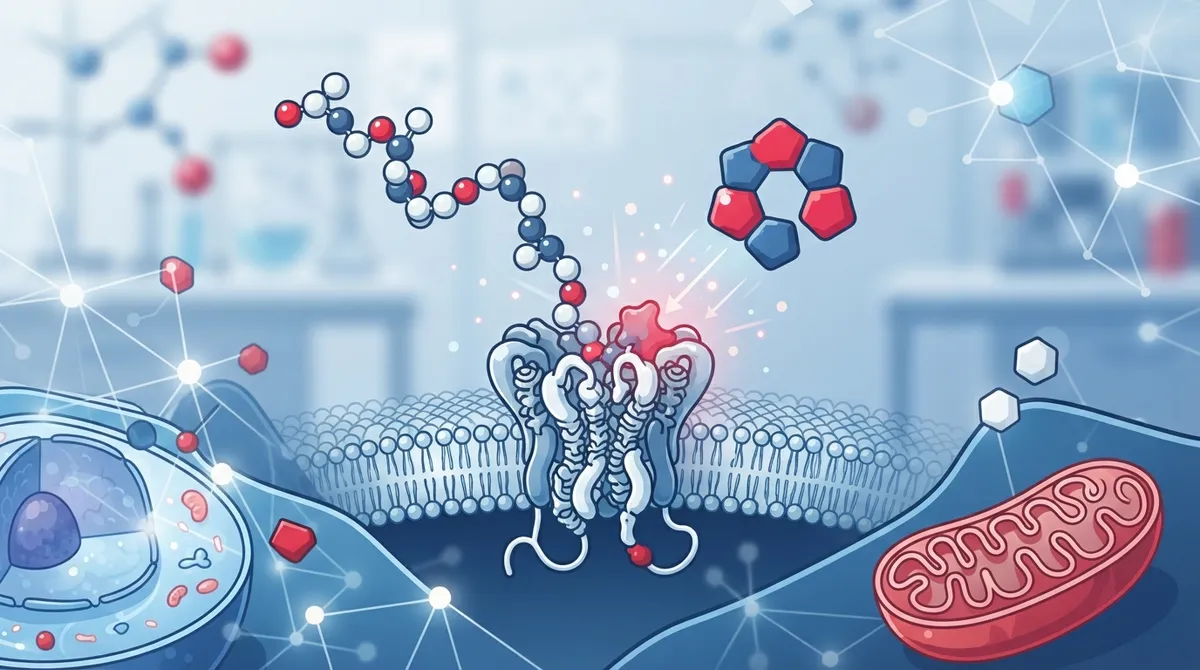
A kisspeptin antagonist is a lab-made compound. It is designed to block a hormone pathway called kisspeptin signaling. This pathway works through a receptor named KISS1R, also called GPR54.
Kisspeptin normally tells your brain to release gonadotropin-releasing hormone, or GnRH. This hormone controls two other key hormones: luteinizing hormone (LH) and follicle-stimulating hormone (FSH). Together, these hormones manage puberty, fertility, and the production of sex hormones like testosterone and estrogen.
An antagonist blocks this signal. Instead of turning the pathway on, it shuts it down. Think of kisspeptin as a key that unlocks a door. An antagonist jams that lock so the key cannot work.
2. These Compounds Are Still Experimental
Here is the most important fact to understand: no kisspeptin antagonist is approved for regular use in primary care. There is no prescription version available for contraception, fertility treatment, menopause relief, or weight loss.
Most of what we know comes from lab studies and animal research. Scientists have tested these compounds in mice and monkeys, not in large human trials. A 2025 review noted that far fewer kisspeptin antagonists have been studied compared to their opposite counterparts, kisspeptin agonists. The antagonist field remains mostly in the preclinical stage.
This means the science is promising but incomplete. Patients should not expect to find an approved kisspeptin antagonist at a pharmacy or wellness clinic anytime soon.
3. Antagonists vs. Agonists: Know the Difference
This is where a lot of confusion starts. Kisspeptin antagonists and agonists do opposite things, but people often mix them up.
- Agonists activate the KISS1R receptor. They turn the pathway on, boosting LH release and potentially triggering ovulation.
- Antagonists block the receptor. They turn the pathway off, reducing GnRH and gonadotropin activity.
- Human research focus: Most human clinical trials have studied agonists, not antagonists.
- MVT-602 is a well-known kisspeptin receptor agonist under study, not an antagonist.
- Fezolinetant, an approved treatment for menopausal hot flashes, works on a related but different pathway called the neurokinin-3 receptor. It is not a kisspeptin antagonist.
Confusing these two categories can lead to serious misunderstandings about what a product might do to your body.
4. Why Researchers Are Interested in This Pathway
Despite being early-stage, kisspeptin antagonists have caught scientific attention for good reason. Blocking this pathway could theoretically help with several conditions.
- Non-estrogen birth control: Researchers are exploring whether blocking kisspeptin could offer a hormonal contraceptive option that avoids estrogen.
- Assisted reproduction support: Antagonists might help prevent premature luteinization, a problem that can disrupt fertility treatments.
- Hormone-sensitive conditions: Conditions like endometriosis and uterine fibroids depend on sex hormones. Blocking kisspeptin might reduce hormone-driven growth.
- Reproductive cancer research: Some studies are examining whether this pathway plays a role in hormone-sensitive cancers.
These are all potential future uses. None of them are proven treatments today. Human safety and effectiveness data are still needed before any of these applications become real options in urgent care or wellness settings.
5. What the Research Actually Shows So Far
The available studies give us a glimpse into how these compounds behave, though the picture is far from complete.
|
Study Focus |
Finding |
Source Year |
|---|---|---|
|
Female pubertal monkeys |
Selected antagonists reduced pulsatile GnRH secretion |
Preclinical research |
|
Mice GnRH neurons |
Antagonists inhibited kisspeptin-related neuron activity |
Journal of Neuroscience, 2009 |
|
Experimental models |
Blockade suppressed stimulated LH and FSH without changing basal levels |
Endocrinology, 2010 |
|
Human trials (agonist side) |
KP54, KP10, TAK-683, TAK-448 studied in humans |
2022 review |
|
MVT-602 phase 2a (agonist) |
3 mcg dose triggered ovulation in 100% of participants within 5 days |
Human Reproduction, 2023 |
Notice that the human data mostly involves agonists, not antagonists. This gap matters. It means we cannot assume antagonist compounds will behave safely or effectively in people just because agonist studies looked promising.
6. Possible Risks of Blocking Kisspeptin Signaling
Since kisspeptin plays such a central role in reproductive health, blocking it could carry real risks. These are theoretical concerns based on how the pathway works, not confirmed outcomes in humans.
- Disrupted LH and FSH pulse patterns
- Irregular periods or missed ovulation
- Lower testosterone or estrogen production
- Reduced fertility, potentially long-term
- Possible effects on bone density over time
- Unknown impact on metabolic health
A 2025 review in Physiological Reviews confirmed that kisspeptin plays a major role in puberty, menstrual cycles, and adult reproductive function. Interfering with such a fundamental system without solid human safety data is risky. This is exactly why our providers encourage patients to be cautious about unproven peptide products.
7. Why Compounded and Online Kisspeptin Products Raise Concerns
Search online, and you may find kisspeptin-related products marketed for hormone balance or fertility support. These products deserve a skeptical eye.
Here is what patients should keep in mind before considering any compounded or online peptide product:
- Purity and dosing are often unverified. Research-grade compounds are not held to pharmaceutical manufacturing standards.
- Monitoring is usually absent. Legitimate treatments involve lab work and follow-up care.
- Regulatory status is unclear. Many of these products are not approved for human use at all.
- Marketing claims often outpace the science. Just because a product is available does not mean it is safe or effective.
- Interactions with other medications or conditions are largely unstudied.
If you are curious about peptide therapy in general, it is worth learning what peptides are and how they support wellness before considering any specific compound. Our team also offers guidance through peptide therapy consultations in Tampa for patients interested in evidence-based options.
8. How Primary Care Can Guide You Through Peptide Trends
With so much information circulating online, having a trusted primary care partner matters more than ever. A knowledgeable provider can help you evaluate claims, understand real risks, and avoid wasting money on unproven products.
At InCare, our approach includes several key steps for patients asking about emerging peptides:
- Reviewing your personal health history and hormone levels
- Explaining what current research does and does not support
- Discussing established treatment options for fertility, weight loss, or hormone concerns
- Ordering appropriate lab testing, including DNA gene testing when relevant
- Referring to specialists when investigational therapies might apply
This is part of our broader commitment to whole-body wellness, whether you visit our Tampa office or our Riverview location. Providers like Dr. Naveen Paddu, Dr. Pramjeet Ahluwalia, and Dr. Teshy John regularly discuss hormone health, weight management, and preventive care with patients across Tampa and Riverview.
Patients interested in hormone-related wellness support can also explore our weight loss programs or learn more about body composition analysis, both of which use proven, monitored approaches rather than unregulated compounds.
Comparing Kisspeptin Antagonists and Agonists at a Glance
|
Feature |
Kisspeptin Antagonist |
Kisspeptin Agonist |
|---|---|---|
|
Action on KISS1R |
Blocks the receptor |
Activates the receptor |
|
Effect on GnRH |
Reduces secretion |
Increases secretion |
|
Human trial stage |
Mostly preclinical |
Phase 1 and 2a trials completed |
|
Potential use |
Contraception, fibroid or endometriosis suppression |
Ovulation induction, fertility support |
|
Approval status |
Not approved for clinical use |
Not yet approved, but further along in trials |
Understanding this table helps explain why so much online content mixes up the two terms. They sound similar but work in completely opposite directions.
Questions to Ask Before Trying Any Peptide Product
If you are considering any hormone-related peptide, including a kisspeptin antagonist, ask these questions first:
- Has this compound been tested in human clinical trials?
- What organization manufactures or sources this product?
- Is third-party lab testing available for purity and dosage?
- What monitoring will I need during use?
- Are there safer, established alternatives for my goal?
These questions apply whether you are exploring fertility support, weight management, or general hormone optimization. A qualified primary care provider can walk through each of these points with you in detail.
Our patients often share their experiences on social media, and you can follow along with wellness tips and clinic updates on our Facebook page, our Instagram account, and our TikTok channel. We also encourage you to visit us on Google — InCare to see what other Tampa and Riverview patients say about their care experience.
The Bottom Line on Kisspeptin Antagonists
Kisspeptin antagonists represent an exciting area of hormone research. They may one day offer new options for contraception, fertility support, or hormone-sensitive conditions. But that day has not arrived yet.
Right now, these compounds remain experimental. Human safety, dosing, and long-term effects are not well established. Patients should avoid compounded or online kisspeptin products marketed for wellness purposes without medical guidance.
If you have questions about hormone health, fertility concerns, or emerging peptide therapies, our team at InCare is here to help you make informed decisions. We proudly serve patients across Tampa and Riverview with evidence-based, personalized care. Reach out to our team today to schedule a consultation, or book your appointment now to start a conversation about your hormone health goals.
FAQs
Q: What is a kisspeptin antagonist and how does it work?
A: A kisspeptin antagonist is an experimental compound that blocks the KISS1R receptor, stopping kisspeptin from signaling the brain to release GnRH. This reduces downstream hormones like LH and FSH, which control reproductive function.
Q: Is kisspeptin antagonist therapy FDA-approved or available by prescription?
A: No, kisspeptin antagonists are not FDA-approved and are not available by prescription. They remain in early research stages, with most evidence coming from animal and laboratory studies rather than human trials.
Q: What is the difference between a kisspeptin antagonist and a kisspeptin agonist?
A: An antagonist blocks the kisspeptin receptor and reduces hormone signaling, while an agonist activates the receptor and boosts hormone release. Most human clinical research has focused on agonists, such as MVT-602, not antagonists.
Q: Could kisspeptin antagonists be used as a non-estrogen contraceptive?
A: Researchers are exploring this possibility, since blocking kisspeptin could suppress reproductive hormone activity without using estrogen. However, this remains a theoretical application requiring extensive human testing before it becomes a real option.
Q: Should patients use compounded kisspeptin products marketed for wellness?
A: We recommend caution with any compounded or online kisspeptin product, since purity, dosing, and safety monitoring are often unverified. Speaking with a primary care provider before trying these products is the safest approach.