
Key Takeaways
- Kisspeptin is a hormone messenger, not a treatment—it signals the brain to release reproductive hormones, but kisspeptin-based therapies remain experimental and unapproved for PCOS.
- There is no approved kisspeptin blood test for PCOS diagnosis; the 2023 international guideline recommends diagnosis based on androgen levels, ovulation problems, and ultrasound or AMH testing instead.
- Kisspeptin levels vary significantly among PCOS patients due to body weight, insulin resistance, cycle stage, and PCOS subtype, making it unsuitable as a standard diagnostic tool.
- Evidence-based PCOS management focuses on lifestyle changes, full health assessment, and coordinated primary care rather than experimental hormones or unproven supplements.
If you have irregular periods, acne, or trouble losing weight, you may have searched online and found the term kisspeptin. This hormone is getting attention in PCOS research. But what does it really mean for your health? Many women feel confused by all the science-y terms tied to polycystic ovary syndrome (PCOS). This article breaks down kisspeptin in plain language, so you understand what it is, what it is not, and what actually helps you manage PCOS today.
At InCare, our teams in Tampa and Riverview see many women dealing with PCOS symptoms. We combine trusted medical guidelines with modern tools to help you get real answers, not guesswork. Below are 8 key facts about kisspeptin and PCOS, plus what evidence-based care looks like right now.
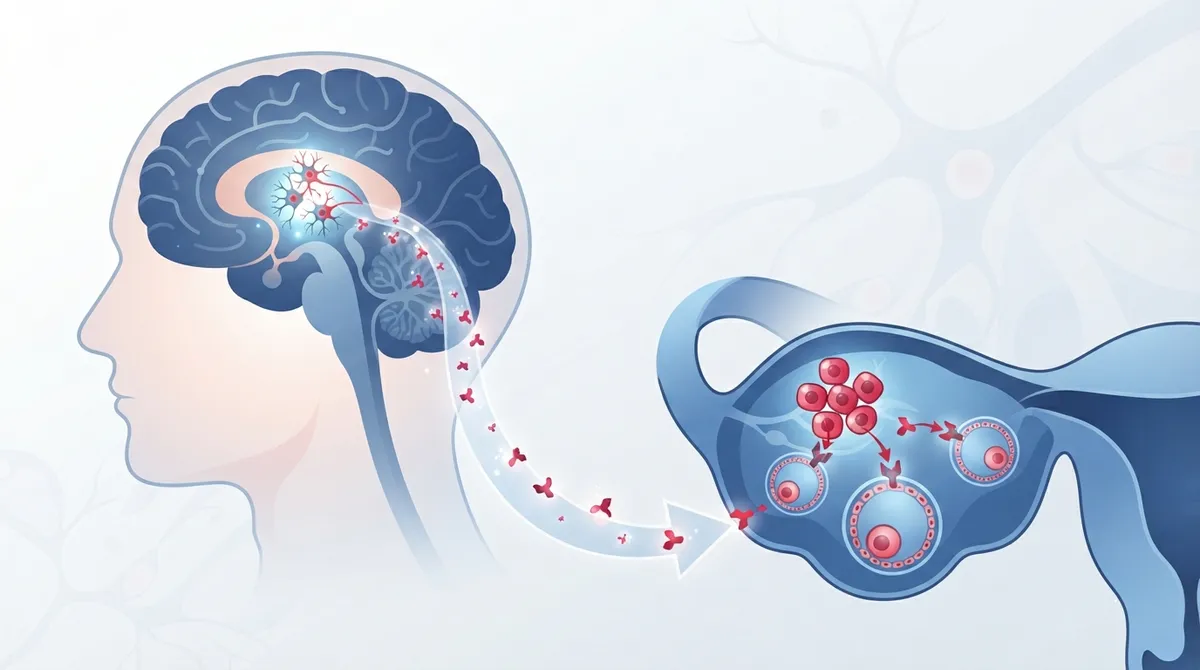
1. Kisspeptin Is a Hormone Messenger, Not a Treatment
Kisspeptin is a small protein made by a gene called KISS1. It sends signals to a receptor called KISS1R. Think of it as a messenger that tells your brain when to release reproductive hormones.
This messenger sits at the top of a hormone chain. It tells the brain to release GnRH, which then triggers luteinizing hormone (LH) and follicle-stimulating hormone (FSH). These two hormones control ovulation, periods, and puberty. Without kisspeptin doing its job, this whole chain can get out of sync.
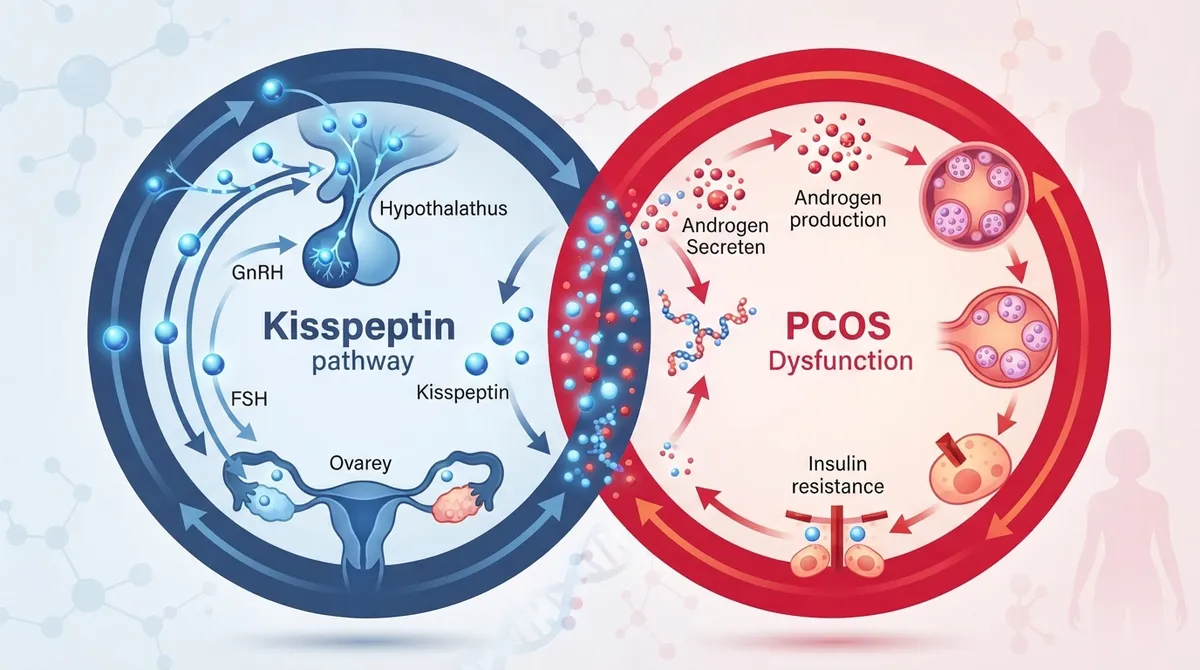
2. PCOS and Kisspeptin Share Overlapping Hormone Problems
Women with PCOS often have hormone patterns that look connected to kisspeptin activity. Common patterns include:
- Higher LH levels compared to FSH
- Excess androgens (male hormones like testosterone)
- Irregular or missing ovulation
- Insulin resistance and weight changes
Because kisspeptin sits upstream of LH and FSH, scientists believe it may play a role in these imbalances. This is why kisspeptin research has grown fast over the last few years.
3. Kisspeptin Levels Are Not Consistent in PCOS Patients
You might expect a simple answer: high kisspeptin or low kisspeptin in PCOS. But the science is messier than that. Levels can shift due to several factors, including:
- Body weight and obesity levels
- Insulin resistance status
- Where you are in your menstrual cycle
- Use of hormonal birth control
- Which PCOS subtype you have
- Differences in lab testing methods
Because of all these variables, researchers cannot yet say "PCOS always means high kisspeptin" or the opposite. This is one reason doctors do not use it as a standard test.
4. There Is No Approved Kisspeptin Blood Test for PCOS Diagnosis
This is one of the most common questions patients ask. As of now, no major medical guideline recommends kisspeptin testing to diagnose PCOS. The 2023 international PCOS guideline, which contains 254 recommendations built from years of research, does not include kisspeptin as a diagnostic tool.
Instead, real diagnosis relies on well-tested methods. Under this guideline, adults need two of these three signs, after ruling out other causes:
- Signs of excess androgens (blood tests or physical symptoms like acne or excess hair growth)
- Ovulation problems, including irregular or missing periods
- Polycystic ovaries seen on ultrasound, or high anti-Müllerian hormone (AMH) levels
If you already have irregular cycles and signs of high androgens, you may not even need an ultrasound. Your primary care team can walk you through which tests actually matter for your diagnosis.
5. Kisspeptin Therapy Is Still Experimental for PCOS
Some online sources make kisspeptin sound like a new PCOS cure. This is misleading. Kisspeptin-based treatments are still being studied in research settings. They are not an approved therapy for PCOS or infertility.
Here is why caution matters. Kisspeptin can trigger the release of GnRH, LH, and FSH. In theory, boosting kisspeptin activity might help some women ovulate. But giving too much, or at the wrong time, could throw hormones further out of balance. It might even cause unsafe ovarian stimulation. This is not something to try without proper medical supervision.
6. Recent Reviews Confirm More Research Is Needed
A 2024 mini-review looked at serum kisspeptin as a possible PCOS marker. It called the idea promising, but said lab testing methods still need to be standardized before it can be used in clinics.
A 2025 review went further, looking at how kisspeptin connects to reproductive health, metabolism, and energy balance in PCOS. The conclusion was clear: kisspeptin plays a role, but scientists need more standardized studies before it can guide diagnosis or treatment decisions. In short, this is a promising research area, not a ready-to-use clinical tool.
7. Evidence-Based PCOS Care Looks Different Than Trending Health Advice
Instead of chasing new hormone tests, real PCOS care focuses on a full health picture. A visit with a primary care provider typically covers:
|
Assessment Area |
What It Involves |
|---|---|
|
Menstrual history |
Cycle length, missed periods, bleeding patterns |
|
Androgen signs |
Acne, excess hair growth, hair thinning |
|
Blood testing |
Androgen levels, thyroid function, glucose and insulin markers |
|
Cardiometabolic risk |
Blood pressure, cholesterol, weight, blood sugar |
|
Mental health |
Screening for anxiety and depression, common with PCOS |
|
Fertility goals |
Discussion of future family planning if relevant |
This kind of full-body approach matches what current primary care guidelines recommend. It also fits how our providers, including Dr. Pramjeet Ahluwalia, approach patient visits at InCare.
8. Lifestyle Support Remains the Foundation of PCOS Management
No matter your body size, lifestyle care is a core part of PCOS treatment. The 2023 guideline supports exercise, or a mix of diet, activity, and behavior changes, to improve:
- Central body fat and waist size
- Cholesterol and triglyceride levels
- Insulin sensitivity
- Overall metabolic health
There is no single "best" diet or workout plan named in the guideline. What matters most is finding an approach you can stick with long term. Programs like medically supervised weight loss can help build a plan around your specific hormone and metabolic needs, rather than a one-size-fits-all diet.
How InCare Supports Women With PCOS Symptoms
Many women go years without a clear PCOS diagnosis. Some bounce between specialists. Others are told to "just lose weight" without real guidance. At InCare, we take a different approach. Our providers combine lab testing, imaging referrals, and lifestyle coaching into one coordinated plan.
We also offer tools that support whole-body health beyond PCOS symptoms, including DNA gene testing, body composition analysis, and metabolic breath analysis. These services help track your progress with real data, not guesswork.
Because insulin resistance is common in PCOS, some patients also ask about newer weight management options. Our team can walk you through current, evidence-based choices during a full wellness visit, rather than relying on unproven supplements or unverified online protocols.
What to Expect at Your First PCOS Visit
If you think you may have PCOS, here is what a first visit often includes, in order:
- A detailed conversation about your cycle history and symptoms
- A physical exam checking for signs of excess androgens
- Blood work to check hormone levels and rule out other conditions
- A discussion about ultrasound or AMH testing, if needed
- Screening for related health risks like high blood pressure or blood sugar issues
- A personalized care plan covering lifestyle, medical, and mental health support
This structured process avoids expensive, unnecessary testing while still getting you real answers. It also means you are not left guessing about experimental options like kisspeptin supplements, which are not proven safe or effective for at-home use.
Common Myths About Kisspeptin and PCOS
Because kisspeptin sounds cutting-edge, myths spread quickly online. Here are a few worth clearing up:
- Myth: A kisspeptin test can confirm PCOS. Fact: No standard test exists yet for clinical use.
- Myth: Kisspeptin supplements can treat PCOS. Fact: There is no proven oral supplement that safely changes kisspeptin activity in the body.
- Myth: Higher kisspeptin always means better fertility. Fact: Both too much and too little signaling can disrupt normal ovulation.
- Myth: PCOS treatment must include experimental hormones. Fact: Most successful PCOS management relies on standard, well-studied care.
Staying informed with reliable sources protects you from wasting money on unproven products. It also helps you have better conversations with your care team.
Our patients often find helpful, real-time health tips on our Facebook page, and behind-the-scenes wellness content on Instagram and TikTok. These channels are a good way to stay current between visits, alongside guidance from trusted medical sources like the National Center for Biotechnology Information.
Why Local, Coordinated Care Matters for PCOS
PCOS touches many parts of your health, from your period to your mood to your metabolism. Trying to manage it alone, or through scattered specialists, often leads to gaps in care. A coordinated primary care team can track your labs, your symptoms, and your goals in one place.
Women across Tampa and Riverview trust InCare because we combine modern tools with clear, honest guidance. You will not hear us push unproven treatments. Instead, you get a plan built on current research and your specific health picture. You can also see what real patients say by visiting our Google Business Profile for InCare, where the practice holds a strong reputation for friendly, thorough care.
Take the Next Step Toward Clear Answers
Kisspeptin research is exciting, but it is not ready to guide your PCOS care today. What matters most is getting an accurate diagnosis, managing your symptoms, and protecting your long-term health. Our team at InCare is ready to walk you through every step, using guidelines that are proven and trusted.
If you are dealing with irregular periods, unexplained weight changes, or other PCOS symptoms, do not wait for more confusion. Reach out to our team today to schedule a visit, or go ahead and book your appointment online to start your personalized PCOS care plan.
FAQs
Q: What is kisspeptin, and how does it affect reproductive hormones?
A: Kisspeptin is a hormone messenger made from the KISS1 gene. It signals the brain to release GnRH, which then controls LH and FSH, the two hormones that manage ovulation and periods.
Q: Are kisspeptin levels higher or lower in people with PCOS?
A: Research shows mixed results. Levels can vary based on weight, insulin resistance, cycle stage, and PCOS type, so there is no single pattern that applies to everyone with PCOS.
Q: Can a kisspeptin blood test diagnose polycystic ovary syndrome?
A: No. Kisspeptin testing is not part of any major PCOS diagnostic guideline. Diagnosis relies on androgen levels, ovulation history, and ultrasound or AMH testing instead.
Q: Is kisspeptin approved as a treatment for PCOS or infertility?
A: No. Kisspeptin-based treatments remain experimental. They are not approved therapies, and using them without medical supervision could disrupt hormone balance further.
Q: Should primary-care clinicians order kisspeptin testing for suspected PCOS?
A: Current international guidelines do not recommend kisspeptin testing for routine PCOS screening. Standard hormone panels, ultrasound, and clinical evaluation remain the trusted approach.