Key Takeaways
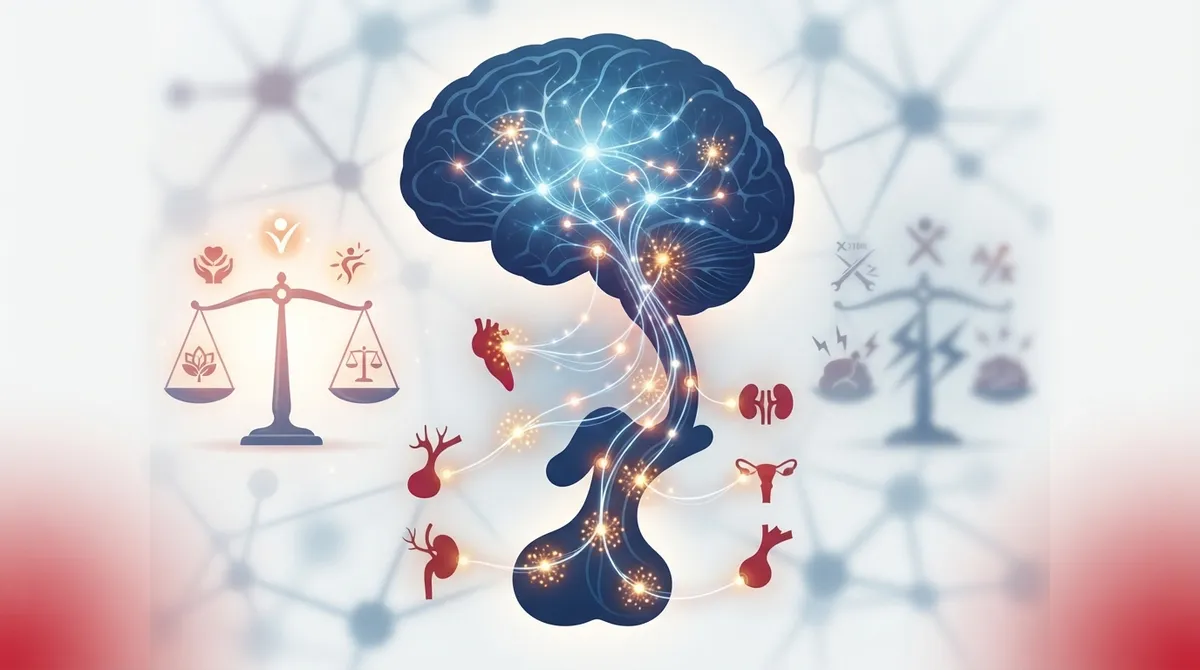
- Kisspeptin is a brain messenger that triggers the release of GnRH, which then causes the pituitary gland to release LH and FSH hormones that control ovulation, menstrual cycles, testosterone production, and sperm development.
- Kisspeptin therapy remains investigational and not yet approved for routine clinical use; avoid non-prescription products and consult a healthcare provider for proper diagnosis, as many common conditions like PCOS and thyroid disorders can mimic kisspeptin deficiency symptoms.
- Early research shows kisspeptin injections may help restore hormone levels in hypothalamic amenorrhea and support fertility, with over 30 successful IVF births reported in European trials, but larger studies are needed before standard approval.
- Extreme dieting, overtraining, and high stress can suppress kisspeptin activity, which is why irregular periods and fertility problems often stem from low energy availability rather than true kisspeptin deficiency.
If you have irregular periods, fertility struggles, or low testosterone, you may have searched for answers online. One term that keeps popping up is kisspeptin. This small but powerful molecule controls much of your reproductive health, yet most people have never heard of it. Understanding how does kisspeptin work can help you make sense of your hormone levels and know when to seek help from a doctor.
At InCare, our team in Tampa and Riverview helps patients understand the root causes behind hormone imbalances, fertility concerns, and irregular cycles. This guide breaks down kisspeptin science in plain language. We will cover what it does, why it matters, and what options exist if your levels are out of balance.
What Is Kisspeptin and Why Does It Matter?
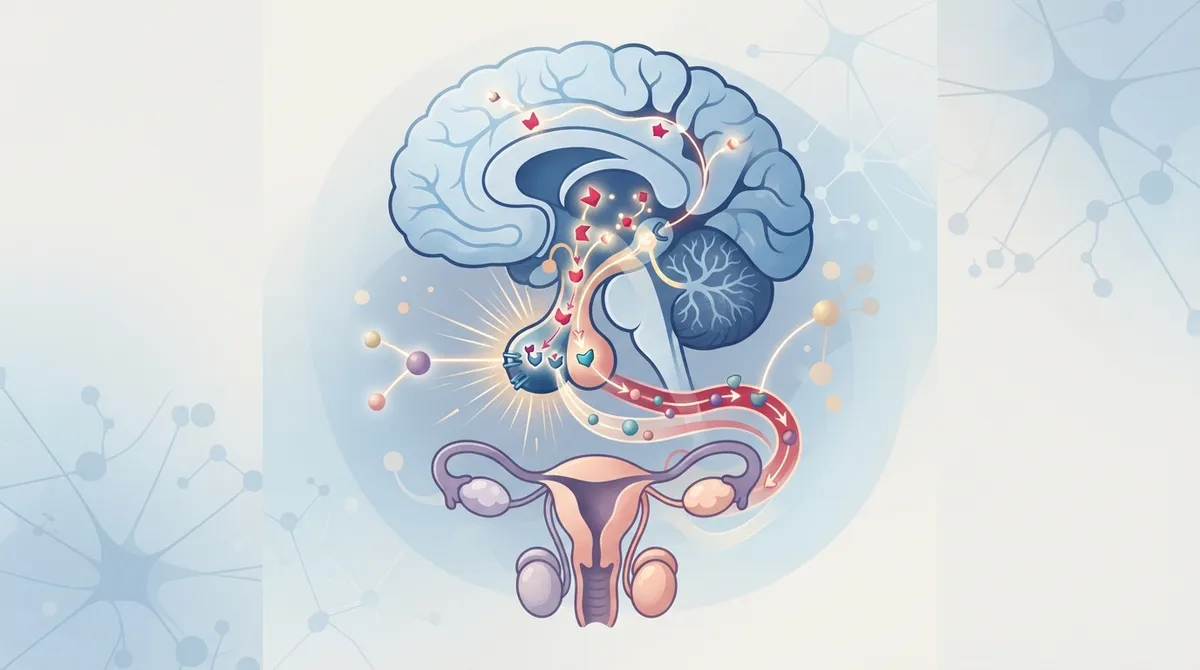
Kisspeptin is a natural substance made in your brain. Scientists call it a neuropeptide. Your body makes it using instructions from a gene called KISS1. This tiny molecule plays a huge role in your reproductive system.
Kisspeptin acts like a messenger. It sends signals inside your hypothalamus, a part of your brain that controls many body functions. This messenger system connects your brain to your reproductive organs. Without it, puberty, periods, and fertility would not work correctly.
7 Ways Kisspeptin Works to Control Your Hormones
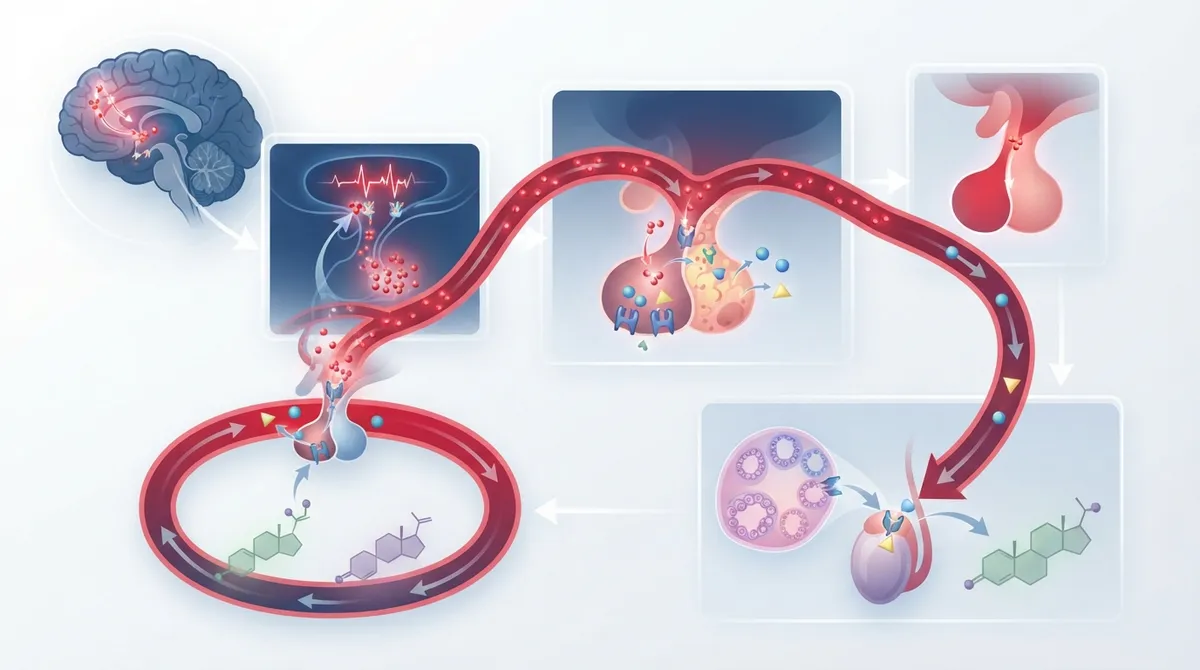
Understanding how does kisspeptin work becomes easier when you break it into simple steps. Here is the process from start to finish.
1. Kisspeptin Binds to Its Receptor
Kisspeptin attaches to a specific receptor called KISS1R, also known as GPR54. Think of this receptor as a lock. Kisspeptin is the key that fits perfectly. When the key turns the lock, it starts a chain reaction.
2. GnRH Neurons Get Activated
Once kisspeptin binds to its receptor, it wakes up special brain cells called GnRH neurons. GnRH stands for gonadotropin-releasing hormone. These neurons sit in your hypothalamus and control your entire reproductive system.
3. GnRH Travels to the Pituitary Gland
After activation, GnRH moves through a special blood pathway. This pathway connects your hypothalamus to your pituitary gland. The pituitary gland is a small structure at the base of your brain. It acts as your body's hormone control center.
4. The Pituitary Releases LH and FSH
When GnRH reaches the pituitary gland, it triggers the release of two important hormones. These are luteinizing hormone (LH) and follicle-stimulating hormone (FSH). Both hormones travel through your bloodstream to reach your ovaries or testes.
5. LH and FSH Control Reproductive Function
In women, LH and FSH manage the menstrual cycle and trigger ovulation. In men, these hormones control testosterone levels and sperm production. This is where kisspeptin's influence becomes clear in daily health.
6. Kisspeptin Coordinates the Ovulation Surge
In women, kisspeptin plays a special role during ovulation. It helps create a sudden surge of LH right before an egg is released. Without this surge, ovulation would not happen on schedule. This surge is one reason kisspeptin is so important for fertility.
7. Kisspeptin Responds to Body Signals
Kisspeptin does not work alone. It listens to signals about your nutrition, stress levels, and hormone status. If your body senses low energy or high stress, kisspeptin activity can drop. This is one reason extreme dieting or overtraining can stop your periods.
The KNDy System: Kisspeptin's Support Network
Kisspeptin does not act by itself. It works alongside two other substances called neurokinin B and dynorphin. Together, these three form what scientists call the KNDy system.
This network fine-tunes the timing and pattern of hormone release. A 2025 review published in Physiological Reviews confirms that kisspeptin and neurokinin B are key regulators of puberty, the menstrual cycle, and even menopause-related changes in the body.
What Happens When Kisspeptin Signaling Fails?
When kisspeptin does not work properly, your whole reproductive system can shut down. This condition is called hypogonadotropic hypogonadism. It means your brain is not sending enough signals to your reproductive organs.
- Delayed puberty in teenagers
- Missing periods, known as amenorrhea
- Difficulty getting pregnant
- Low testosterone levels in men
- Reduced sperm production
- Low estrogen or progesterone in women
If you notice any of these signs, a visit to a primary care provider can help identify the cause. Many conditions mimic kisspeptin problems, including thyroid disease and high stress hormone levels.
Kisspeptin Research: What the Numbers Show
Scientists have studied kisspeptin closely over the past two decades. Here is a summary of key findings from recent research.
|
Study Finding |
Result |
|---|---|
|
Intranasal kisspeptin-54 in healthy men (2025) |
Mean LH increase of 4.4 IU/L, placebo-adjusted difference of 3.1 IU/L |
|
Human trial participants |
More than 150 subjects studied with no serious kisspeptin-related adverse events reported |
|
IVF egg maturation use in Europe |
Used in more than 100 women, resulting in over 30 successful births |
|
Kisspeptin rise during pregnancy |
Increases roughly 7,000 to 10,000-fold compared to normal levels |
These numbers show real promise. However, kisspeptin therapy remains investigational. It is not yet an approved treatment you can request at a standard clinic visit.
Common Causes of Hormone Imbalance InCare Screens For
Before jumping to conclusions about kisspeptin, doctors look at more common causes of hormone problems. Here is a list of conditions that often explain symptoms similar to kisspeptin deficiency.
- Polycystic ovary syndrome (PCOS)
- Thyroid disorders, including hypothyroidism
- High prolactin levels, called hyperprolactinemia
- Chronic stress and cortisol imbalance
- Low energy availability from excessive exercise or dieting
- Pituitary gland tumors or dysfunction
- Primary ovarian or testicular failure
A thorough evaluation at InCare often includes blood tests, imaging, and a review of your lifestyle. Our providers, including Dr. Pramjeet Ahluwalia and Dr. Naveen Paddu, take time to understand your full health picture before recommending next steps.
Is Kisspeptin Treatment Available Today?
Not yet as a routine option. Kisspeptin therapy is still being tested in clinical trials. A 2010 study found that twice-weekly kisspeptin injections helped restore hormone levels in women with hypothalamic amenorrhea. However, researchers stressed that larger studies were needed before this could become standard care.
This means you should not try non-prescription kisspeptin products on your own. Self-treatment without medical guidance carries real risks. Instead, work with a trusted healthcare provider who can identify the actual cause of your symptoms and offer proven treatment options.
How InCare Approaches Hormone Health
At InCare, we believe in getting to the root of your symptoms rather than guessing. Our approach includes several key steps.
- Comprehensive hormone panel testing
- Review of menstrual cycle history or testosterone symptoms
- Assessment of thyroid function and stress markers
- Discussion of nutrition, exercise, and sleep habits
- Referral to reproductive endocrinology when needed
- Personalized treatment plans based on your results
Our clinics also offer DNA gene testing and body composition analysis to give you a fuller picture of your overall wellness. These tools help us spot patterns that basic bloodwork might miss.
When Should You See a Doctor About Hormone Symptoms?
Many people wait too long before addressing hormone concerns. Here are signs that it is time to schedule a visit.
- Your periods have stopped or become very irregular
- You have been trying to conceive for over a year without success
- You notice low energy, low libido, or unexplained weight changes
- You experience symptoms of low testosterone, such as reduced muscle mass or fatigue
- Your teenager has not started puberty by the expected age
Do not wait to get answers. Our team can help you sort through the many possible causes and create a clear treatment path. You can also read what real patients say by visiting our page to visit us on Google — InCare and see reviews from our Tampa and Riverview locations.
Kisspeptin vs. Other Hormone Regulators
It helps to see how kisspeptin compares to other hormones your body uses for reproduction.
|
Hormone |
Main Role |
Where It Acts |
|---|---|---|
|
Kisspeptin |
Triggers GnRH release |
Hypothalamus |
|
GnRH |
Signals pituitary gland |
Pituitary portal system |
|
LH |
Triggers ovulation, testosterone production |
Ovaries, testes |
|
FSH |
Supports follicle and sperm development |
Ovaries, testes |
This chain of command shows why a problem at any single step can throw off your entire reproductive system. Kisspeptin sits at the very top, making it a key starting point for research and future treatment.
Staying Informed About Emerging Wellness Science
Hormone science moves quickly. New studies on kisspeptin and related peptides come out every year. Staying informed helps you make smart choices about your health. Follow InCare on Facebook and Instagram for updates on wellness trends and clinic news. You can also check our Tik Tok page for quick, easy-to-understand health tips.
For deeper reading on reproductive hormone research, resources from the National Institutes of Health offer peer-reviewed studies on kisspeptin and the hypothalamic-pituitary-gonadal axis.
Final Thoughts on How Kisspeptin Works
Kisspeptin plays a central role in puberty, menstrual cycles, and fertility. It acts as the starting signal for a chain of hormone releases that keep your reproductive system running smoothly. While kisspeptin therapy remains an exciting area of research, it is not yet a standard treatment. The best path forward is proper testing and guidance from a trusted primary care team.
If you are dealing with irregular periods, fertility concerns, low testosterone, or unexplained hormone symptoms, do not guess at the cause. Our providers at InCare in Tampa and Riverview are ready to help you find real answers. Reach out to our team today or book your appointment now to start your path toward better hormone health.
FAQs
Q: What is kisspeptin and what does it do in the body?
A: Kisspeptin is a natural brain signal made from the KISS1 gene. It activates GnRH neurons in the hypothalamus, which then triggers the release of LH and FSH from the pituitary gland. This process controls puberty, menstrual cycles, and fertility in both men and women.
Q: How does kisspeptin affect GnRH, LH, and FSH?
A: Kisspeptin binds to receptors on GnRH neurons, causing them to release GnRH into the bloodstream. GnRH then travels to the pituitary gland and signals it to release LH and FSH, which regulate ovulation, sperm production, and sex hormone levels.
Q: Can kisspeptin help with infertility or ovulation problems?
A: Early research suggests kisspeptin may help stimulate reproductive hormones in people with certain fertility issues, including hypothalamic amenorrhea. However, it remains an investigational therapy and is not yet an approved standard treatment for infertility.
Q: Is kisspeptin treatment approved for clinical use?
A: No, kisspeptin therapy is still being studied in clinical trials and is not approved for routine use. Patients should avoid non-prescription kisspeptin products and instead consult a primary care provider or reproductive specialist for approved treatment options.
Q: Does kisspeptin work for hypothalamic amenorrhea?
A: Research from small studies shows kisspeptin injections may help restore hormone levels in women with hypothalamic amenorrhea. Larger clinical trials are still needed before this becomes a standard treatment option available at most clinics.