Key Takeaways
- BPC-157 was discovered in 1993 by Croatian researchers in human gastric juice, but despite 30+ years of research, only three pilot human studies exist while animal studies dominate the evidence base.
- The FDA classified BPC-157 as Category 2 bulk drug in 2023 and WADA banned it in 2022, reflecting that it has never received FDA approval for any human medical use despite decades of investigation.
- Early research focused on gastrointestinal protection and the brain-gut axis, but the compound remains controversial in wellness medicine due to the significant gap between promising animal research and minimal human clinical evidence.
- Before considering BPC-157 or any peptide therapy, patients should ask their provider about human research support, FDA approval status, known risks, and whether better-studied alternatives exist.
BPC-157 has become one of the most talked-about peptides in wellness circles today. Patients ask about it during peptide therapy consultations, and social media has fueled curiosity about its healing potential. But before considering any peptide, it helps to understand where it came from and what science actually supports. This article walks through the real bpc 157 history, from its discovery in a lab to its current legal status in the United States.
Understanding this history matters more than most people realize. Many wellness seekers assume newer means better tested, but BPC-157's story shows the opposite can be true. At InCare, our providers believe patients deserve accurate information before making decisions about any emerging therapy, including peptides discussed at our peptide therapy clinic in Tampa.

1. The Discovery: How BPC-157 Was First Isolated
BPC-157 was first described in 1993 by researchers in Croatia, led by Predrag Sikiric. Scientists isolated the compound from human gastric juice, the fluid found in the stomach. This is why the name includes "Body Protection Compound."
Some reporting traces early PubMed entries related to this research back to 1992, showing the groundwork began even earlier. The compound caught attention because it appeared naturally in the digestive system and seemed stable in ways other peptides were not. Researchers wanted to know why stomach tissue could protect itself so effectively, even during injury or stress.

2. What Makes BPC-157 a Pentadecapeptide
BPC-157 is classified as a pentadecapeptide. This simply means it is built from 15 amino acids linked together. Amino acids are the building blocks of proteins, and peptides are short chains of them.
This structure is smaller than many other therapeutic peptides, which some researchers believe contributes to its stability. Early FDA briefing materials described BPC-157 as a possible "endogenous free radical scavenger and organoprotection mediator." That means scientists theorized it might help protect organs and reduce cellular stress caused by free radicals.
3. Early Research Focus: The Gut and Digestive Protection
The earliest studies on BPC-157 centered almost entirely on the digestive system. Researchers wanted to understand how this compound protected the stomach lining from damage.
Over time, scientists expanded their focus to the brain-gut axis. This is the communication system linking the digestive tract and the brain. A widely cited study published through the National Institutes of Health explored this connection in detail, looking at how the compound might influence both systems together.
Key areas of early gastrointestinal research included:
- Protection of the stomach lining against ulcers and irritation
- Potential influence on the brain-gut communication pathway
- Early theories about tissue protection during digestive stress
- Laboratory models examining organ protection mechanisms
4. From Lab Animals to Limited Human Studies
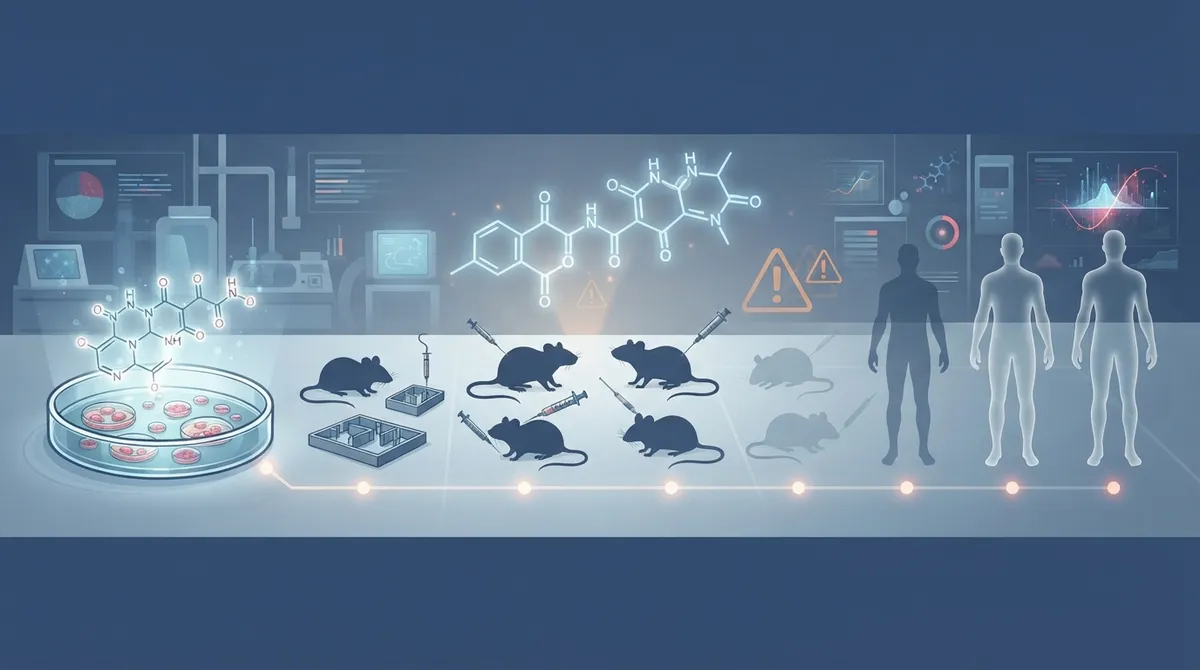
Most of what we know about BPC-157 comes from animal and laboratory research, not human trials. Studies in animals have examined possible effects on tissue repair, inflammation, blood vessel formation, and organ protection.
Human evidence tells a very different story. A 2025 narrative review found only three pilot studies involving humans. These studies examined:
- Knee pain and joint-related discomfort
- Interstitial cystitis, a chronic bladder condition
- Intravenous safety and pharmacokinetics, meaning how the body processes the compound
Three small pilot studies is a very limited amount of human data. This gap between animal research and human evidence is central to understanding why BPC-157 remains controversial in wellness medicine today.
5. Regulatory Timeline: FDA and Compounding Restrictions
BPC-157 has never received FDA approval for any medical use in humans. This is an important fact for anyone researching the compound's history and current status.
In 2023, the FDA took a more defined stance. The agency classified BPC-157 as a Category 2 bulk drug for compounding purposes. This classification signals significant safety concerns and effectively restricts its use in compounded medications across the country.
Here is a simple timeline of major regulatory milestones:
YearEventSignificance1992Earliest PubMed entry related to the compoundGroundwork research begins1993BPC-157 formally described by Croatian researchersOfficial discovery and naming2022WADA bans BPC-157Classified under unapproved substances2023FDA restricts compoundingCategory 2 bulk drug designation2025Narrative review publishedConfirms only three human pilot studies exist
6. Why the World Anti-Doping Agency Banned BPC-157
In 2022, the World Anti-Doping Agency (WADA) added BPC-157 to its list of banned substances under the S0 Unapproved Substances category. This category covers any substance not approved for human therapeutic use by a governmental regulatory health authority.
The ban reflects a broader pattern seen throughout BPC-157's history. Athletes and fitness enthusiasts had been using the peptide informally, often based on anecdotal claims rather than clinical evidence. WADA's decision reinforced that lack of approval carries real consequences, especially for competitive athletes.
7. How BPC-157 Compares to Other Wellness Peptides
Not all peptides share the same regulatory story. Some peptides used in wellness settings have more established research behind them or different approval pathways. Understanding these differences helps patients make informed choices.
FactorBPC-157FDA-Approved PeptidesHuman trialsOnly 3 pilot studiesMultiple phase trials requiredFDA statusNot approved for any useApproved for specific indicationsCompounding statusCategory 2, restrictedVaries by drugSports organizationsBanned by WADAGenerally not banned if approved
Patients interested in exploring what legitimate, well-studied options exist can review our guide on FDA-approved peptides you should know in 2026. This kind of research helps set realistic expectations before pursuing any peptide-related wellness goal.
What This History Means for Wellness Patients Today
The history of BPC-157 shows a compound with an interesting scientific origin but limited human evidence. It was discovered decades ago through legitimate gastrointestinal research, yet it never advanced through the clinical trial process required for FDA approval.
This gap matters when patients consider any treatment marketed for healing or recovery. A few important takeaways stand out:
- BPC-157 has a real scientific origin dating back to 1993
- Animal studies show potential effects, but human data remains extremely limited
- Regulatory bodies, including the FDA and WADA, have taken clear restrictive stances
- Patients should discuss any peptide interest directly with a qualified provider
- Emerging research continues, but current evidence does not support routine clinical use
Wellness decisions should always be grounded in current evidence and open conversation with a trusted provider. Our team, including physicians like Dr. Pramjeet Ahluwalia and Dr. Naveen Paddu, regularly discusses emerging wellness topics with patients who want honest, science-based guidance.
Questions to Ask Before Considering Any Peptide Therapy
If you are researching peptides for recovery or wellness goals, come prepared with informed questions. Consider asking your provider the following:
- What human research actually supports this compound?
- Is this treatment FDA-approved for my specific concern?
- What are the known risks or side effects?
- Are there better-studied alternatives available?
- How will my provider monitor my safety during treatment?
These questions apply to BPC-157 and any other emerging peptide. A knowledgeable provider should be able to walk you through the evidence honestly, without overstating benefits.
Why Working With a Trusted Primary Care Team Matters
Wellness trends move quickly, especially on social media. Separating hype from evidence requires guidance from professionals who stay current with research and regulatory updates. This is exactly the role a strong primary care relationship plays.
At InCare, our providers take time to review the latest research before recommending any treatment path. We combine that scientific rigor with a personalized approach across our Tampa and Riverview locations. Whether you are exploring medical weight loss, cancer screening, or general wellness optimization, our team prioritizes evidence over trends.
Patients often follow our updates on Facebook and Instagram for wellness tips grounded in real science, and our short-form content on TikTok breaks down complex topics like peptide research into digestible explanations.
Moving Forward With Evidence-Based Wellness
BPC-157's history is a useful case study in how wellness trends can outpace scientific evidence. The compound has a legitimate discovery story from 1993, but decades later, human research remains minimal and regulatory approval has never followed.
Rather than relying on anecdotal claims, patients benefit most from working with a primary care team who reviews current science honestly. This approach protects your health while still allowing you to explore innovative wellness options responsibly.
If you want to discuss peptide therapy, weight loss programs, or any other wellness goal with a provider who prioritizes evidence-based care, reach out to our team today. You can also see what current patients say by visiting our InCare location on Google, where we maintain a strong reputation for honest, personalized care in the Tampa Bay area.
Ready to talk with a provider about your wellness goals? Schedule your appointment today and get answers grounded in real science, not internet trends.
FAQs
Q: What is the history of BPC-157?
A: BPC-157 was first described in 1993 by Croatian researchers led by Predrag Sikiric, who isolated it from human gastric juice. Early research focused on gastrointestinal protection before expanding into broader tissue repair studies in animals. Despite decades of research, human clinical evidence remains extremely limited.
Q: Who discovered BPC-157 and when?
A: undefined
Q: Is BPC-157 FDA approved for human use?
A: No, BPC-157 is not approved by the FDA for any medical indication. In 2023, the FDA classified it as a Category 2 bulk drug for compounding purposes, reflecting significant safety concerns and restricting its inclusion in compounded medications.
Q: Why did WADA ban BPC-157?
A: The World Anti-Doping Agency banned BPC-157 in 2022 under its S0 Unapproved Substances category. This classification applies to any substance lacking approval from a recognized governmental health authority for therapeutic use in humans.
Q: What does current research say about BPC-157 for healing and recovery?
A: Most evidence comes from animal and laboratory studies suggesting possible effects on tissue repair, inflammation, and organ protection. A 2025 narrative review identified only three pilot human studies, covering knee pain, interstitial cystitis, and intravenous safety, making human evidence very limited.