
Key Takeaways
- KPV peptide lacks FDA approval and large-scale human clinical trials; most evidence comes from lab and animal studies, making its safety and efficacy unproven in people.
- True affordability includes clinician oversight, third-party lab testing, pharmacy licensing verification, and follow-up care—not just the lowest price tag.
- Unregulated online KPV products may contain incorrect concentrations, contamination, or wrong compounds entirely, creating serious health and safety risks.
- No standardized national price exists for KPV due to varying formulations, concentrations, consultation fees, and testing costs, making fair price comparison impossible.
- Established primary care treatments with stronger evidence backing—such as nutritional counseling and supervised wellness programs—should be explored before considering investigational peptides like KPV.
- Always verify that your provider is licensed, review your full medical history, request purity documentation, and ask whether FDA-approved alternatives exist for your specific condition.
Searching for an affordable KPV peptide online can feel exciting, especially with claims about inflammation relief, gut healing, and faster recovery. But affordability means more than a low price tag. It means getting real value: a product backed by clinical oversight, quality testing, and a licensed provider who understands your health history. Before you spend money on any KPV product, it helps to separate marketing hype from medical fact.
KPV is a short peptide chain that has drawn attention in wellness circles for its potential role in calming inflammation and supporting tissue repair. However, the science behind it is still developing, and most evidence comes from lab and animal studies rather than large human trials. If you are exploring peptide therapy as part of a broader wellness plan, understanding what "affordable" really means can protect both your health and your wallet.
At InCare, our providers in Tampa and Riverview take a cautious, evidence-based approach to emerging therapies like KPV. This guide breaks down seven key facts every patient should know before considering this peptide, so you can make an informed decision with your healthcare team.
1. Understand What KPV Actually Is
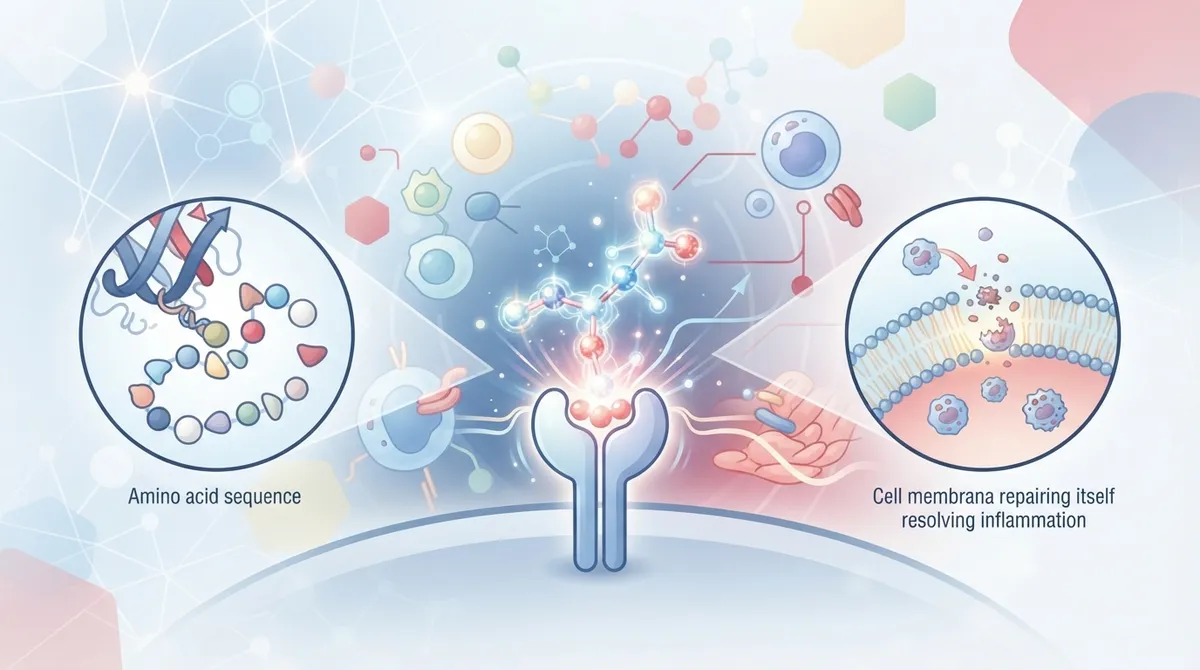
KPV, short for Lysine-Proline-Valine, is a small peptide fragment derived from alpha-melanocyte-stimulating hormone (alpha-MSH). Researchers have studied it mainly for its possible anti-inflammatory, antimicrobial, and wound-healing properties. Most of this research has happened in laboratory settings and animal models, not in large human clinical trials.
This distinction matters. A compound showing promise in a petri dish or a mouse study does not automatically translate into safe, effective treatment for people. Patients considering KPV should understand that the science is still in early stages. Our team at Primary Care can help explain what current evidence does and does not support.

2. KPV Is Not FDA-Approved
One of the most important facts to know is that KPV has no FDA-approved medical use. It is not a recognized drug for treating inflammation, digestive disorders, wounds, or any other condition. Products marketed online as "KPV peptide" have not gone through the rigorous testing the FDA requires for approved medications.
This lack of approval means there is no guaranteed pharmaceutical-grade quality standard for these products. Some sources indicate KPV has been discussed in relation to Section 503A compounding rules and reviewed by the Pharmacy Compounding Advisory Committee. However, being reviewed or considered for a regulatory category is very different from receiving full FDA approval for a finished medicine.
Why Regulatory Status Matters for Your Wallet
Unapproved products often lack standardized manufacturing oversight. This increases the risk of inconsistent dosing, contamination, or mislabeled concentrations. A cheap price does not offset these risks. In fact, the cheapest options are sometimes the ones with the least oversight.
- No FDA-approved KPV medicine currently exists on the market
- Products may vary widely in purity and concentration
- Regulatory review does not equal approval or proven safety
- Buying from unlicensed sources increases legal and health risks
3. Human Research Remains Limited
Despite growing online interest, there are no large randomized controlled trials establishing KPV's benefits, ideal dosage, or long-term safety in humans. Some vendor-published materials reference small datasets, such as a 15-patient pilot study on ulcerative colitis, a 12-patient wound-healing observation, and a 20-person topical safety review. These numbers are far too small to draw firm conclusions.
Small, non-independent studies cannot replace the rigor of properly designed clinical trials. Patients should treat these figures as preliminary signals, not proof of effectiveness. If you have digestive symptoms, skin wounds, or chronic inflammation, a conversation with a primary care provider is a safer first step than self-treating with an unproven peptide.
4. What "Affordable" Should Actually Mean
When people search for an affordable KPV peptide, they often assume this means the lowest sticker price. But true affordability in healthcare includes more than the cost of a vial. It includes the total value of safe, supervised care.
Key Factors That Define Real Affordability
- Clinician oversight from a licensed medical professional
- Verified pharmacy licensing and sourcing standards
- Third-party lab testing documentation for purity and concentration
- Proper storage and handling to preserve product integrity
- Follow-up care to monitor for side effects or interactions
- Clear understanding of the legal status in your state
- Transparent pricing that includes consultation and testing fees
A product priced lower than competitors but missing several of these elements is not actually a good value. It may end up costing more in the long run through complications, wasted money, or delayed care for the underlying issue.
5. Why Pricing Comparisons Are Difficult
There is no single, nationally recognized price for KPV because no standardized FDA-approved product exists. Costs vary based on formulation, concentration, delivery method, consultation fees, shipping, lab testing, and follow-up visits. This makes it nearly impossible to compare prices fairly across different sellers.
|
Cost Factor |
Why It Varies |
|---|---|
|
Formulation and concentration |
No standardized dosing exists across providers |
|
Route of administration |
Injectable, topical, or oral forms carry different costs |
|
Consultation fees |
Licensed clinical evaluation adds cost but improves safety |
|
Lab testing and verification |
Purity testing increases price but reduces contamination risk |
|
Follow-up care |
Monitoring appointments are often excluded from advertised prices |
Before comparing prices online, ask what is actually included. A number that looks cheap on a website may not reflect the true cost of safe, supervised use.
6. Know the Risks Before You Consider It
Because KPV is not FDA-approved and lacks large-scale human safety data, several risks deserve serious attention. Unregulated products purchased online may not match their advertised label. This can mean incorrect concentration, contamination, or even the wrong compound entirely.
Potential Risks to Discuss With a Provider
- Injection-site reactions or skin irritation
- Allergic or immune-related responses
- Unknown effects from long-term or repeated use
- Possible interactions with prescription medications or other peptides
- Contamination or inaccurate dosing in unregulated products
- Products labeled "research use only" are not meant for human use at all
If you experience severe abdominal pain, unexplained weight loss, fever, an infected wound, or persistent bleeding, these are red flags that require prompt medical evaluation. Self-treating serious symptoms with an unproven peptide can delay care for conditions that need immediate attention. Our providers, including those featured on our Providers page, are trained to evaluate these warning signs properly.
7. Explore Safer, Evidence-Based Alternatives First
Before considering an investigational peptide like KPV, it makes sense to explore treatments with stronger clinical backing. Many patients searching for anti-inflammatory or gut-health solutions may benefit more from established primary care strategies, nutritional counseling, or supervised wellness programs.
InCare offers a wide range of evidence-informed services that address similar health goals safely. For example, our Iv Hydration Vitamin Drips support hydration and recovery, while our Dna Gene Testing can reveal personalized insights into inflammation-related genetic markers. Patients focused on weight and metabolic health may also benefit from our Weight Loss programs, which are backed by measurable outcomes and physician supervision.
Questions to Ask Before Trying Any Peptide Therapy
- Is this treatment FDA-approved for my specific condition?
- What does the actual human research show, not just animal studies?
- Who is supervising my care, and are they licensed in my state?
- What lab testing verifies the product's purity and concentration?
- Are there proven alternatives with stronger safety data?
If you are curious about how peptide therapy fits into a broader wellness plan, our article on Peptides In Tampa Why Incare Is The Top Clinic For Peptide Therapy offers more detail on how our clinical team approaches these emerging treatments responsibly.
How InCare Approaches Emerging Peptide Therapies
Our physicians at InCare, including Naveen Paddu Md, Pramjeet Ahluwalia Md, and Teshy John Md, believe patient safety always comes first. When patients ask about investigational compounds like KPV, our team takes time to review medical history, discuss realistic expectations, and recommend proven options when appropriate.
We also believe transparency builds trust. That is why we encourage patients to ask questions, request documentation, and verify credentials before starting any new therapy. You can learn more about our commitment to patient-centered care on our About Us page, or visit one of our Locations in Tampa or Riverview to speak with a provider directly.
What Sets a Trustworthy Wellness Clinic Apart
- Licensed physicians who review your full medical history
- Clear explanations of what is and is not FDA-approved
- Honest discussion of risks, benefits, and evidence gaps
- Access to advanced diagnostic tools like body composition analysis
- A focus on prevention rather than quick fixes
Many patients find our community engagement helpful for staying informed. You can follow updates and patient stories on our Facebook page, see wellness tips on Instagram, or catch quick health explainers on Tik Tok. These channels complement, but never replace, a direct conversation with your provider.
Making a Safe, Informed Decision
Choosing whether to pursue an affordable KPV peptide should never be based on price alone. The safest path involves working with a licensed clinic that can evaluate your specific health concerns, explain current evidence honestly, and recommend proven alternatives when they exist. Many gut health, inflammation, and wound-healing concerns can be addressed through established primary care approaches long before an investigational peptide becomes necessary.
Patients in the Tampa Bay area consistently share positive experiences with our team. You can read what our community says by visiting our InCare location on Google, where our 4.8-star rating reflects hundreds of patient reviews praising our friendly staff and attentive physicians.
If you are considering peptide therapy or simply want a thorough evaluation of your inflammation, gut health, or wellness goals, our team is ready to help. Reach out to our care team today to discuss your options, or schedule your appointment now to start your personalized wellness journey with a provider you can trust.
FAQs
Q: What is KPV peptide and what is it used for?
A: KPV is a small peptide derived from alpha-MSH that researchers have studied mainly in labs and animals for anti-inflammatory, antimicrobial, and wound-healing effects. It is not an approved treatment for any human condition, and its use remains investigational rather than routine care.
Q: Is KPV peptide FDA approved or legal to use in the United States?
A: KPV is not FDA-approved for any medical use. While it has been discussed in relation to compounding regulations, this review process does not equal approval, and patients should verify legal status and sourcing before considering any product.
Q: How much does KPV peptide cost, and what does an affordable treatment typically include?
A: There is no standardized national price for KPV because formulations, concentrations, and provider fees vary widely. A truly affordable option should include clinician oversight, lab testing, proper sourcing, and follow-up care, not just a low sticker price.
Q: Is KPV peptide safe to inject or take orally?
A: Safety data in humans is extremely limited, and dosing, route, and long-term effects have not been well established. Products labeled research use only are not intended for human use and should never be self-administered.
Q: Are there safer FDA-approved alternatives to KPV for inflammation or gut health?
A: Yes, many evidence-based options exist through primary care, including nutritional counseling, IV hydration therapy, and physician-supervised wellness programs. A licensed provider can help identify proven treatments suited to your specific symptoms and health history.