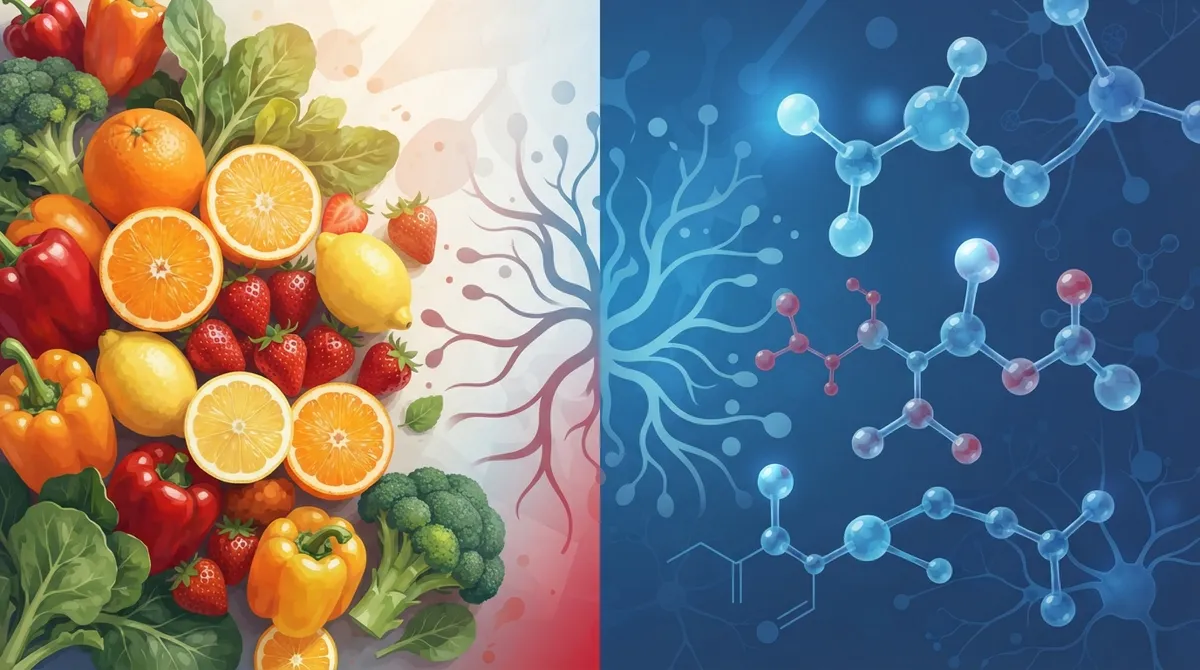
Key Takeaways
- Vitamin C and glutathione work through different biological pathways; while vitamin C may help regenerate glutathione at the cellular level, combined supplementation shows inconsistent results and lacks proven additive benefits over either nutrient alone.
- Most people can meet daily vitamin C needs through diet alone (75-90 mg for adults); exceeding 2,000 mg daily increases risk of stomach upset and diarrhea, making food sources like citrus, peppers, and broccoli a safer approach than high-dose supplements.
- Regular vitamin C supplementation did not reduce cold incidence across 23 trials, and IV glutathione lacks standardized dosing with reported risks including allergic reactions and liver toxicity, so medical evaluation is essential before use.
- People with kidney disease, hemochromatosis, G6PD deficiency, or those taking interacting medications should avoid high-dose antioxidant supplements without consulting their healthcare provider first.
Walk into any wellness clinic today and you will likely hear about vitamin C glutathione combinations. These two antioxidants are often paired in supplements, IV drips, and skincare products. But what does the science actually say about pairing them? Before you spend money on this popular combo, it helps to understand how these nutrients work together and where the evidence stands. At InCare, our Tampa and Riverview teams help patients sort fact from marketing hype so they can make informed choices about their health.
This guide breaks down what vitamin C and glutathione actually do, what current research shows, and how to think about safety before trying any product. We will also cover realistic expectations for immune support, skin goals, and overall wellness.
1. Understand What Vitamin C and Glutathione Actually Do
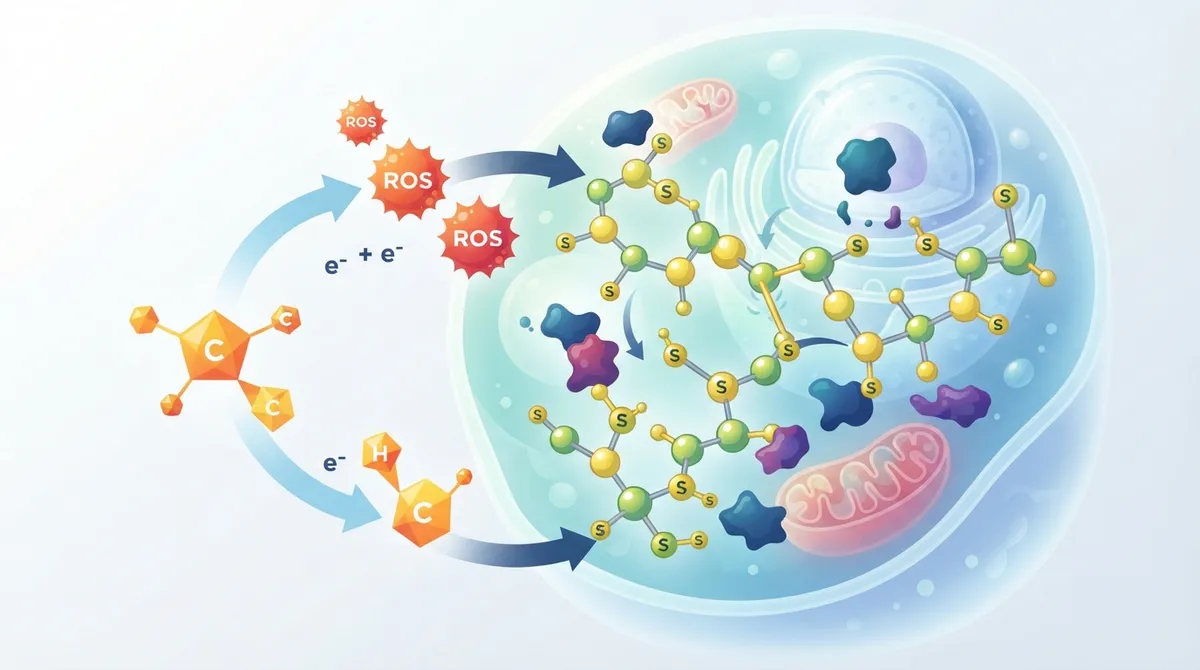
Vitamin C, also called ascorbic acid, is an essential nutrient your body cannot make on its own. It supports collagen production, wound healing, and immune function. Glutathione is different. Your body makes it naturally from three amino acids: cysteine, glutamate, and glycine.
These two compounds are biologically connected. Vitamin C can help regenerate glutathione after your cells experience oxidative stress. This means vitamin C helps recycle glutathione back into its active, protective form.
- Vitamin C is water-soluble and must be replenished through diet or supplements daily
- Glutathione is produced inside your cells using protein-based building blocks
- Both act as antioxidants, but they work through different pathways
- Vitamin C has stronger, more established research behind its health benefits
- Glutathione research is still developing, especially for supplement forms

2. Know the Difference Between Lab Findings and Real-World Results
Laboratory studies show these two antioxidants can cooperate at the cellular level. However, this does not automatically mean that taking both as supplements improves your health in a noticeable way. This distinction matters a lot when you are deciding whether to try a product.
A 2023 review looked closely at combined vitamin C and glutathione supplementation. Researchers found inconsistent results for exercise performance and oxidative stress markers. The conclusion was clear: more research is needed before anyone can confirm a true additive benefit from combining the two.
3. Review the Research Behind Vitamin C Supplementation
Vitamin C has decades of research behind it, which gives it a much stronger evidence base than glutathione supplements. Here is what the data shows for common uses people ask about at primary care visits.
|
Vitamin C Use |
What Research Shows |
|---|---|
|
Preventing the common cold |
Across 23 trials, regular use at 250–2,000 mg/day did not reduce cold incidence in the general public |
|
Shortening cold duration |
Some studies show modestly shorter colds and reduced symptom severity |
|
Heart disease prevention |
A major trial found 500 mg/day for eight years did not significantly reduce cardiovascular events |
|
Raising lymphocyte glutathione |
In deficient adults, 500–1,000 mg/day for 13 weeks raised lymphocyte glutathione by about 18% |
This table shows why vitamin C deserves a place in a balanced diet, but it is not a cure-all. If you have questions about your personal intake needs, a primary care visit is the best place to start.
4. Learn the Safe Intake Levels for Vitamin C
Knowing how much vitamin C you actually need helps you avoid both deficiency and unnecessary excess. The National Academies and the Linus Pauling Institute at Oregon State University have published clear guidance on this topic.
- Women need 75 mg of vitamin C per day
- Men need 90 mg of vitamin C per day
- Smokers need an extra 35 mg per day due to higher oxidative stress
- The upper safe limit is 2,000 mg per day from food and supplements combined
- Going above 2,000 mg raises your risk of stomach upset and diarrhea
Most people can meet their vitamin C needs through food alone. Citrus fruits, berries, bell peppers, broccoli, and leafy greens are all excellent sources. Prioritizing diet over high-dose supplements is generally the safer and more sustainable path.
5. Compare Oral Glutathione to IV Glutathione
Many wellness seekers ask whether oral glutathione or IV glutathione works better. The honest answer is that both have limitations, and neither should be treated as a routine fix for chronic conditions.
|
Factor |
Oral Glutathione |
IV Glutathione |
|---|---|---|
|
Absorption |
Variable, depends on dose and formulation |
Bypasses digestion, enters bloodstream directly |
|
Invasiveness |
Low, taken as capsules or liquid |
Higher, requires needle and monitoring |
|
Standardized dosing |
More established guidelines exist |
Lacks standardized wellness dosing |
|
Reported risks |
Generally mild, few side effects |
Allergic reactions, liver toxicity, kidney concerns |
A six-month study using 1,000 mg per day of oral glutathione found increased levels in plasma, red blood cells, and oral cells, with no serious adverse effects reported. However, this single study does not confirm long-term clinical benefit. Another trial in healthy adults found no significant short-term improvement in glutathione status despite good adherence to the supplement schedule.
Because IV glutathione carries more risk and lacks consistent dosing standards, it should only be considered after a proper medical evaluation. Our IV hydration and vitamin drips services at InCare are always paired with clinical guidance to keep your safety a top priority.
6. Identify Who Should Use Caution with High-Dose Antioxidant Supplements
Not everyone is a good candidate for high-dose vitamin C or glutathione products. Certain health conditions require extra caution, and a conversation with your doctor can prevent unwanted complications.
- People with kidney disease or a history of calcium-oxalate kidney stones
- Individuals with iron-overload disorders such as hemochromatosis
- Anyone with glucose-6-phosphate dehydrogenase (G6PD) deficiency
- Patients taking medications that may interact with high-dose antioxidants
- Pregnant or breastfeeding individuals without medical clearance
If any of these apply to you, please talk with your provider before starting any new supplement routine. Our physicians, including Dr. Naveen Paddu and Dr. Pramjeet Ahluwalia, can review your medical history and help you avoid unnecessary risks.
7. Set Realistic Expectations for Skin, Immunity, and Wellness Goals
Many people turn to vitamin C glutathione products hoping for brighter skin, stronger immunity, or an anti-aging boost. It helps to separate marketing claims from what the science currently supports.
- Vitamin C supports collagen production, which plays a role in skin health
- Glutathione's effect on skin brightness or pigmentation still needs more solid clinical evidence
- Neither nutrient is a proven treatment for chronic disease or detoxification
- Combined supplementation has not shown a confirmed additive benefit over either nutrient alone
- A balanced diet remains the foundation for supporting your body's natural antioxidant systems
Instead of chasing quick fixes, consider a more complete approach to wellness. This might include routine cancer screenings, DNA gene testing, or a body composition analysis to get a clearer picture of your overall health rather than focusing on one supplement alone.
Building Vitamin C and Glutathione Support Into Your Diet
Dietary sources should always come first when you are trying to support your body's antioxidant defenses. Whole foods provide nutrients in forms your body recognizes and can use efficiently.
- Citrus fruits like oranges and grapefruit are rich in vitamin C
- Bell peppers and broccoli offer high vitamin C content plus fiber
- Leafy greens and tomatoes add variety to your antioxidant intake
- Adequate protein intake supports your body's natural glutathione production
- Sulfur-containing foods like garlic and onions may support glutathione pathways
A registered dietitian or your primary care provider can help you build a meal plan that supports these goals naturally, without relying on unproven supplement combinations.
Why Professional Guidance Matters Before Starting Any Regimen
Wellness trends move fast, and it is easy to feel pressure to try the newest antioxidant combination. But your health deserves more than trend-chasing. A proper evaluation looks at your full health picture, not just one supplement.
At InCare, our providers, including Dr. Teshy John, take time to understand your goals and medical history before recommending any treatment plan. This personalized approach helps you avoid wasted money and unnecessary health risks. You can learn more about our full range of services and meet our providers to find the right fit for your care.
Many patients in Tampa and Riverview also follow InCare on social media for wellness tips and clinic updates. You can find us on Facebook, Instagram, and TikTok for regular health content backed by real medical expertise.
Take the Next Step Toward Informed Wellness Care
Vitamin C glutathione products are everywhere in the wellness space, but not every trend deserves a spot in your routine. The strongest evidence supports getting your vitamin C from a balanced diet and reserving glutathione supplementation for cases where a provider has reviewed your specific needs. This approach protects both your wallet and your long-term health.
If you want a clear, personalized plan for your wellness goals, our team is ready to help. Our patients consistently praise the clinic experience, and you can visit us on Google — InCare to read reviews from real patients in Tampa and Riverview. Whether you are curious about antioxidant support, weight loss programs, or comprehensive primary care locations near you, our providers are here to guide you with evidence-based care.
Ready to get answers tailored to your health? Book your appointment today and start your wellness journey with a team that puts your safety first.
FAQs
Q: What are the benefits of taking vitamin C and glutathione together?
A: Vitamin C may help regenerate glutathione after oxidative stress at the cellular level. However, current research on combined supplementation shows inconsistent results, and more studies are needed before this pairing can be considered a proven wellness strategy.
Q: Does vitamin C increase glutathione levels in the body?
A: Some evidence suggests it can. One study found that 500 to 1,000 mg of vitamin C daily for 13 weeks raised lymphocyte glutathione levels by about 18% in people with ascorbate deficiency. This effect may not apply the same way to people who are not deficient.
Q: Is vitamin C with glutathione effective for immune support or preventing colds?
A: Research across 23 trials found that regular vitamin C supplementation did not reduce the incidence of colds in the general population. It may modestly shorten cold duration and reduce symptom severity in some cases, but it is not a guaranteed prevention method.
Q: Is oral glutathione better or safer than IV glutathione?
A: Oral glutathione is generally considered lower risk since it does not require needles or invasive procedures. IV glutathione lacks standardized wellness dosing and carries reported risks including allergic reactions and liver or kidney complications, so it requires proper medical evaluation first.
Q: Who should avoid high-dose vitamin C or glutathione supplements?
A: People with kidney disease, a history of calcium-oxalate kidney stones, iron-overload disorders like hemochromatosis, or G6PD deficiency should use caution. It is best to consult a primary care provider before starting high-dose supplementation, especially with existing health conditions.