Key Takeaways
- Retatrutide is not FDA-approved as of 2026 and remains investigational; any clinic offering it as routine treatment is getting ahead of the science and lacks the safety oversight of approved alternatives.
- Clinical trial data shows retatrutide produces 17-30% weight loss by targeting three hormones (GLP-1, GIP, glucagon) versus one or two in existing drugs, but results are company-reported and need independent peer-review verification.
- Buying retatrutide online from unregulated sellers is unsafe because products lack quality control, verified dosing, sterility standards, and may contain harmful contaminants or incorrect substances.
- FDA-approved medications like semaglutide and tirzepatide with established safety records are available now; effective weight management combines medical evaluation, personalized nutrition guidance, approved medications, and ongoing monitoring.
If you follow weight loss news, you've probably heard buzz about a new injectable drug called retatrutide. Some people call it the next big thing in medical weight loss. Others worry it's too good to be true. So what's the real story?
At InCare, our primary care and wellness teams in Tampa and Riverview get asked about retatrutide almost every week. Patients want to know if it's safe, if it's available, and if it beats other options already on the market. This guide breaks down what retatrutide is, what the science actually shows, and what you should do right now if you're serious about losing weight and improving your health.

1. What Is Retatrutide and Why Is Everyone Talking About It?
Retatrutide is an experimental weekly injection made by Eli Lilly. It's designed to help people lose weight and manage type 2 diabetes. What makes it different from other weight loss drugs? It works on three separate hormone receptors instead of just one or two.
Most current weight loss medications, like semaglutide, target a single hormone called GLP-1. Newer drugs like tirzepatide target two hormones: GLP-1 and GIP. Retatrutide goes one step further. It activates GLP-1, GIP, and a third hormone called glucagon. This is why researchers often call it a "triple agonist."
These three hormones work together to reduce appetite, slow digestion, and boost how many calories your body burns at rest. In theory, hitting all three targets at once could lead to greater weight loss than existing treatments. Early trial data suggests this theory may hold up, but there's an important catch we'll explain in the next section.
2. Retatrutide Is Not FDA-Approved (This Matters a Lot)
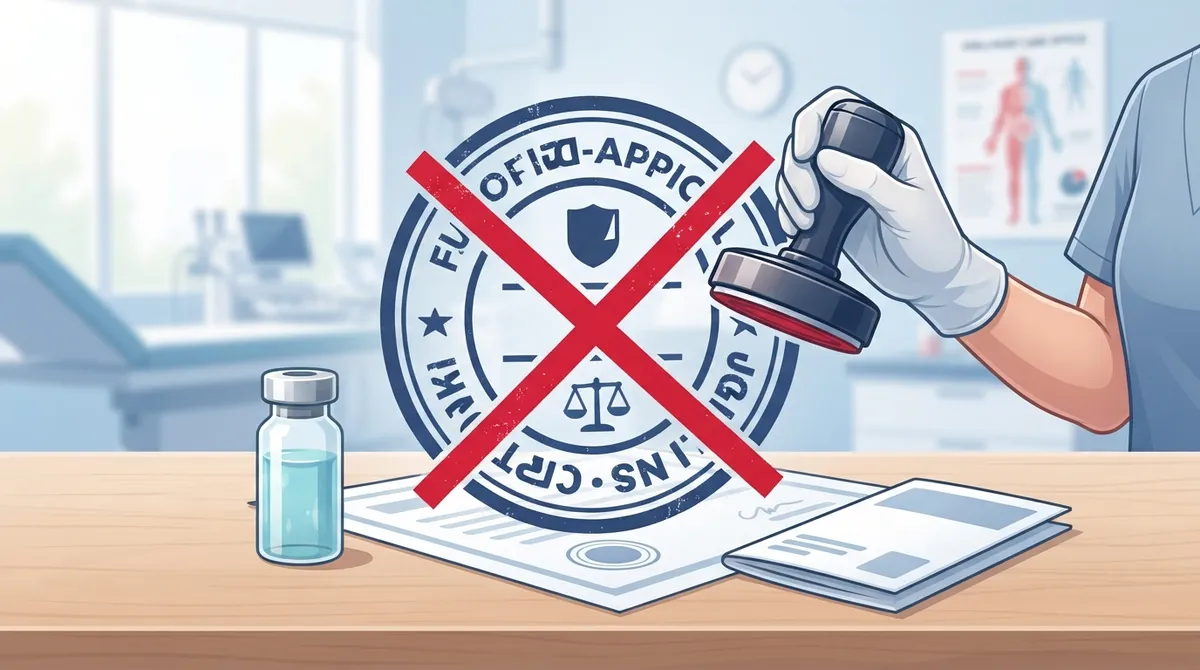
Here's the most important fact in this entire article: retatrutide is not approved by the FDA for weight loss, diabetes, or any other use as of 2026. It remains an investigational drug, meaning it is still being tested in clinical trials.
This distinction matters because unapproved drugs haven't gone through the full safety review that approved medications like semaglutide and tirzepatide have already passed. Full-scale manufacturing standards, long-term safety monitoring, and complete side effect profiles are still being studied.
Any clinic or provider that offers retatrutide as a routine, prescribed treatment right now is getting ahead of the science. A trustworthy primary care practice will be upfront about this instead of overselling a drug that isn't ready for widespread use.
3. What Do the Clinical Trial Results Actually Show?
Eli Lilly has been running a large research program called TRIUMPH to test retatrutide in different patient groups. The results reported so far are impressive, but they come from the company itself, not yet from independent, peer-reviewed medical journals. That's an important detail to keep in mind.
Here's a summary of the topline results reported through 2026:
|
Trial |
Patient Group |
Reported Weight Loss |
Timeframe |
|---|---|---|---|
|
TRIUMPH-1 |
Adults with obesity, no diabetes |
Up to 25.0% (12 mg dose) |
80 weeks |
|
TRIUMPH-1 subgroup |
BMI 35+, full dose tolerance |
Up to ~30% |
104 weeks |
|
TRIUMPH-2 |
Adults with type 2 diabetes |
Up to 20.8% |
80 weeks |
|
TRIUMPH-3 |
Severe obesity plus heart disease |
Up to 22.6% |
80 weeks |
|
TRIUMPH-4 |
Obesity plus knee osteoarthritis |
28.7% (about 71.2 lbs) |
68 weeks |
These numbers are notable because they're higher than what's typically seen with currently approved medications. But remember, these are company-reported topline figures. Independent researchers still need to review the full data before we know exactly how these results hold up in the general population.
4. How Does Retatrutide Compare to Semaglutide and Tirzepatide?
Patients often ask how retatrutide stacks up against medications already available, like semaglutide and tirzepatide. Here's a simple breakdown:
- Semaglutide targets one hormone receptor (GLP-1). It's FDA-approved and has years of real-world safety data.
- Tirzepatide targets two hormone receptors (GLP-1 and GIP). It's also FDA-approved and tends to produce more weight loss than semaglutide alone.
- Retatrutide targets three hormone receptors (GLP-1, GIP, and glucagon). It's still investigational and not yet approved for any use.
If retatrutide eventually gains approval, it could offer even greater results than the two-hormone options. But until that happens, semaglutide and tirzepatide remain the most well-studied, doctor-supervised choices for medical weight loss. You can learn more about how these medications work by reading our guide on which GLP-1 is best for weight loss in 2026.
5. What Side Effects Have Trial Participants Reported?
Like other GLP-1 based medications, retatrutide comes with gastrointestinal side effects. In clinical trials, the most common issues reported were:
- Nausea, especially during dose increases
- Diarrhea
- Vomiting
- Constipation
These side effects tend to show up as the dose gets higher. They can also affect how well patients stick with treatment and how hydrated they stay. This is one reason why any future use of retatrutide, if approved, would need close medical supervision. Managing dehydration, nutrition, and dose adjustments requires a trained care team, not guesswork at home.
6. Why Buying Retatrutide Online Is Risky
Because retatrutide isn't approved yet, some websites and unregulated sellers offer "research peptides" claiming to be retatrutide. This is a serious safety concern that every patient should understand clearly.
Products sold outside of approved clinical trials are not the same as what's used in Eli Lilly's studies. There's no guarantee about:
- What's actually in the vial
- Whether the dose listed is accurate
- Whether the product is sterile
- How it was stored or shipped
- Whether it contains harmful contaminants
Injecting an unregulated substance into your body carries real risk. If a product sounds too easy to get and too cheap to be true, it probably isn't safe. Instead, talk with a licensed provider about weight loss options that are actually approved and properly monitored.
7. What Should You Do for Weight Loss Right Now?
While retatrutide finishes its trials, you don't have to wait to start improving your health. Evidence-based obesity care already exists, and it works. Here's what a real weight management plan usually includes:
- A full health evaluation. This means checking your BMI, blood pressure, blood sugar, and any weight-related conditions.
- Personalized nutrition and activity guidance. Sustainable habits matter more than quick fixes.
- FDA-approved medications when appropriate. Options like semaglutide and tirzepatide have strong safety records and proven results.
- Ongoing monitoring. Regular visits help track progress and catch problems early.
- Support for related conditions. Sleep issues, hormone imbalances, and mental health all affect weight.
At InCare, our weight loss programs combine lab work, body composition tracking, and physician oversight to build a plan that fits your body and your goals. We also offer body composition analysis and metabolic breath analysis to get a clearer picture of what your body actually needs.
Why Choose a Primary Care Team for Weight Management
Weight loss isn't just about the number on the scale. It's connected to your heart health, blood sugar, joint pain, sleep quality, and more. That's why working with a full-service primary care clinic makes such a difference. Your provider can look at your whole health picture, not just one medication.
Our providers, including Dr. Pramjeet Ahluwalia and the rest of our provider team, stay current on emerging treatments like retatrutide while keeping your safety as the top priority. We believe in giving you accurate information, not hype, so you can make informed decisions about your health.
If you're in the Tampa Bay area, you can find us at one of our locations in Tampa or Riverview. Many patients also start with a wellness visit to get a full baseline of their health before starting any weight management plan.
Looking Ahead: When Might Retatrutide Be Available?
Eli Lilly's Phase 3 program has already enrolled more than 5,800 participants, based on results reported through late 2025 and into 2026. If the final data holds up and the FDA approves the drug, it could become available to patients in the coming years. But approval timelines can shift, and safety reviews take time for good reason.
Until then, patients interested in learning more should ask their primary care provider about clinical trial eligibility or simply focus on proven, approved treatments already available today. You can also follow trusted health updates from sources like the U.S. Food and Drug Administration and the Centers for Disease Control and Prevention to stay informed on new obesity treatments as they develop.
Curious what real patients say about their experience with InCare? You can visit us on Google — InCare to read reviews from people in Tampa and Riverview who have used our weight management and primary care services. You can also follow our health tips and clinic updates on Facebook, Instagram, and TikTok.
Take the Next Step Toward Real Weight Loss Results
Retatrutide might be part of the future of weight management, but you don't need to wait for FDA approval to start feeling better today. Our team can build a personalized, medically supervised plan using proven tools and treatments available right now. Ready to get started? Book your appointment with InCare today or reach out to our team with any questions about your weight loss options.
FAQs
Q: Is retatrutide FDA-approved for weight loss?
A: No, retatrutide is not FDA-approved for weight loss, diabetes, or any other condition as of 2026. It remains an investigational drug still undergoing clinical trials, so it should not be presented as an approved treatment option.
Q: How much weight can people lose with retatrutide?
A: Company-reported Phase 3 trial data shows average weight loss ranging from about 17% to nearly 30%, depending on the dose and patient group. These figures come from sponsor topline results and still need confirmation through peer-reviewed publication.
Q: How is retatrutide different from semaglutide or tirzepatide?
A: Retatrutide activates three hormone receptors, GLP-1, GIP, and glucagon, while semaglutide targets only GLP-1 and tirzepatide targets GLP-1 and GIP. This triple-action approach is why researchers believe retatrutide may produce greater weight loss.
Q: Can a primary care doctor prescribe retatrutide?
A: Not currently. Since retatrutide lacks FDA approval, primary care doctors cannot prescribe it for routine use. Providers can, however, discuss FDA-approved alternatives and monitor patients interested in future clinical trial participation.
Q: Is buying retatrutide online safe or legal?
A: Purchasing retatrutide from unregulated online vendors is not safe. These products lack quality control, so their purity, dosage accuracy, and sterility cannot be verified, creating serious health risks for anyone who uses them.