
Key Takeaways
- MOTS-c lacks FDA approval and has no strong human evidence proving it reduces fatigue; existing research is limited to animal studies and a 7-day safety trial of a related compound, not efficacy in humans.
- Chronic fatigue has multiple treatable medical causes including anemia, thyroid disease, sleep apnea, and nutritional deficiencies that should be identified through proper diagnostic testing before trying unproven peptides.
- Unregulated MOTS-c products carry serious safety risks including incorrect concentration, bacterial contamination, and unknown long-term health effects, with no standardized dosing or quality oversight.
- Evidence-based alternatives like bloodwork, sleep evaluation, IV hydration therapy, and supervised weight loss programs have strong clinical backing and are safer, more effective approaches to addressing fatigue.
Feeling tired all the time can wear you down fast. Many people search online for quick fixes. One name that keeps popping up is MOTS-c, a peptide linked to energy and metabolism. But does it really help with fatigue? Before you spend money on this trending compound, you need real facts, not hype.
At InCare, our providers believe fatigue deserves a proper medical workup, not a shortcut. This article breaks down what MOTS-c actually is, what science says about fatigue reduction, and why a visit to a trusted primary care clinic in Tampa or Riverview is the smarter first step. Let's separate fact from marketing spin.
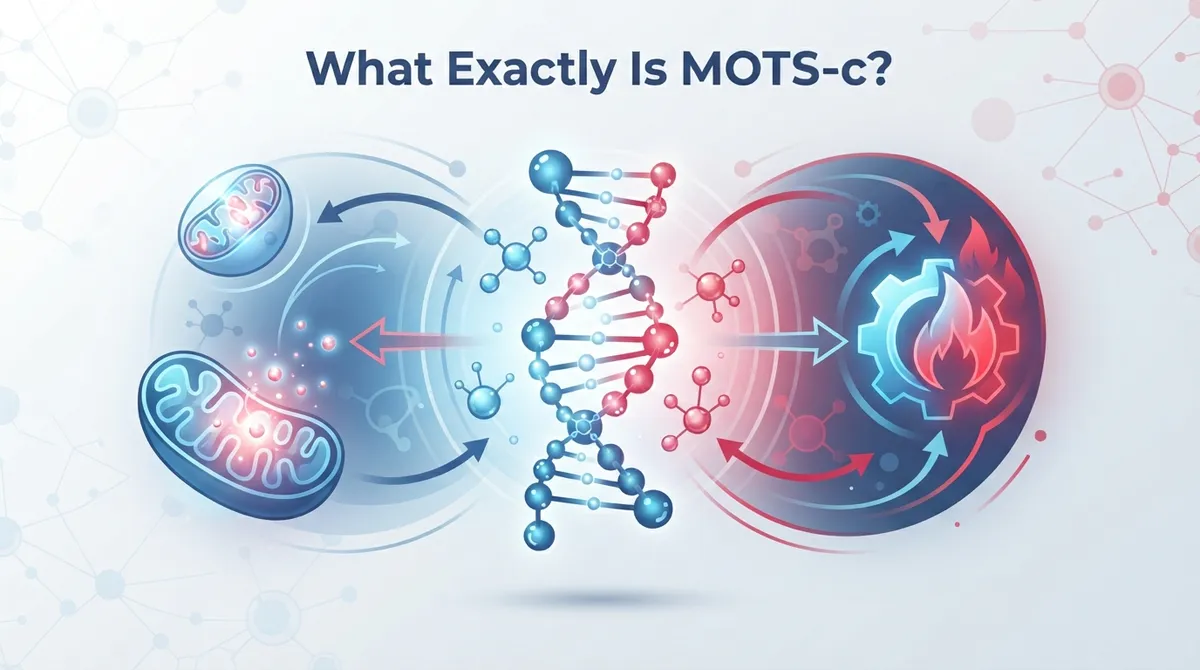
1. What Exactly Is MOTS-c?
MOTS-c stands for mitochondrial open reading frame of the 12S rRNA-c. That's a mouthful, so let's simplify it. It is a small peptide made of just 16 amino acids. Your mitochondrial DNA creates it naturally.
Mitochondria are the tiny parts inside your cells that make energy. Scientists became curious about MOTS-c because it seems tied to how your body uses energy. Early lab studies suggest it may affect blood sugar, exercise response, and cell stress. These findings come mostly from animal and cell studies, not large human trials.
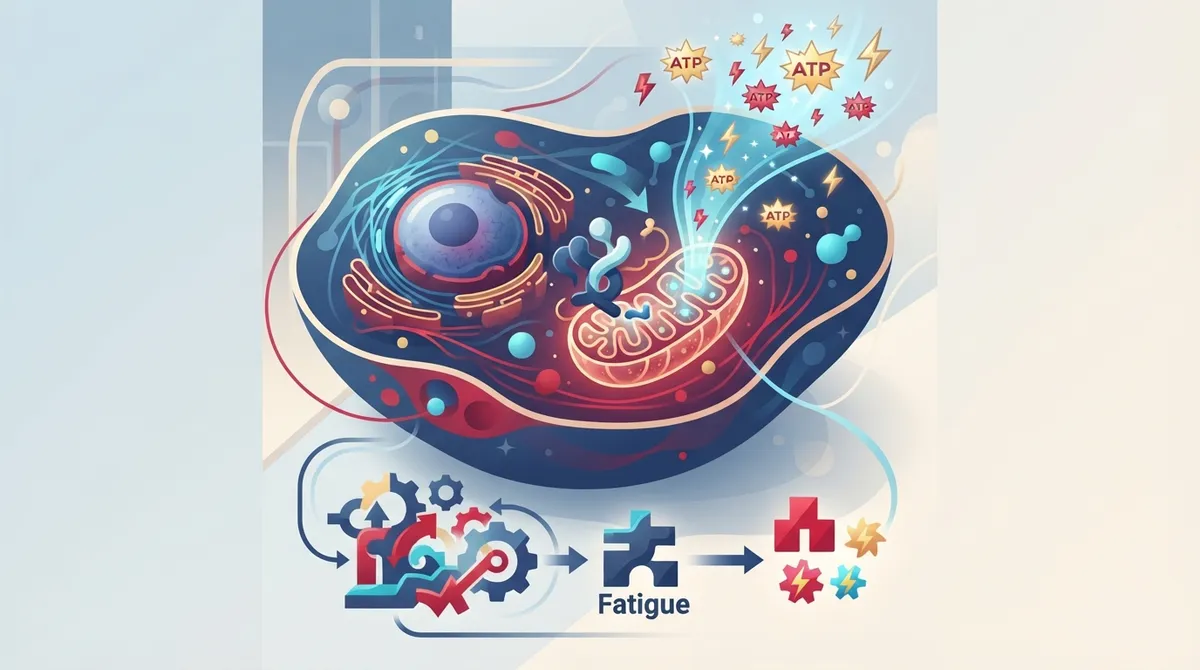
2. Why People Link MOTS-c to Fatigue Reduction
The buzz around mots-c fatigue reduction comes from its connection to mitochondrial function. Since mitochondria create energy, it makes sense that people assume boosting them could fight tiredness. This idea sounds logical on the surface.
However, logic is not the same as proof. Preclinical research suggests MOTS-c may influence AMPK activity, glucose use, oxidative stress, and inflammation. These are all mechanisms that could theoretically affect energy levels. But theory and real-world results are two very different things.
Common Mechanisms Studied in Labs
- AMPK pathway activation, which helps regulate cell energy
- Glucose utilization and insulin sensitivity in animal models
- Mitochondrial stress response signaling
- Exercise adaptation in mouse studies
- Inflammation markers in cell cultures
These mechanisms are interesting to researchers. But none of them confirm that MOTS-c reduces fatigue in real patients like you.
3. What the Human Evidence Actually Shows
This is the most important part. Right now, there is no strong human evidence proving MOTS-c reduces fatigue. Reviews of current studies found no completed, well-designed, placebo-controlled trial with this result. Existing human data is limited in size, length, and clear health outcomes.
One related study looked at a MOTS-c analog called CB4211. This was a Phase 1a trial, registered as NCT03998514. It tested short-term tolerability over seven days. That means researchers only checked if the compound was safe for a short time. It did not test whether the drug improved fatigue. It also does not prove anything about native MOTS-c itself.
No reliable number exists for how many people might feel less tired using MOTS-c. Without solid trials, there is no accurate percentage or success rate to share. Be cautious of any product claiming guaranteed fatigue relief backed by "science."
|
Evidence Type |
What It Shows |
What It Does NOT Show |
|---|---|---|
|
Animal studies |
Possible metabolic and exercise effects in mice |
Fatigue improvement in humans |
|
Cell studies |
Some mitochondrial signaling activity |
Real-world energy benefits |
|
CB4211 Phase 1a trial |
Short-term tolerability over 7 days |
Efficacy for fatigue or any condition |
|
Native MOTS-c human trials |
Very limited, early-stage data |
Approved dosing or proven results |
4. FDA Approval Status and Regulatory Reality
MOTS-c is not approved by the FDA for fatigue, aging, weight management, or any medical condition. This matters a lot. FDA approval means a treatment went through rigorous testing for safety and effectiveness. MOTS-c has not reached that stage.
Because it lacks approval, there is no official, agreed-upon dose. Different sellers may suggest different amounts, but none are backed by regulatory review. This creates real risk. Taking an unapproved substance without medical guidance can lead to unknown side effects.
Key Regulatory Facts
- No FDA-approved indication exists for MOTS-c.
- No standardized clinical dosing protocol has been established.
- Long-term safety data in humans is not available.
- Products sold online may not meet quality or purity standards.
- Compounded or gray-market peptides carry unknown risks.
5. The Hidden Risks of Unregulated Peptide Products
Many MOTS-c products are sold through compounded pharmacies or online sellers outside normal FDA oversight. This raises serious concerns. Without regulation, there's no guarantee about what's actually in the vial.
Problems can include incorrect concentration, contamination, poor sterility, and high endotoxin levels. These issues can cause infections or other health problems. If you are considering any peptide therapy, always talk to a licensed provider first. Our team specializing in peptide therapy in Tampa can walk you through safety, quality sourcing, and whether any peptide fits your health goals responsibly.
- Unclear ingredient purity from unregulated suppliers
- Possible bacterial contamination during manufacturing
- Unknown long-term effects on kidneys, liver, or hormones
- No monitoring for drug interactions with your current medications
- Risk of wasted money on unproven products
6. What Should You Do If You're Constantly Tired?
Chronic fatigue is a real problem. But MOTS-c is not a proven fix. Instead of guessing, it's smarter to find the actual cause of your tiredness. Many common, treatable conditions can drain your energy.
A thorough evaluation by your primary care doctor can uncover the real issue. This is far more effective than trying an unproven peptide with no clear dosing or safety data.
Common Medical Causes of Fatigue
- Anemia or low iron levels
- Thyroid disease, including hypothyroidism
- Sleep apnea or poor sleep quality
- Depression or anxiety disorders
- Medication side effects
- Diabetes or blood sugar imbalances
- Chronic infections
- Heart or lung disease
- Nutritional deficiencies, like vitamin D or B12
Your doctor can order bloodwork, review your history, and check for these conditions. This process gives you real answers, not guesses. At InCare, our Naveen Paddu, MD, Pramjeet Ahluwalia, MD, and Teshy John, MD regularly help patients get to the bottom of ongoing fatigue using proven diagnostic tools.
7. Safer, Evidence-Based Ways to Fight Fatigue
The good news is you don't need an experimental peptide to feel better. Many proven strategies can help boost your energy and overall health. These options come with real research behind them.
Our clinic offers services designed to support whole-body wellness. IV hydration and vitamin drips can help replenish nutrients quickly. DNA gene testing can reveal how your body processes nutrients and metabolizes certain compounds. A metabolic breath analysis can show how efficiently your body burns energy, giving you clear data instead of guesswork.
|
Approach |
What It Addresses |
Evidence Level |
|---|---|---|
|
Bloodwork and diagnostic testing |
Anemia, thyroid, diabetes, infection |
Strong, well-established |
|
Sleep evaluation |
Sleep apnea, insomnia |
Strong, well-established |
|
IV hydration therapy |
Dehydration, nutrient gaps |
Supported by clinical use |
|
Weight loss programs |
Metabolic strain, low energy |
Supported by clinical guidelines |
|
MOTS-c peptide |
Unclear; theoretical only |
Insufficient human evidence |
If weight is contributing to your fatigue, a structured weight loss program supervised by a physician may help more than any unproven peptide. These programs use tested methods and ongoing monitoring for safety.
Why Choose InCare for Fatigue Evaluation
Fatigue can feel confusing and frustrating. You deserve real answers, not trendy shortcuts. InCare combines advanced diagnostic technology with experienced medical guidance across our Tampa and Riverview locations.
Our team takes time to understand your full health picture. We don't chase trends without evidence. Instead, we focus on proven testing, personalized care plans, and honest conversations about what treatments actually work. Patients consistently praise our staff, including office manager Beth, and the thorough approach from providers like Dr. Ahluwalia. You can read more patient experiences and visit us on Google — InCare to see what our community says.
Stay connected with health tips and clinic updates through our Facebook page, Instagram account, and TikTok channel. These platforms share helpful wellness content beyond what we cover here.
Final Thoughts on MOTS-c and Fatigue
MOTS-c is an interesting compound still in early research stages. Claims about mots-c fatigue reduction are not backed by solid human trials. No FDA approval exists. No safe, standard dose has been established. The strongest human data available concerns short-term tolerability of a related analog, not proven fatigue relief.
If you're tired all the time, don't gamble on unproven products. Instead, get real answers through proper testing and expert guidance. Our providers can help identify the true cause of your fatigue and create a safe, effective plan tailored to you.
Ready to stop guessing and start feeling better? Book Now to schedule your evaluation at InCare in Tampa or Riverview. You can also reach out to our team with any questions about fatigue, peptide therapy, or your overall wellness journey.
FAQs
Q: Can MOTS-c reduce fatigue or improve energy in humans?
A: Current evidence does not support this claim. Animal and cell studies show possible mitochondrial effects, but no completed human trial proves MOTS-c reduces fatigue in real patients.
Q: Is MOTS-c FDA approved for fatigue, aging, or metabolic health?
A: No. MOTS-c has no FDA approval for any medical use, including fatigue reduction, aging, or metabolic conditions. It remains an investigational compound.
Q: What clinical studies have tested MOTS-c in humans?
A: Human research is limited. The most notable study involved a MOTS-c analog called CB4211, tested for short-term tolerability over seven days, not fatigue improvement or long-term safety.
Q: What medical tests should be considered when evaluating persistent fatigue?
A: Doctors typically check for anemia, thyroid disease, sleep apnea, diabetes, infections, and nutritional deficiencies. A primary care evaluation helps identify the true cause of ongoing tiredness.
Q: Is there a safe or clinically established MOTS-c dose?
A: No standardized, evidence-based dosing protocol exists for MOTS-c. Products sold online may vary widely in concentration, purity, and safety, making unsupervised use risky.